Department of Respiratory, the Sixth Affiliated Hospital of Wenzhou Medical University/Lishui People's Hospitlal, Lishui, Zhejiang, 323000, China.
Department of Chinese Medicine, the Sixth Affiliated Hospital of Wenzhou Medical University/Lishui People's Hospitlal, Lishui, Zhejiang, 323000, China.
Cancer Gene Ther. 2022 Jan;29(1):101-121. doi: 10.1038/s41417-021-00293-w. Epub 2021 Jan 26.
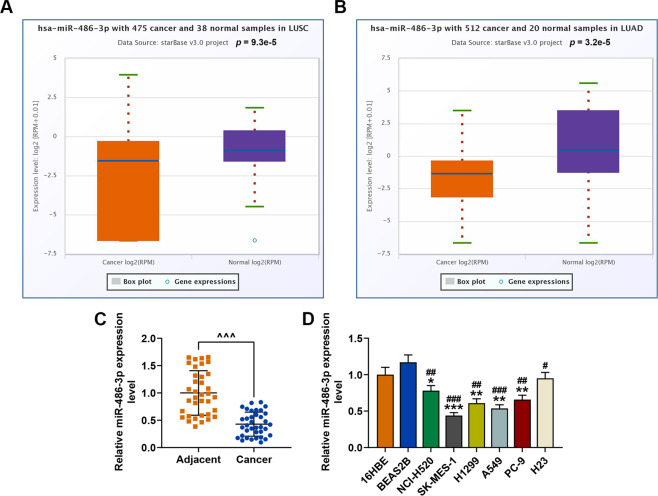
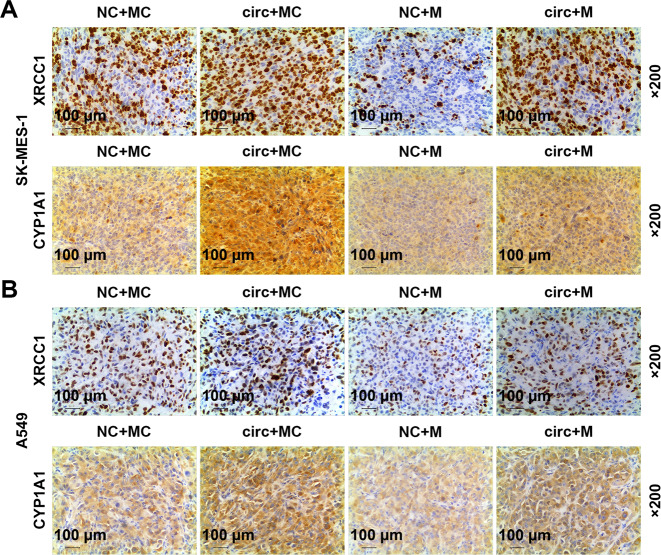
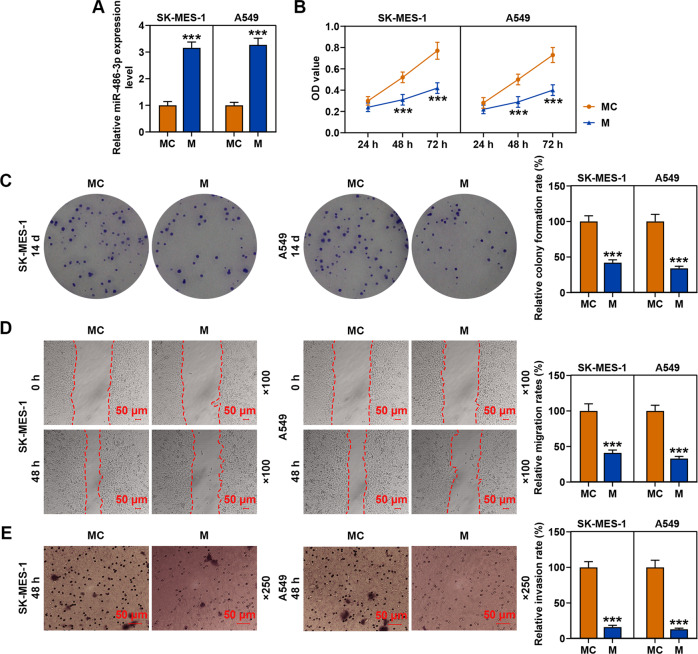
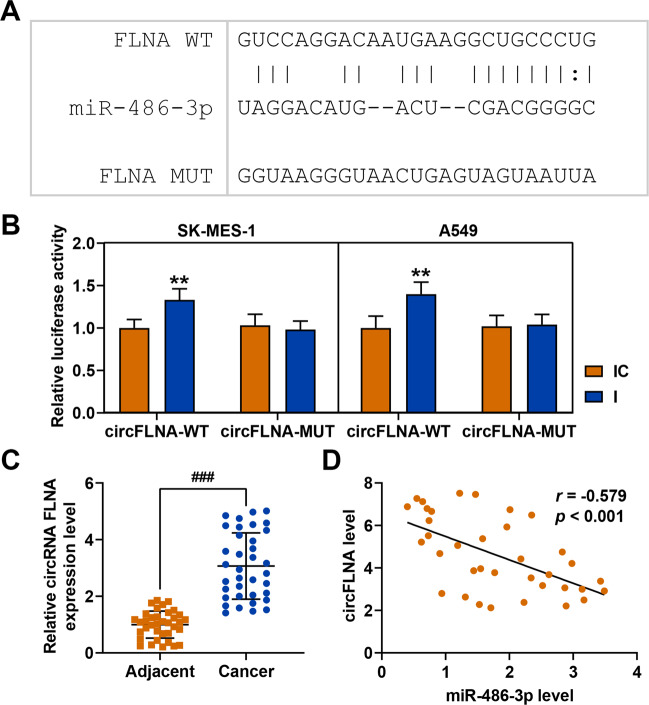
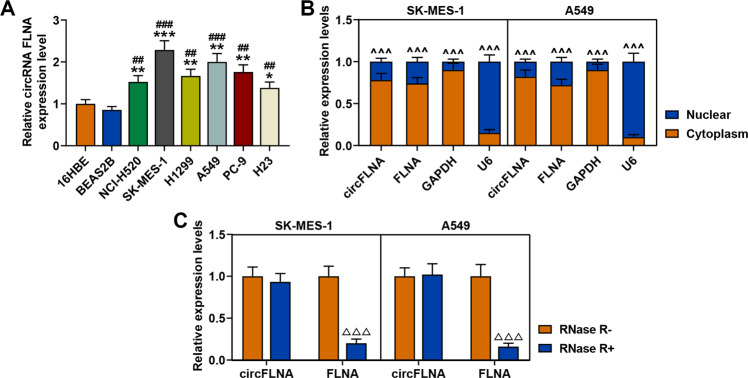
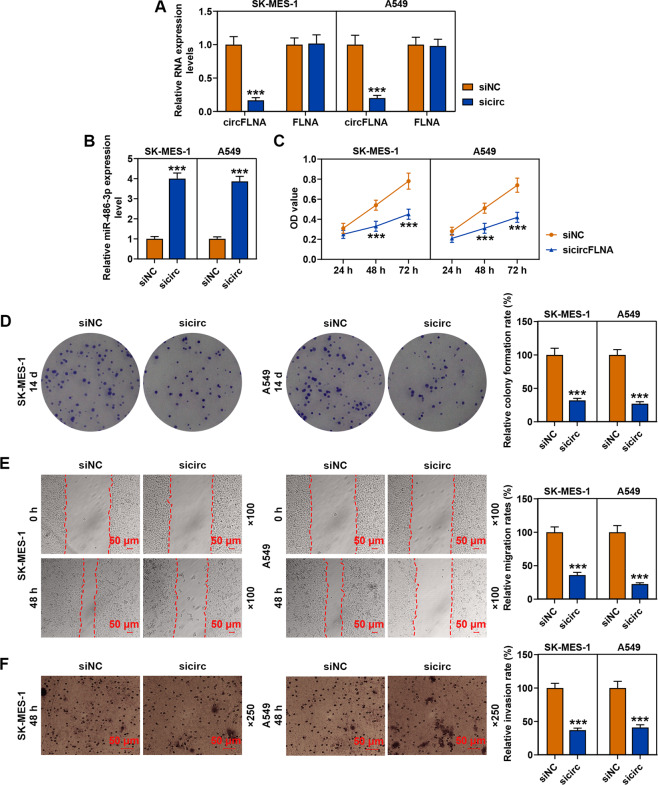
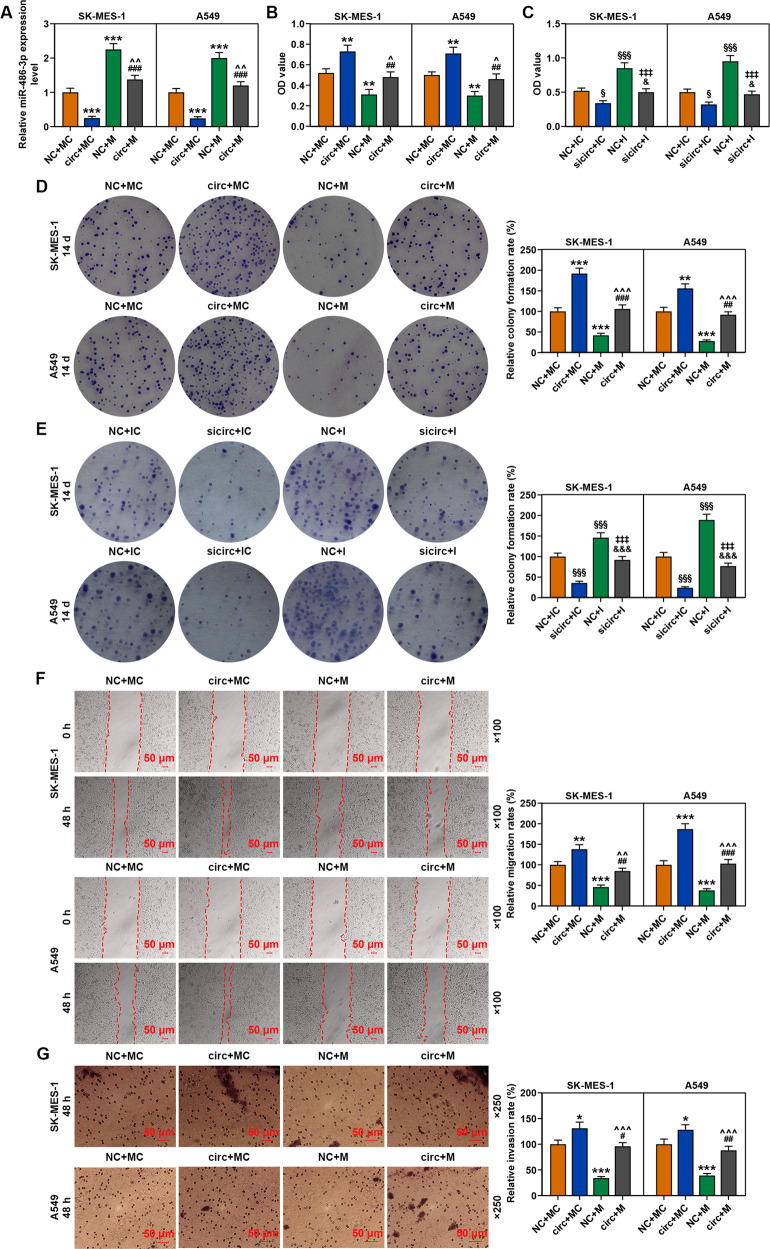
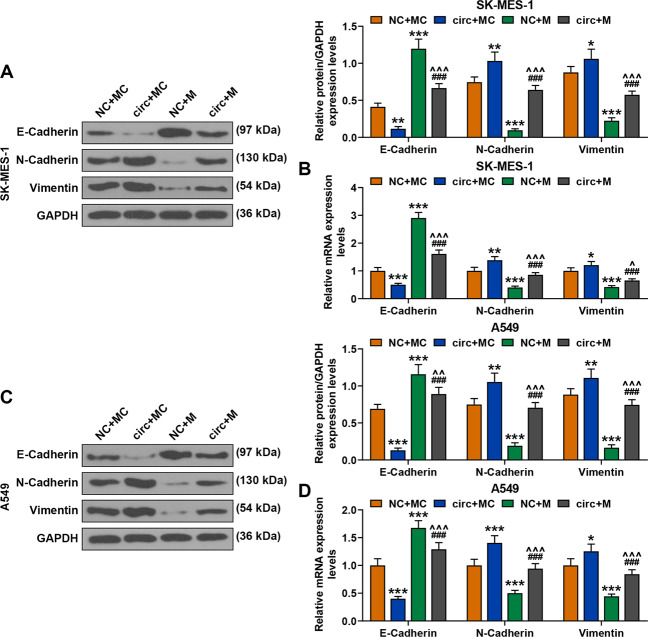
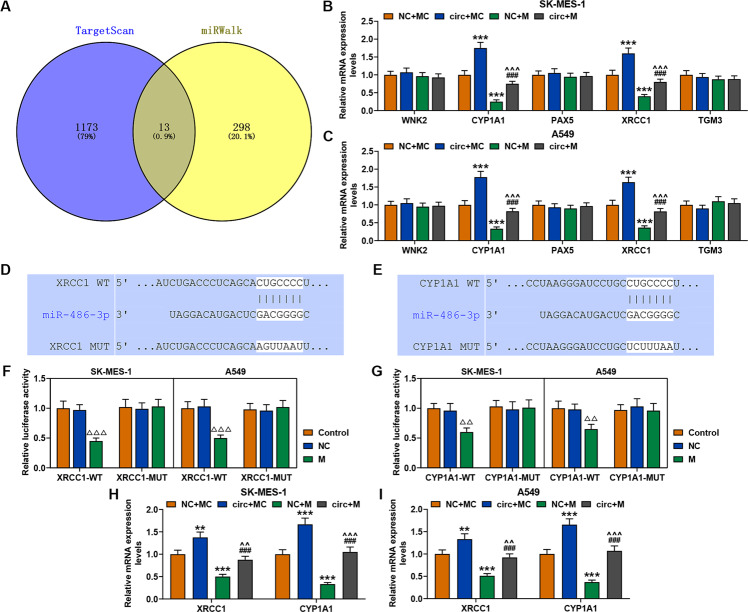
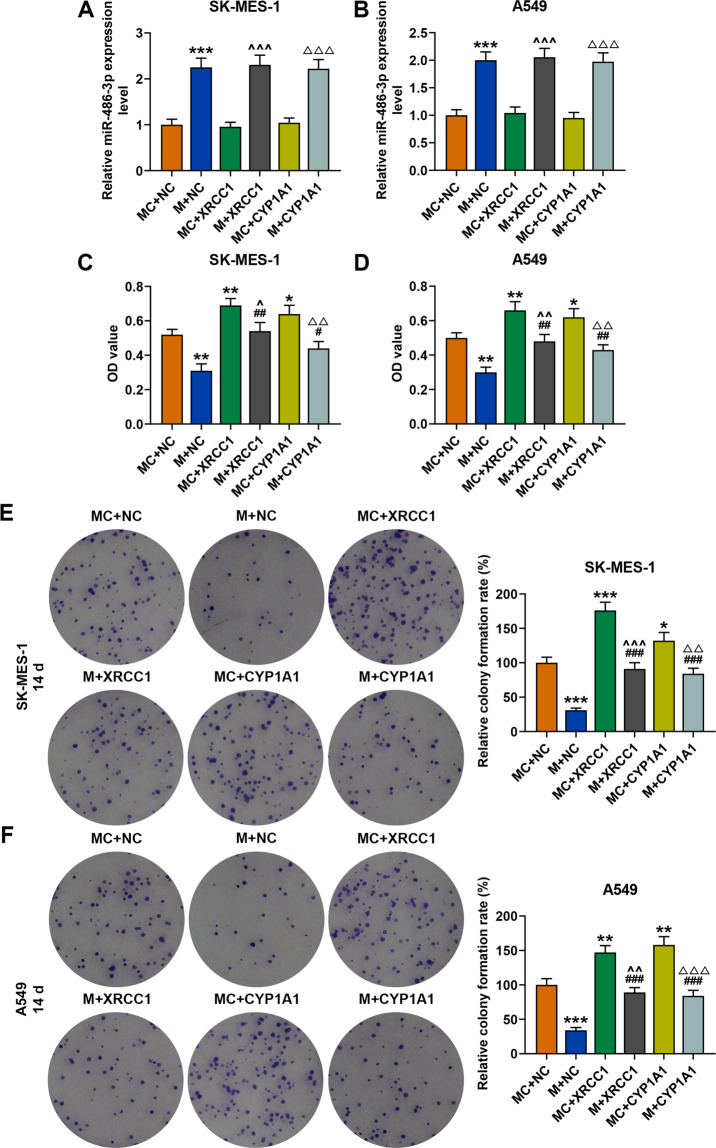
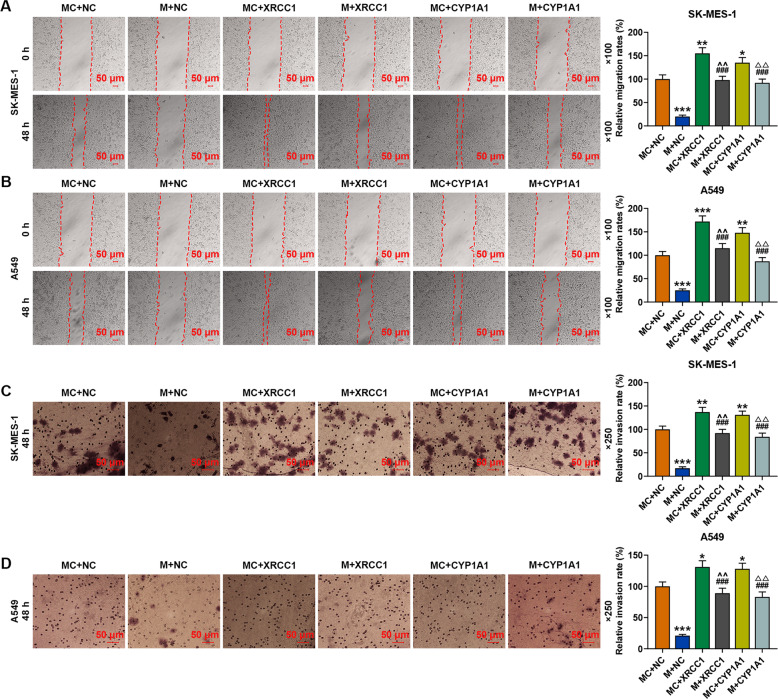
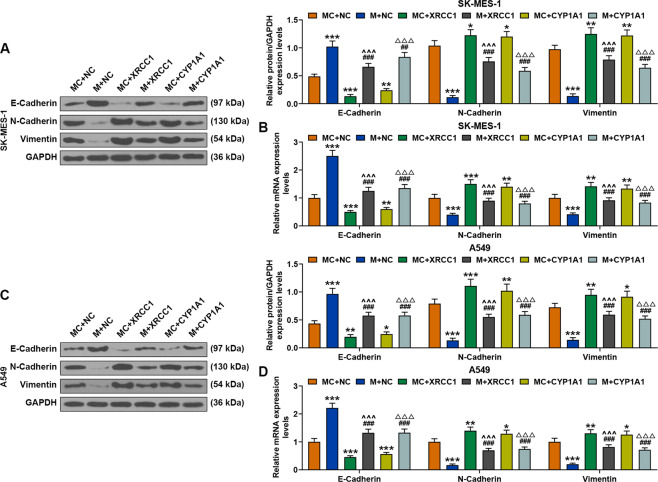
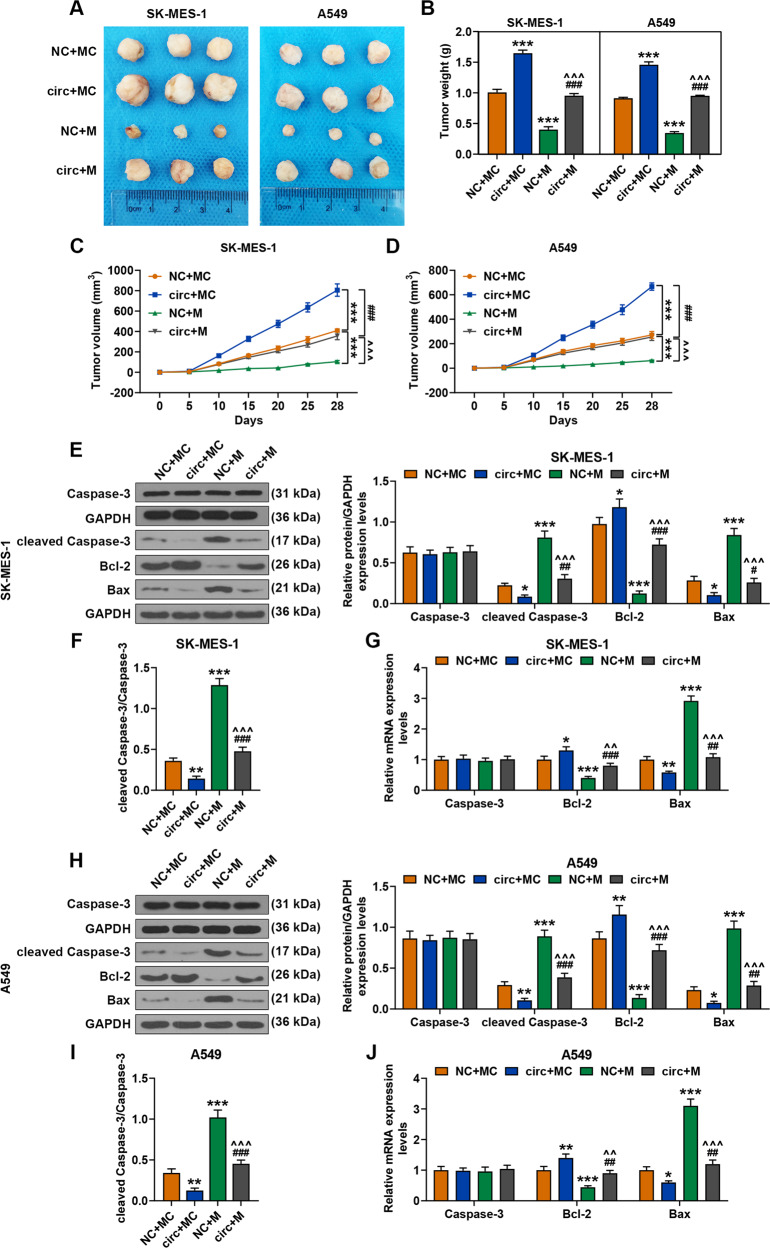
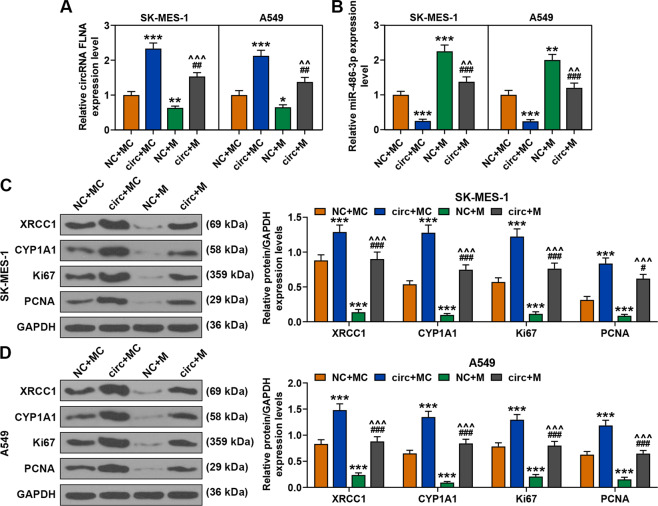
Significantly high-expressed circFLNA has been found in various cancer cell lines, but not in lung cancer. Therefore, this study aimed to explore the role of circFLNA in the progression of lung cancer. The target gene of circFLNA was determined by bioinformatics and luciferase reporter assay. Viability, proliferation, migration, and invasion of the transfected cells were detected by CCK-8, colony formation, wound-healing, and transwell assays, respectively. A mouse subcutaneous xenotransplanted tumor model was established, and the expressions of circFLNA, miR-486-3p, XRCC1, CYP1A1, and related genes in the cancer cells and tissues were detected by RT-qPCR, Western blot, or immunohistochemistry. The current study found that miR-486-3p was low-expressed in lung cancer. MiR-486-3p, which has been found to target XRCC1 and CYP1A1, was regulated by circFLNA. CircFLNA was located in the cytoplasm and had a high expression in lung cancer cells. Cancer cell viability, proliferation, migration, and invasion were promoted by overexpressed circFLNA, XRCC1, and CYP1A1 but inhibited by miR-486-3p mimic and circFLNA knockdown. The weight of the xenotransplanted tumor was increased by circFLNA overexpression yet reduced by miR-486-3p mimic. Furthermore, miR-486-3p mimic reversed the effect of circFLNA overexpression on promoting lung cancer cells and tumors and regulating the expressions of miR-486-3p, XRCC1, CYP1A1, and metastasis/apoptosis/proliferation-related factors. However, overexpressed XRCC1 and CYP1A1 reversed the inhibitory effect of miR-486-3p mimic on cancer cells and tumors. In conclusion, circFLNA acted as a sponge of miR-486-3p to promote the proliferation, migration, and invasion of lung cancer cells in vitro and in vivo by regulating XRCC1 and CYP1A1.
circFLNA 在各种癌细胞系中表达水平较高,但在肺癌中不表达。因此,本研究旨在探讨 circFLNA 在肺癌进展中的作用。通过生物信息学和荧光素酶报告基因实验确定 circFLNA 的靶基因。通过 CCK-8、集落形成、划痕愈合和 Transwell 实验分别检测转染细胞的活力、增殖、迁移和侵袭能力。建立小鼠皮下移植瘤模型,通过 RT-qPCR、Western blot 或免疫组化检测癌细胞和组织中 circFLNA、miR-486-3p、XRCC1、CYP1A1 及相关基因的表达。本研究发现 miR-486-3p 在肺癌中低表达。miR-486-3p 已被发现靶向 XRCC1 和 CYP1A1,受 circFLNA 调控。circFLNA 位于细胞质中,在肺癌细胞中高表达。过表达 circFLNA、XRCC1 和 CYP1A1 促进癌细胞活力、增殖、迁移和侵袭,而 miR-486-3p 模拟物和 circFLNA 敲低则抑制这些过程。circFLNA 过表达增加了异种移植瘤的重量,而 miR-486-3p 模拟物则减轻了这种作用。此外,miR-486-3p 模拟物逆转了 circFLNA 过表达对促进肺癌细胞和肿瘤以及调节 miR-486-3p、XRCC1、CYP1A1 和转移/凋亡/增殖相关因子表达的作用。然而,过表达的 XRCC1 和 CYP1A1 逆转了 miR-486-3p 模拟物对癌细胞和肿瘤的抑制作用。综上所述,circFLNA 作为 miR-486-3p 的海绵,通过调节 XRCC1 和 CYP1A1 促进肺癌细胞在体外和体内的增殖、迁移和侵袭。