Affiliated Cancer Hospital & Institute of Guangzhou Medical University, Guangzhou 510095, China.
Guangzhou Municipal and Guangdong Provincial Key Laboratory of Protein Modification and Degradation; State Key Laboratory of Respiratory Disease; School of Basic Medical Sciences, Guangzhou Medical University, Guangzhou 511436, China.
Theranostics. 2021 Jan 1;11(5):2364-2380. doi: 10.7150/thno.47996. eCollection 2021.
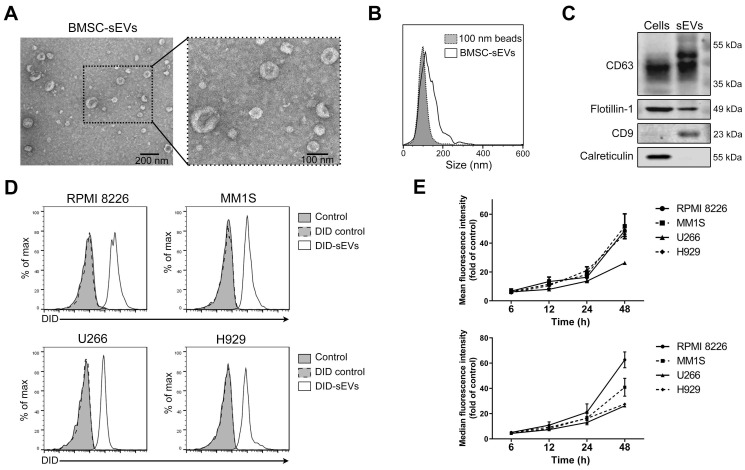
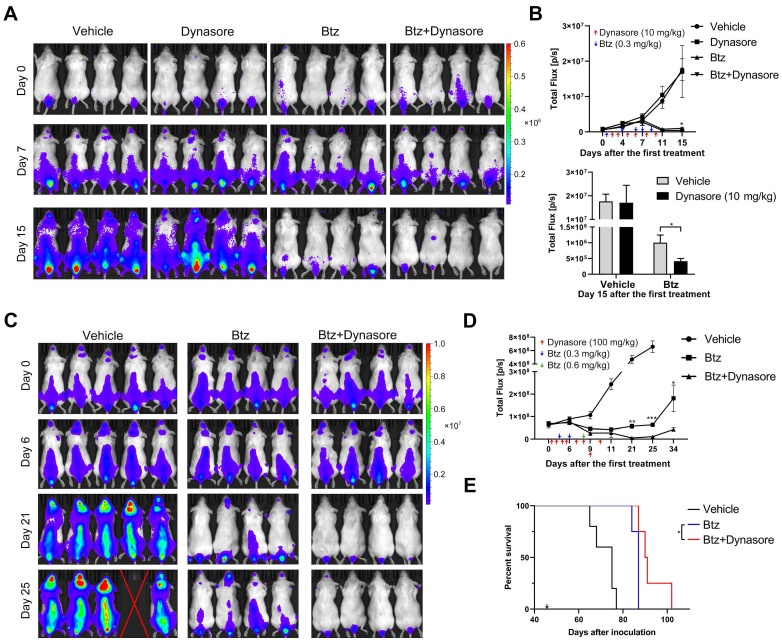
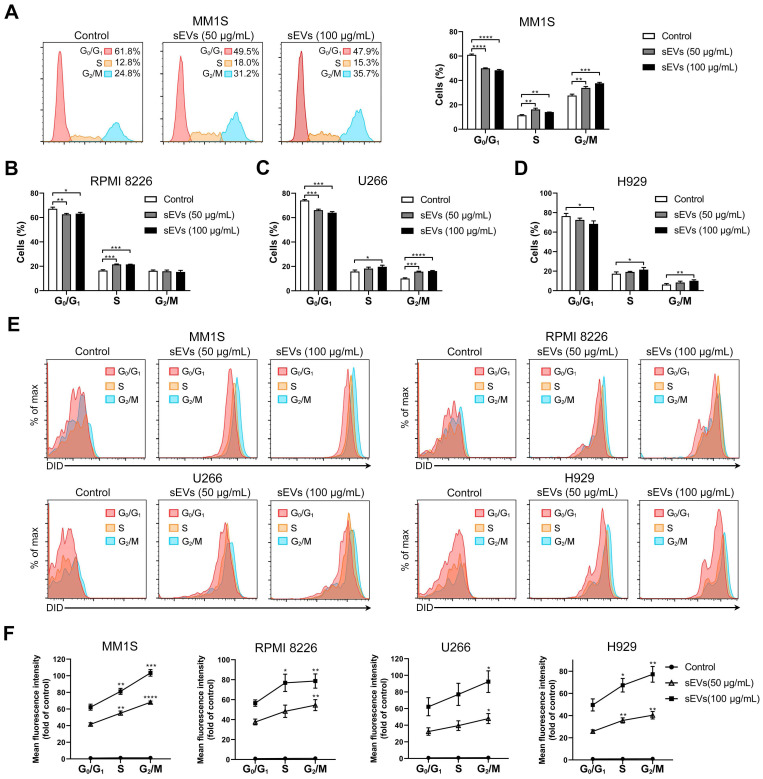
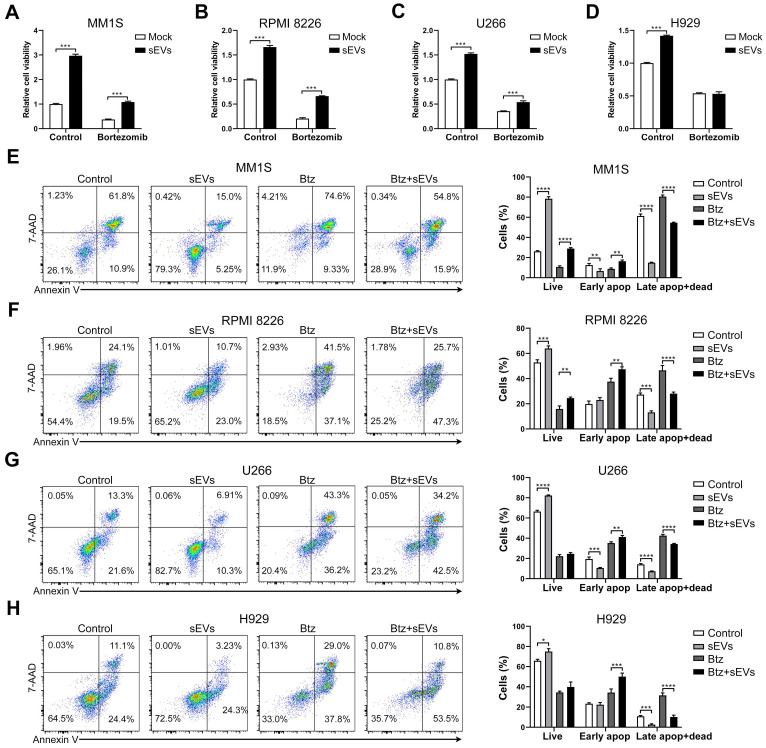
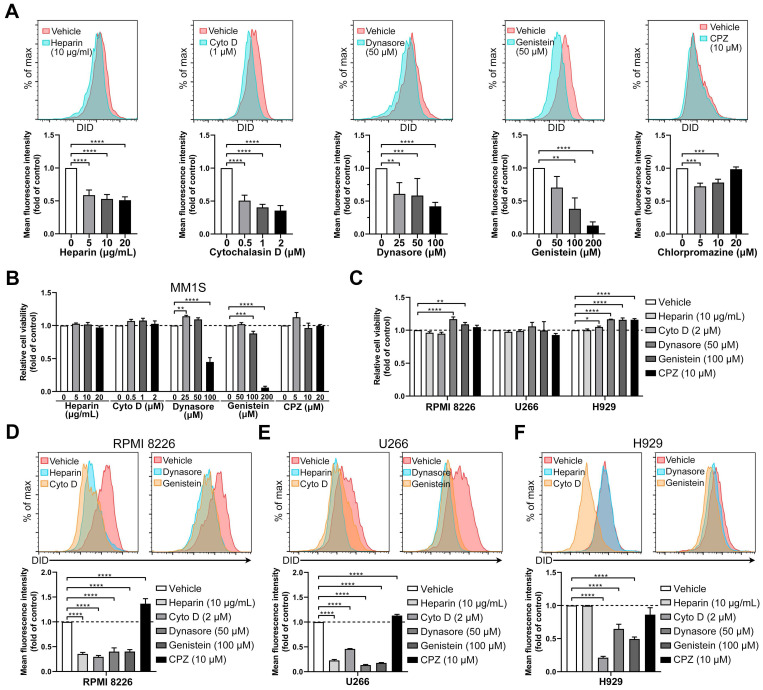
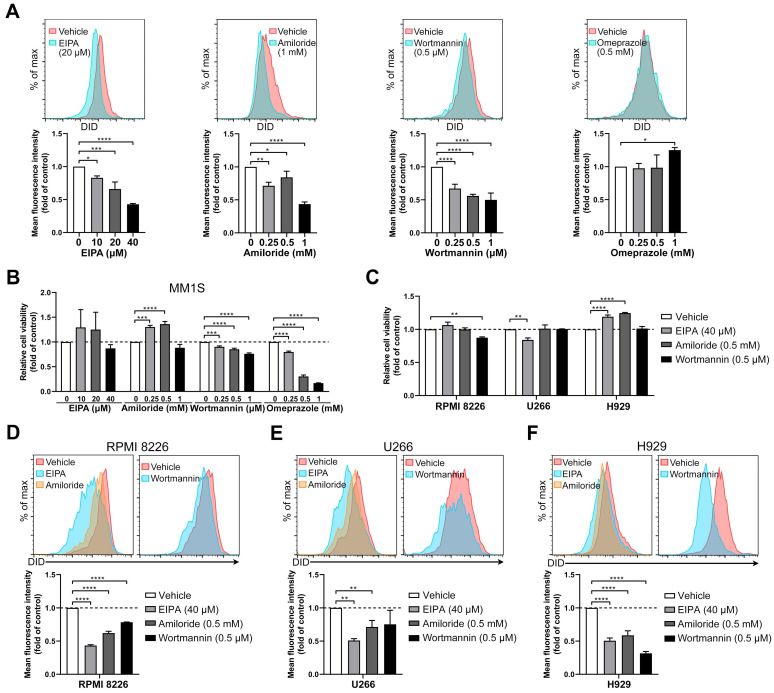
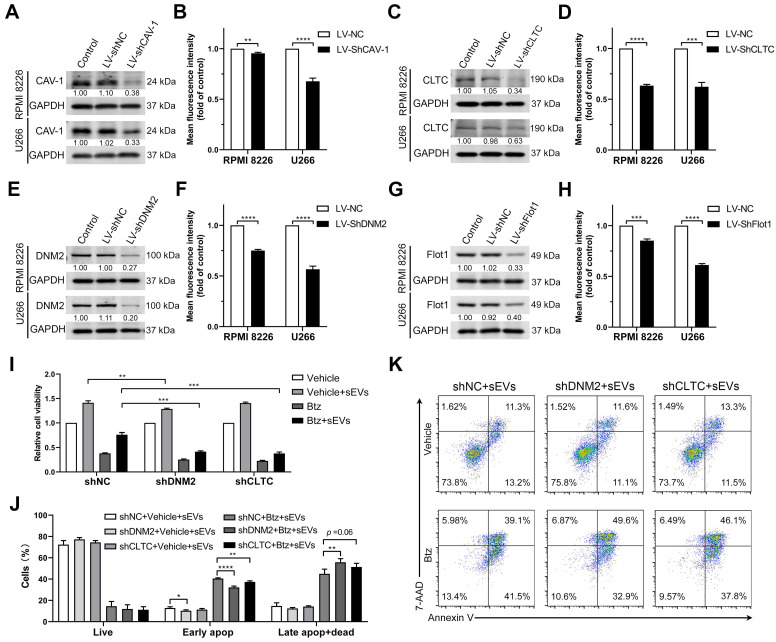
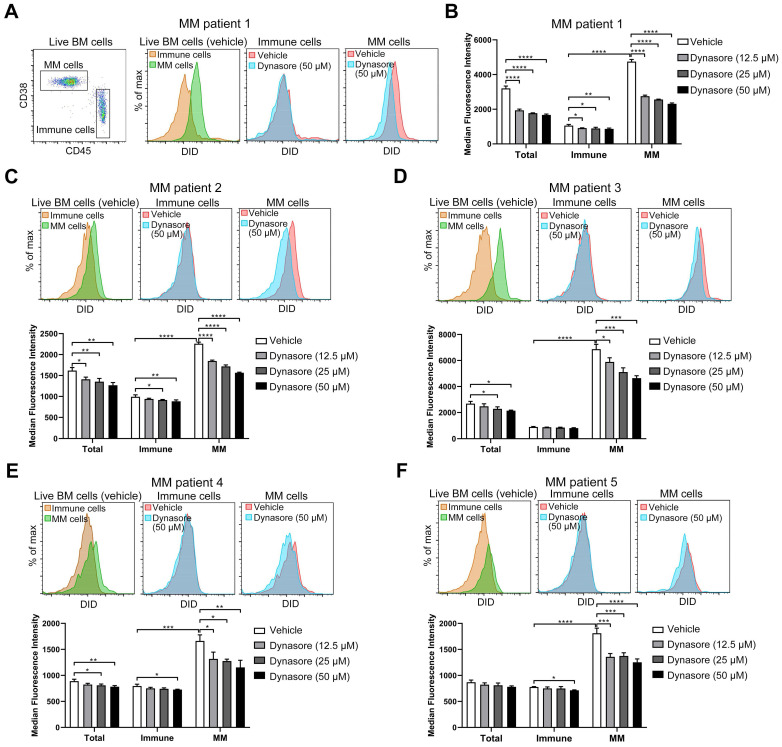
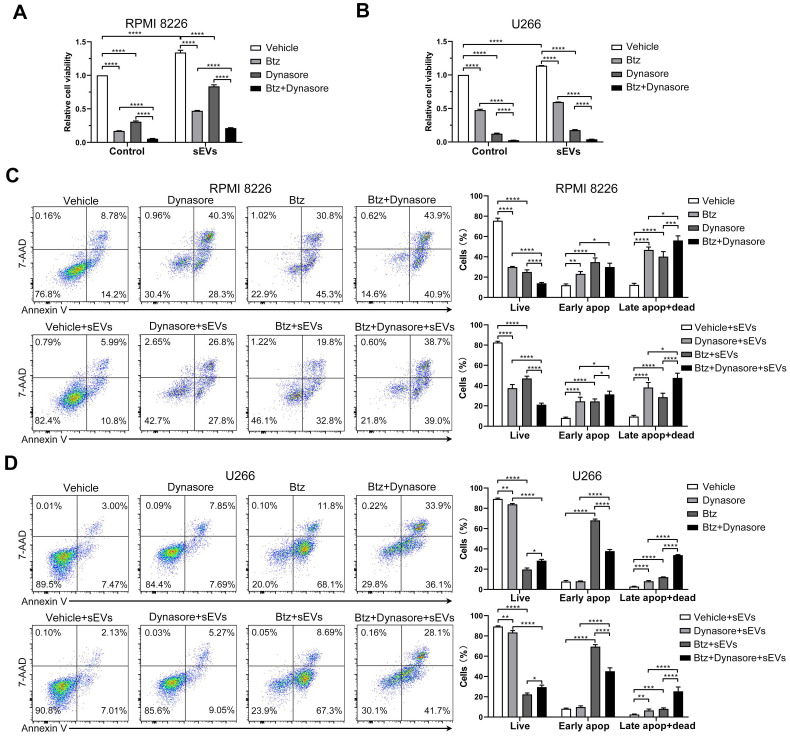
Extracellular vesicles (EVs), including exosomes and microvesicles, derived from bone marrow stromal cells (BMSCs) have been demonstrated as key factors in the progression and drug resistance of multiple myeloma (MM). EV uptake involves a variety of mechanisms which largely depend on the vesicle origin and recipient cell type. The aim of the present study was to identify the mechanisms involved in the uptake of BMSC-derived small EVs (sEVs) by MM cells, and to evaluate the anti-MM effect of targeting this process. Human BMSC-derived sEVs were identified by transmission electron microscopy, nanoparticle tracking analysis, and western blot. The effects of chemical inhibitors and shRNA-mediated knockdown of endocytosis-associated genes on sEV uptake and cell apoptosis were analyzed by flow cytometry. The anti-MM effect of blocking sEV uptake was evaluated and in a xenograft MM mouse model. sEVs derived from BMSC were taken up by MM cells in a time- and dose-dependent manner, and subsequently promoted MM cell cycling and reduced their chemosensitivity to bortezomib. Chemical endocytosis inhibitors targeting heparin sulphate proteoglycans, actin, tyrosine kinase, dynamin-2, sodium/proton exchangers, or phosphoinositide 3-kinases significantly reduced MM cell internalization of BMSC-derived sEVs. Moreover, shRNA-mediated knockdown of endocytosis-associated proteins, including caveolin-1, flotillin-1, clathrin heavy chain, and dynamin-2 in MM cells suppressed sEV uptake. Furthermore, an endocytosis inhibitor targeting dynamin-2 preferentially suppressed the uptake of sEV by primary MM cells and enhanced the anti-MM effects of bortezomib and in a mouse model. Clathrin- and caveolin-dependent endocytosis and macropinocytosis are the predominant routes of sEV-mediated communication between BMSCs and MM cells, and inhibiting endocytosis attenuates sEV-induced reduction of chemosensitivity to bortezomib, and thus enhances its anti-MM properties.
细胞外囊泡(EVs),包括外泌体和微囊泡,来源于骨髓基质细胞(BMSCs),被证明是多发性骨髓瘤(MM)进展和耐药的关键因素。EV 的摄取涉及多种机制,这些机制在很大程度上取决于囊泡的来源和受体细胞类型。本研究的目的是确定 MM 细胞摄取 BMSC 来源的小细胞外囊泡(sEVs)所涉及的机制,并评估靶向该过程的抗 MM 效果。 通过透射电子显微镜、纳米颗粒跟踪分析和 Western blot 鉴定人 BMSC 来源的 sEVs。通过流式细胞术分析化学抑制剂和内吞相关基因 shRNA 介导的敲低对 sEV 摄取和细胞凋亡的影响。在异种 MM 小鼠模型中评估阻断 sEV 摄取的抗 MM 效果。 BMSC 来源的 sEVs 以时间和剂量依赖的方式被 MM 细胞摄取,随后促进 MM 细胞周期并降低其对硼替佐米的化疗敏感性。针对硫酸乙酰肝素蛋白聚糖、肌动蛋白、酪氨酸激酶、胞质动力蛋白-2、钠/质子交换器或磷酸肌醇 3-激酶的化学内吞抑制剂显著减少 MM 细胞对 BMSC 来源的 sEV 的内化。此外,MM 细胞中内吞相关蛋白(包括 caveolin-1、flotillin-1、网格蛋白重链和 dynamin-2)的 shRNA 介导的敲低抑制了 sEV 的摄取。此外,一种针对 dynamin-2 的内吞抑制剂优先抑制 sEV 被原代 MM 细胞摄取,并增强硼替佐米的抗 MM 作用和在小鼠模型中。 网格蛋白和小窝蛋白依赖性内吞作用和巨胞饮作用是 BMSCs 和 MM 细胞之间 sEV 介导通讯的主要途径,抑制内吞作用可减弱 sEV 诱导的硼替佐米化疗敏感性降低,从而增强其抗 MM 特性。