The Institute for Tropical Medicine, Kunming Medical University, Kunming, 650500, Yunnan, China.
Department of Biochemistry and Molecular Biology, Kunming Medical University, Kunming, 650500, Yunnan, China.
Stem Cell Res Ther. 2021 Jan 30;12(1):95. doi: 10.1186/s13287-021-02172-5.
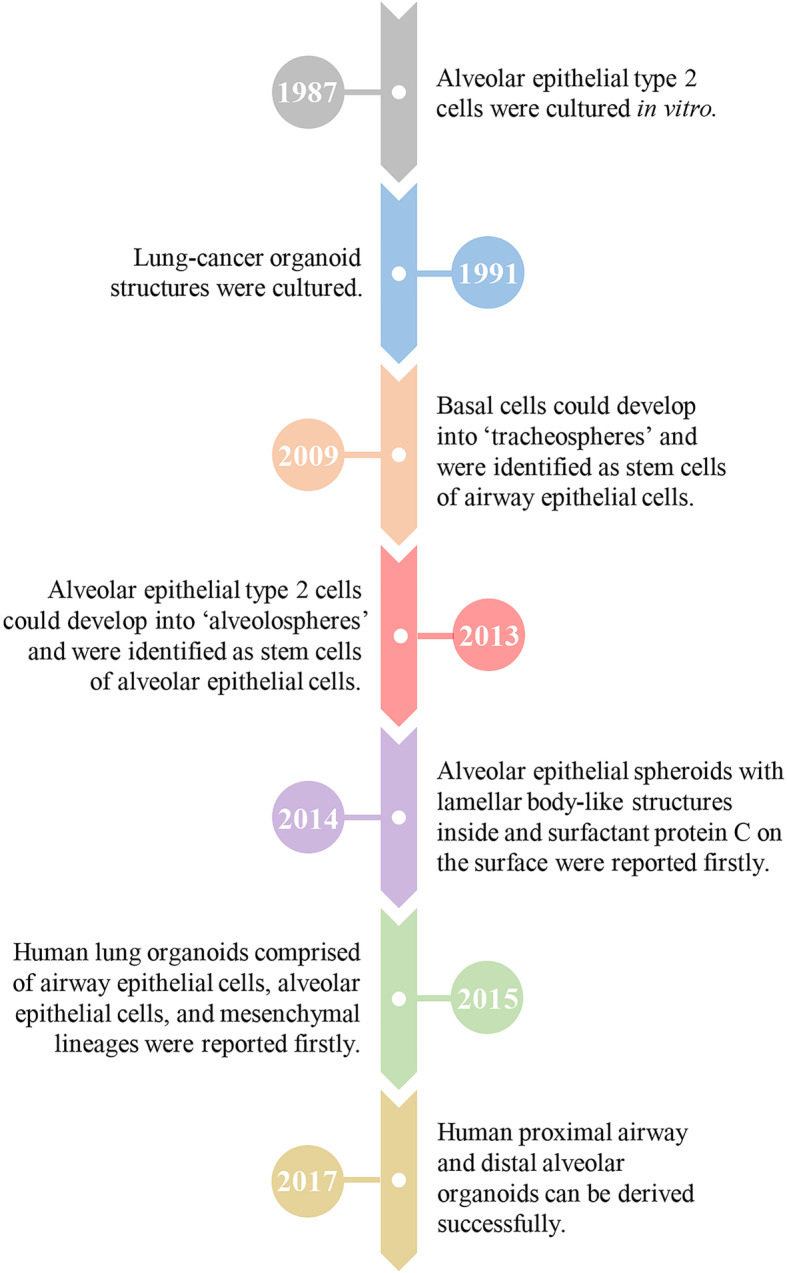
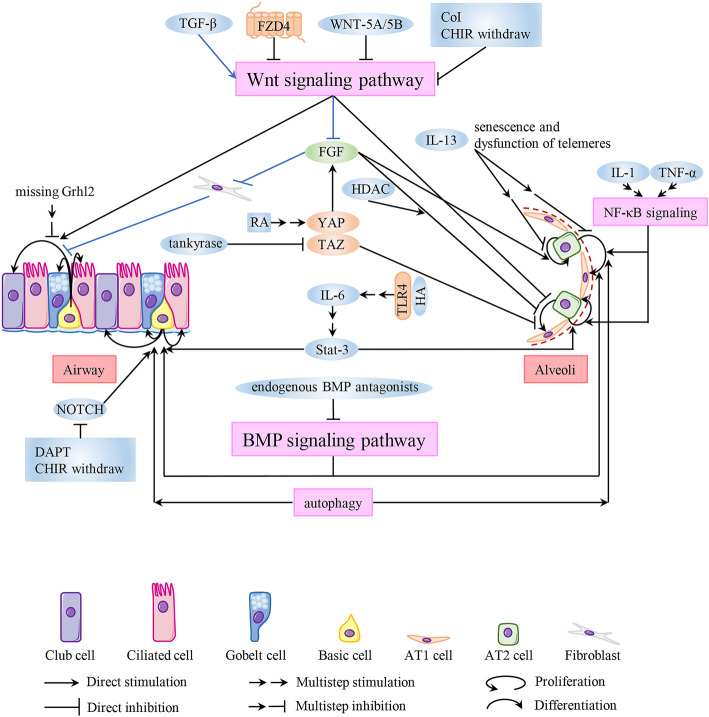
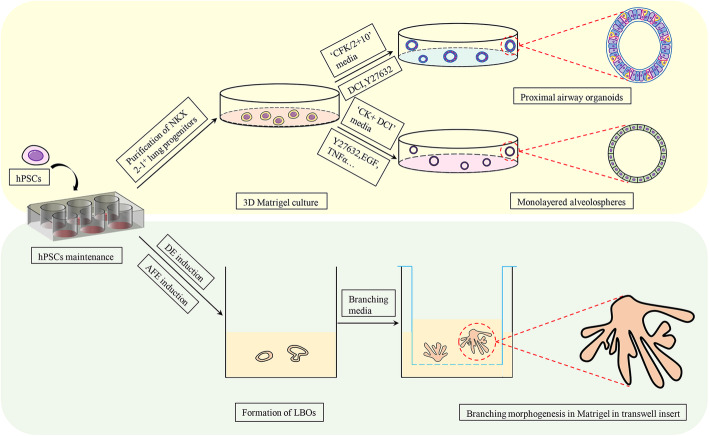
Organoids are derived from stem cells or organ-specific progenitors. They display structures and functions consistent with organs in vivo. Multiple types of organoids, including lung organoids, can be generated. Organoids are applied widely in development, disease modelling, regenerative medicine, and other multiple aspects. Various human pulmonary diseases caused by several factors can be induced and lead to different degrees of lung epithelial injury. Epithelial repair involves the participation of multiple cells and signalling pathways. Lung organoids provide an excellent platform to model injury to and repair of lungs. Here, we review the recent methods of cultivating lung organoids, applications of lung organoids in epithelial repair after injury, and understanding the mechanisms of epithelial repair investigated using lung organoids. By using lung organoids, we can discover the regulatory mechanisms related to the repair of lung epithelia. This strategy could provide new insights for more effective management of lung diseases and the development of new drugs.
类器官源自于干细胞或特定器官的祖细胞。它们表现出与体内器官一致的结构和功能。可以生成多种类型的类器官,包括肺类器官。类器官广泛应用于发育、疾病建模、再生医学等多个方面。多种由多种因素引起的人类肺部疾病可以被诱导,导致不同程度的肺上皮损伤。上皮修复涉及多种细胞和信号通路的参与。肺类器官为模拟肺损伤和修复提供了一个极好的平台。在这里,我们综述了肺类器官培养的最新方法、肺类器官在损伤后上皮修复中的应用,以及利用肺类器官研究上皮修复机制的研究进展。通过使用肺类器官,我们可以发现与肺上皮修复相关的调控机制。这种策略可以为更有效地管理肺部疾病和开发新药提供新的见解。