Han Yeqing, Huang Xinduo, Wang Yu, Du Jing, Ma Kaixuan, Chen Yue, Li Naisheng, Zhang Zhiguo, Pan Jiao
Ministry of Education Key Laboratory of Molecular Microbiology and Technology, Department of Microbiology, College of Life Sciences, Nankai University, Tianjin, China.
Chinese Academy of Cultural Heritage, Beijing, China.
Front Microbiol. 2021 Jan 15;11:609475. doi: 10.3389/fmicb.2020.609475. eCollection 2020.
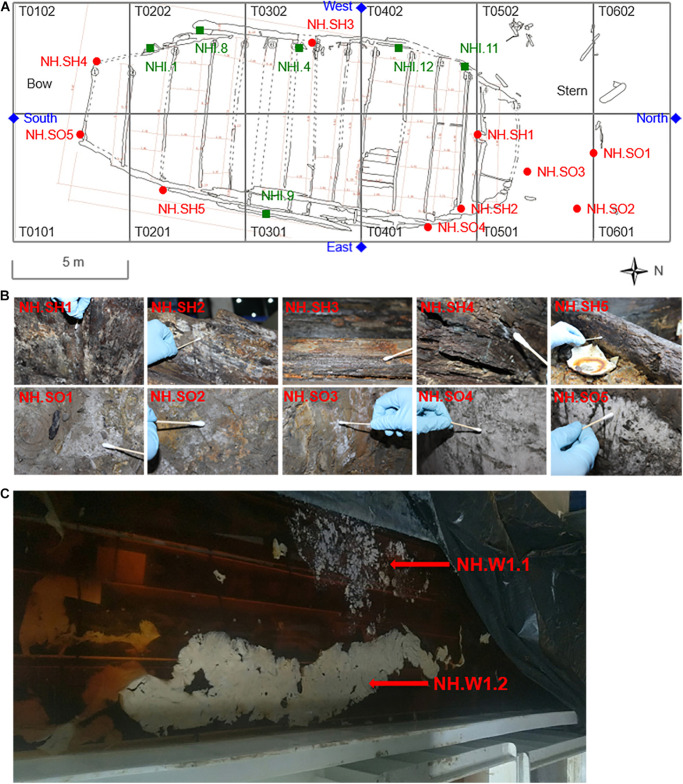
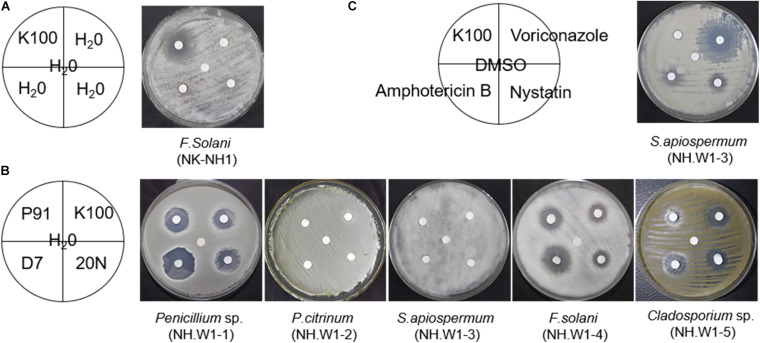
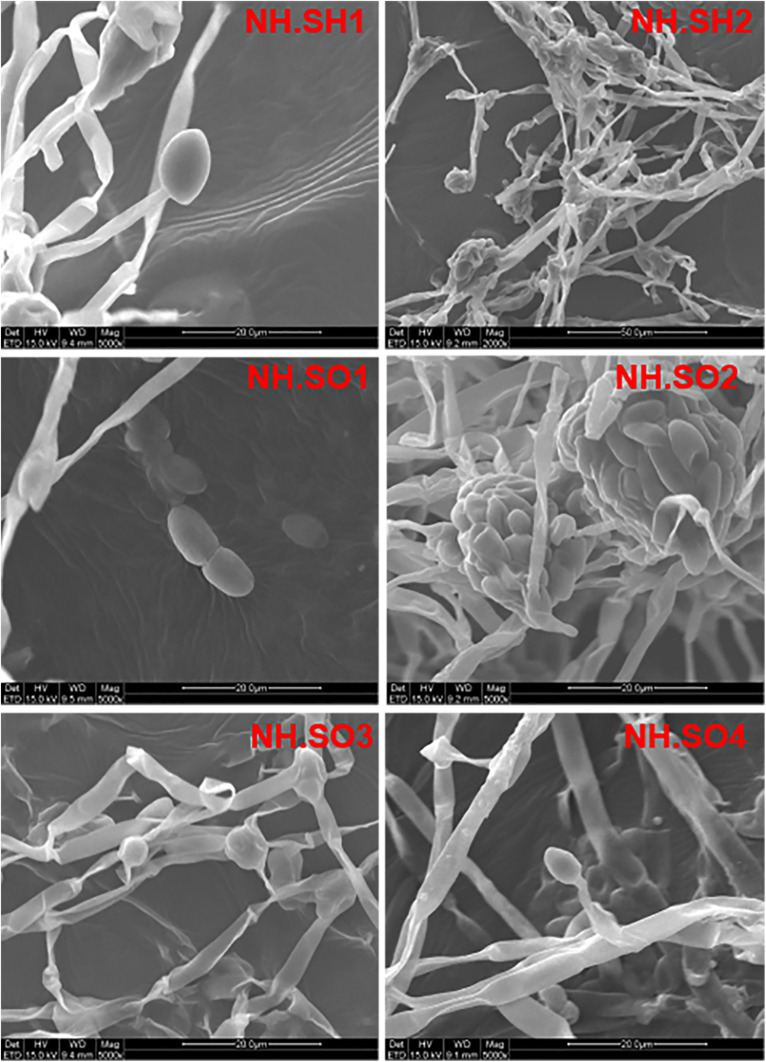
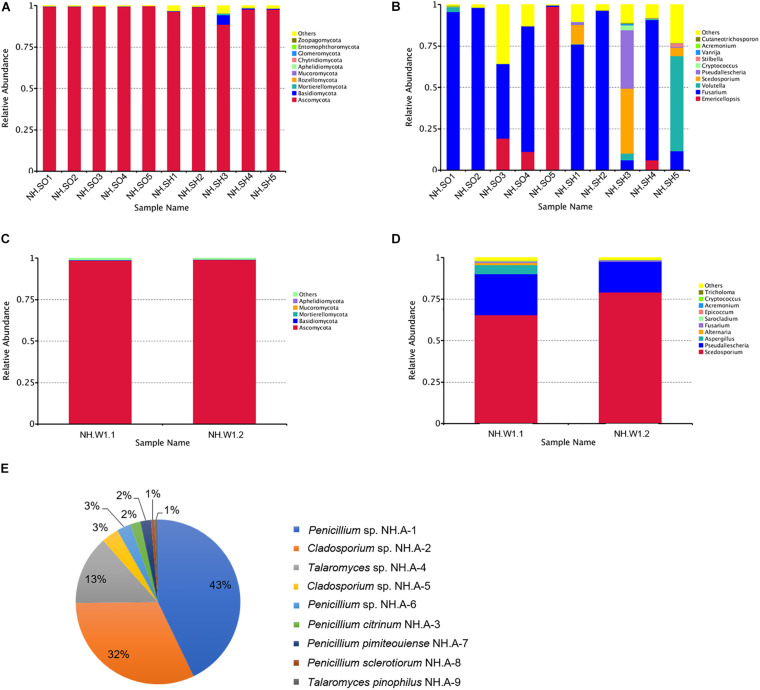
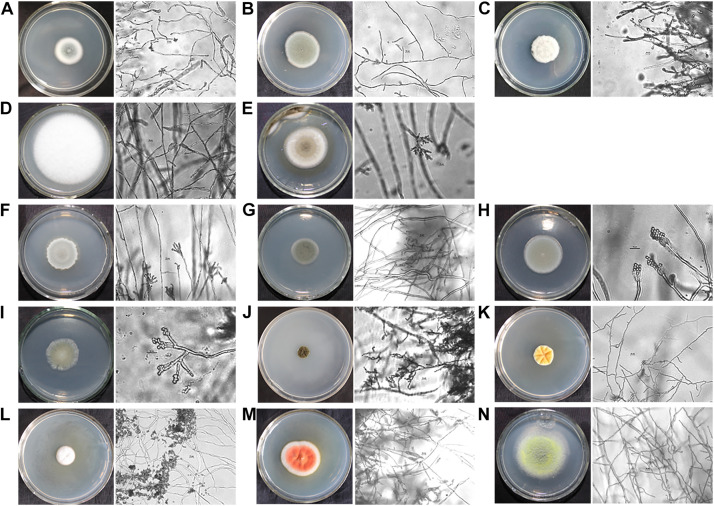
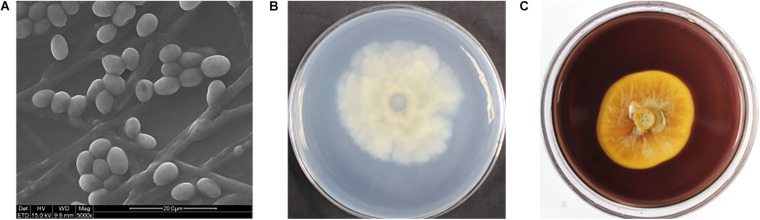
The Nanhai No. 1 shipwreck is a Chinese merchant ship in the Southern Song Dynasty, and now it is stored in a huge enclosed glass warehouse in Maritime Silk Road Museum in Guangdong Province. At present, the hull of the Nanhai No. 1 shipwreck is still being excavated, and a small part of the hull wood is soaked in a specific solution to desalt. Through long-term exploration, we found that the above two states of hull wood had undergone biodeterioration, so the purpose of this study is to analyze the fungal community of exposed and soaked wood from the Nanhai No. 1 shipwreck. We sampled 10 exposed hull wood and sea mud samples, two wood storage water samples, and air samples in the glass warehouse. We used scanning electron microscope and optical microscope to find that there were obvious fungal structures in exposed wood and wood storing water samples. High-throughput sequencing of fungi revealed that the most abundant genera in exposed and soaked wood were sp., and sp., respectively. In addition, and were successfully isolated from the hull wood surface and wood storing water samples, and the degradation tests of lignin and cellulose, the sensitivity tests of biocides and growth curve assay were carried out. We also found that sp. and sp. are the most abundant in the glass warehouse air. Our research results show that and should be regarded as a major threat to the preservation of the Nanhai No. 1 shipwreck. These results provide a reference for our protection of shipwrecks and other similar artifacts.
南海一号沉船是一艘南宋时期的中国商船,现存放于广东省海上丝绸之路博物馆一个巨大的封闭式玻璃仓库中。目前,南海一号沉船的船体仍在发掘中,船体木材的一小部分浸泡在特定溶液中进行脱盐处理。通过长期探索,我们发现船体木材的上述两种状态都发生了生物劣化,因此本研究的目的是分析南海一号沉船暴露木材和浸泡木材的真菌群落。我们采集了10个暴露的船体木材和海泥样本、两份木材储存水样以及玻璃仓库中的空气样本。我们使用扫描电子显微镜和光学显微镜发现,暴露木材和木材储存水样中存在明显的真菌结构。真菌的高通量测序显示,暴露木材和浸泡木材中最丰富的属分别是sp.和sp.。此外,从船体木材表面和木材储存水样中成功分离出了 和 ,并进行了木质素和纤维素降解试验、杀菌剂敏感性试验以及生长曲线测定。我们还发现玻璃仓库空气中sp.和sp.最为丰富。我们的研究结果表明, 和 应被视为对南海一号沉船保存的主要威胁。这些结果为我们保护沉船及其他类似文物提供了参考。