UW Medicine Diabetes Institute, Department of Medicine, University of Washington, Seattle, United States.
Department of Neurosurgery, Barrow Neurological Institute, Phoenix, United States.
Elife. 2021 Feb 2;10:e63671. doi: 10.7554/eLife.63671.
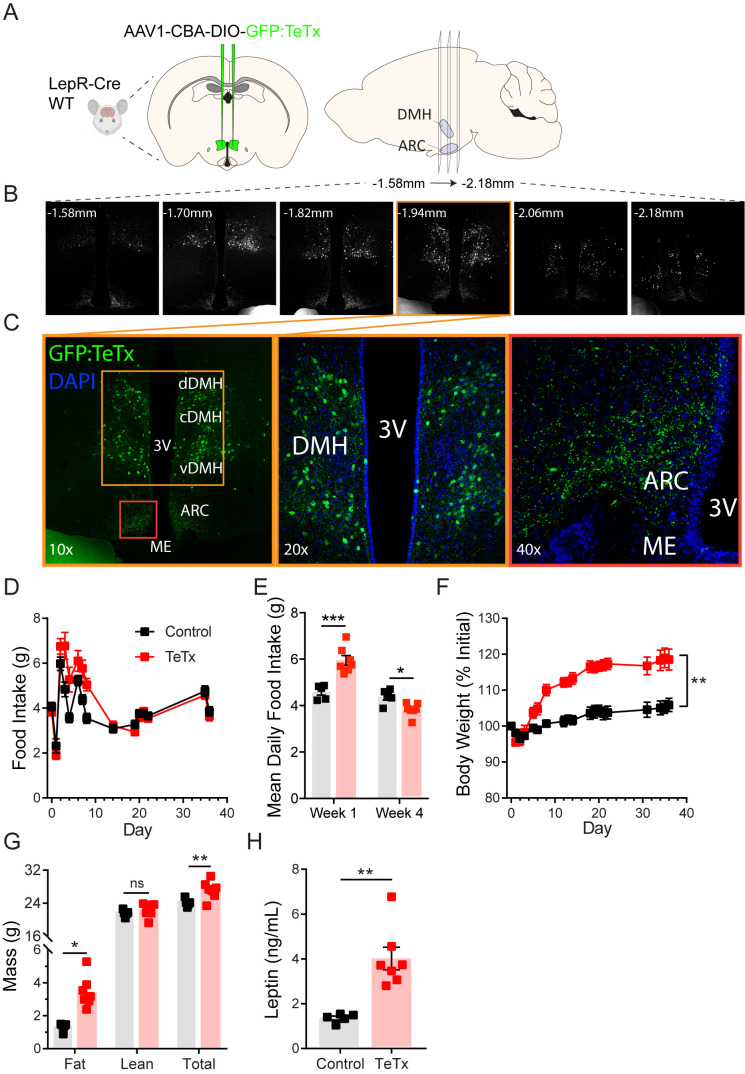
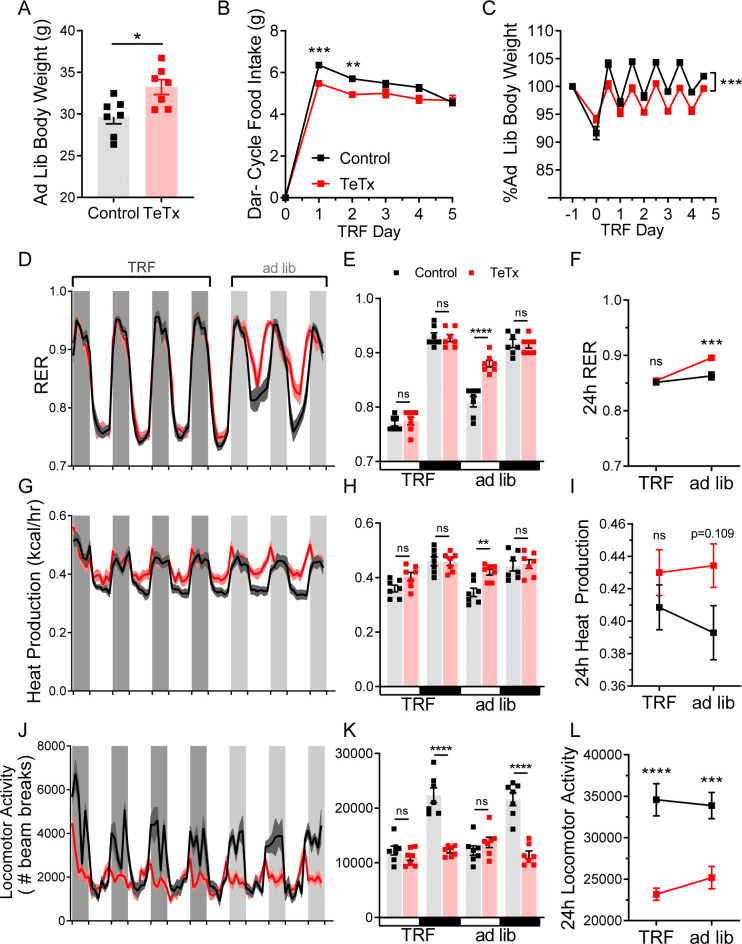
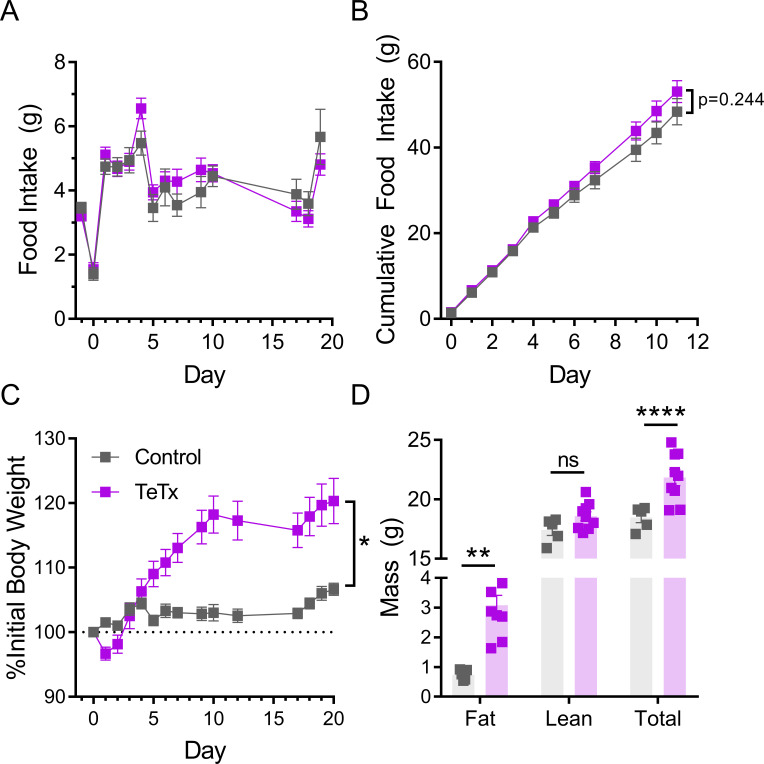
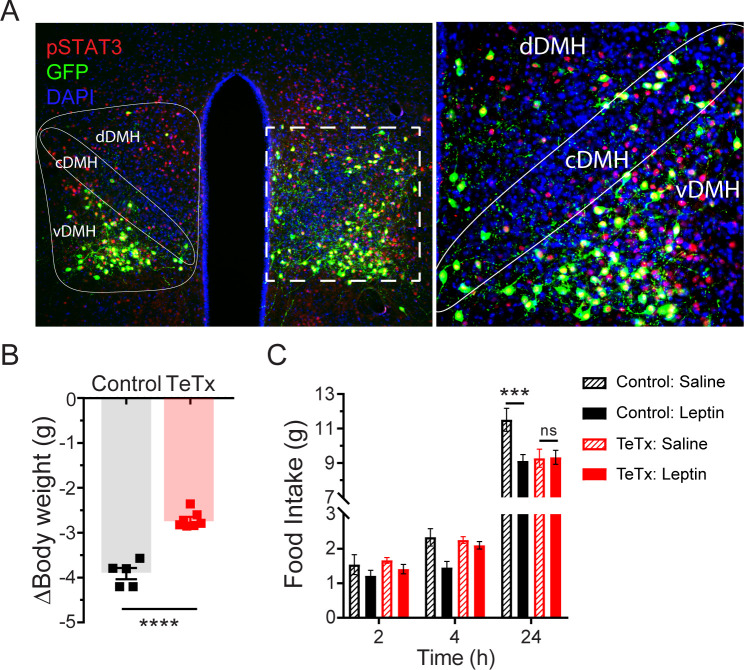
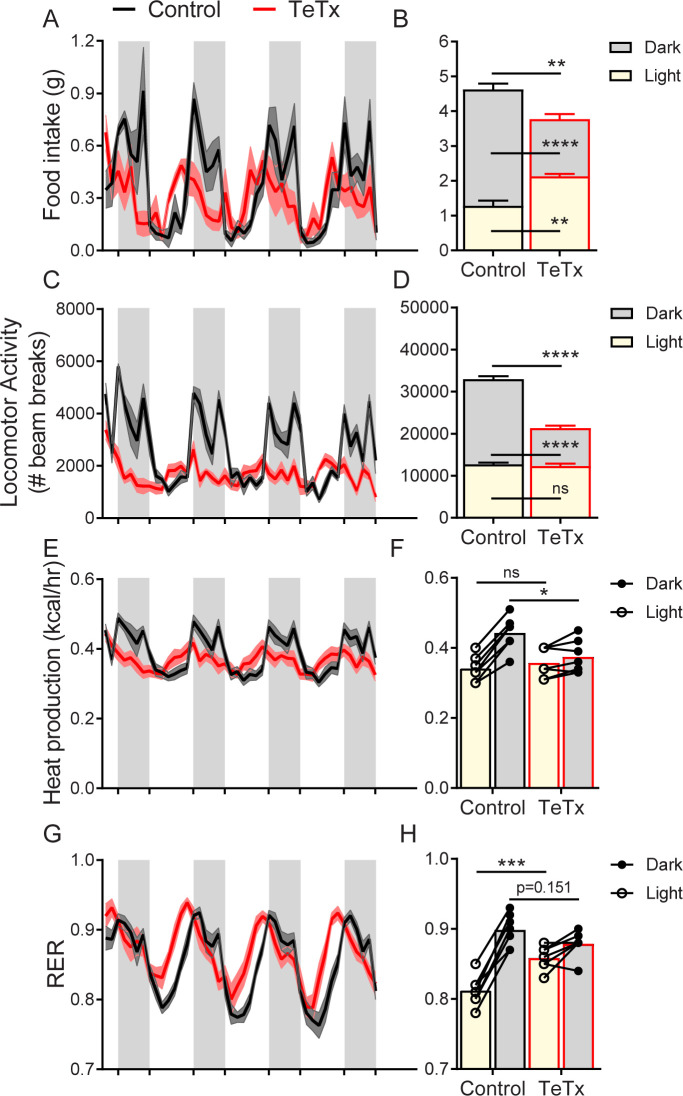
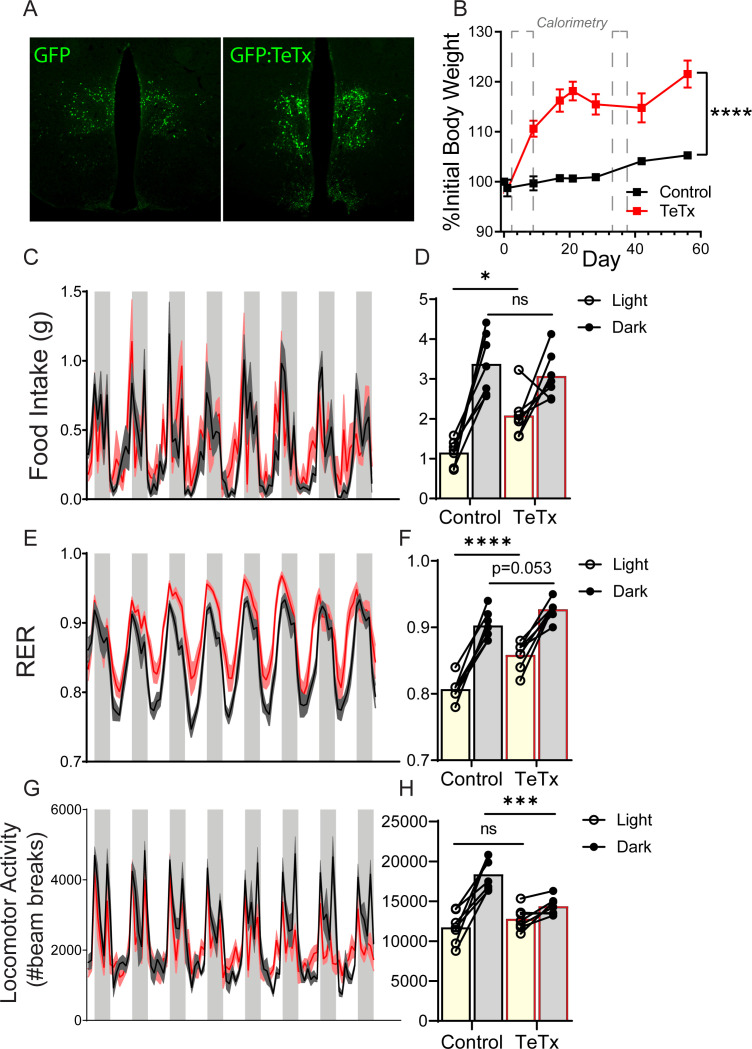
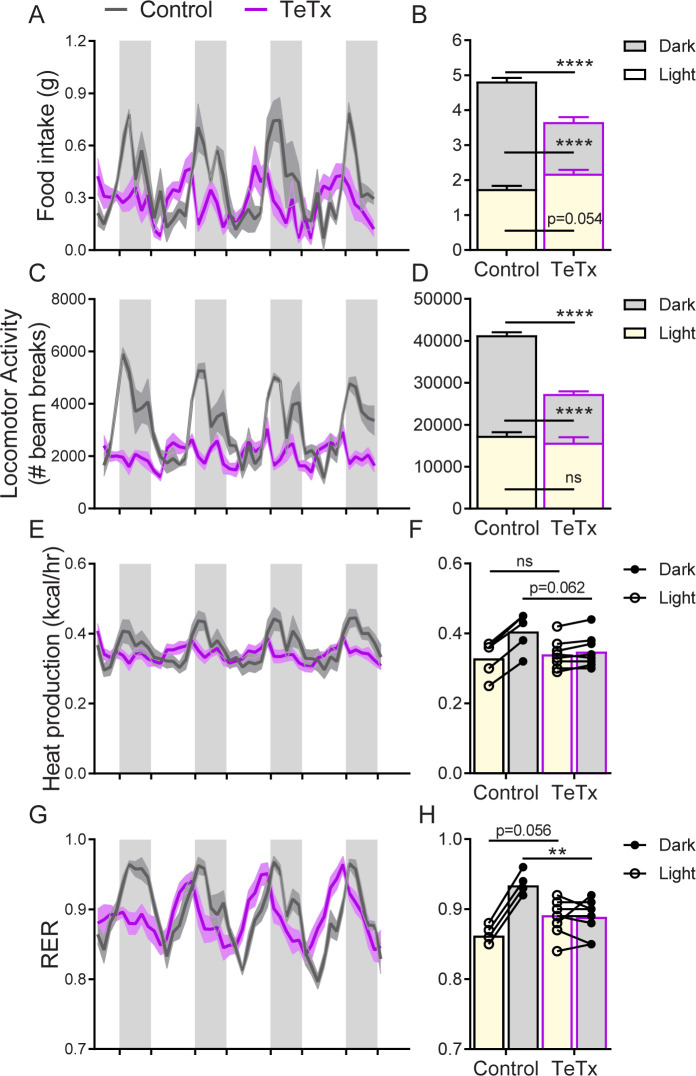
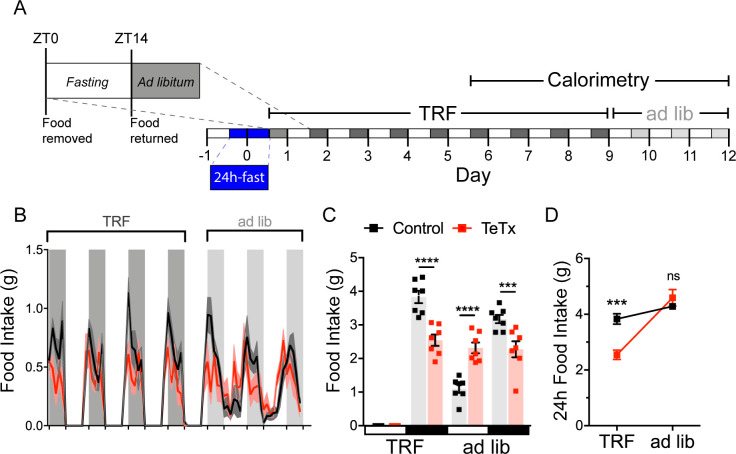
The brain plays an essential role in driving daily rhythms of behavior and metabolism in harmony with environmental light-dark cycles. Within the brain, the dorsomedial hypothalamic nucleus (DMH) has been implicated in the integrative circadian control of feeding and energy homeostasis, but the underlying cell types are unknown. Here, we identify a role for DMH leptin receptor-expressing (DMH) neurons in this integrative control. Using a viral approach, we show that silencing neurotransmission in DMH neurons in adult mice not only increases body weight and adiposity but also phase-advances diurnal rhythms of feeding and metabolism into the light cycle and abolishes the normal increase in dark-cycle locomotor activity characteristic of nocturnal rodents. Finally, DMH-silenced mice fail to entrain to a restrictive change in food availability. Together, these findings identify DMH neurons as critical determinants of the daily time of feeding and associated metabolic rhythms.
大脑在与环境明暗周期协调的行为和代谢的日常节律中起着至关重要的作用。在大脑中,背内侧下丘脑核(DMH)被牵连到进食和能量平衡的综合昼夜节律控制中,但潜在的细胞类型尚不清楚。在这里,我们确定了 DMH 瘦素受体表达(DMH)神经元在这种综合控制中的作用。使用病毒方法,我们表明,成年小鼠 DMH 神经元的神经传递沉默不仅会增加体重和体脂,还会将昼夜节律的进食和代谢节律提前到光照周期,并消除了夜行性啮齿动物在暗周期中正常增加的运动活动。最后,沉默 DMH 的小鼠无法适应食物供应的限制变化。总之,这些发现确定了 DMH 神经元是进食和相关代谢节律的日常时间的关键决定因素。