Department of Neurological Science, University of Nebraska Medical Center, Omaha, NE, United States.
Department of Neurological Science, University of Nebraska Medical Center, Omaha, NE, United States.
Epilepsy Behav. 2021 Mar;116:107740. doi: 10.1016/j.yebeh.2020.107740. Epub 2021 Feb 2.
To assess feasibility, patient satisfaction, and financial advantages of telemedicine for epilepsy ambulatory care during the current COVID-19 pandemic.
The demographic and clinical characteristics of all consecutive patients evaluated via telemedicine at a level 4 epilepsy center between March 20 and April 20, 2020 were obtained retrospectively from electronic medical records. A telephone survey to assess patient satisfaction and preferences was conducted within one month following the initial visit.
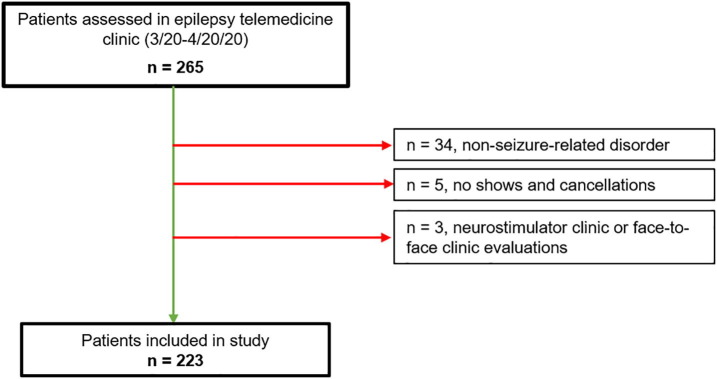
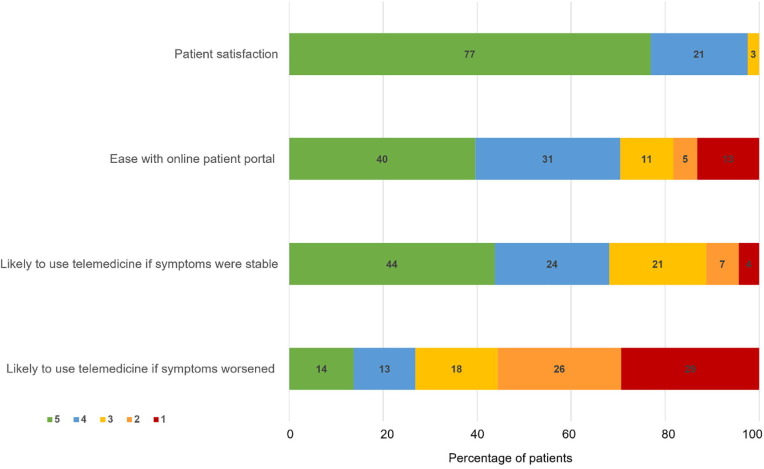
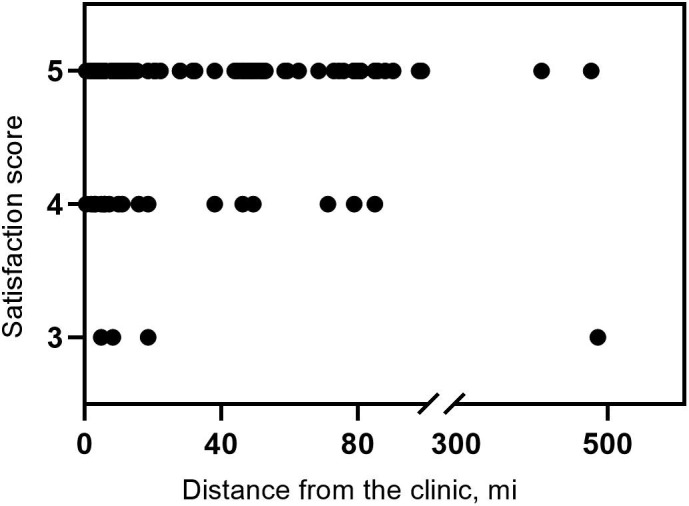
Among 223 telehealth patients, 85.7% used both synchronous audio and video technology. During the visits, 39% of patients had their anticonvulsants adjusted while 18.8% and 11.2% were referred to laboratory/diagnostic testing and specialty consults, respectively. In a post-visit survey, the highest degree of satisfaction with care was expressed by 76.9% of patients. The degree of satisfaction tended to increase the further a patient lived from the clinic (p = 0.05). Beyond the pandemic, 89% of patients reported a preference for continuing telemedicine if their epilepsy symptoms remained stable, while only 44.4% chose telemedicine should their symptoms worsen. Inclement weather and lack of transportation were factors favoring continued use of telemedicine. An estimated cost saving to patient attributed to telemedicine was $30.20 ± 3.8 per visit.
Our findings suggest that epilepsy care via telemedicine provided high satisfaction and economic benefit, without compromising patients' quality of care, thereby supporting the use of virtual care during current and future epidemiological fallouts. Beyond the current pandemic, patients with stable seizure symptoms may prefer to use telemedicine for their epilepsy care.
评估在当前 COVID-19 大流行期间,远程医疗用于癫痫门诊护理的可行性、患者满意度和经济优势。
从电子病历中回顾性获取 2020 年 3 月 20 日至 4 月 20 日期间在四级癫痫中心通过远程医疗评估的所有连续患者的人口统计学和临床特征。在初次就诊后一个月内进行电话调查,以评估患者的满意度和偏好。
在 223 名远程医疗患者中,85.7%使用了同步音频和视频技术。在就诊期间,39%的患者调整了抗癫痫药物,18.8%和 11.2%分别转介至实验室/诊断检测和专科咨询。在就诊后调查中,76.9%的患者对护理的满意度最高。患者居住距离诊所越远,满意度越高(p=0.05)。除大流行外,如果癫痫症状稳定,89%的患者表示愿意继续远程医疗,如果症状恶化,只有 44.4%的患者选择远程医疗。恶劣的天气和缺乏交通工具是继续使用远程医疗的因素。估计远程医疗为每位患者节省的费用为 30.20 美元±3.8 美元。
我们的研究结果表明,通过远程医疗进行癫痫护理可提供高满意度和经济效益,同时不会降低患者的护理质量,因此支持在当前和未来的疫情中使用虚拟护理。除当前疫情外,症状稳定的癫痫患者可能更愿意使用远程医疗进行癫痫护理。