Sallard Erwan, Halloy José, Casane Didier, Decroly Etienne, van Helden Jacques
École Normale Supérieure de Paris, 45 rue d'Ulm, 75005 Paris, France.
Université de Paris, CNRS, LIED UMR 8236, 85 bd Saint-Germain, 75006 Paris, France.
Environ Chem Lett. 2021;19(2):769-785. doi: 10.1007/s10311-020-01151-1. Epub 2021 Feb 4.
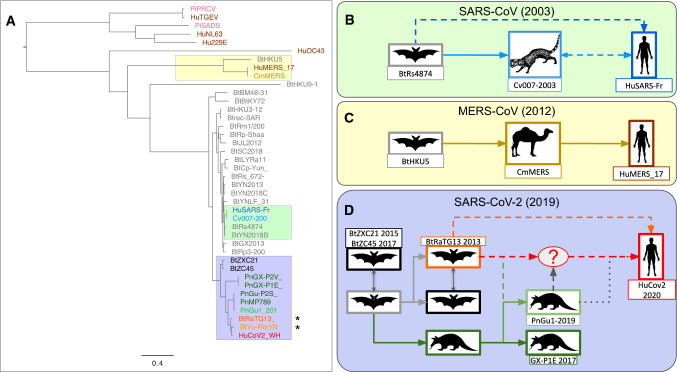
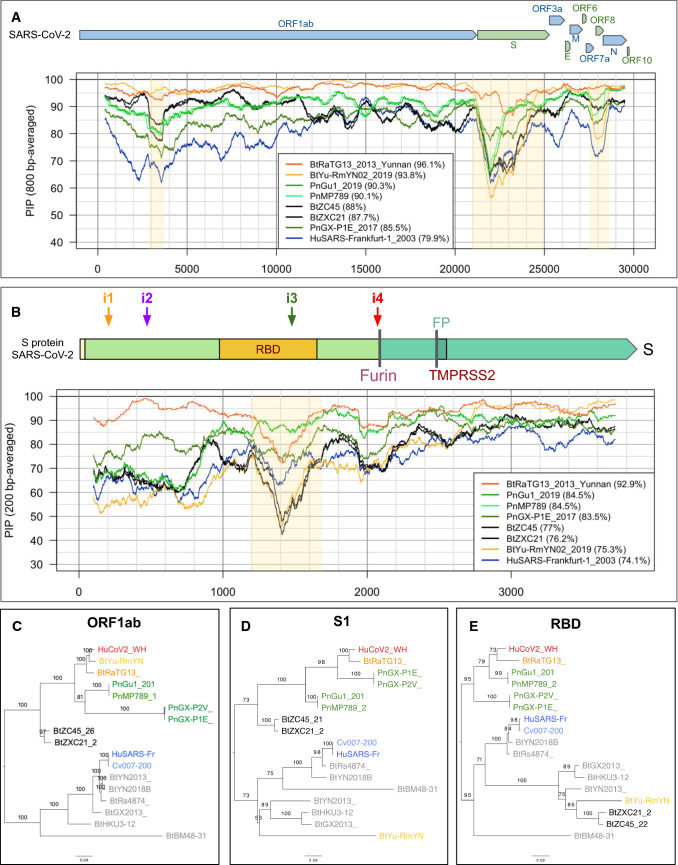
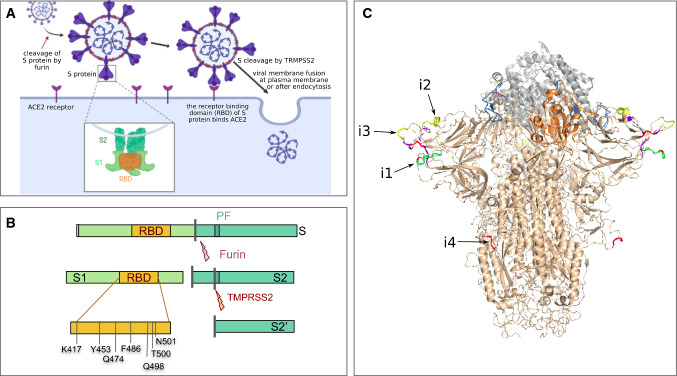
SARS-CoV-2 is a new human coronavirus (CoV), which emerged in China in late 2019 and is responsible for the global COVID-19 pandemic that caused more than 97 million infections and 2 million deaths in 12 months. Understanding the origin of this virus is an important issue, and it is necessary to determine the mechanisms of viral dissemination in order to contain future epidemics. Based on phylogenetic inferences, sequence analysis and structure-function relationships of coronavirus proteins, informed by the knowledge currently available on the virus, we discuss the different scenarios on the origin-natural or synthetic-of the virus. The data currently available are not sufficient to firmly assert whether SARS-CoV2 results from a zoonotic emergence or from an accidental escape of a laboratory strain. This question needs to be solved because it has important consequences on the risk/benefit balance of our interactions with ecosystems, on intensive breeding of wild and domestic animals, on some laboratory practices and on scientific policy and biosafety regulations. Regardless of COVID-19 origin, studying the evolution of the molecular mechanisms involved in the emergence of pandemic viruses is essential to develop therapeutic and vaccine strategies and to prevent future zoonoses. This article is a translation and update of a French article published in Médecine/Sciences, August/September 2020 (10.1051/medsci/2020123).
The online version of this article (10.1007/s10311-020-01151-1) contains supplementary material, which is available to authorized users.
严重急性呼吸综合征冠状病毒2(SARS-CoV-2)是一种新型人类冠状病毒,于2019年末在中国出现,引发了全球新冠疫情,在12个月内造成了超过9700万例感染和200万人死亡。了解这种病毒的起源是一个重要问题,确定病毒传播机制对于遏制未来疫情至关重要。基于系统发育推断、冠状病毒蛋白质的序列分析和结构-功能关系,并结合目前已知的病毒知识,我们讨论了病毒起源——自然起源或人工合成——的不同情形。目前可得的数据不足以确凿断定SARS-CoV-2是源于人畜共患传播还是实验室菌株的意外泄漏。这个问题需要解决,因为它对我们与生态系统互动的风险/收益平衡、对野生动物和家畜的密集养殖、对一些实验室操作以及对科学政策和生物安全法规都有重要影响。无论新冠病毒的起源如何,研究大流行病毒出现过程中涉及的分子机制的演变对于制定治疗和疫苗策略以及预防未来人畜共患病至关重要。本文是对2020年8月/9月发表于《医学/科学》(10.1051/medsci/2020123)的一篇法语文章的翻译和更新。
本文的在线版本(10.1007/s10311-020-01151-1)包含补充材料,授权用户可获取。