Escalante Diego E, Ferguson David M
Department of Medicinal Chemistry, University of Minnesota, Minneapolis, MN 55455 USA.
Center for Drug Design, University of Minnesota, Minneapolis, MN 55455 USA.
Med Chem Res. 2021;30(2):399-409. doi: 10.1007/s00044-021-02708-7. Epub 2021 Feb 5.
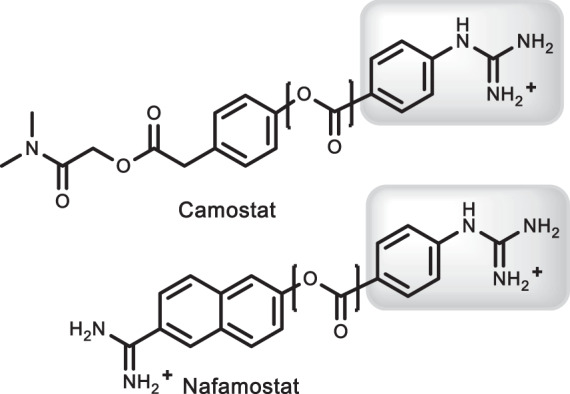
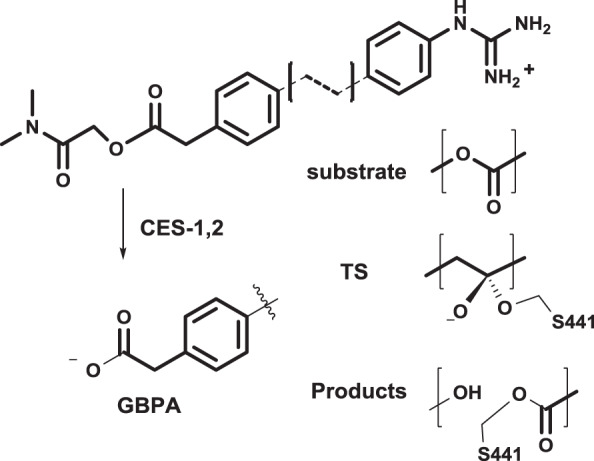
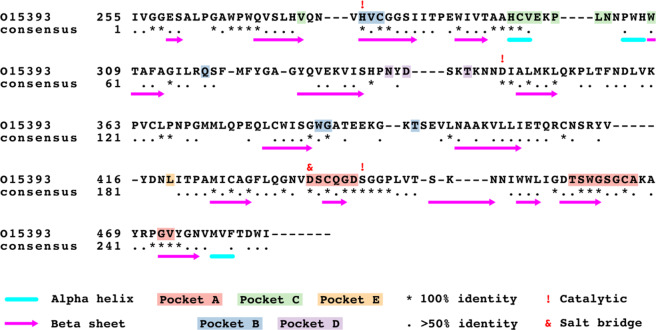
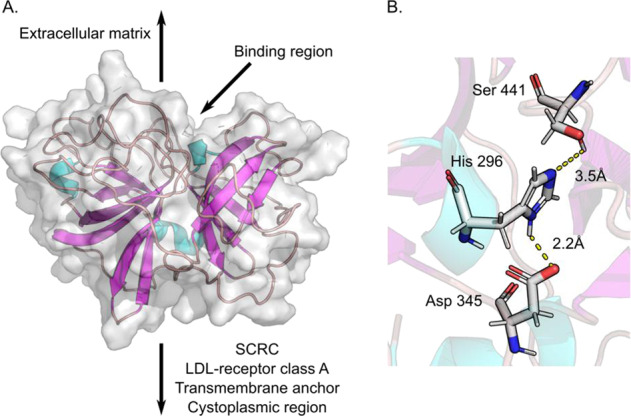
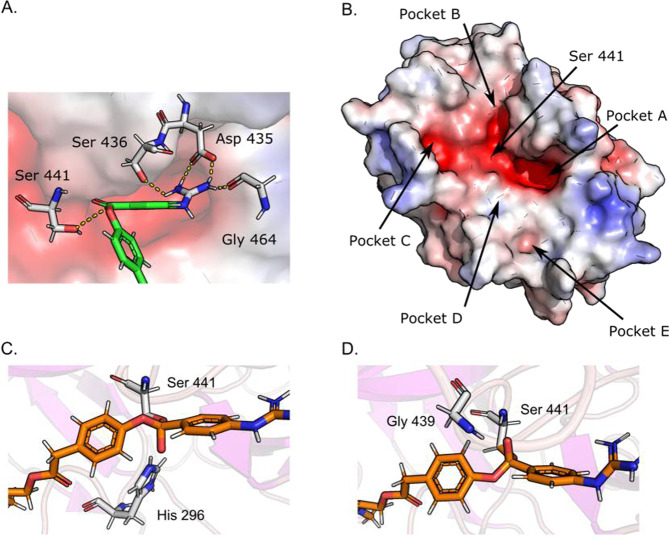
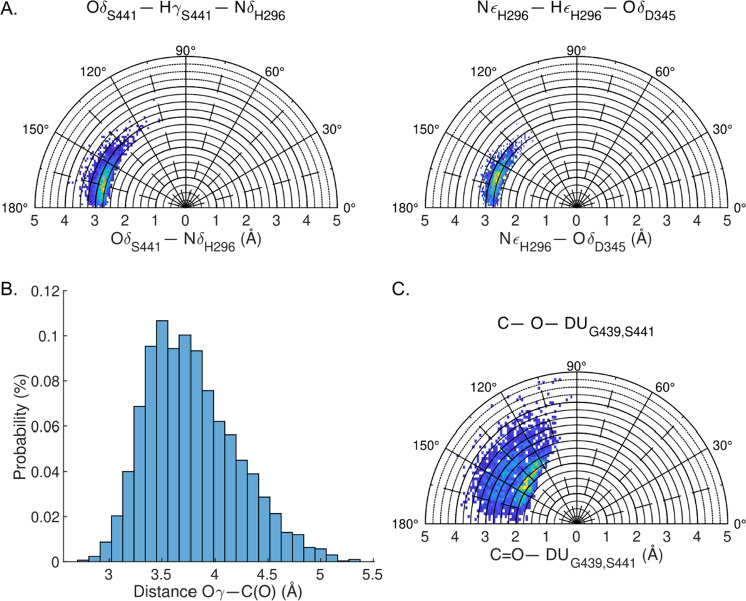
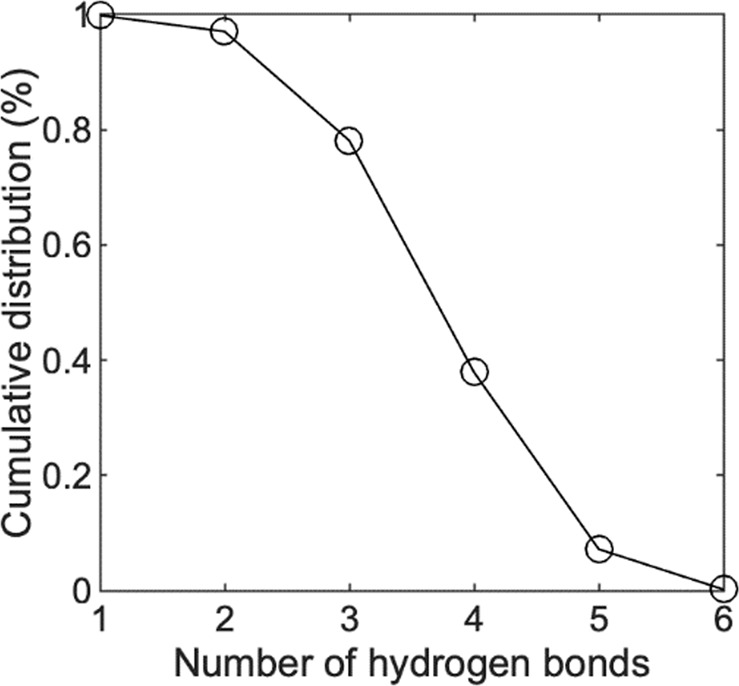
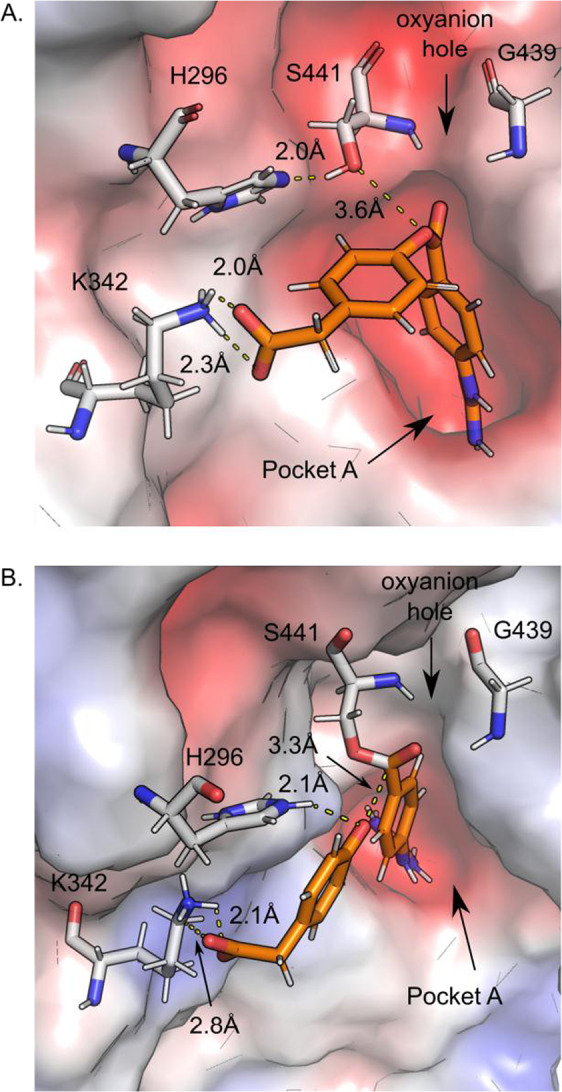
The type II transmembrane serine protease TMPRSS2 facilitates the entry of coronaviruses, such as SARS-CoV-2, into host cells by cleaving the S/S interface of the viral spike protein. Based on structural data derived from X-ray crystallographic data of related trypsin-like proteases, a homology model of TMPRSS2 is described and validated using the broad spectrum COVID-19 drug candidate camostat as a probe. Both active site recognition and catalytic function are examined using quantum mechanics/molecular mechanics molecular dynamic (QM/MM MD) simulations of camostat and its active metabolite, 4-(4-guanidinobenzoyloxy) phenylacetate (GBPA). Substrate binding is shown to be primarily stabilized through salt bridge formation between the shared guanidino pharmacophore and D435 in pocket A (flanking the catalytic S441). Based on the binding mode of GBPA, residues K342 and W461 have been identified as potential contacts involved in TMPRSS2 selective binding and activity. Additional data is reported that indicates the transition state structure is stabilized through H-bonding interactions with the backbone N-H groups within an oxyanion hole following bottom-side attack of the carbonyl by S441. This is supported by prior work on related serine proteases suggesting further strategies to exploit in the design of more potent inhibitors. Taken overall, the proposed structure along with the key contact sites and mechanistic features identified should prove highly advantageous to the design and rational development of safe and effective therapeutics that target TMPRSS2 and avoid inhibition of other trypsin-dependent processes.
II型跨膜丝氨酸蛋白酶TMPRSS2通过切割病毒刺突蛋白的S/S界面,促进冠状病毒(如SARS-CoV-2)进入宿主细胞。基于从相关胰蛋白酶样蛋白酶的X射线晶体学数据获得的结构数据,描述了TMPRSS2的同源模型,并使用广谱COVID-19候选药物抑肽酶作为探针进行了验证。使用抑肽酶及其活性代谢物4-(4-胍基苯甲酰氧基)苯乙酸(GBPA)的量子力学/分子力学分子动力学(QM/MM MD)模拟,研究了活性位点识别和催化功能。底物结合主要通过共享胍基药效团与口袋A中D435(位于催化性S441侧翼)之间形成盐桥来稳定。基于GBPA的结合模式,已确定残基K342和W461是参与TMPRSS2选择性结合和活性的潜在接触位点。还报告了其他数据,表明在S441对羰基进行底面攻击后,过渡态结构通过与氧阴离子孔内主链N-H基团的氢键相互作用得以稳定。先前对相关丝氨酸蛋白酶的研究支持了这一点,表明在设计更有效的抑制剂时可采用进一步的策略。总体而言,所提出的结构以及确定的关键接触位点和机制特征,对于设计和合理开发靶向TMPRSS2并避免抑制其他胰蛋白酶依赖性过程的安全有效疗法应具有高度优势。