Sahni Pooja Swami, Singh Kamlesh, Sharma Nitesh, Garg Rahul
National Resource Centre for Value Education in Engineering, Indian Institute of Technology Delhi, Noida, India.
Department of Humanities and Social Sciences, Indian Institute of Technology Delhi, New Delhi, India.
PLoS One. 2021 Feb 10;16(2):e0245214. doi: 10.1371/journal.pone.0245214. eCollection 2021.
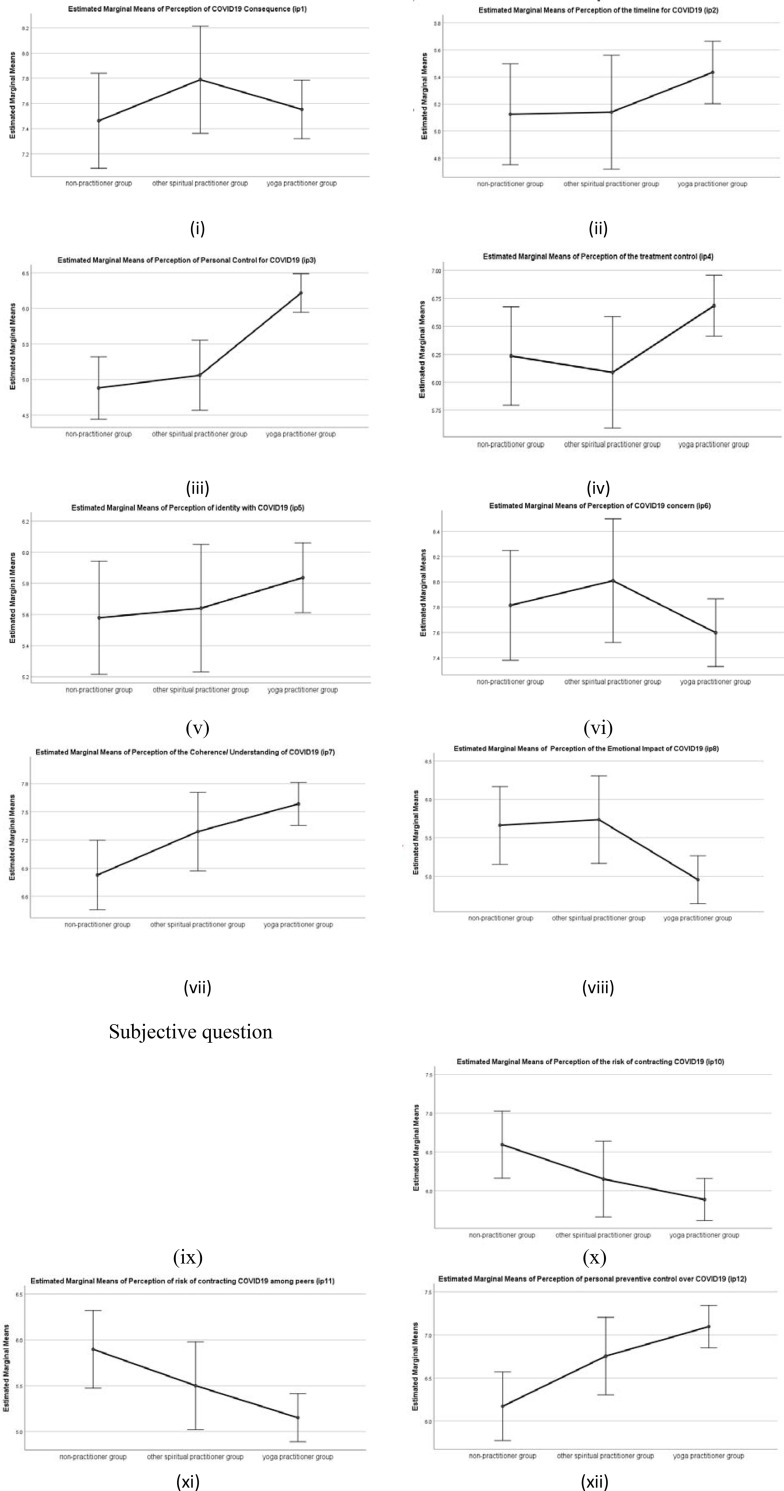
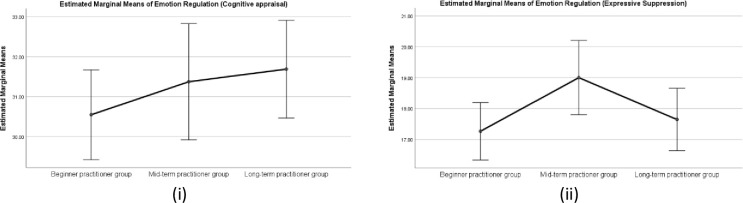
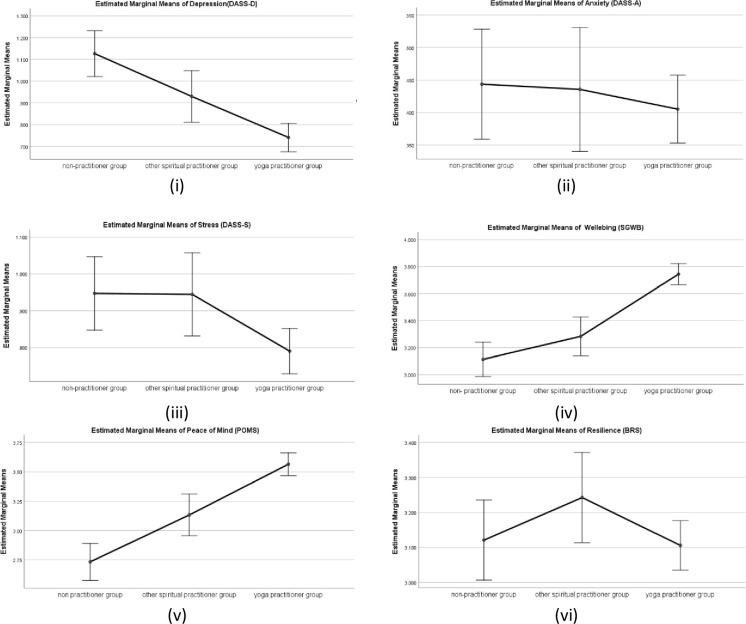
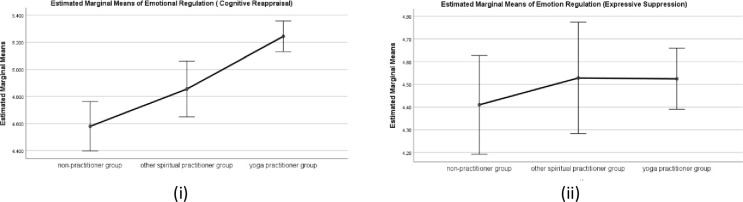
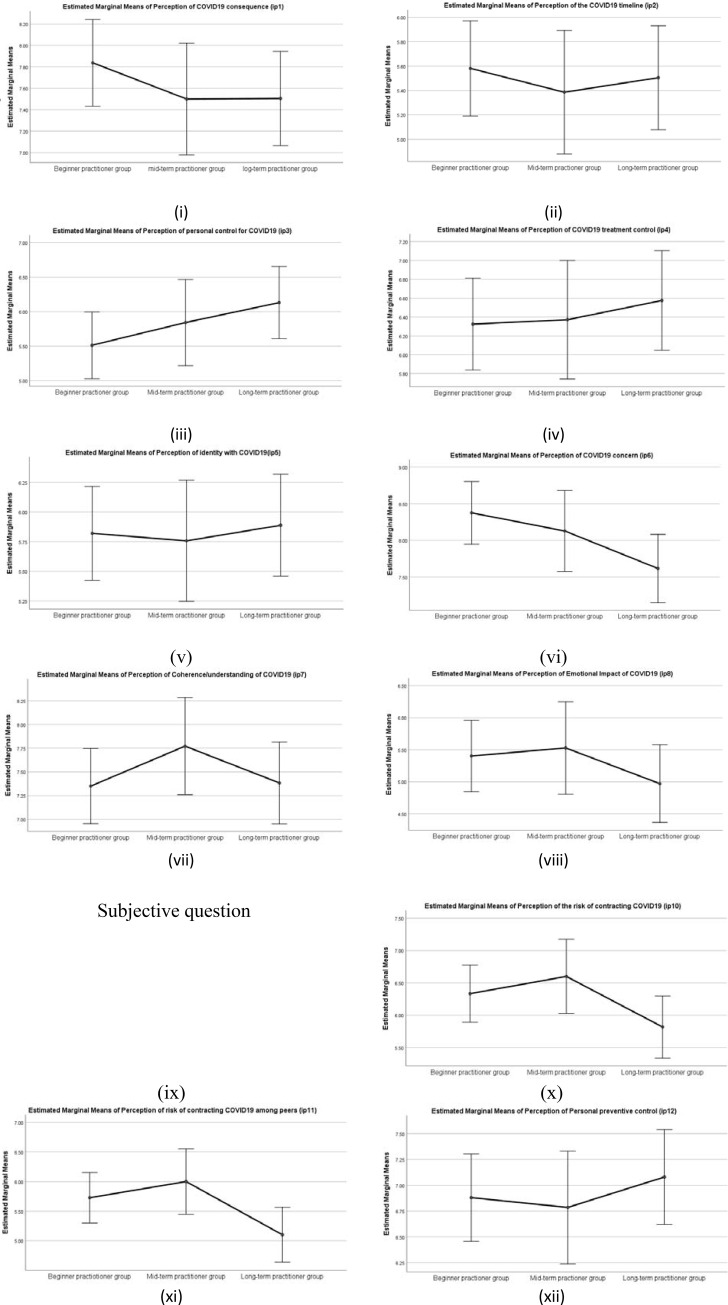
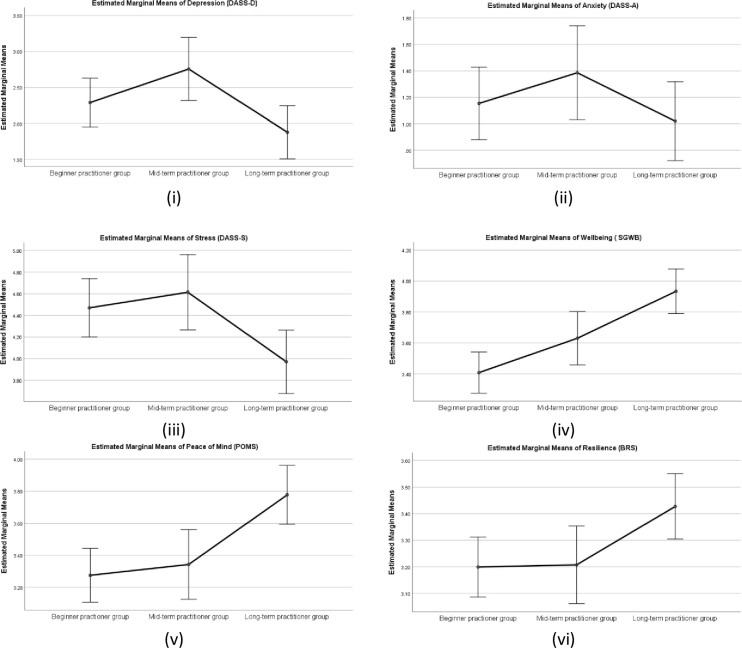
This cross-sectional research aims to study the effect of yoga practice on the illness perception, and wellbeing of healthy adults during 4-10 weeks of lockdown due to COVID19 outbreak. A total of 668 adults (64.7% males, M = 28.12 years, SD = 9.09 years) participated in the online survey. The participants were grouped as; yoga practitioners, other spiritual practitioners, and non-practitioners based on their responses to daily practices that they follow. Yoga practitioners were further examined based on the duration of practice as; long-term, mid-term and beginners. Multivariate analysis indicates that yoga practitioners had significantly lower depression, anxiety, & stress (DASS), and higher general wellbeing (SWGB) as well as higher peace of mind (POMS) than the other two groups. The results further revealed that the yoga practitioners significantly differed in the perception of personal control, illness concern and emotional impact of COVID19. However, there was no significant difference found for the measure of resilience (BRS) in this study. Yoga practitioners also significantly differed in the cognitive reappraisal strategy for regulating their emotions than the other two groups. Interestingly, it was found that beginners -those who had started practicing yoga only during the lockdown period reported no significant difference for general wellbeing and peace of mind when compared to the mid- term practitioner. Evidence supports that yoga was found as an effective self- management strategy to cope with stress, anxiety and depression, and maintain wellbeing during COVID19 lockdown.
这项横断面研究旨在探讨在因新冠疫情爆发而实施的4至10周封锁期间,瑜伽练习对健康成年人疾病认知及幸福感的影响。共有668名成年人(男性占64.7%,平均年龄M = 28.12岁,标准差SD = 9.09岁)参与了在线调查。根据参与者对日常所遵循练习的回答,将他们分为瑜伽练习者、其他精神练习者和非练习者。瑜伽练习者还根据练习时长进一步细分为长期、中期和初学者。多变量分析表明,与其他两组相比,瑜伽练习者的抑郁、焦虑和压力量表(DASS)得分显著更低,总体幸福感(SWGB)得分更高,内心平静程度(POMS)也更高。结果还显示,瑜伽练习者在对个人控制感、对新冠疫情的疾病担忧和情绪影响的认知方面存在显著差异。然而,在本研究中,复原力测量(BRS)方面未发现显著差异。与其他两组相比,瑜伽练习者在调节情绪的认知重评策略方面也存在显著差异。有趣的是,研究发现,初学者(即仅在封锁期间开始练习瑜伽的人)与中期练习者相比,在总体幸福感和内心平静程度方面没有显著差异。有证据支持,在新冠疫情封锁期间,瑜伽是一种有效的自我管理策略,可用于应对压力、焦虑和抑郁,并维持幸福感。