School of Civil and Surveying and Mapping Engineering, Jiangxi University of Science and Technology, Ganzhou, China.
School of Geosciences and Info Physics, Central South University, Changsha, China.
Sci Rep. 2021 Feb 12;11(1):3717. doi: 10.1038/s41598-021-83166-4.
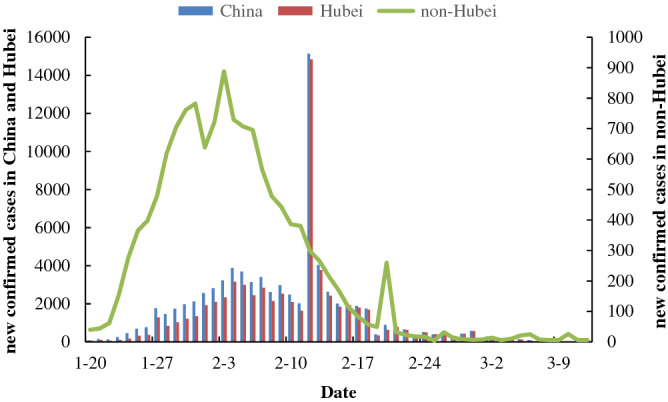
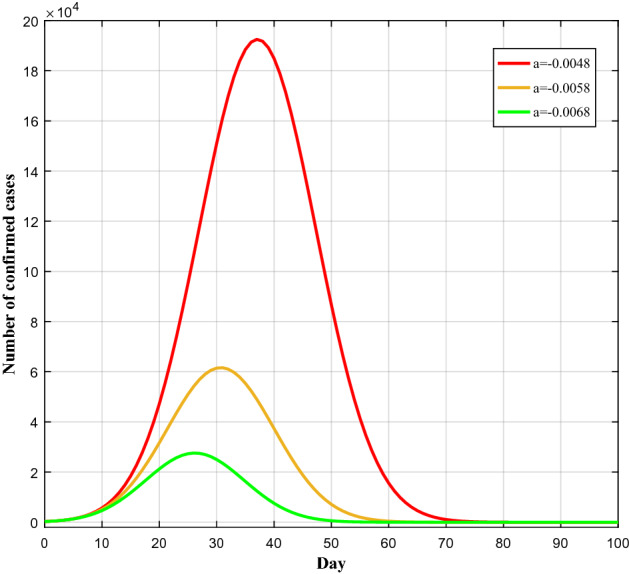
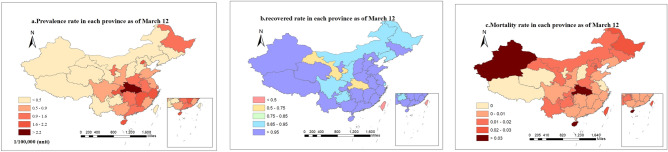
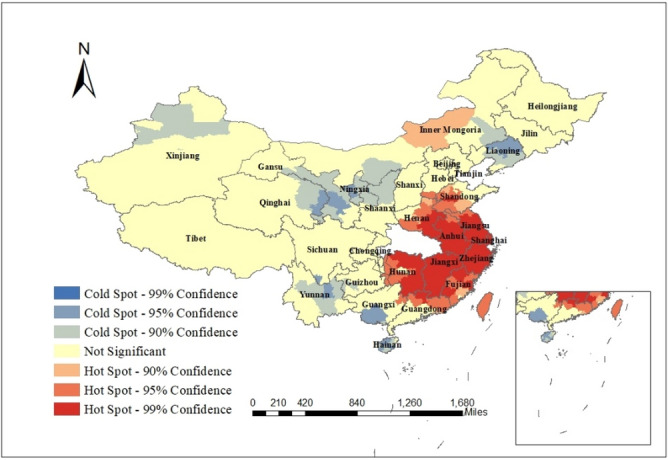
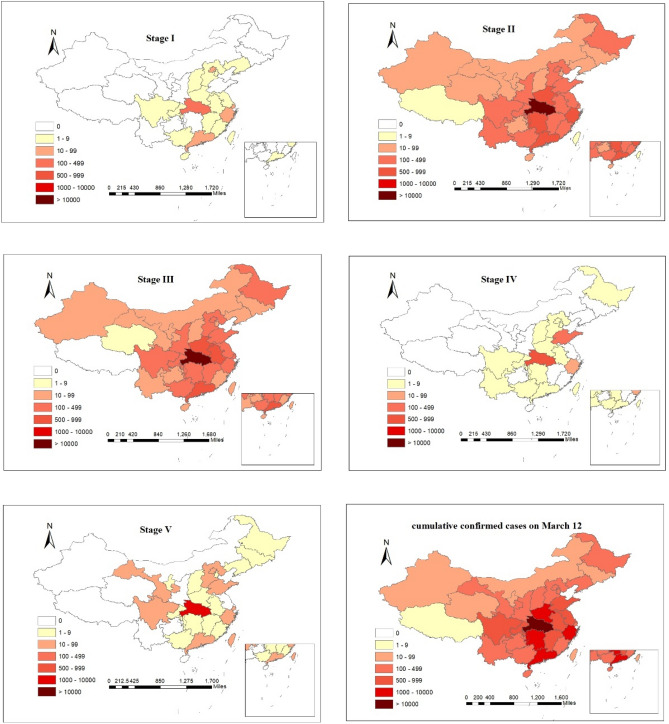
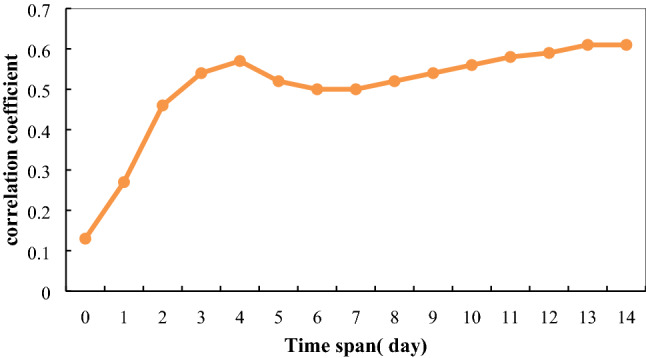
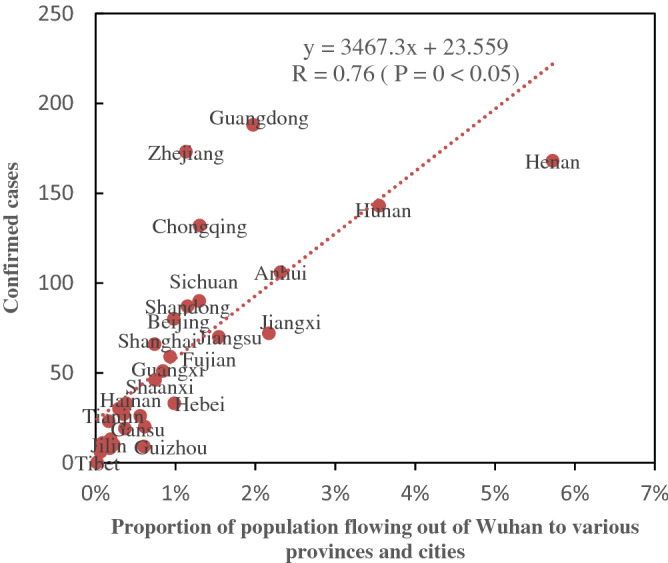
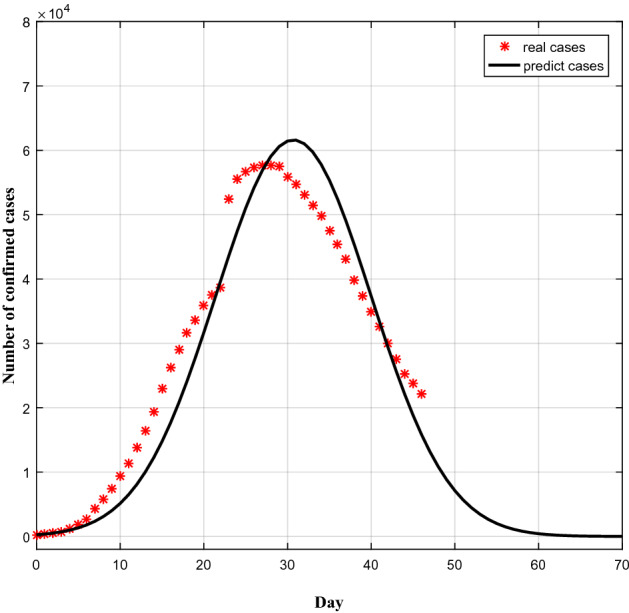
In December 2019, corona virus disease 2019 (COVID-19) has broken out in China. Understanding the distribution of disease at the national level contributes to the formulation of public health policies. There are several studies that investigating the influencing factors on distribution of COVID-19 in China. However, more influencing factors need to be considered to improve our understanding about the current epidemic. Moreover, in the absence of effective medicine or vaccine, the Chinese government introduced a series of non-pharmaceutical interventions (NPIs). However, assessing and predicting the effectiveness of these interventions requires further study. In this paper, we used statistical techniques, correlation analysis and GIS mapping expression method to analyze the spatial and temporal distribution characteristics and the influencing factors of the COVID-19 in mainland China. The results showed that the spread of outbreaks in China's non-Hubei provinces can be divided into five stages. Stage I is the initial phase of the COVID-19 outbreak; in stage II the new peak of the epidemic was observed; in stage III the outbreak was contained and new cases decreased; there was a rebound in stage IV, and stage V led to level off. Moreover, the cumulative confirmed cases were mainly concentrated in the southeastern part of China, and the epidemic in the cities with large population flows from Wuhan was more serious. In addition, statistically significant correlations were found between the prevalence of the epidemic and the temperature, rainfall and relative humidity. To evaluate the NPIs, we simulated the prevalence of the COVID-19 based on an improved SIR model and under different prevention intensity. It was found that our simulation results were compatible with the observed values and the parameter of the time function in the improved SIR model for China is a = - 0.0058. The findings and methods of this study can be effective for predicting and managing the epidemics and can be used as an aid for decision makers to control the current and future epidemics.
2019 年 12 月,中国爆发了 2019 年冠状病毒病(COVID-19)。了解国家级别的疾病分布有助于制定公共卫生政策。有几项研究调查了 COVID-19 在中国的分布的影响因素。然而,为了更好地了解当前的疫情,需要考虑更多的影响因素。此外,在缺乏有效药物或疫苗的情况下,中国政府采取了一系列非药物干预措施(NPIs)。然而,评估和预测这些干预措施的效果需要进一步研究。在本文中,我们使用统计技术、相关分析和 GIS 制图表达方法,分析了中国大陆 COVID-19 的时空分布特征及其影响因素。结果表明,中国非湖北省疫情的传播可分为五个阶段。第一阶段是 COVID-19 爆发的初始阶段;第二阶段观察到疫情的新高峰;第三阶段疫情得到控制,新病例减少;第四阶段疫情出现反弹,第五阶段疫情趋于平稳。此外,累计确诊病例主要集中在中国东南部,武汉人口流动较大的城市疫情更为严重。此外,疫情的流行与温度、降雨量和相对湿度之间存在显著的相关性。为了评估 NPIs,我们根据改进的 SIR 模型和不同的预防强度模拟了 COVID-19 的流行情况。结果发现,我们的模拟结果与观测值吻合较好,改进的 SIR 模型中中国的时间函数参数 a = -0.0058。本研究的发现和方法可有效用于预测和管理疫情,并可作为决策者控制当前和未来疫情的辅助手段。