Institute of Translational Medicine, Department of Pharmacology, School of Medicine, Yangzhou University, Yangzhou, Jiangsu, 225001, People's Republic of China.
Jiangsu Key Laboratory of Integrated Traditional Chinese and Western Medicine for Prevention and Treatment of Senile Diseases, Yangzhou, Jiangsu, 225001, People's Republic of China.
Int J Nanomedicine. 2021 Feb 12;16:1143-1155. doi: 10.2147/IJN.S294871. eCollection 2021.
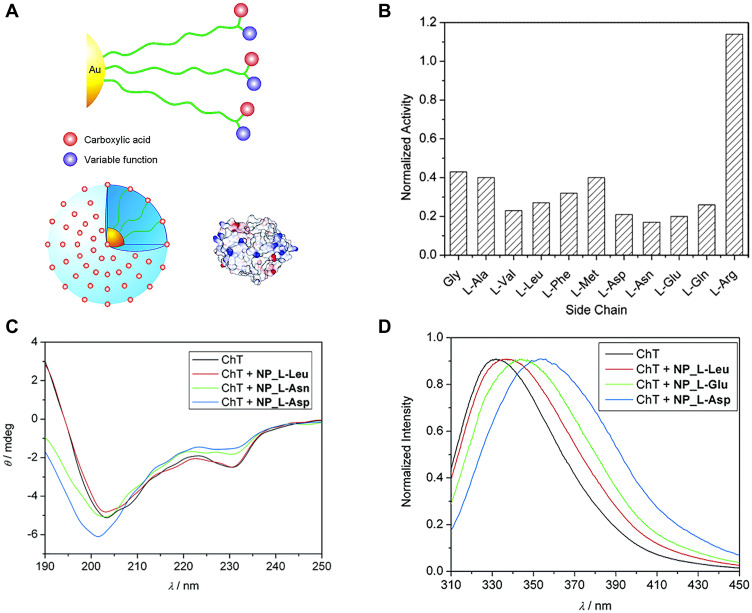
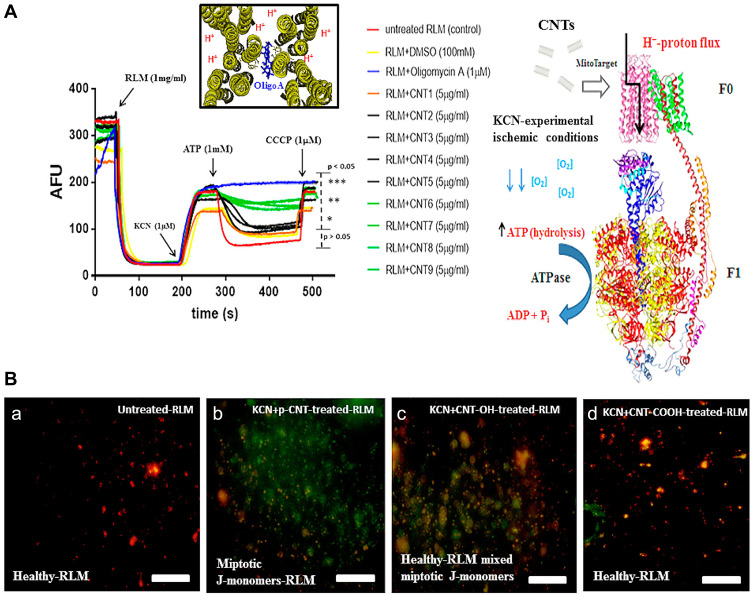
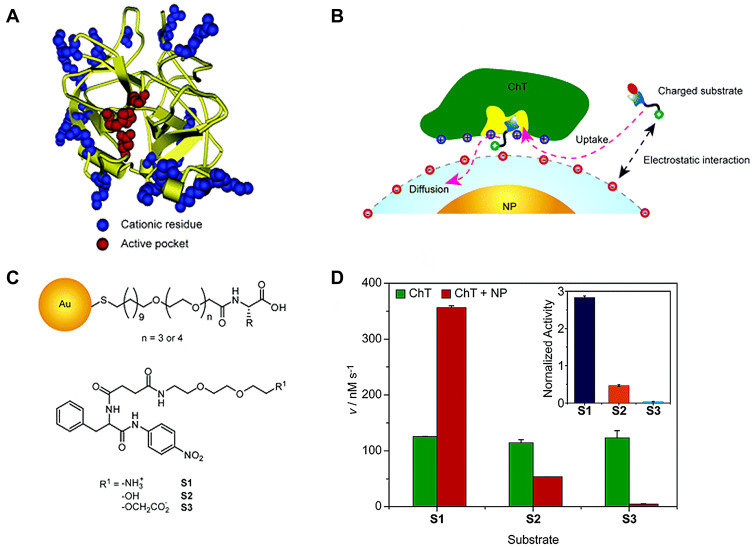
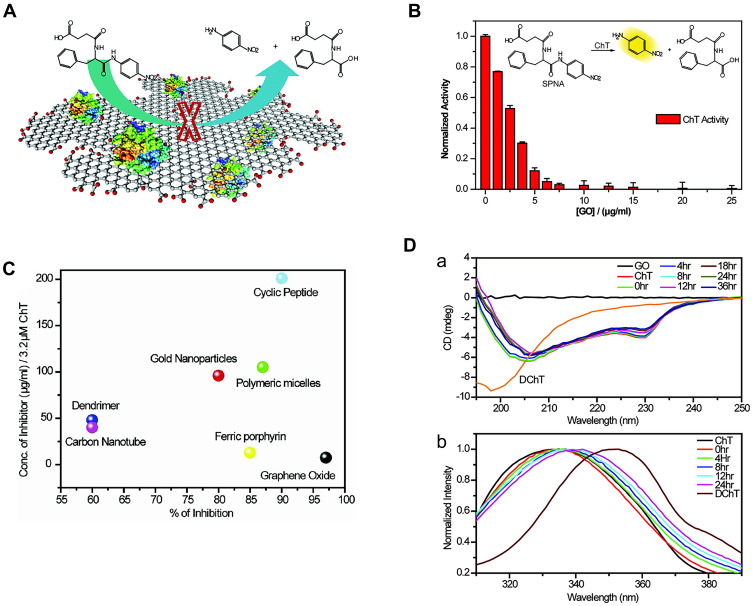
Nanozyme is a type of nanomaterial with intrinsic enzyme-like activity. Following the discovery of nanozymes in 2007, nanozyme technology has become an emerging field bridging nanotechnology and biology, attracting research from multi-disciplinary areas focused on the design and synthesis of catalytically active nanozymes. However, various types of enzymes can be mimicked by nanomaterials, and our current understanding of nanozymes as enzyme inhibitors is limited. Here, we provide a brief overview of the utility of nanozymes as inhibitors of enzymes, such as R-chymotrypsin (ChT), β-galactosidase (β-Gal), β-lactamase, and mitochondrial F0F1-ATPase, and the mechanisms underlying inhibitory activity. The advantages, challenges and future research directions of nanozymes as enzyme inhibitors for biomedical research are further discussed.
纳米酶是一种具有内在酶样活性的纳米材料。自 2007 年纳米酶被发现以来,纳米酶技术已经成为连接纳米技术和生物学的一个新兴领域,吸引了来自多学科领域的研究,这些研究集中在设计和合成具有催化活性的纳米酶上。然而,纳米材料可以模拟各种类型的酶,我们目前对纳米酶作为酶抑制剂的认识有限。在这里,我们简要概述了纳米酶作为酶抑制剂的用途,如糜蛋白酶(ChT)、β-半乳糖苷酶(β-Gal)、β-内酰胺酶和线粒体 F0F1-ATP 酶,以及抑制活性的机制。进一步讨论了纳米酶作为酶抑制剂在生物医学研究中的优势、挑战和未来研究方向。