Zhang Xixia, Yang Jing
Department of Otolaryngology Head and Neck Surgery, Shengjing Hospital of China Medical University, Shenyang, China.
Front Cell Dev Biol. 2021 Feb 11;8:637435. doi: 10.3389/fcell.2020.637435. eCollection 2020.
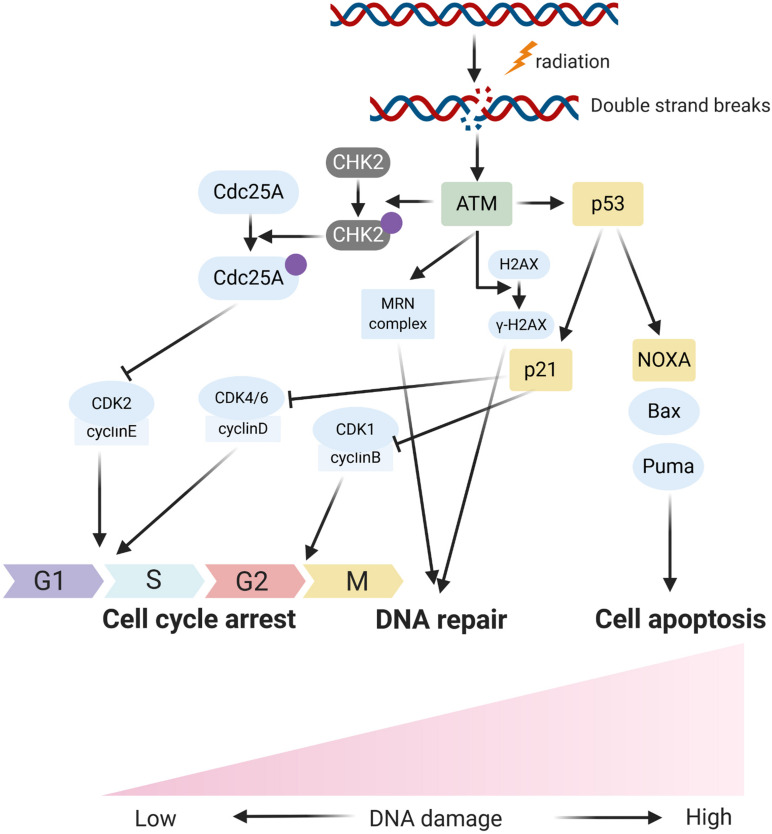
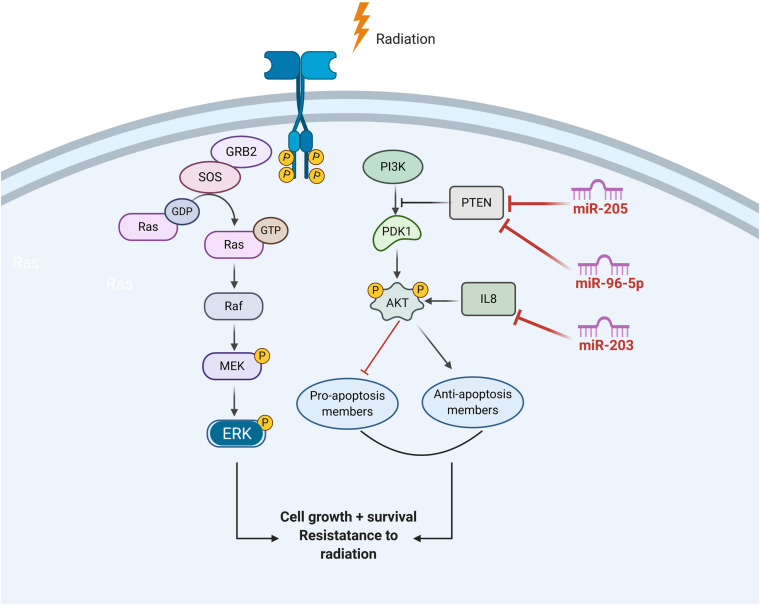
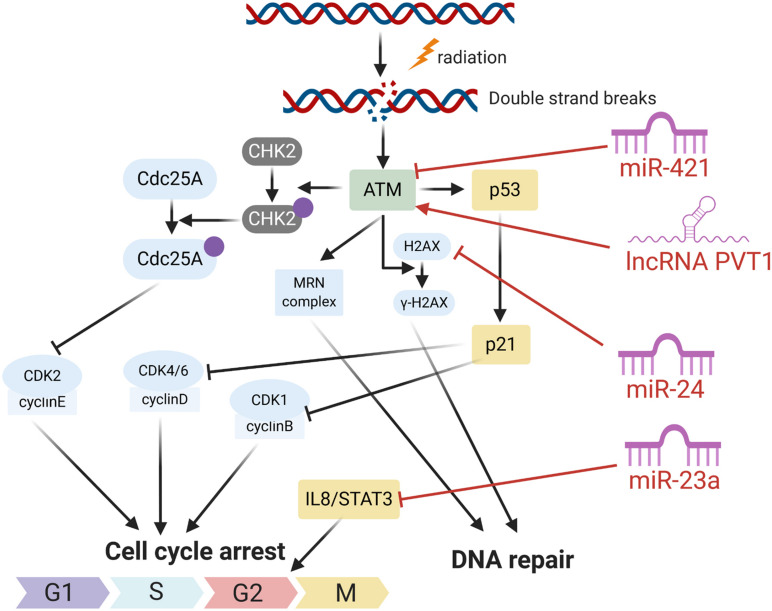
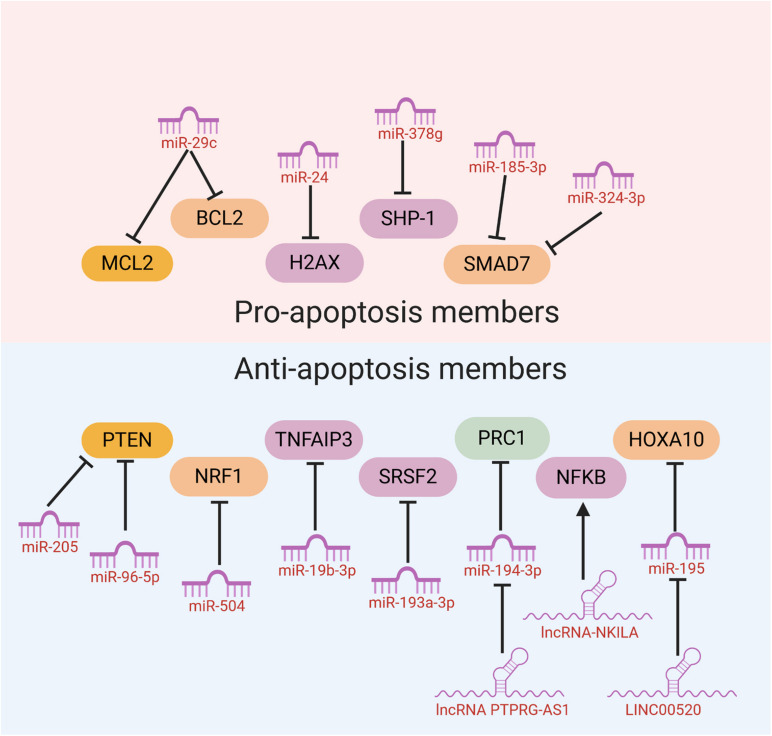
Head and neck cancers (HNCs) rank as the sixth common and the seventh leading cause of cancer-related death worldwide, with an estimated incidence of 600,000 cases and 40-50% mortality rate every year. Radiotherapy is a common local therapeutic modality for HNC mainly through the function of ionizing radiation, with approximately 60% of patients treated with radiotherapy or chemoradiotherapy. Although radiotherapy is more advanced and widely used in clinical practice, the 5-year overall survival rates of locally advanced HNCs are still less than 40%. HNC cell resistance to radiotherapy remains one of the major challenges to improve the overall survival in HNC patients. Non-coding RNAs (ncRNAs) are newly discovered functional small RNA molecules that are different from messenger RNAs, which can be translated into a protein. Many previous studies have reported the dysregulation and function of ncRNAs in HNC. Importantly, researchers reported that several ncRNAs were also dysregulated in radiotherapy-sensitive or radiotherapy-resistant HNC tissues compared with the normal cancer tissues. They found that ectopically elevating or knocking down expression of some ncRNAs could significantly influence the response of HNC cancer cells to radiotherapy, indicating that ncRNAs could regulate the sensitivity of cancer cells to radiotherapy. The implying mechanism for ncRNAs in regulating radiotherapy sensitivity may be due to its roles on affecting DNA damage sensation, inducing cell cycle arrest, regulating DNA damage repair, modulating cell apoptosis, etc. Additionally, clinical studies reported that ncRNA expression in HNC tissues may predict the response of radiotherapy, and circulating ncRNA from body liquid serves as minimally invasive therapy-responsive and prognostic biomarkers in HNC. In this review, we aimed to summarize the current function and mechanism of ncRNAs in regulating the sensitivity of HNC cancer cells to radiotherapy and comprehensively described the state of the art on the role of ncRNAs in the prognosis prediction, therapy monitoring, and prediction of response to radiotherapy in HNC.
头颈癌(HNC)是全球第六大常见癌症,也是癌症相关死亡的第七大主要原因,估计每年发病率为60万例,死亡率为40%-50%。放射治疗是HNC常见的局部治疗方式,主要通过电离辐射起作用,约60%的患者接受放射治疗或放化疗。尽管放射治疗在临床实践中更为先进且应用广泛,但局部晚期HNC的5年总生存率仍低于40%。HNC细胞对放射治疗的抗性仍然是提高HNC患者总生存率的主要挑战之一。非编码RNA(ncRNA)是新发现的功能性小RNA分子,与信使RNA不同,后者可翻译成蛋白质。此前许多研究报道了ncRNA在HNC中的失调和功能。重要的是,研究人员报告称,与正常癌组织相比,一些ncRNA在放射治疗敏感或放射治疗抗性的HNC组织中也存在失调。他们发现,异位升高或敲低某些ncRNA的表达可显著影响HNC癌细胞对放射治疗的反应,表明ncRNA可调节癌细胞对放射治疗的敏感性。ncRNA调节放射治疗敏感性的潜在机制可能是由于其在影响DNA损伤感知、诱导细胞周期停滞、调节DNA损伤修复、调节细胞凋亡等方面的作用。此外,临床研究报告称,HNC组织中的ncRNA表达可能预测放射治疗的反应,体液中的循环ncRNA可作为HNC微创治疗反应和预后生物标志物。在本综述中,我们旨在总结ncRNA在调节HNC癌细胞对放射治疗敏感性方面的当前功能和机制,并全面描述ncRNA在HNC预后预测、治疗监测和放射治疗反应预测中的最新作用。