Bono Nina, Ponti Federica, Punta Carlo, Candiani Gabriele
GenT LΛB & µBioMI LΛB, Department of Chemistry, Materials and Chemical Engineering "G. Natta", Politecnico di Milano, Via L. Mancinelli, 7, 20131 Milan, Italy.
Laboratory for Biomaterials and Bioengineering, Canada Research Chair I in Biomaterials and Bioengineering for the Innovation in Surgery, Department Min-Met-Materials Engineering, Research Center of CHU de Quebec, Division of Regenerative Medicine, Laval University, Quebec City, QC G1V 0A6, Canada.
Materials (Basel). 2021 Feb 25;14(5):1075. doi: 10.3390/ma14051075.
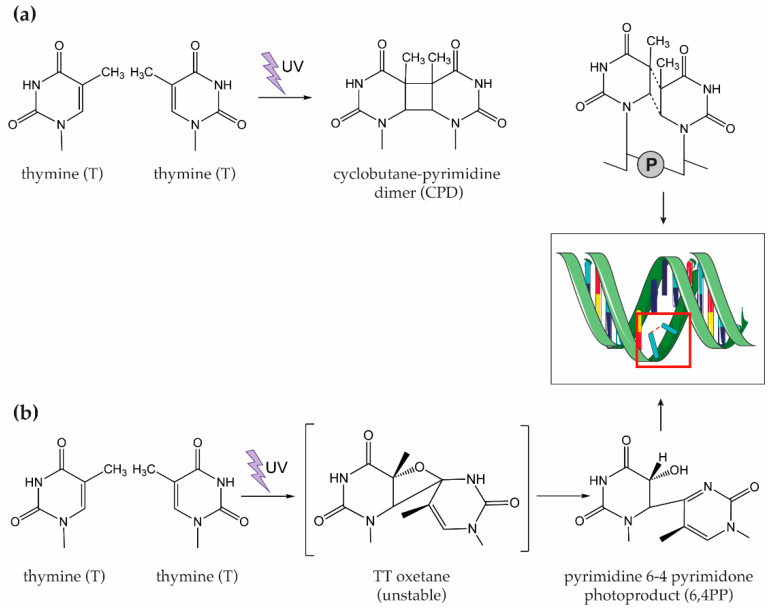
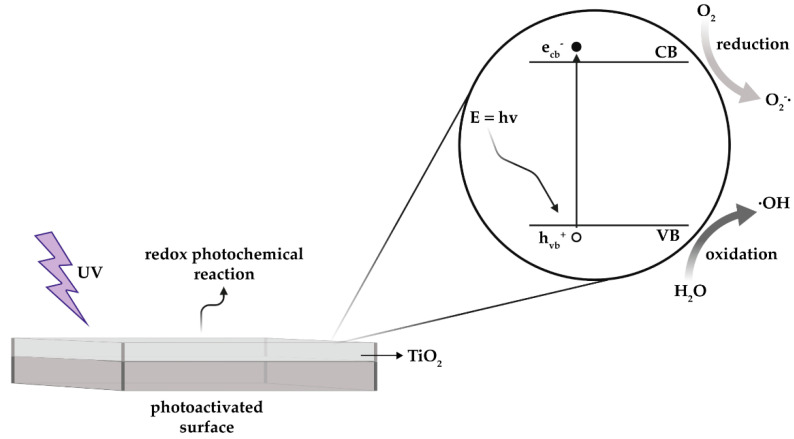
Current COVID-19 pandemic caused by the severe acute respiratory syndrome coronavirus 2 (SARS-CoV-2) has put a spotlight on the spread of infectious diseases brought on by pathogenic airborne bacteria and viruses. In parallel with a relentless search for therapeutics and vaccines, considerable effort is being expended to develop ever more powerful technologies to restricting the spread of airborne microorganisms in indoor spaces through the minimization of health- and environment-related risks. In this context, UV-based and photocatalytic oxidation (PCO)-based technologies (i.e., the combined action of ultraviolet (UV) light and photocatalytic materials such as titanium dioxide (TiO)) represent the most widely utilized approaches at present because they are cost-effective and ecofriendly. The virucidal and bactericidal effect relies on the synergy between the inherent ability of UV light to directly inactivate viral particles and bacteria through nucleic acid and protein damages, and the production of oxidative radicals generated through the irradiation of the TiO surface. In this literature survey, we draw attention to the most effective UV radiations and TiO-based PCO technologies available and their underlying mechanisms of action on both bacteria and viral particles. Since the fine tuning of different parameters, namely the UV wavelength, the photocatalyst composition, and the UV dose (viz, the product of UV light intensity and the irradiation time), is required for the inactivation of microorganisms, we wrap up this review coming up with the most effective combination of them. Now more than ever, UV- and TiO-based disinfection technologies may represent a valuable tool to mitigate the spread of airborne pathogens.
由严重急性呼吸综合征冠状病毒2(SARS-CoV-2)引起的当前新冠疫情,使致病性空气传播细菌和病毒所引发的传染病传播成为焦点。在不懈寻找治疗方法和疫苗的同时,人们也在投入大量精力,开发更强大的技术,通过将与健康和环境相关的风险降至最低,来限制室内空气中微生物的传播。在此背景下,基于紫外线(UV)和光催化氧化(PCO)的技术(即紫外线(UV)光与二氧化钛(TiO₂)等光催化材料的联合作用)是目前应用最广泛的方法,因为它们具有成本效益且环保。其杀病毒和杀菌作用依赖于紫外线通过核酸和蛋白质损伤直接灭活病毒颗粒和细菌的固有能力,与TiO₂表面受辐照产生的氧化自由基之间的协同作用。在这项文献综述中,我们关注了现有的最有效的紫外线辐射和基于TiO₂的PCO技术及其对细菌和病毒颗粒的潜在作用机制。由于微生物灭活需要对不同参数进行微调,即紫外线波长、光催化剂组成和紫外线剂量(即紫外线光强度与照射时间的乘积),我们在本综述结尾总结出了它们最有效的组合。如今,基于紫外线和TiO₂的消毒技术比以往任何时候都更可能成为减轻空气传播病原体传播的宝贵工具。