Department of Medicine, Section of Dermatology, University of Chicago, Chicago, IL 60637, USA.
Int J Mol Sci. 2021 Feb 16;22(4):1949. doi: 10.3390/ijms22041949.
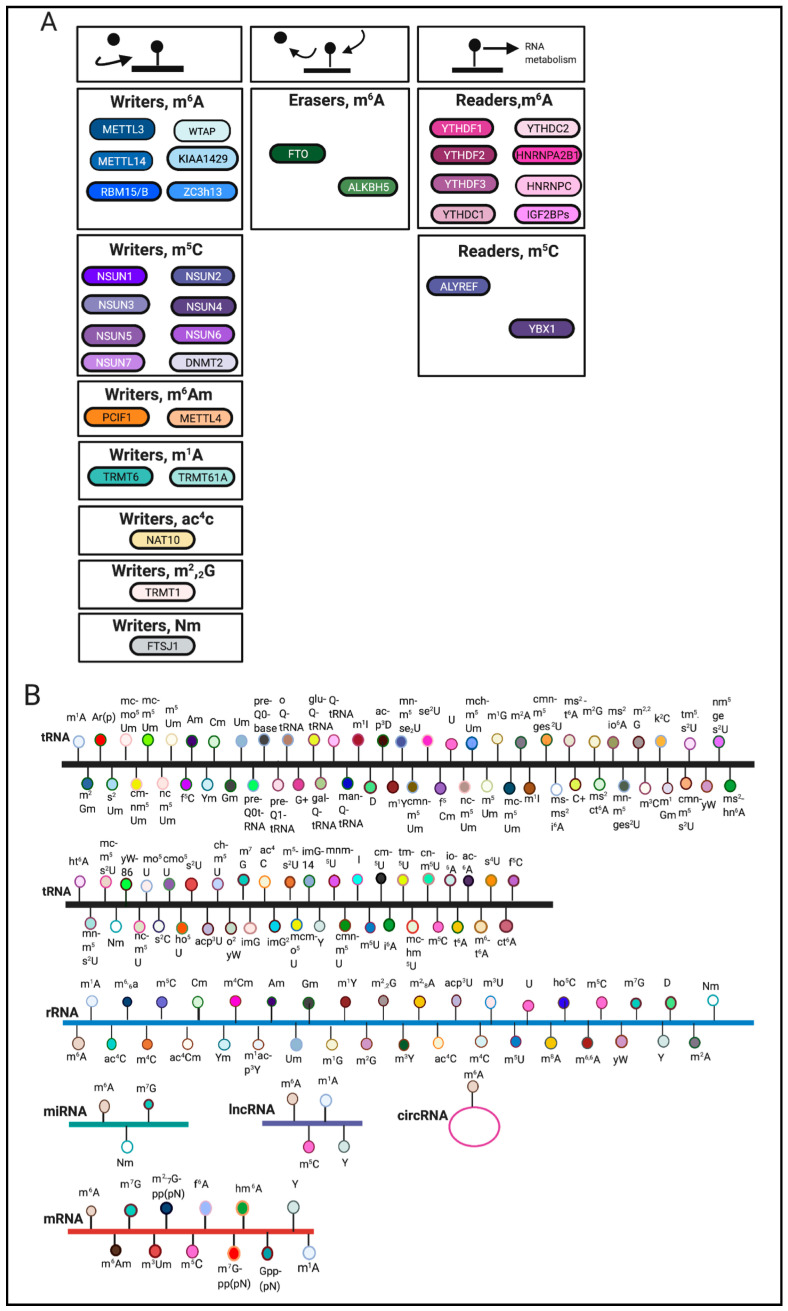
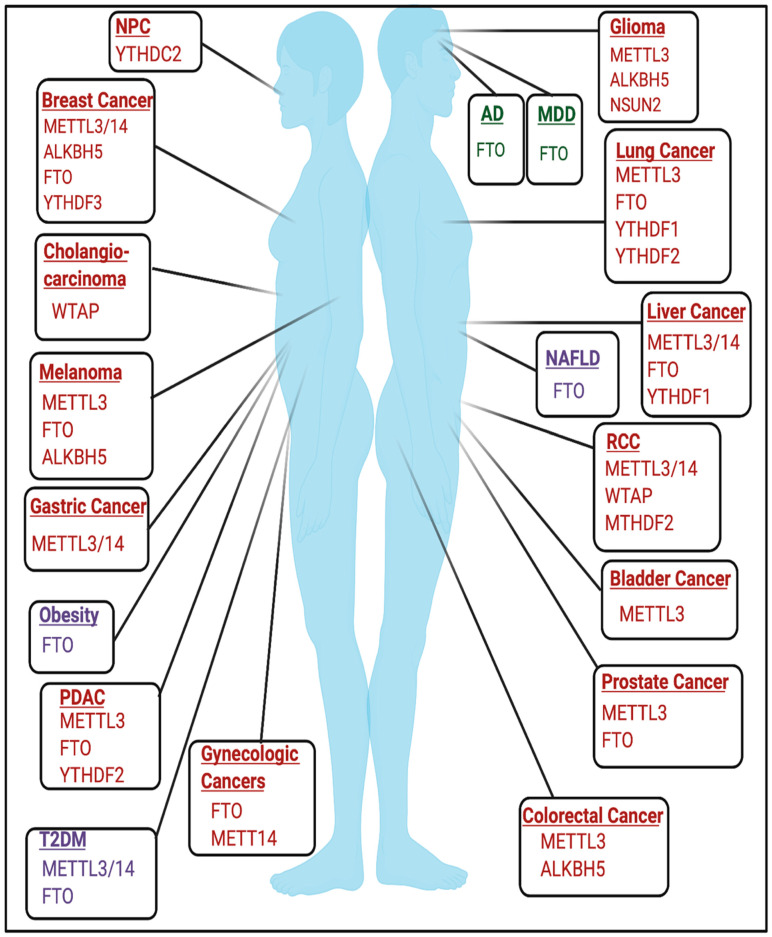
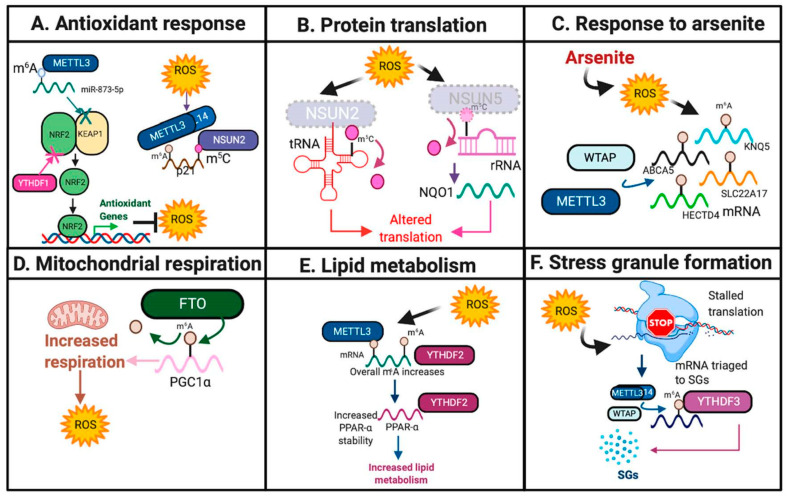
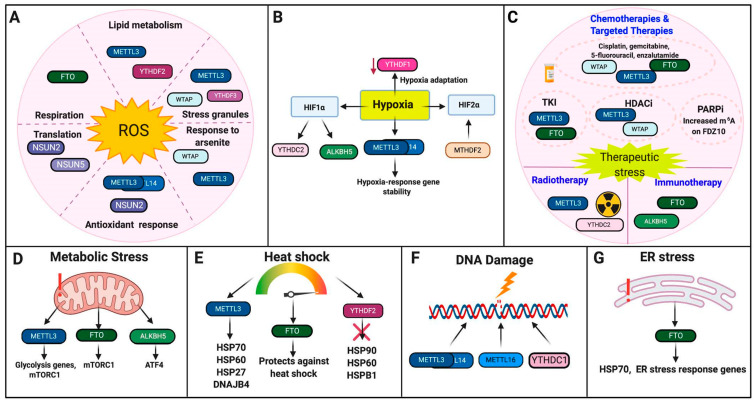
RNA modifications are diverse post-transcriptional modifications that regulate RNA metabolism and gene expression. RNA modifications, and the writers, erasers, and readers that catalyze these modifications, serve as important signaling machineries in cellular stress responses and disease pathogenesis. In response to stress, RNA modifications are mobilized to activate or inhibit the signaling pathways that combat stresses, including oxidative stress, hypoxia, therapeutic stress, metabolic stress, heat shock, DNA damage, and ER stress. The role of RNA modifications in response to these cellular stressors is context- and cell-type-dependent. Due to their pervasive roles in cell biology, RNA modifications have been implicated in the pathogenesis of different diseases, including cancer, neurologic and developmental disorders and diseases, and metabolic diseases. In this review, we aim to summarize the roles of RNA modifications in molecular and cellular stress responses and diseases.
RNA 修饰是多样化的转录后修饰,可调节 RNA 代谢和基因表达。RNA 修饰以及催化这些修饰的写入器、擦除器和读取器,作为细胞应激反应和疾病发病机制中的重要信号机制。在应激反应中,RNA 修饰被动员以激活或抑制对抗应激的信号通路,包括氧化应激、缺氧、治疗性应激、代谢应激、热休克、DNA 损伤和内质网应激。RNA 修饰在应对这些细胞应激源中的作用取决于上下文和细胞类型。由于它们在细胞生物学中具有普遍的作用,RNA 修饰已被牵连到不同疾病的发病机制中,包括癌症、神经和发育障碍及疾病以及代谢疾病。在这篇综述中,我们旨在总结 RNA 修饰在分子和细胞应激反应及疾病中的作用。