Wang Yingmeng, Tu Yingfeng, Peng Fei
School of Materials Science and Engineering, Sun Yat-sen University, Guangzhou 510006, China.
Guangdong Provincial Key Laboratory of New Drug Screening, School of Pharmaceutical Science, Southern Medical University, Guangzhou 510515, China.
Micromachines (Basel). 2021 Feb 22;12(2):222. doi: 10.3390/mi12020222.
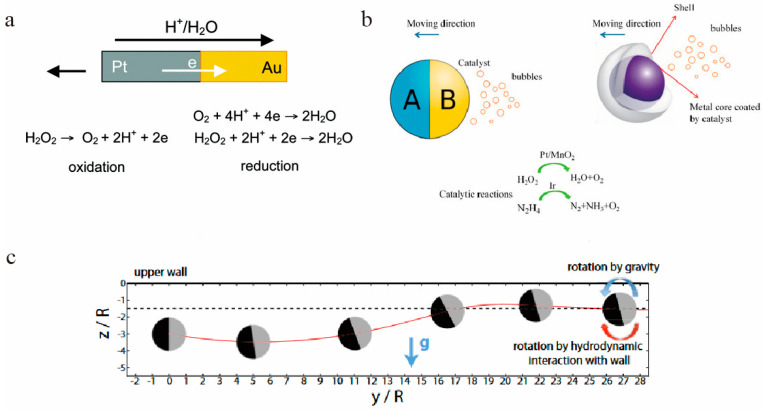
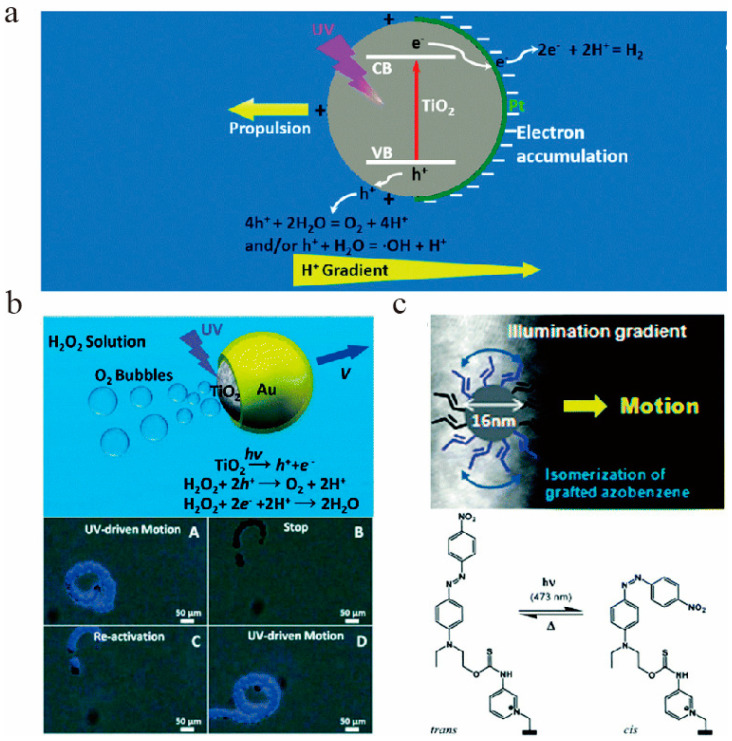
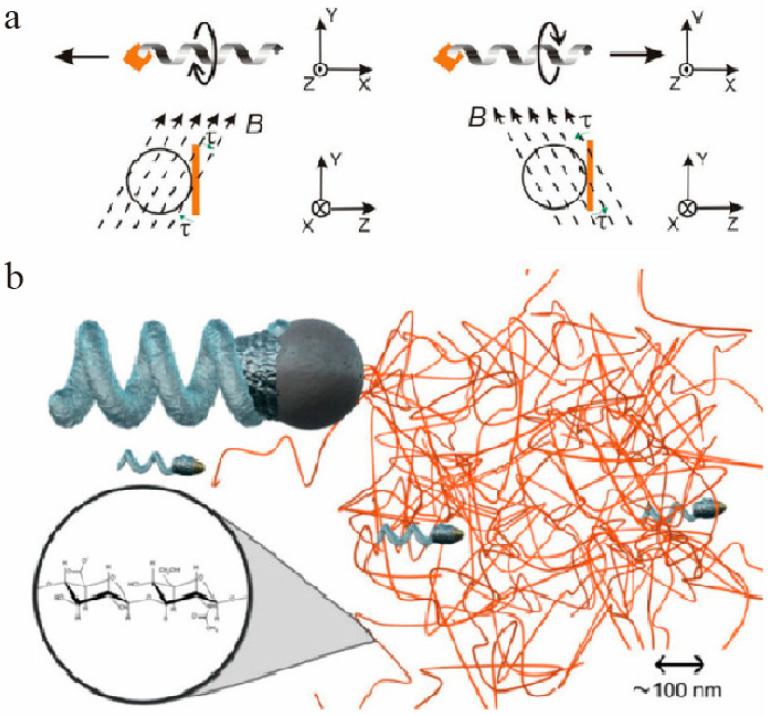
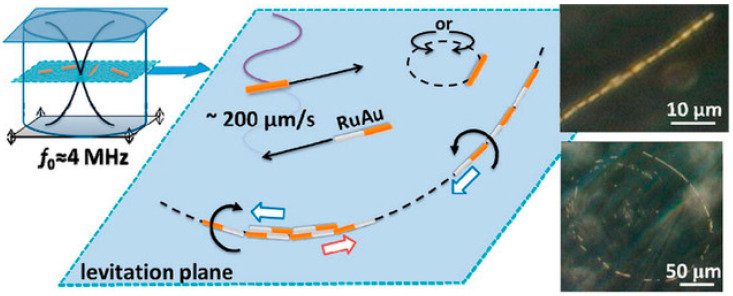
Inspired by the autonomously moving organisms in nature, artificially synthesized micro-nano-scale power devices, also called micro-and nanomotors, are proposed. These micro-and nanomotors that can self-propel have been used for biological sensing, environmental remediation, and targeted drug transportation. In this article, we will systematically overview the conversion of chemical energy or other forms of energy in the external environment (such as electrical energy, light energy, magnetic energy, and ultrasound) into kinetic mechanical energy by micro-and nanomotors. The development and progress of these energy conversion mechanisms in the past ten years are reviewed, and the broad application prospects of micro-and nanomotors in energy conversion are provided.
受自然界中自主移动生物的启发,人们提出了人工合成的微纳尺度动力装置,也称为微纳马达。这些能够自我推进的微纳马达已被用于生物传感、环境修复和靶向药物运输。在本文中,我们将系统地概述微纳马达如何将外部环境中的化学能或其他形式的能量(如电能、光能、磁能和超声波)转换为动能机械能。回顾了这些能量转换机制在过去十年中的发展与进步,并阐述了微纳马达在能量转换方面广阔的应用前景。