Li Xianhai, Tang Hua, Tang Qiang, Chen Wei
School of Pharmacy, Chengdu University of Traditional Chinese Medicine, Chengdu, China.
Innovative Institute of Chinese Medicine and Pharmacy, Chengdu University of Traditional Chinese Medicine, Chengdu, China.
Front Cell Dev Biol. 2021 Feb 18;9:638366. doi: 10.3389/fcell.2021.638366. eCollection 2021.
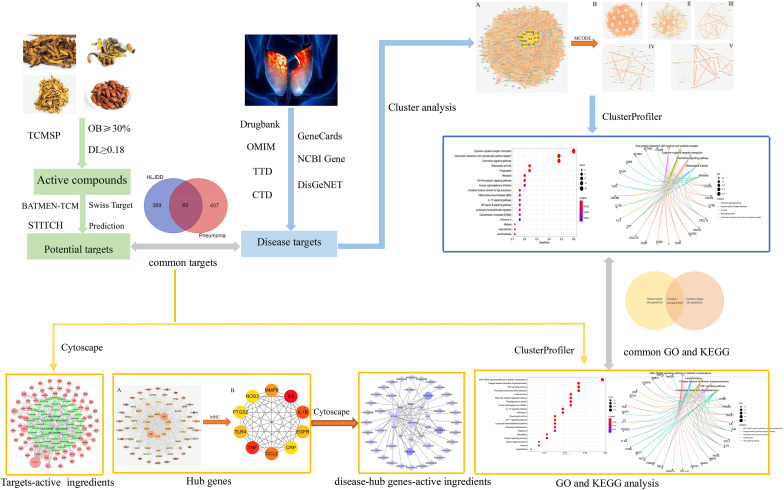
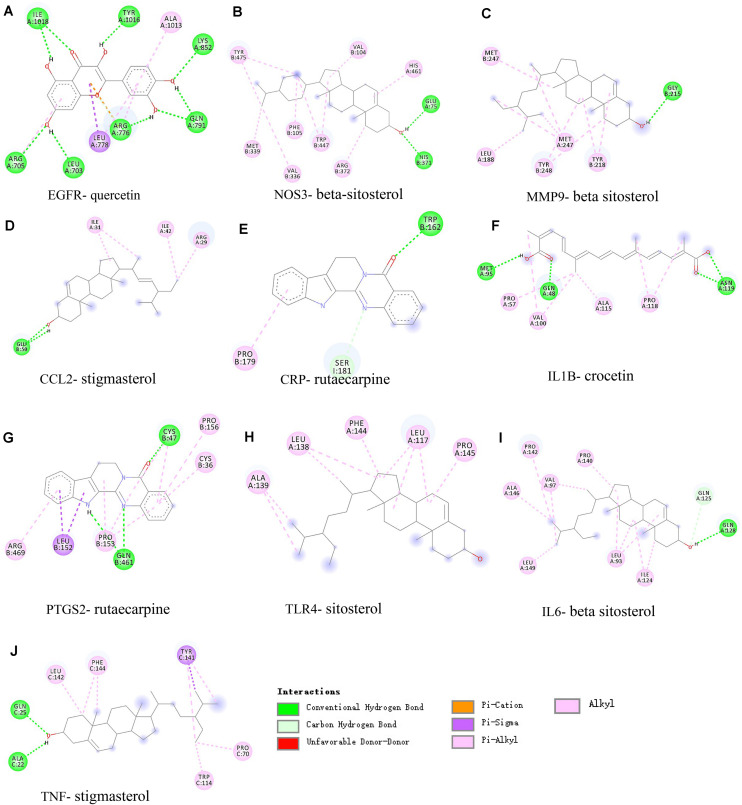
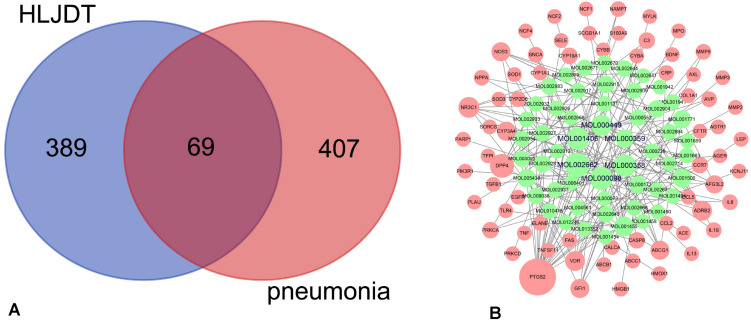
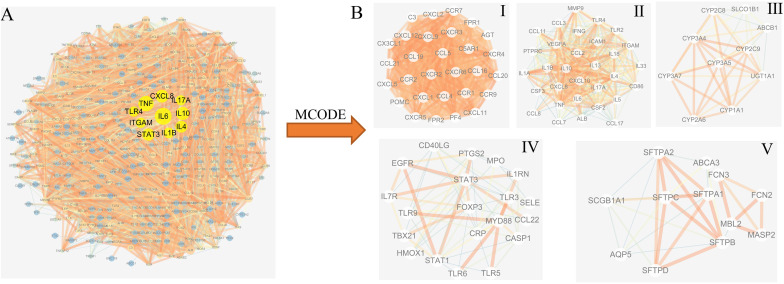
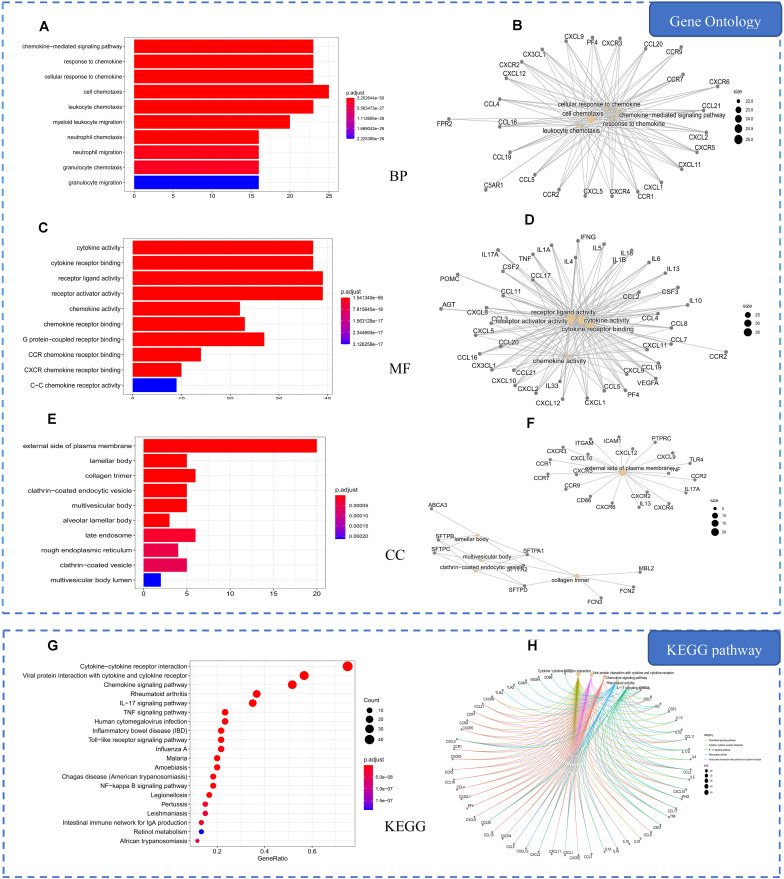
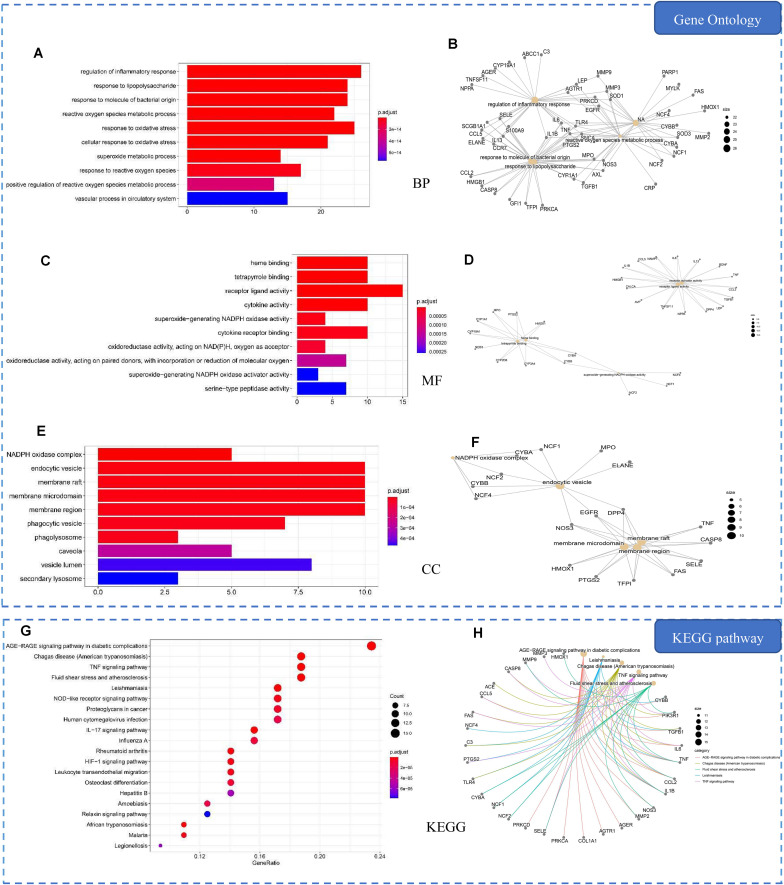
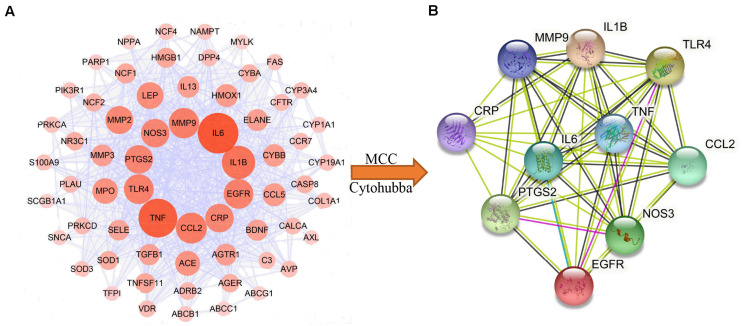
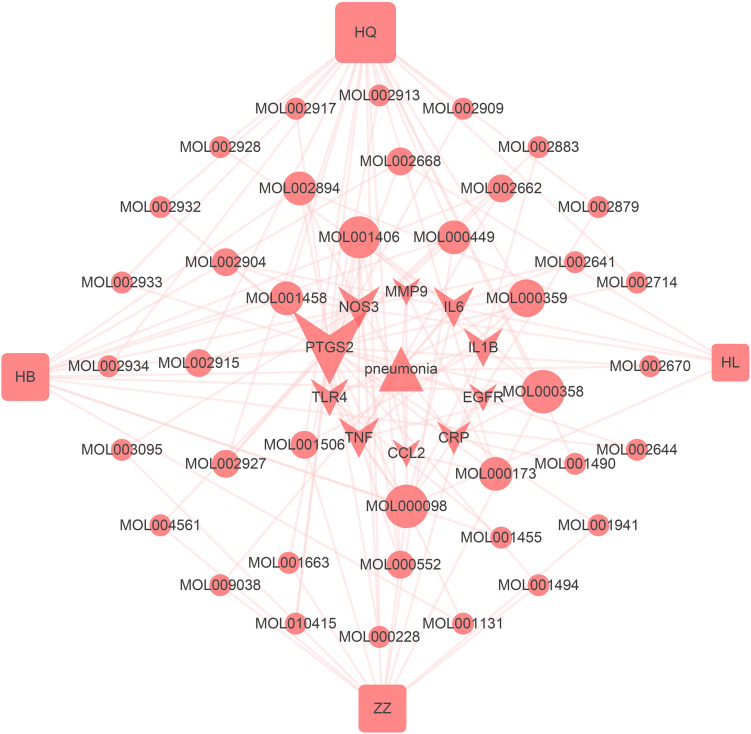
Huang-Lian-Jie-Du decoction (HLJDD) has been used to treat pneumonia for thousands of years in China. However, our understanding of its mechanisms on treating pneumonia is still unclear. In the present work, network pharmacology was used to analyze the potential active ingredients and molecular mechanisms of HLJDD on treating pneumonia. A total of 102 active ingredients were identified from HLJDD, among which 54 were hit by the 69 targets associated with pneumonia. By performing Gene Ontology (GO) and Kyoto Encyclopedia of Genes and Genomes (KEGG) enrichment analysis, we obtained the main pathways associated with pneumonia and those associated with the mechanism of HLJDD in the treatment of pneumonia. By constructing the protein-protein interaction network of common targets, 10 hub genes were identified, which were mainly involved in the tumor necrosis factor (TNF) signaling pathway, interleukin 17 (IL-17) signaling pathway, and nucleotide-binding oligomerization domain (NOD)-like receptor signaling pathway. Moreover, the results of molecular docking showed that the active ingredients of HLJDD had a good affinity with the hub genes. The final results indicate that HLJDD has a greater effect on bacterial pneumonia than on viral pneumonia. The therapeutic effect is mainly achieved by regulating the host immune inflammatory response and oxidative stress reaction, antibacterial microorganisms, alleviating the clinical symptoms of pneumonia, repairing damaged cells, and inhibiting cell migration.
在中国,黄连解毒汤(HLJDD)用于治疗肺炎已有数千年历史。然而,我们对其治疗肺炎的机制仍不清楚。在本研究中,运用网络药理学分析HLJDD治疗肺炎的潜在活性成分和分子机制。从HLJDD中总共鉴定出102种活性成分,其中54种与69个肺炎相关靶点匹配。通过进行基因本体论(GO)和京都基因与基因组百科全书(KEGG)富集分析,我们获得了与肺炎相关的主要通路以及与HLJDD治疗肺炎机制相关的通路。通过构建共同靶点的蛋白质-蛋白质相互作用网络,鉴定出10个枢纽基因,它们主要参与肿瘤坏死因子(TNF)信号通路、白细胞介素17(IL-17)信号通路和核苷酸结合寡聚化结构域(NOD)样受体信号通路。此外,分子对接结果表明HLJDD的活性成分与枢纽基因具有良好的亲和力。最终结果表明,HLJDD对细菌性肺炎的作用比对病毒性肺炎的作用更大。其治疗效果主要通过调节宿主免疫炎症反应和氧化应激反应、抗菌微生物、减轻肺炎临床症状、修复受损细胞以及抑制细胞迁移来实现。