Waitt Advanced Biophotonics Center, Salk Institute for Biological Studies, La Jolla, CA, USA.
Wicklow AI Medical Research Initiative, San Francisco, CA, USA.
Nat Methods. 2021 Apr;18(4):406-416. doi: 10.1038/s41592-021-01080-z. Epub 2021 Mar 8.
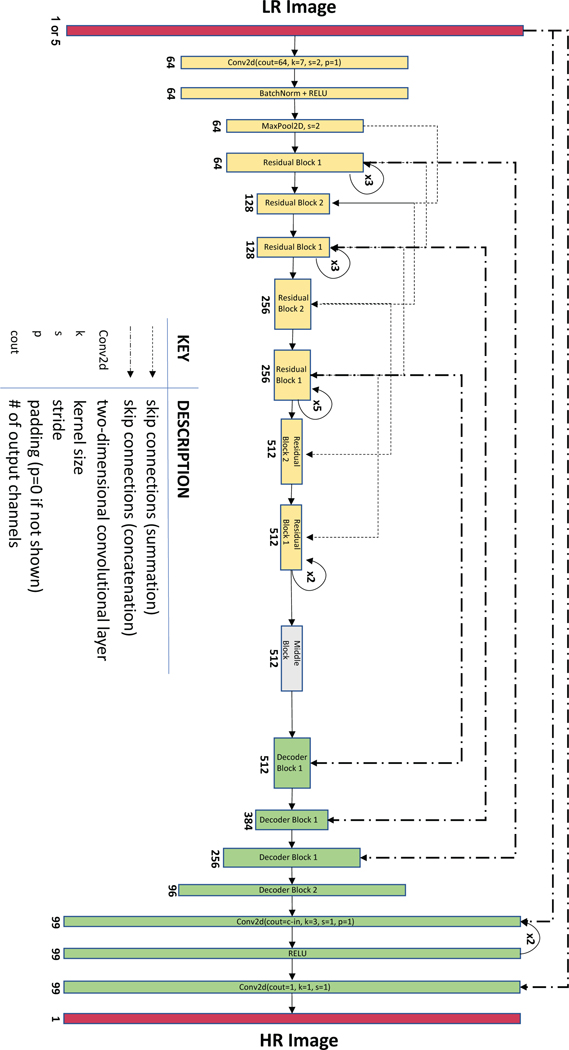
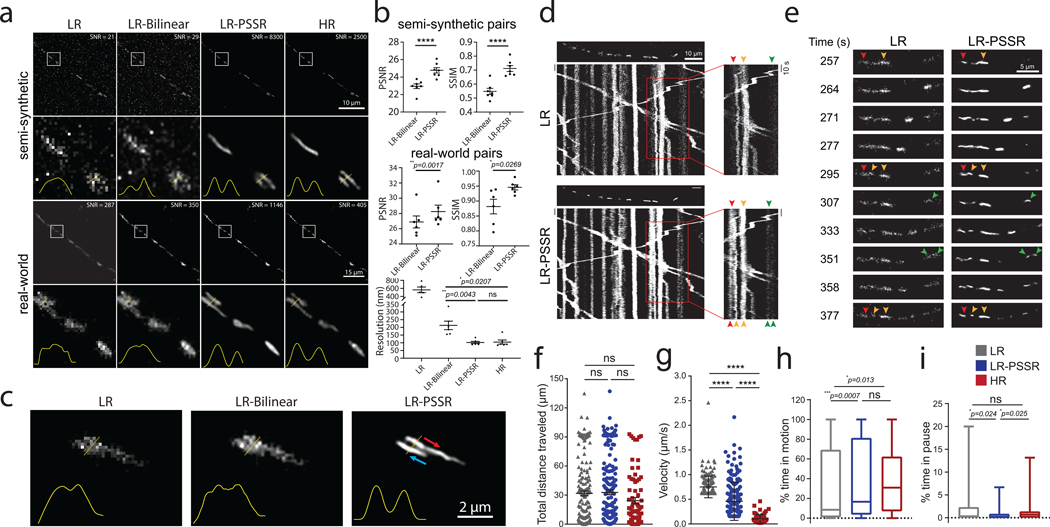
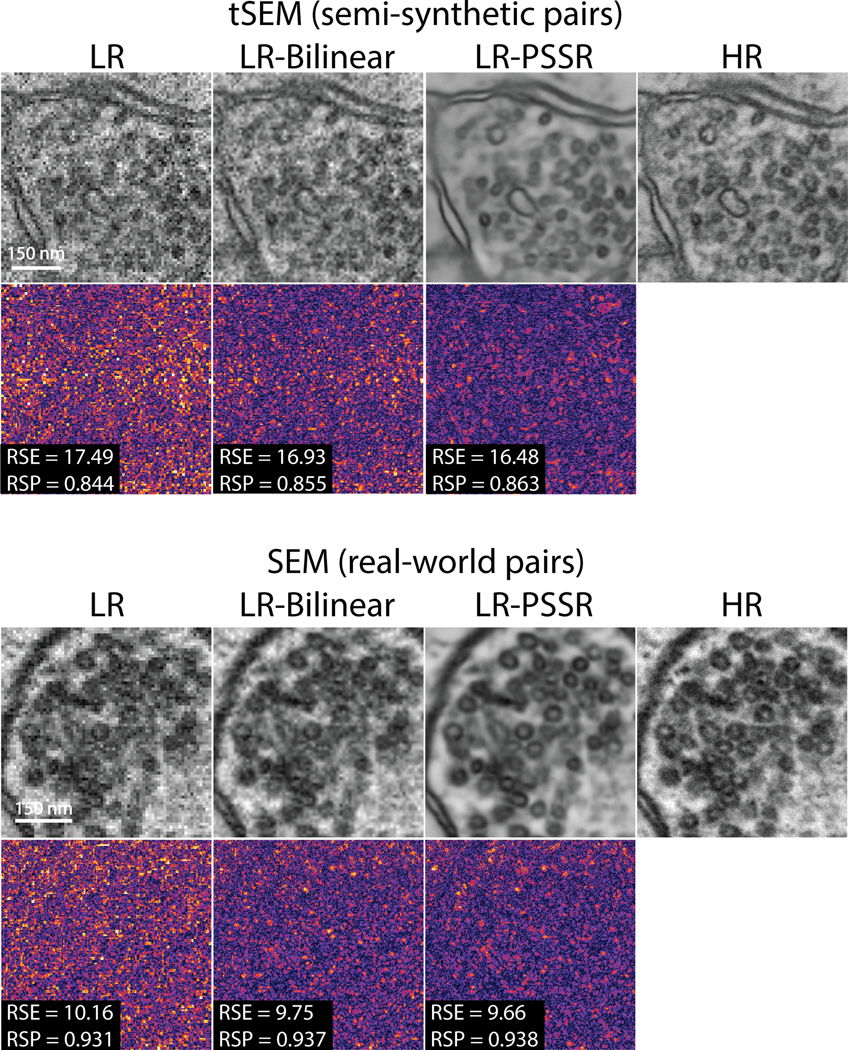
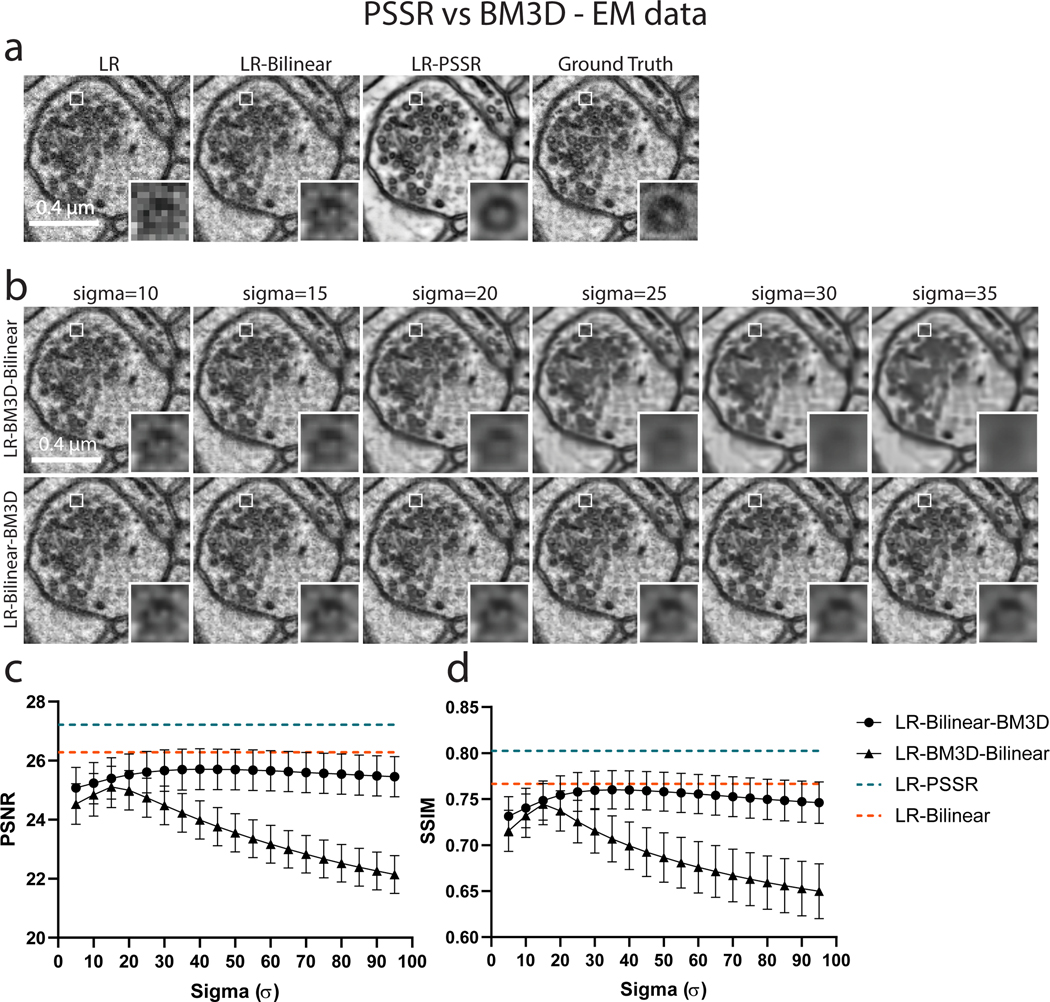
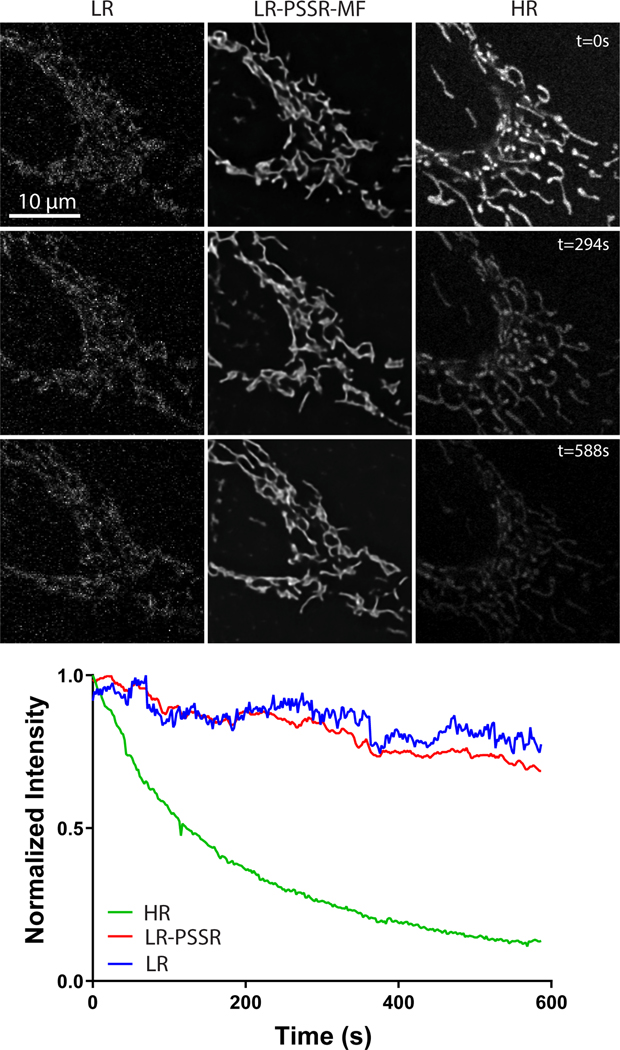
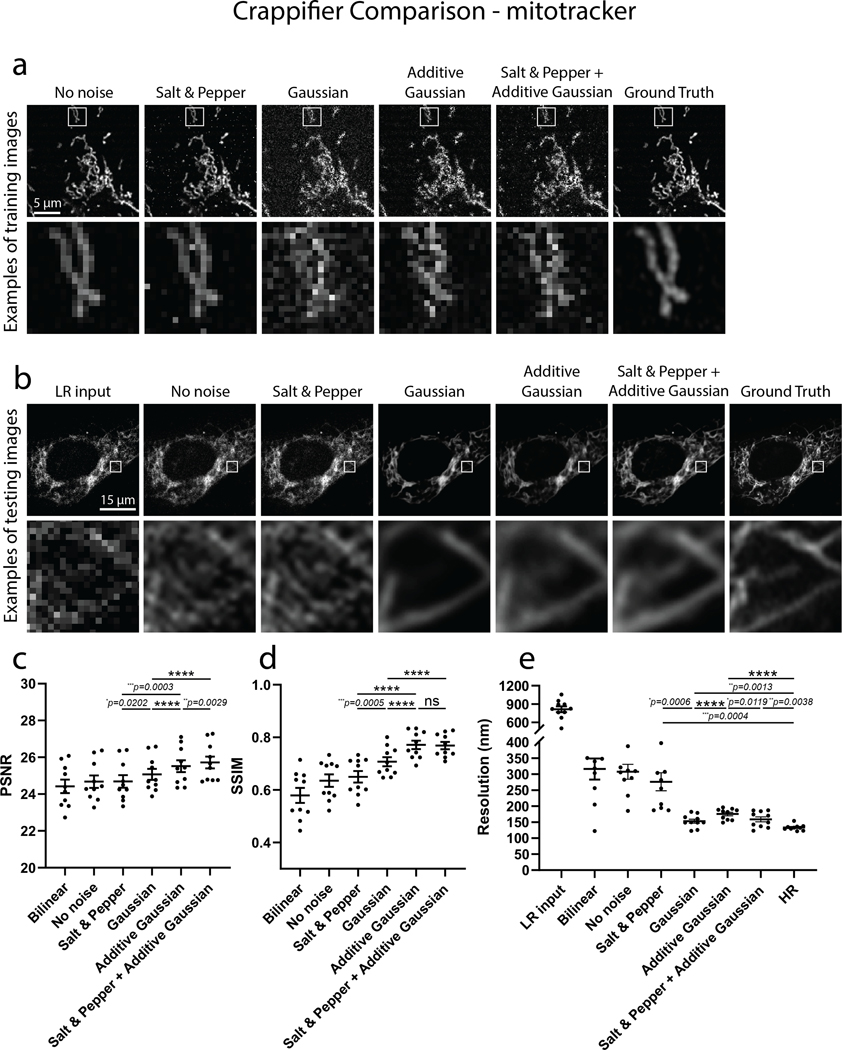
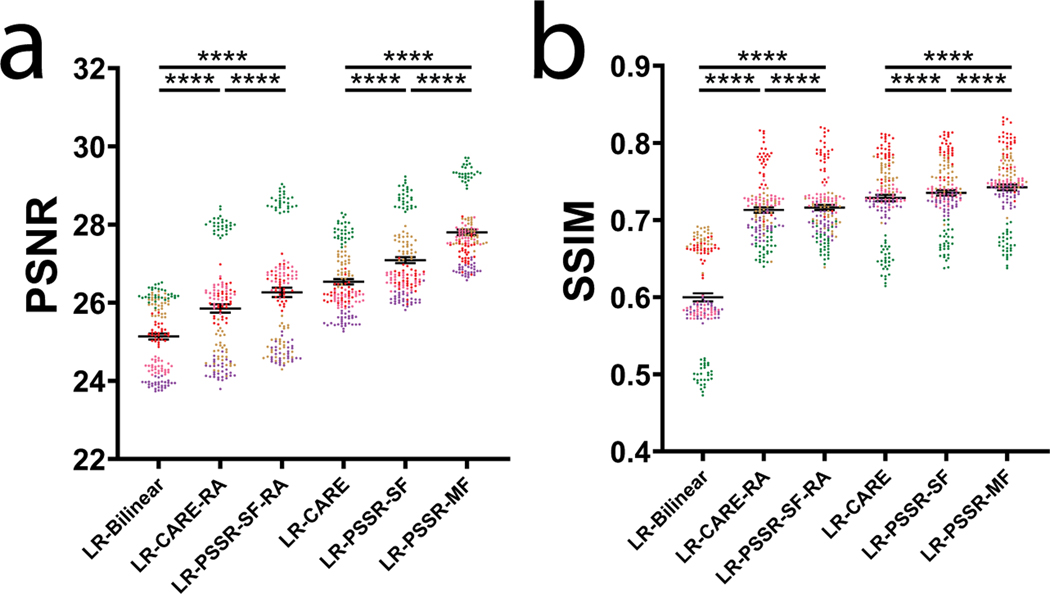
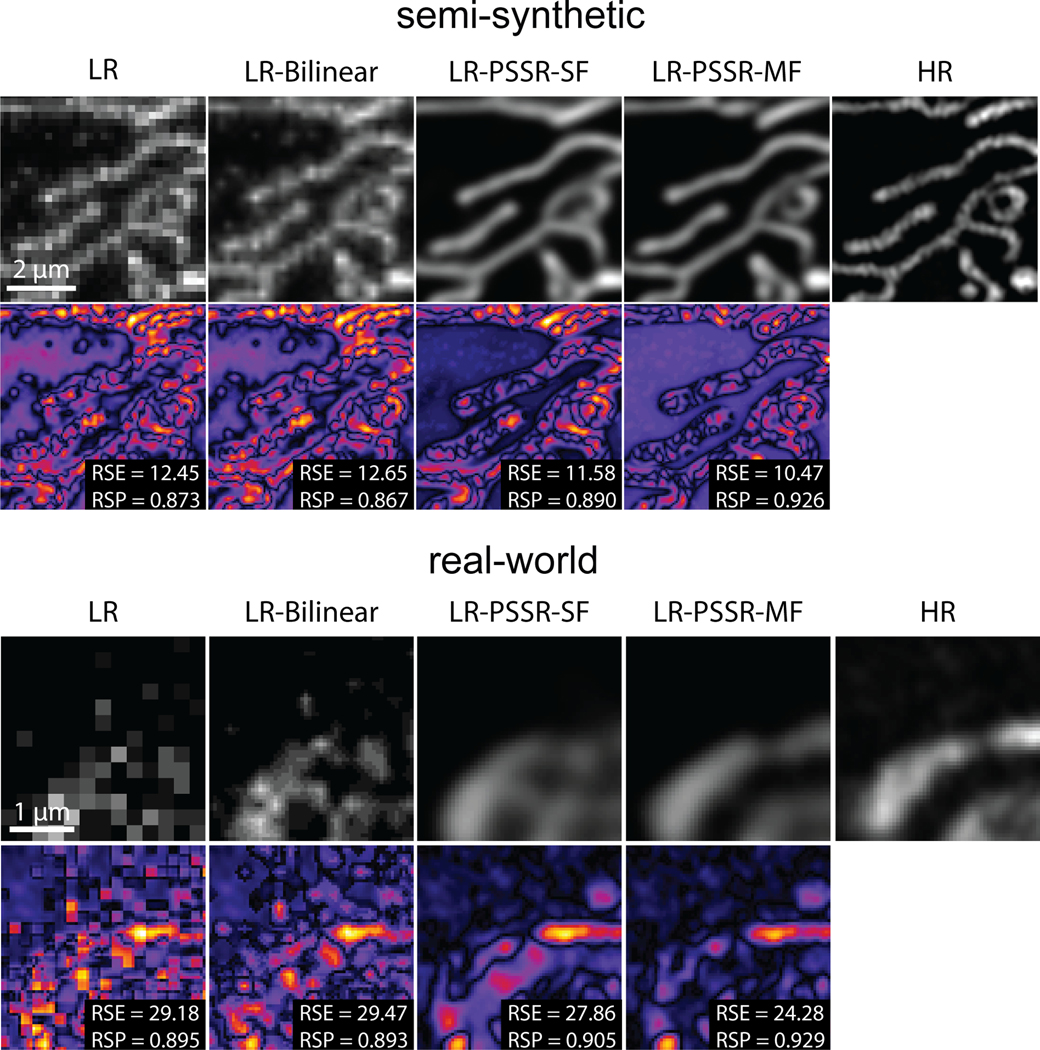
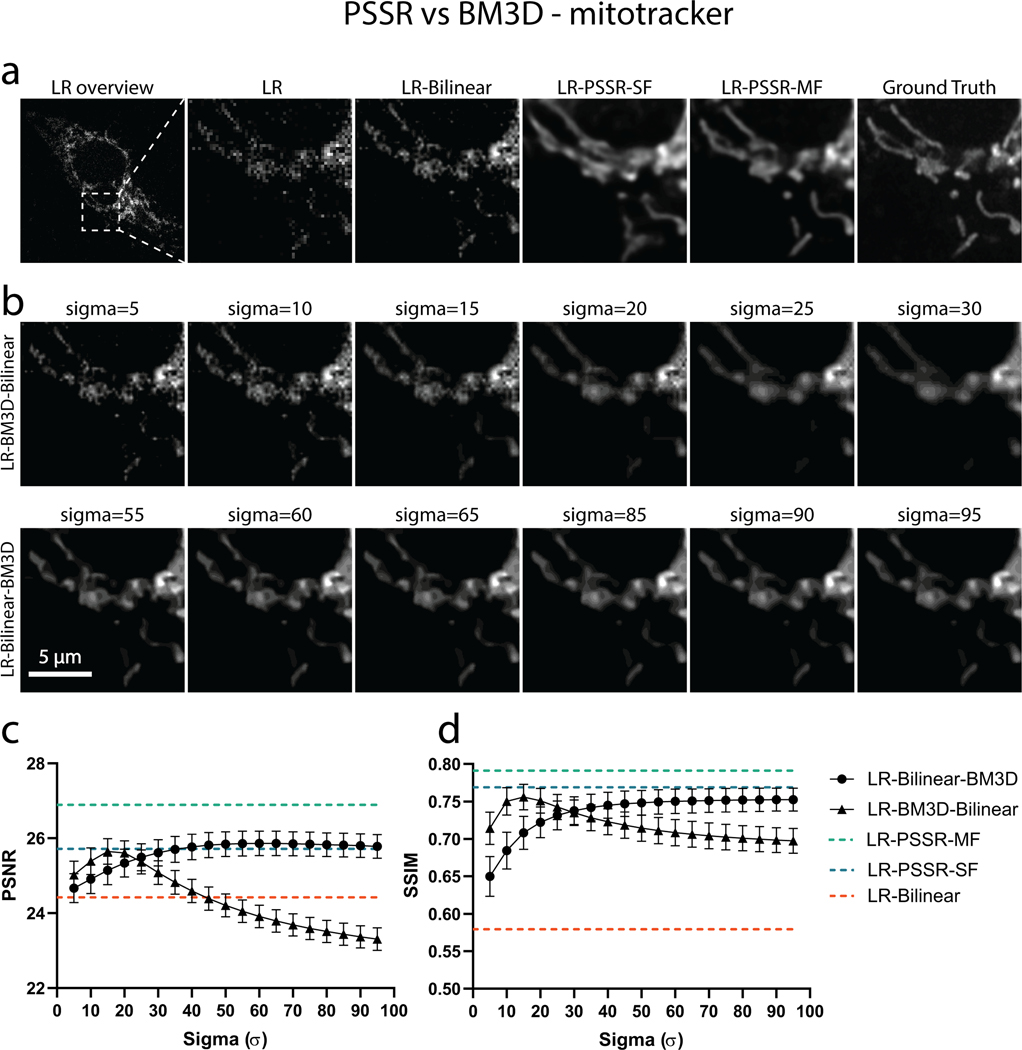
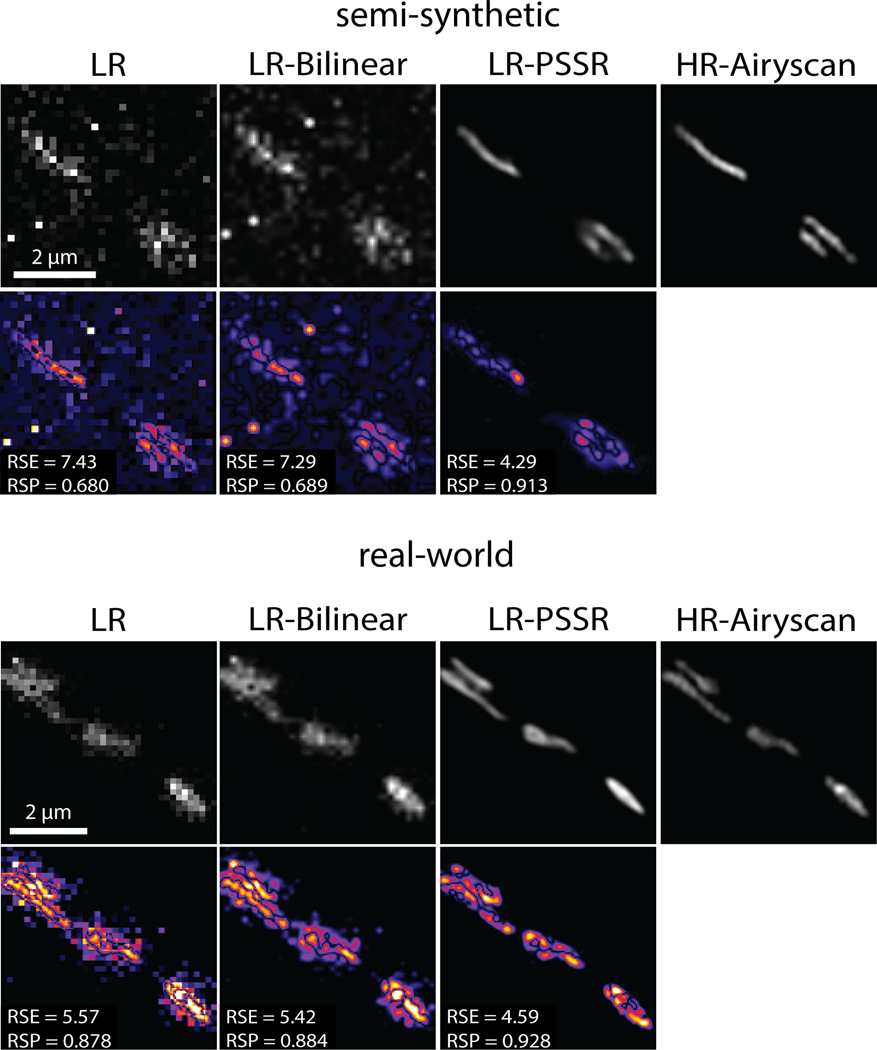
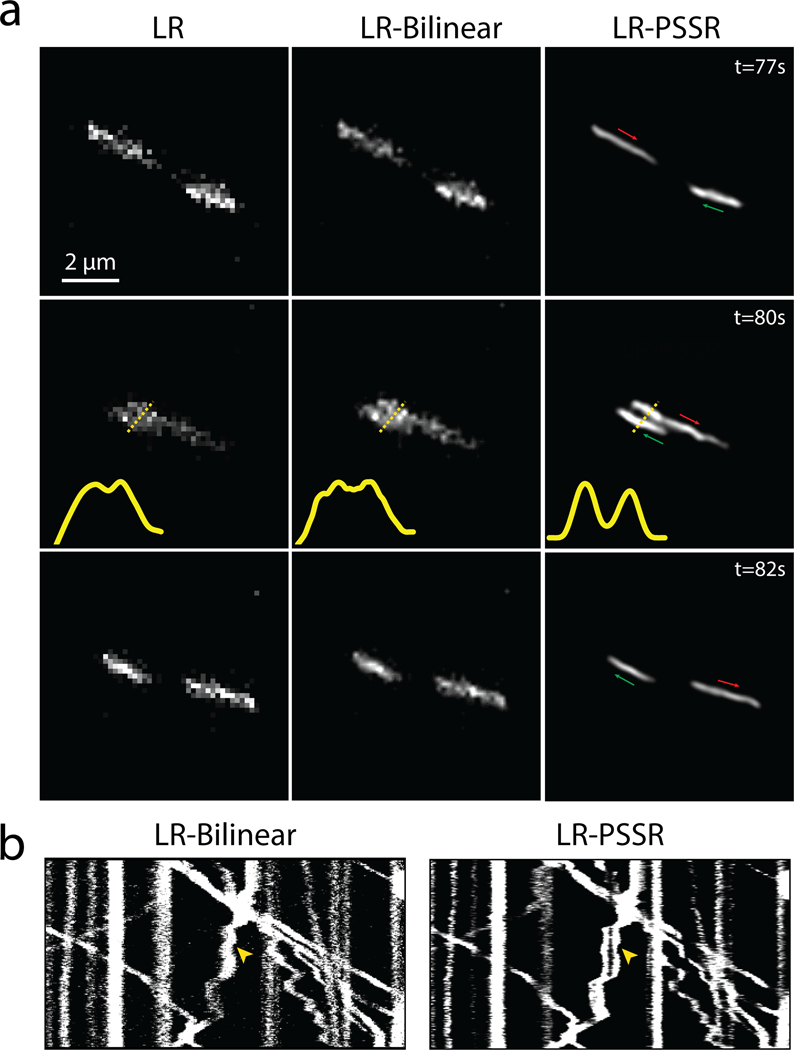
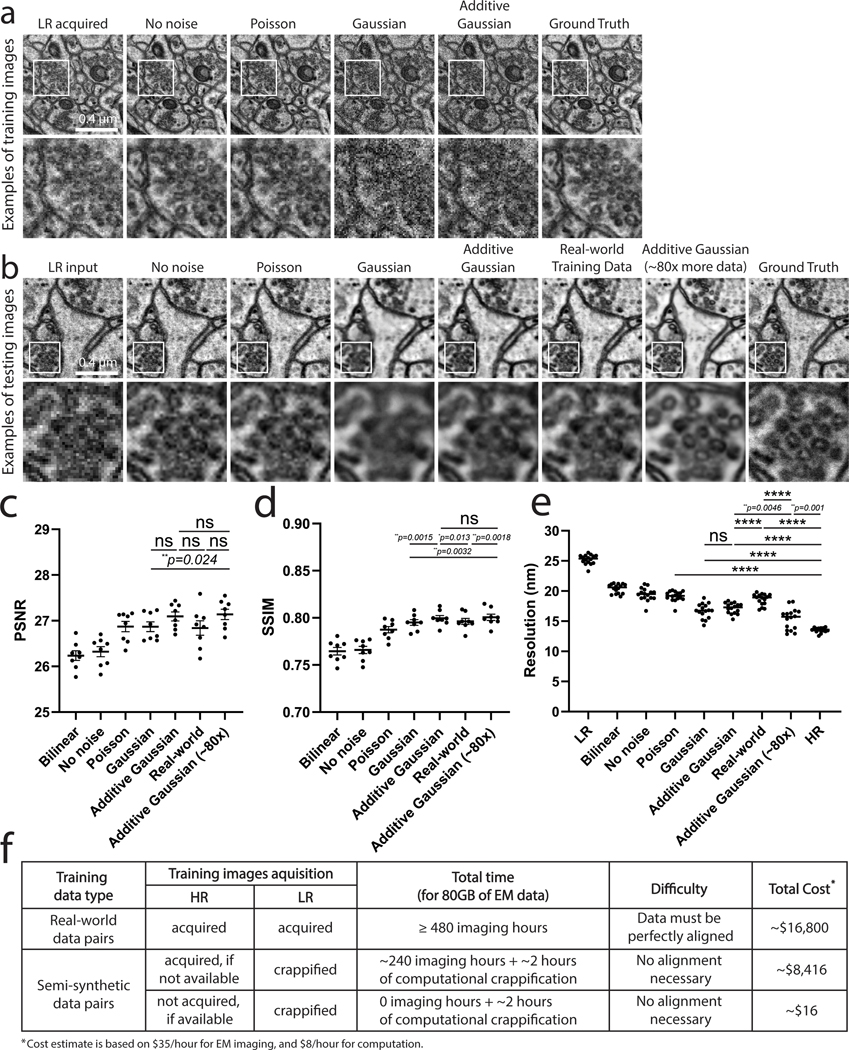
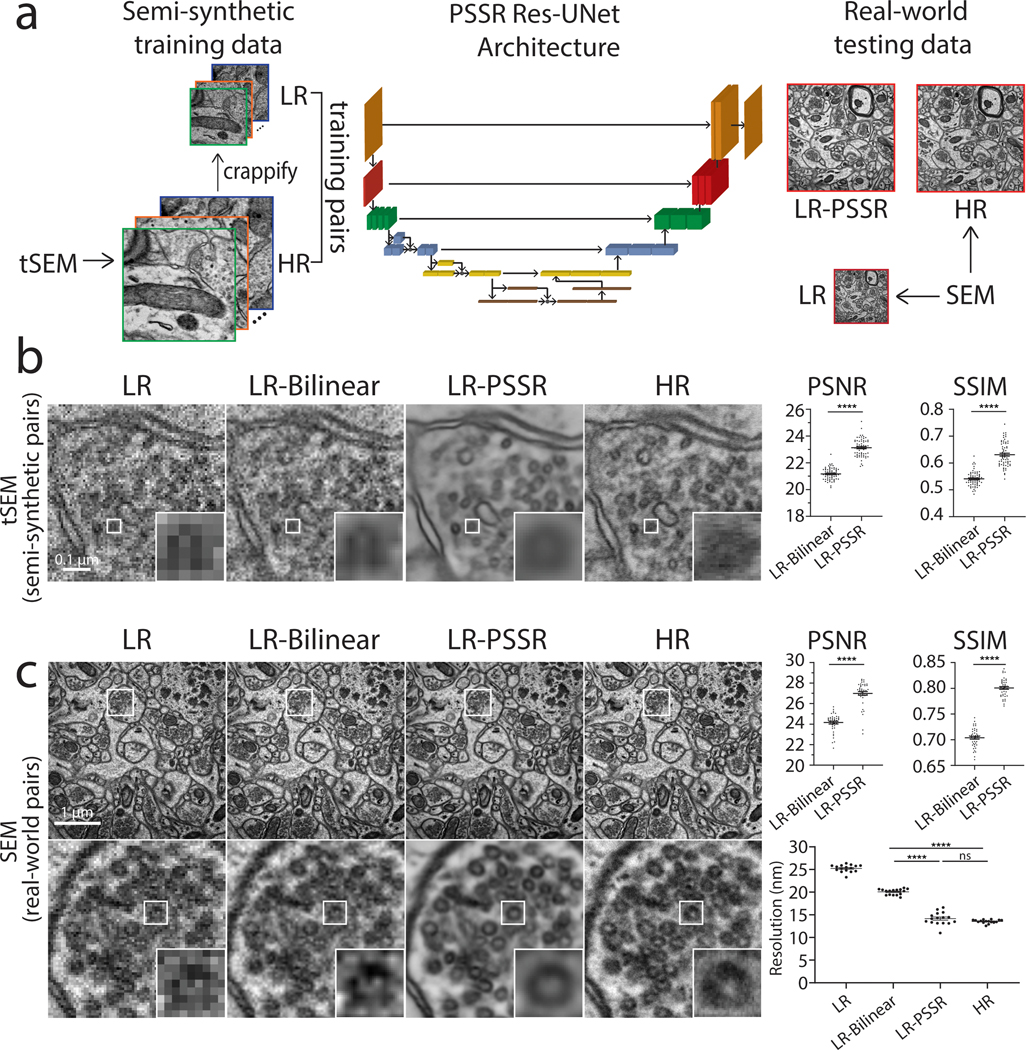
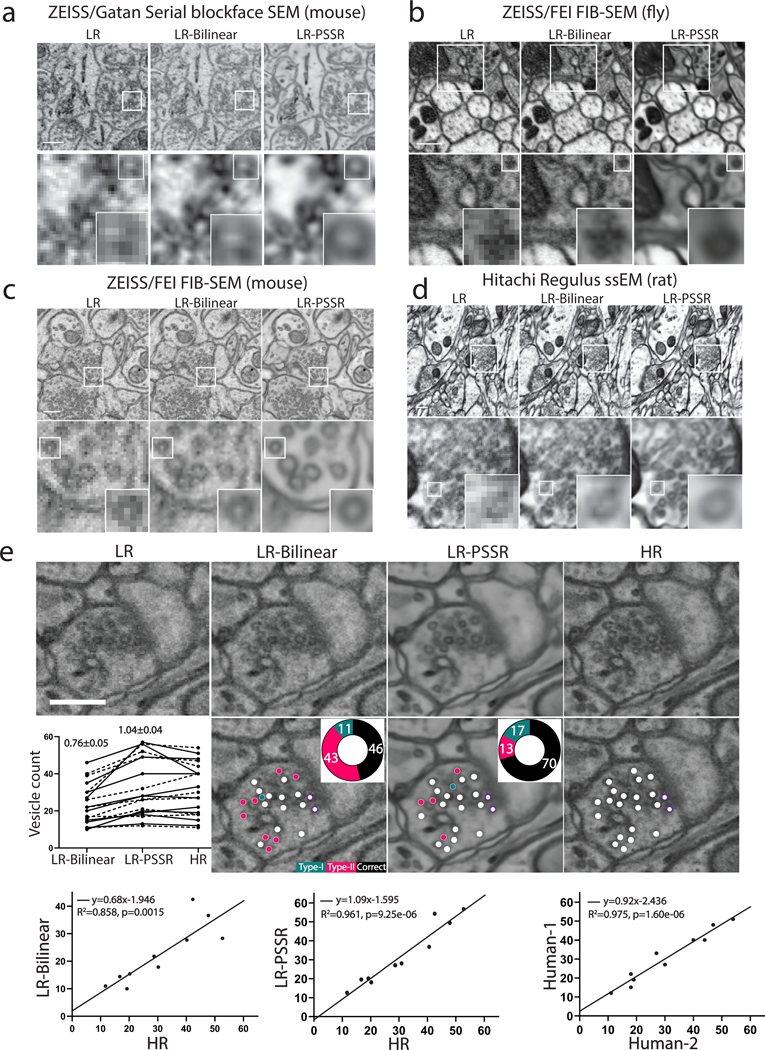
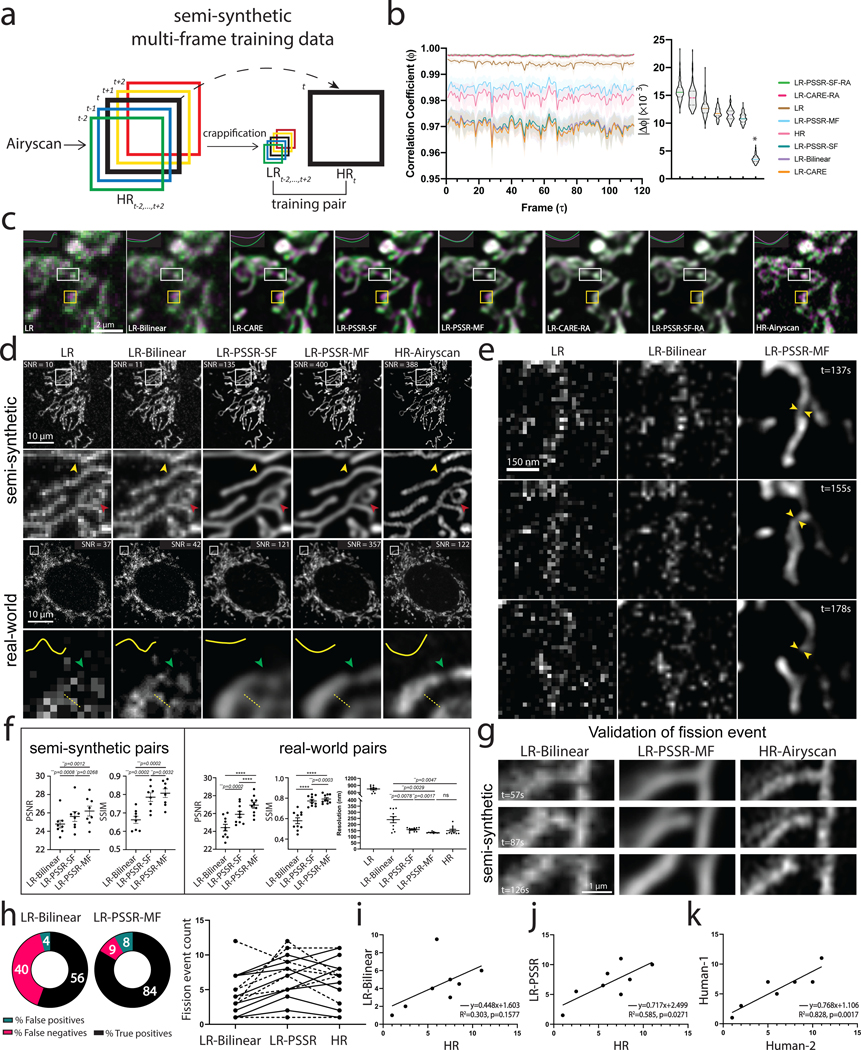
Point-scanning imaging systems are among the most widely used tools for high-resolution cellular and tissue imaging, benefiting from arbitrarily defined pixel sizes. The resolution, speed, sample preservation and signal-to-noise ratio (SNR) of point-scanning systems are difficult to optimize simultaneously. We show these limitations can be mitigated via the use of deep learning-based supersampling of undersampled images acquired on a point-scanning system, which we term point-scanning super-resolution (PSSR) imaging. We designed a 'crappifier' that computationally degrades high SNR, high-pixel resolution ground truth images to simulate low SNR, low-resolution counterparts for training PSSR models that can restore real-world undersampled images. For high spatiotemporal resolution fluorescence time-lapse data, we developed a 'multi-frame' PSSR approach that uses information in adjacent frames to improve model predictions. PSSR facilitates point-scanning image acquisition with otherwise unattainable resolution, speed and sensitivity. All the training data, models and code for PSSR are publicly available at 3DEM.org.
点扫描成像系统是用于高分辨率细胞和组织成像的最广泛使用的工具之一,受益于任意定义的像素大小。点扫描系统的分辨率、速度、样品保存和信噪比(SNR)很难同时优化。我们通过使用基于深度学习的欠采样图像的超采样来减轻这些限制,我们将其称为点扫描超分辨率(PSSR)成像。我们设计了一个“ Crappifier”,它可以通过计算将高 SNR、高像素分辨率的真实图像降级为模拟低 SNR、低分辨率的对应图像,以训练 PSSR 模型,从而可以恢复真实世界的欠采样图像。对于高时空分辨率荧光时程数据,我们开发了一种“多帧” PSSR 方法,该方法使用相邻帧中的信息来改善模型预测。PSSR 可以实现点扫描图像采集,否则无法实现高分辨率、高速度和高灵敏度。PSSR 的所有训练数据、模型和代码都可在 3DEM.org 上获得。