Donisi Valeria, Gajofatto Alberto, Mazzi Maria Angela, Gobbin Francesca, Busch Isolde Martina, Ghellere Annamaria, Rimondini Michela
Section of Clinical Psychology, Department of Neuroscience, Biomedicine and Movement Sciences, University of Verona, Verona, Italy.
Section of Neurology, Department of Neuroscience, Biomedicine and Movement Sciences, University of Verona, Verona, Italy.
Front Psychiatry. 2021 Feb 22;11:588275. doi: 10.3389/fpsyt.2020.588275. eCollection 2020.
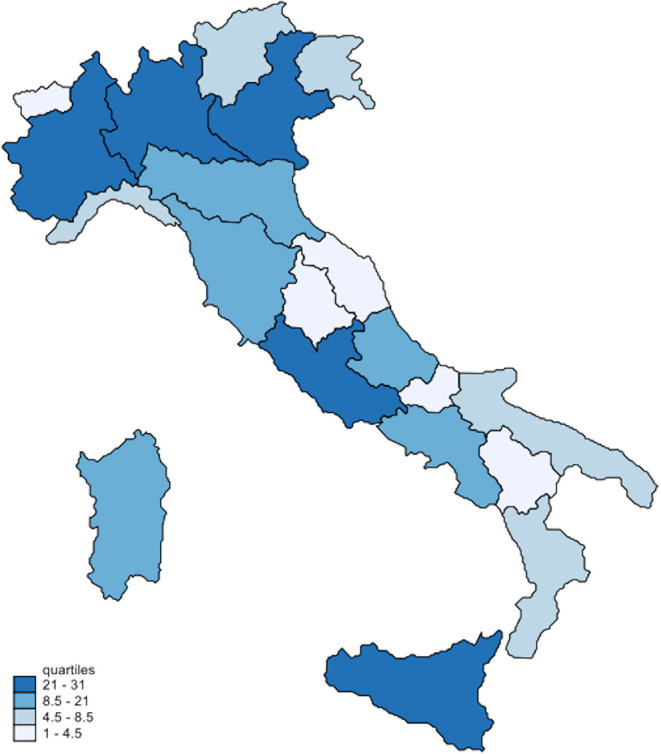
Recent evidence has demonstrated that the COVID-19 pandemic is taking a toll on the mental health of the general population. The psychological consequences might be even more severe for patients with special healthcare needs and psychological vulnerabilities due to chronic diseases, such as multiple sclerosis (MS). Thus, we aimed to explore the psychological impact of this pandemic and of the subsequent healthcare service changes on young adults with MS living in Italy and to examine their coping strategies and preferences regarding psychological support in the aftermath of the pandemic. Data were collected using a cross-sectional, web-based survey advertised on social networks. We report both quantitative (descriptive statistics, -tests, and one-way ANOVA) and qualitative data (inductive content analysis). Two hundred and forty-seven respondents (mean age 32 ± 7 years), mainly with relapsing-remitting MS, from all Italian regions participated. Participants felt more worried, confused, sad, and vulnerable because of the disease "during" the pandemic in comparison to their self-evaluation of the period "before" the COVID-19 outbreak. Similarly, their perception of control over MS decreased "during" the pandemic in comparison to the retrospective evaluation of the period "before" the COVID-19 outbreak ( < 0.01). Canceled/postponed visits/exams were listed as the most frequent MS management changes, with modified/postponed pharmacological treatment representing the most stressful change. Psychological support in dealing with pandemic-related fears and improving MS acceptance and well-being was considered extremely important by almost 40% of the respondents. Different coping strategies were mentioned in the qualitative section of the survey, with social support, hobbies, and keeping busy being the most frequent ones. Considering the enormous impact of the pandemic on young adults with MS, we urge MS clinical centers to implement psychological support programs that address the potentially long-lasting psychological negative impact, thus fostering the therapeutic alliance that is being threatened by the infection prevention measures imposed during the pandemic, and promoting psychological resources for adaptively managing future waves of COVID-19.
近期证据表明,新冠疫情正在对普通人群的心理健康造成损害。对于因慢性病(如多发性硬化症,MS)而有特殊医疗需求和心理脆弱性的患者,其心理后果可能更为严重。因此,我们旨在探讨这场疫情及其引发的医疗服务变化对生活在意大利的MS青年患者的心理影响,并研究他们在疫情后应对心理支持的策略和偏好。我们通过在社交网络上宣传的横断面网络调查收集数据。我们报告了定量数据(描述性统计、t检验和单因素方差分析)和定性数据(归纳性内容分析)。来自意大利所有地区的247名受访者(平均年龄32±7岁)参与了调查,主要患有复发缓解型MS。与他们对新冠疫情爆发“之前”那段时期的自我评估相比,参与者在疫情“期间”因疾病而感到更加担忧、困惑、悲伤和脆弱。同样,与对新冠疫情爆发“之前”那段时期的回顾性评估相比,他们在疫情“期间”对MS的控制感有所下降(P<0.01)。取消/推迟就诊/检查被列为最常见的MS管理变化,而调整/推迟药物治疗则被认为是压力最大的变化。近40%的受访者认为,在应对与疫情相关的恐惧以及提高对MS的接受度和幸福感方面,心理支持极其重要。在调查的定性部分提到了不同的应对策略,其中社会支持、爱好和让自己忙碌是最常见的策略。考虑到疫情对MS青年患者的巨大影响,我们敦促MS临床中心实施心理支持项目,以应对可能长期存在的心理负面影响,从而加强因疫情期间实施的感染预防措施而受到威胁的治疗联盟,并促进用于适应性应对未来新冠疫情浪潮的心理资源。