Zhang Han, Qin Chuan, Liu Hua Wen, Guo Xiong, Gan Hua
Department of Nephrology, The First Affiliated Hospital of Chongqing Medical University, Chongqing, China.
Department of Oncology, Chongqing University Three Gorges Hospital, Chongqing, China.
Front Oncol. 2021 Feb 22;11:616722. doi: 10.3389/fonc.2021.616722. eCollection 2021.
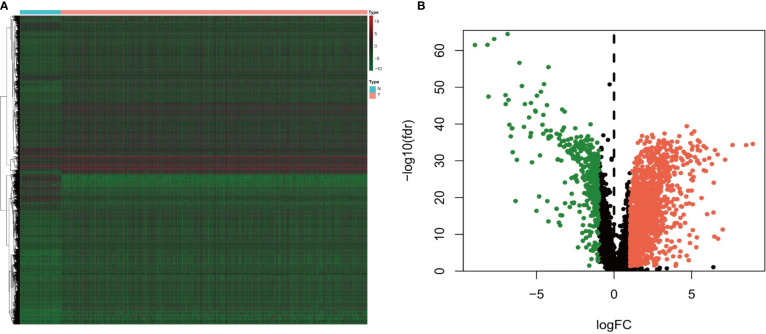
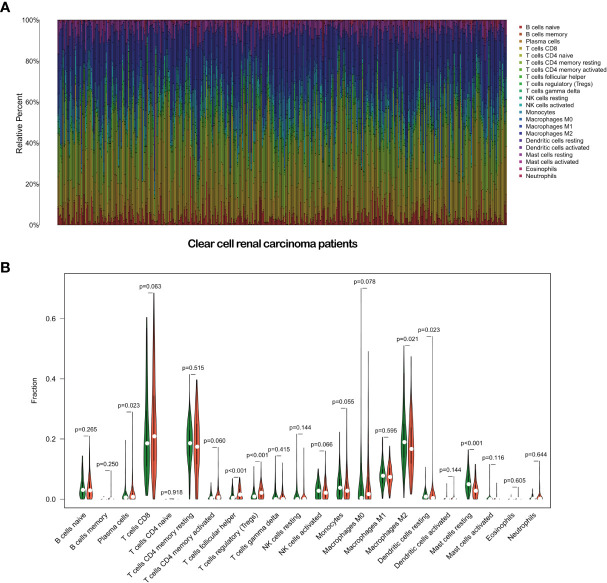
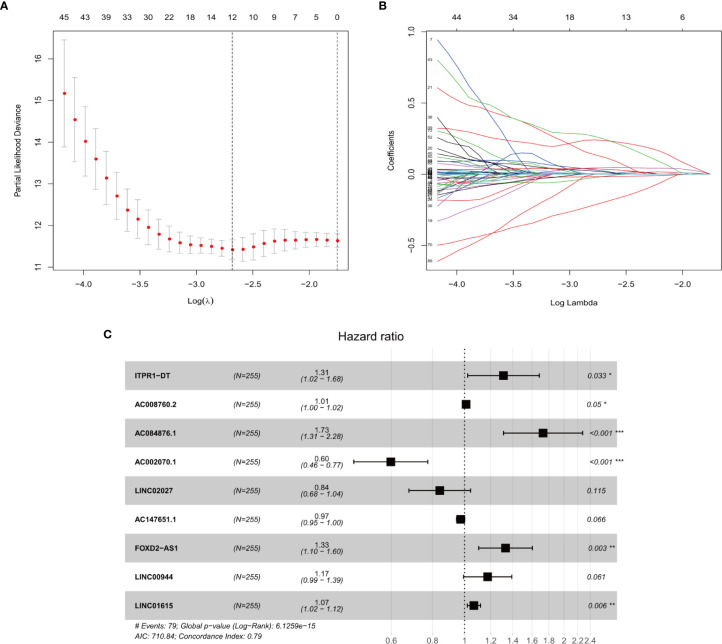
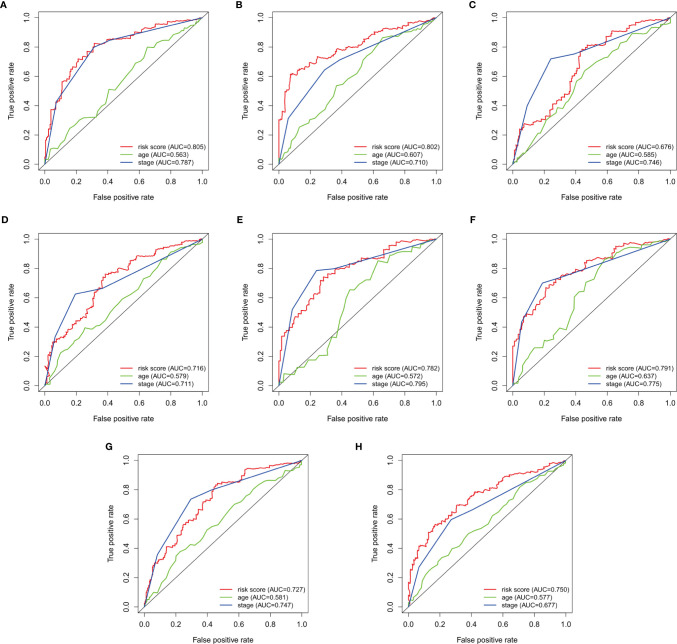
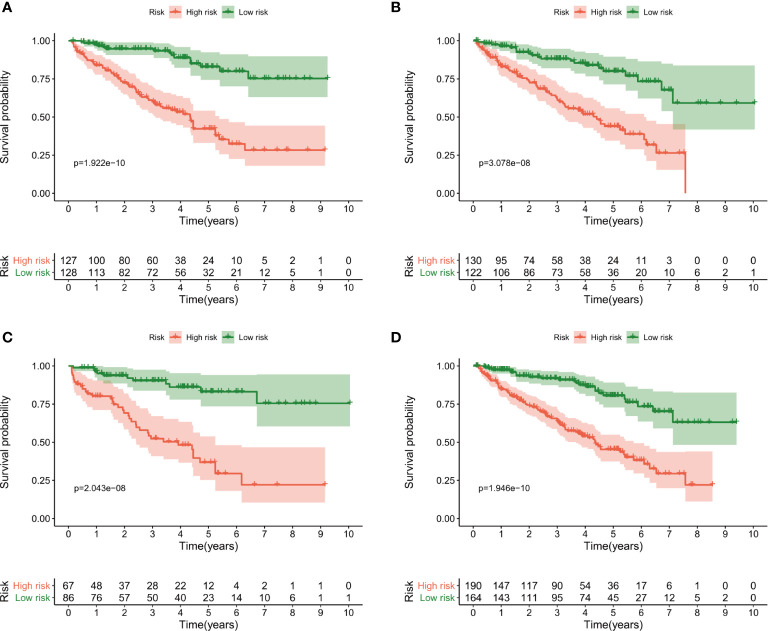
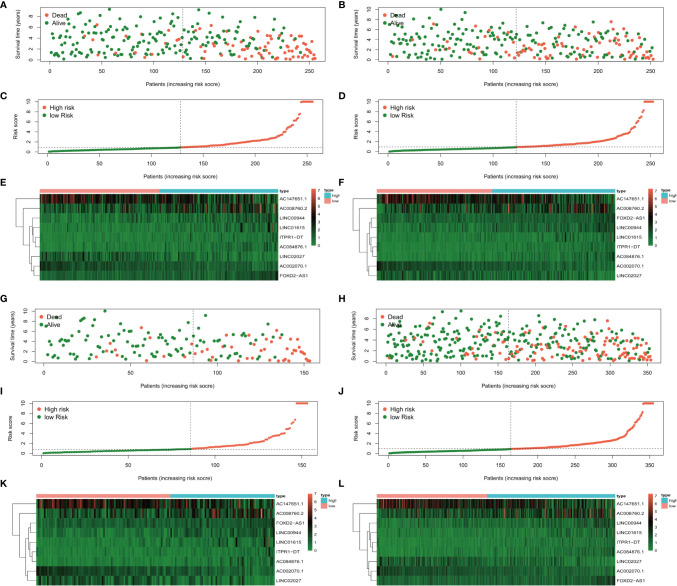
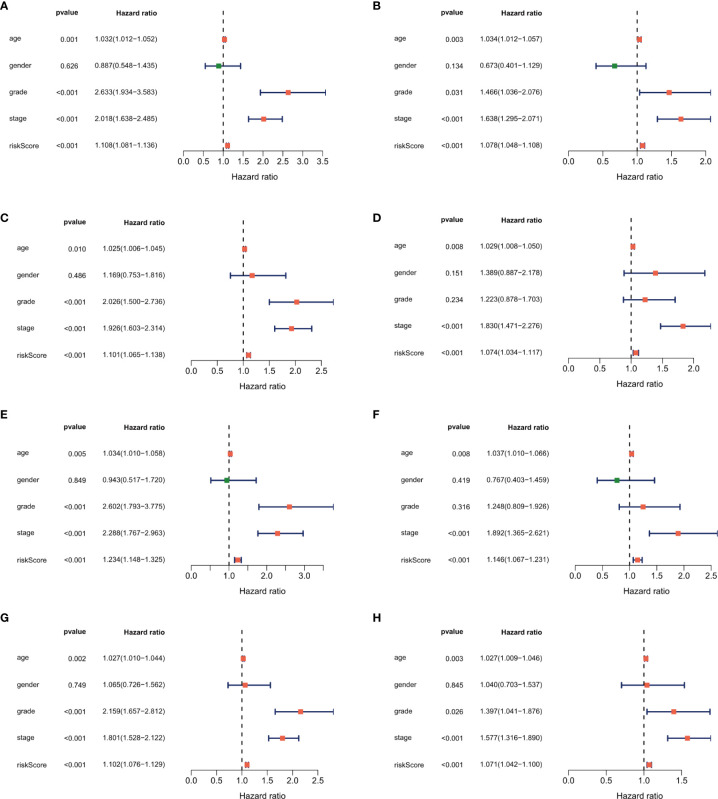
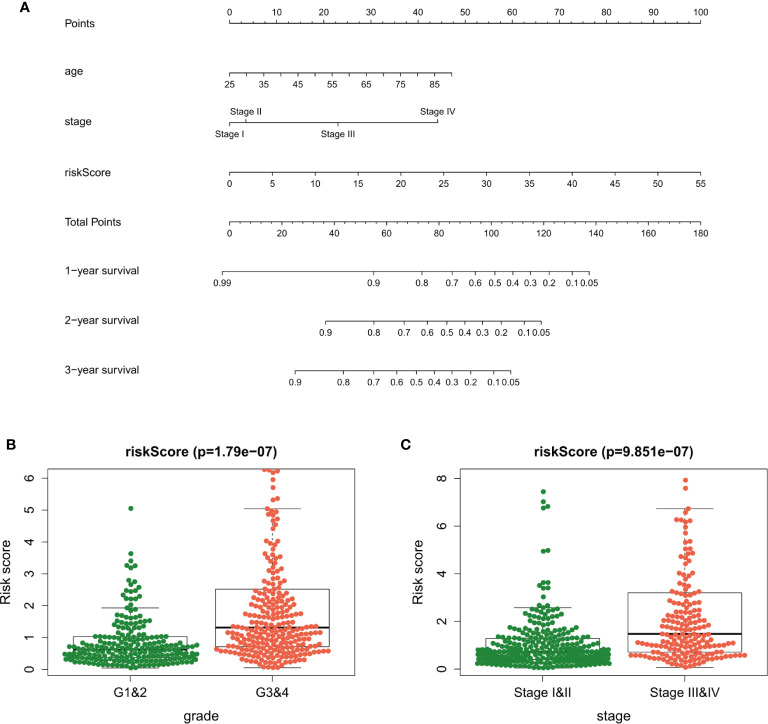
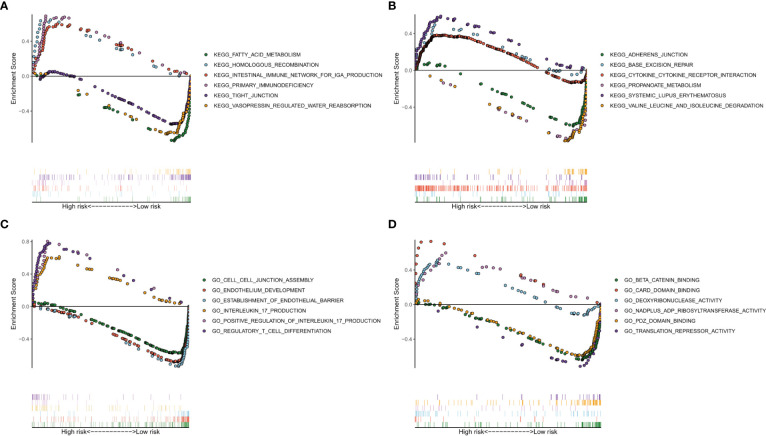
Hypoxia is a significant clinical feature and regulates various tumor processes in clear cell renal carcinoma (ccRCC). Increasing evidence has demonstrated that long non-coding RNAs (lncRNAs) are closely associated with the survival outcomes of ccRCC patients and regulates hypoxia-induced tumor processes. Thus, this study aimed to develop a hypoxia-related lncRNA (HRL) prognostic model for predicting the survival outcomes in ccRCC. LncRNAs in ccRCC samples were extracted from The Cancer Genome Atlas database. Hypoxia-related genes were downloaded from the Molecular Signatures Database. A co-expression analysis between differentially expressed lncRNAs and hypoxia-related genes in ccRCC samples was performed to identify HRLs. Univariate and multivariate Cox regression analyses were performed to select nine optimal lncRNAs for developing the HRL model. The prognostic model showed good performance in predicting prognosis among patients with ccRCC, and the validation sets reached consistent results. The model was also found to be related to the clinicopathologic parameters of tumor grade and tumor stage and to tumor immune infiltration. In conclusion, our findings indicate that the hypoxia-lncRNA assessment model may be useful for prognostication in ccRCC cases. Furthermore, the nine HRLs included in the model might be useful targets for investigating the tumorigenesis of ccRCC and designing individualized treatment strategies.
缺氧是透明细胞肾细胞癌(ccRCC)的一个重要临床特征,并调节着各种肿瘤进程。越来越多的证据表明,长链非编码RNA(lncRNAs)与ccRCC患者的生存结果密切相关,并调节缺氧诱导的肿瘤进程。因此,本研究旨在建立一种缺氧相关lncRNA(HRL)预后模型,用于预测ccRCC的生存结果。从癌症基因组图谱数据库中提取ccRCC样本中的lncRNAs。从分子特征数据库下载缺氧相关基因。对ccRCC样本中差异表达的lncRNAs与缺氧相关基因进行共表达分析,以鉴定HRLs。进行单因素和多因素Cox回归分析,以选择九个最佳lncRNAs来建立HRL模型。该预后模型在预测ccRCC患者预后方面表现良好,验证集也得到了一致的结果。还发现该模型与肿瘤分级和肿瘤分期的临床病理参数以及肿瘤免疫浸润有关。总之,我们的研究结果表明,缺氧-lncRNA评估模型可能对ccRCC病例的预后评估有用。此外,模型中包含的九个HRLs可能是研究ccRCC肿瘤发生机制和设计个体化治疗策略的有用靶点。