Department of Electrical and Computer Engineering, George Washington University, Washington, DC, USA.
School of Physical and Mathematical Sciences and School Electrical and Electronic Engineering, Nanyang Technological University, Singapore, Singapore.
Sci Rep. 2021 Mar 11;11(1):5776. doi: 10.1038/s41598-021-85232-3.
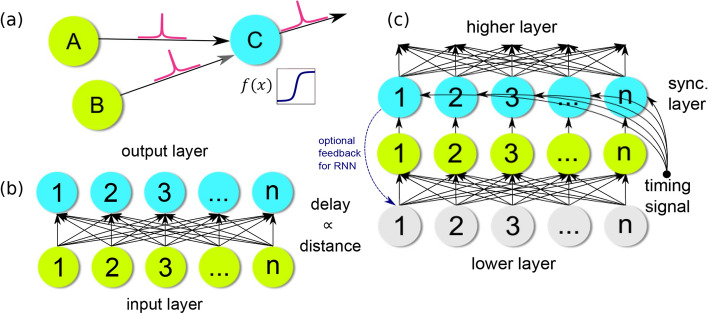
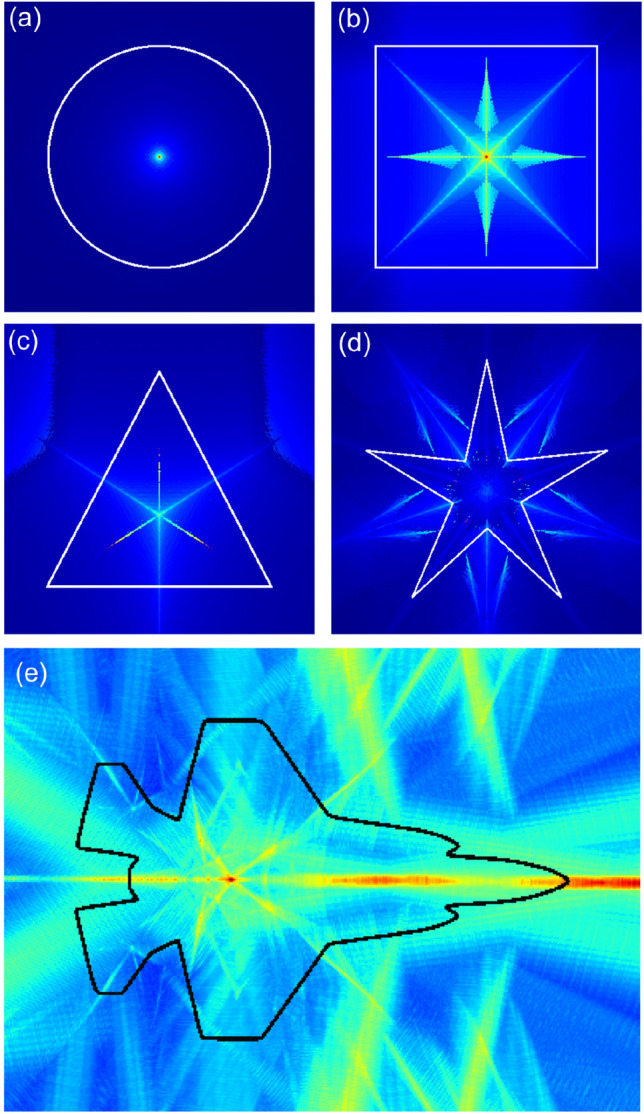
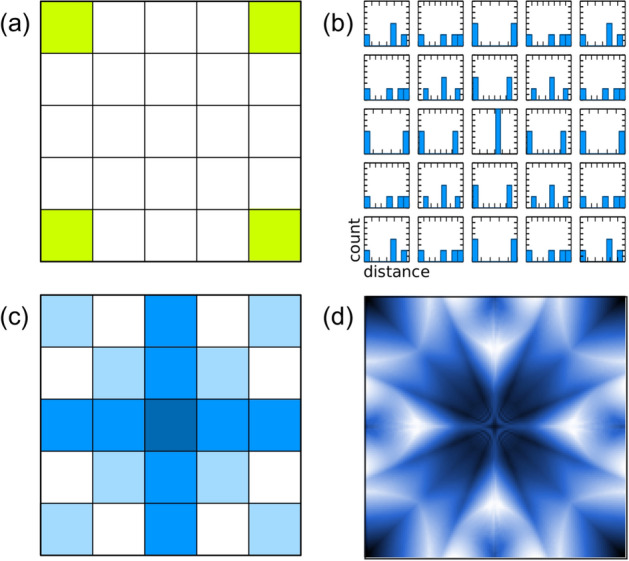
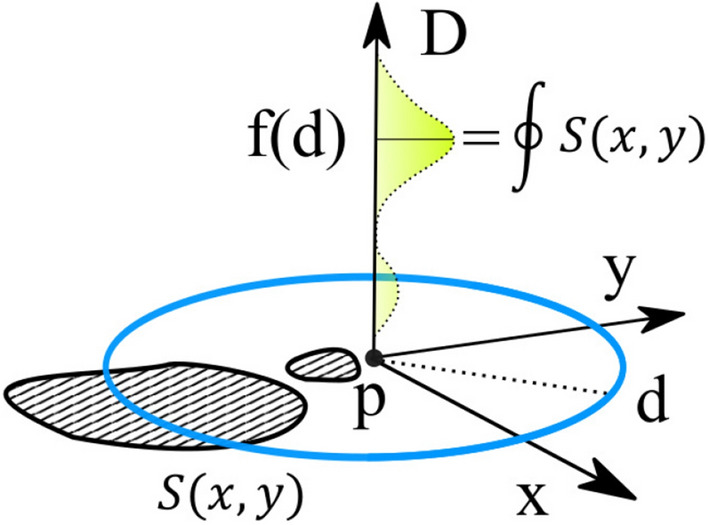
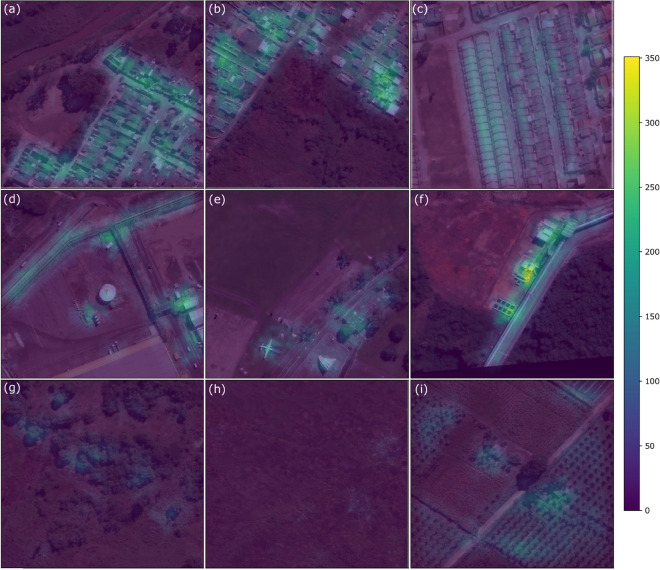
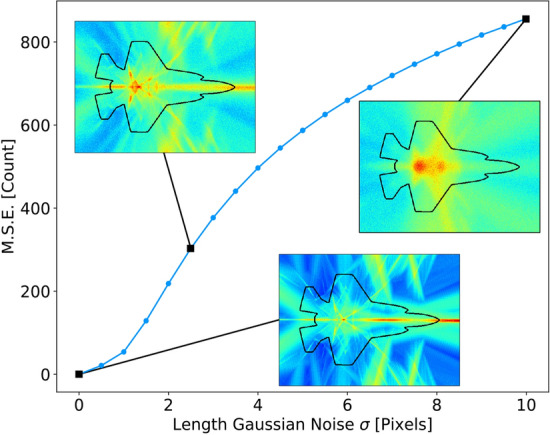
Mirror symmetry is an abundant feature in both nature and technology. Its successful detection is critical for perception procedures based on visual stimuli and requires organizational processes. Neuromorphic computing, utilizing brain-mimicked networks, could be a technology-solution providing such perceptual organization functionality, and furthermore has made tremendous advances in computing efficiency by applying a spiking model of information. Spiking models inherently maximize efficiency in noisy environments by placing the energy of the signal in a minimal time. However, many neuromorphic computing models ignore time delay between nodes, choosing instead to approximate connections between neurons as instantaneous weighting. With this assumption, many complex time interactions of spiking neurons are lost. Here, we show that the coincidence detection property of a spiking-based feed-forward neural network enables mirror symmetry. Testing this algorithm exemplary on geospatial satellite image data sets reveals how symmetry density enables automated recognition of man-made structures over vegetation. We further demonstrate that the addition of noise improves feature detectability of an image through coincidence point generation. The ability to obtain mirror symmetry from spiking neural networks can be a powerful tool for applications in image-based rendering, computer graphics, robotics, photo interpretation, image retrieval, video analysis and annotation, multi-media and may help accelerating the brain-machine interconnection. More importantly it enables a technology pathway in bridging the gap between the low-level incoming sensor stimuli and high-level interpretation of these inputs as recognized objects and scenes in the world.
镜像对称在自然界和技术中都具有丰富的特征。成功检测到它对于基于视觉刺激的感知过程至关重要,并且需要组织过程。利用大脑模拟网络的神经形态计算可能是一种提供这种感知组织功能的技术解决方案,并且通过应用信息的尖峰模型,在计算效率方面取得了巨大进展。尖峰模型通过在最短时间内将信号的能量放置在最小时间内,从而固有地提高了噪声环境下的效率。然而,许多神经形态计算模型忽略了节点之间的时间延迟,而是选择将神经元之间的连接近似为瞬时加权。有了这个假设,许多尖峰神经元的复杂时间相互作用就丢失了。在这里,我们表明基于尖峰的前馈神经网络的巧合检测特性能够实现镜像对称。在地理空间卫星图像数据集上对该算法进行示例测试,揭示了对称密度如何能够自动识别植被上的人造结构。我们进一步证明,通过生成巧合点,噪声的添加可以提高图像的特征可检测性。从尖峰神经网络中获得镜像对称的能力可以成为基于图像渲染、计算机图形学、机器人技术、照片解释、图像检索、视频分析和注释、多媒体等应用的强大工具,并可能有助于加速大脑-机器连接。更重要的是,它为在低水平传入传感器刺激和对这些输入的高级解释之间架起桥梁提供了一种技术途径,这些输入被识别为世界上的物体和场景。