Department of Neurology and Neurological Sciences, School of Medicine, Stanford University, Stanford, California, USA.
Cancer Research Institute, College of Medicine, Seoul National University, Seoul, Republic of Korea.
Mol Carcinog. 2021 May;60(5):297-312. doi: 10.1002/mc.23289. Epub 2021 Mar 15.
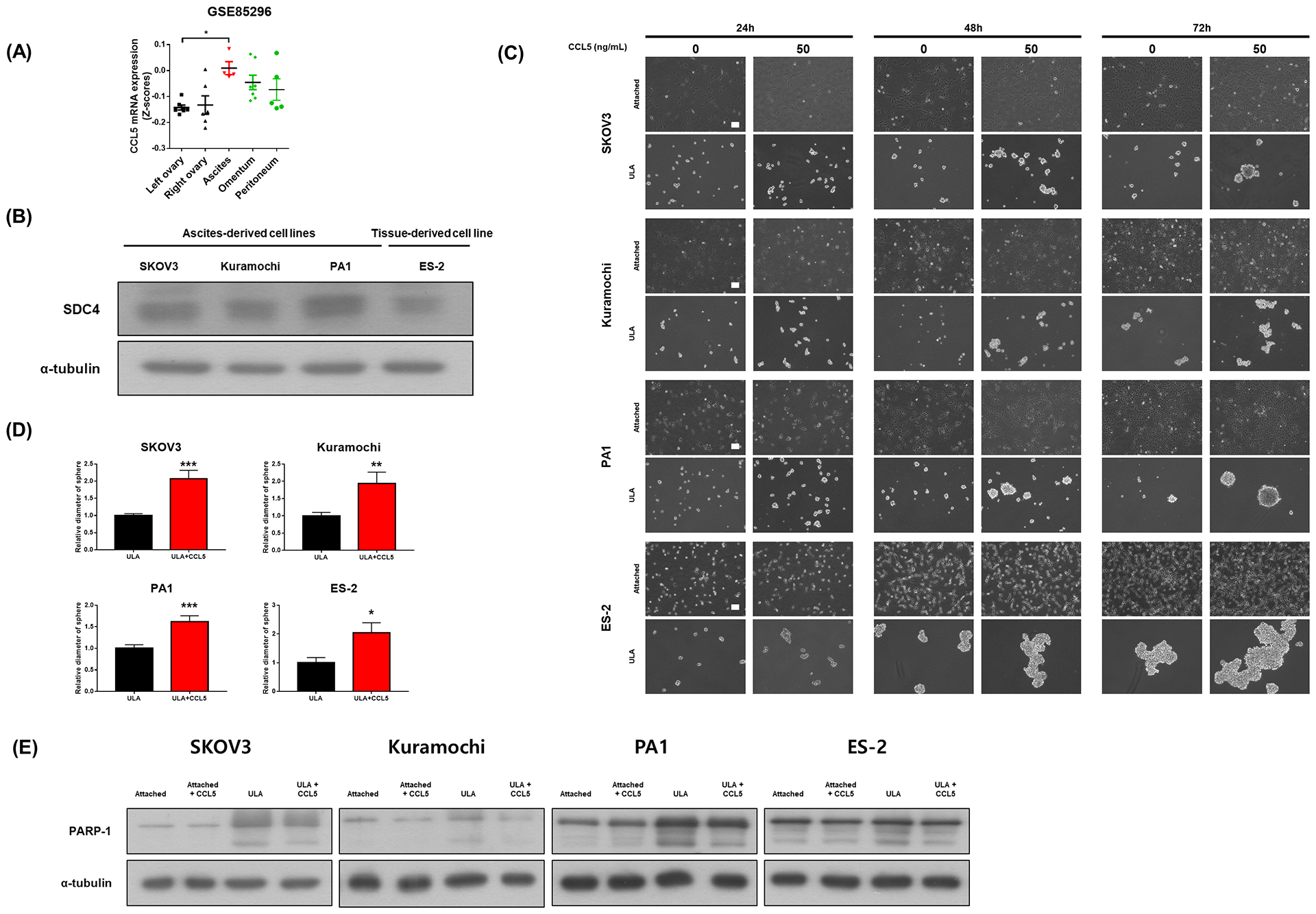
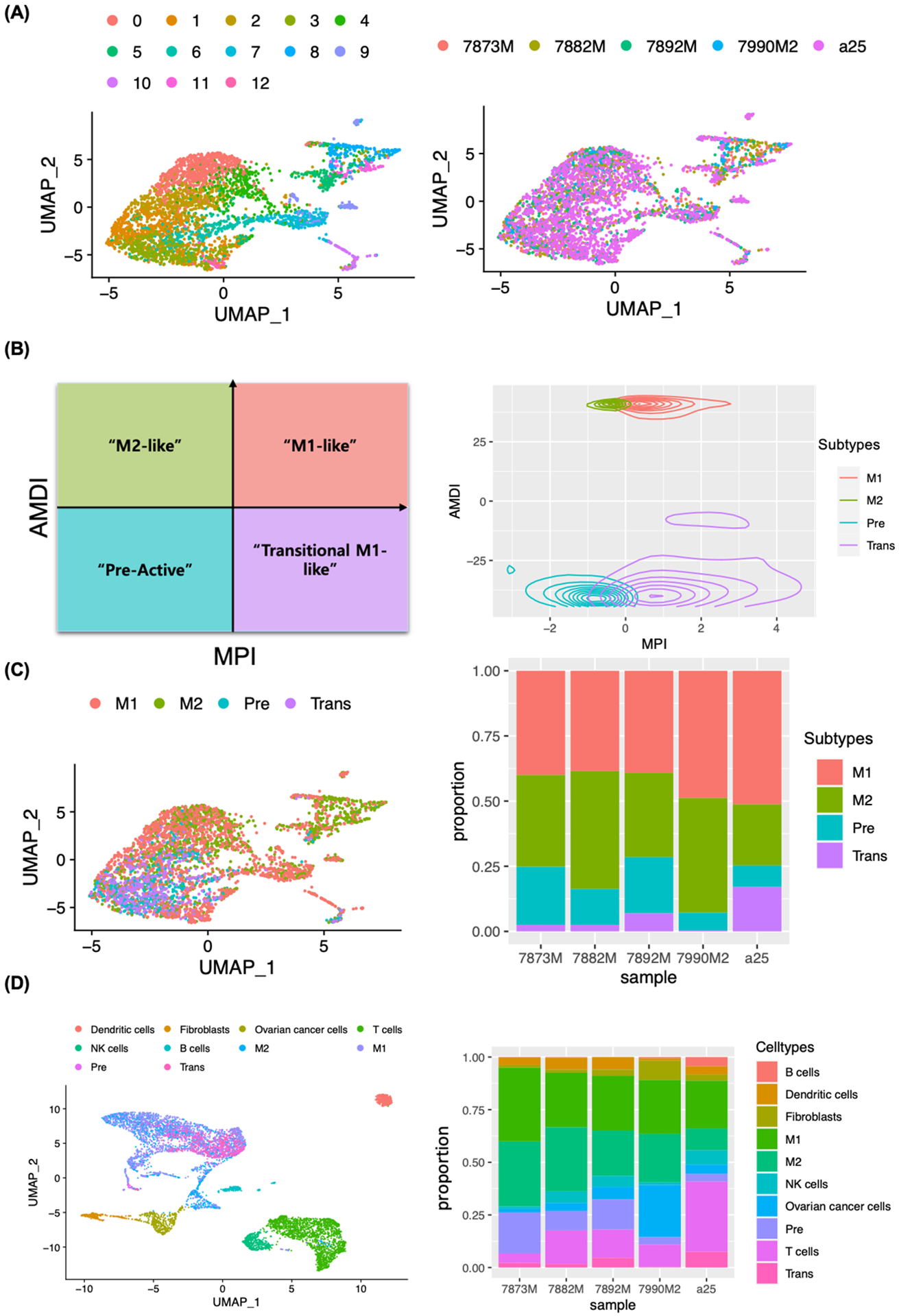
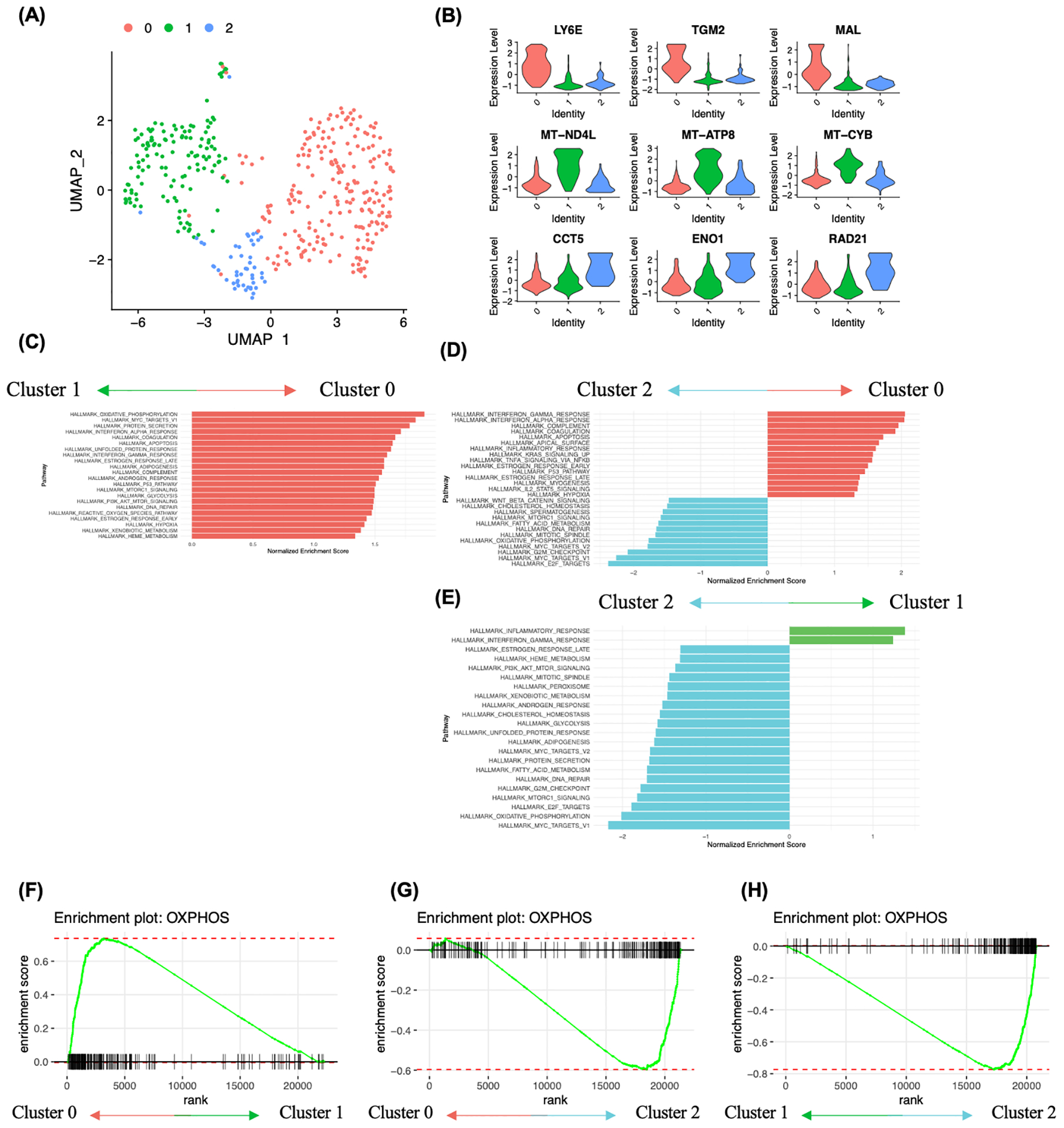
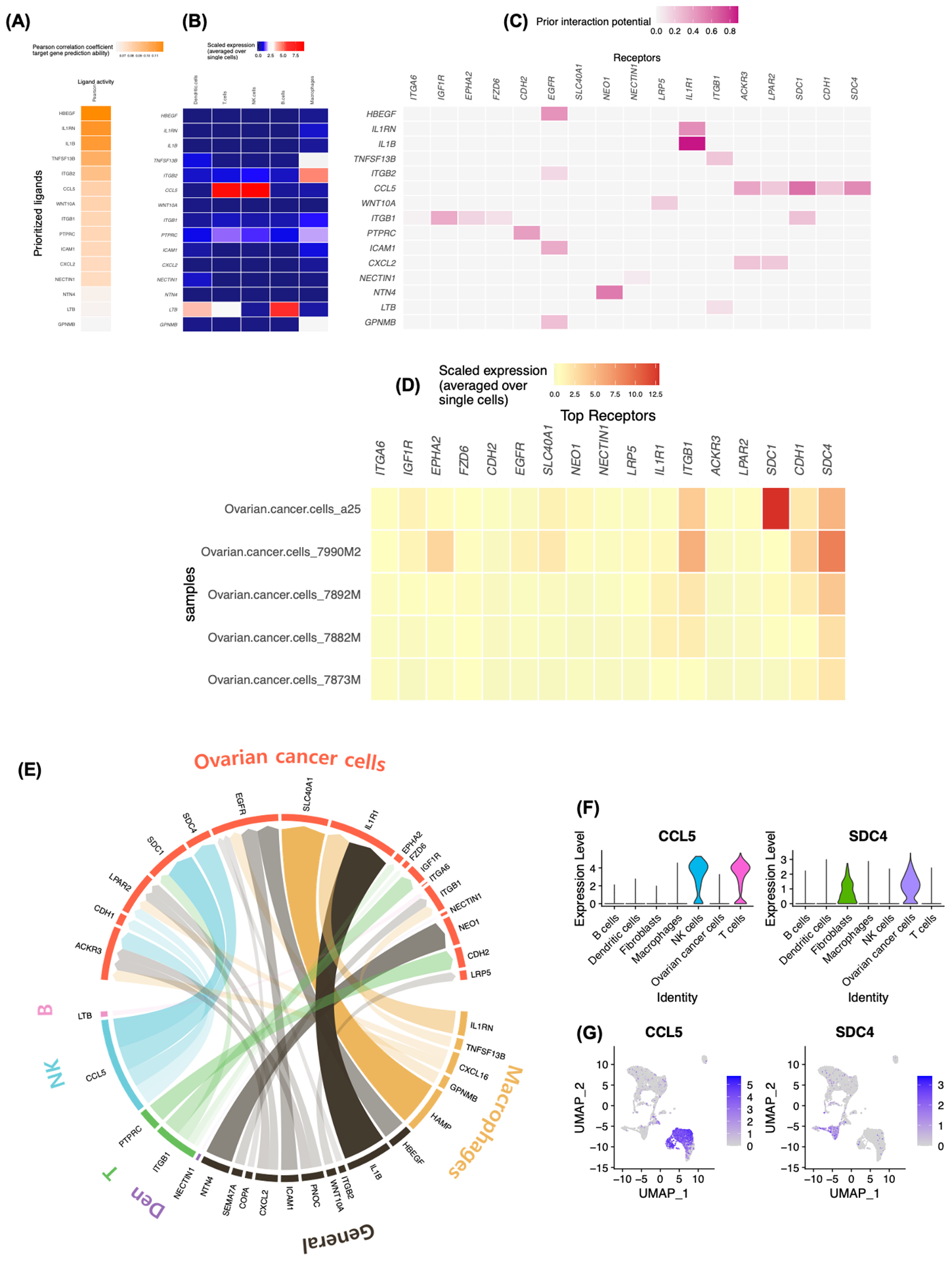
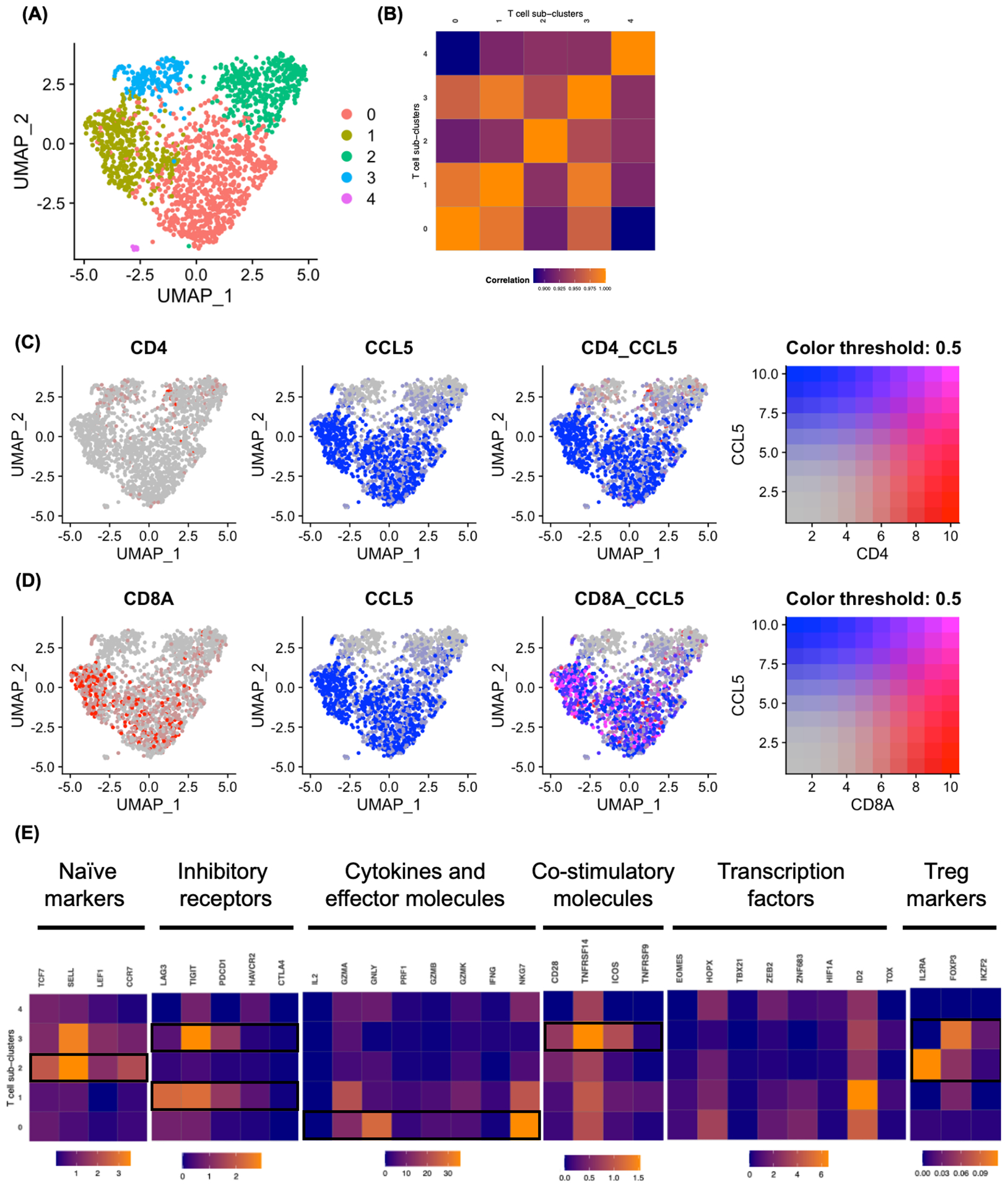
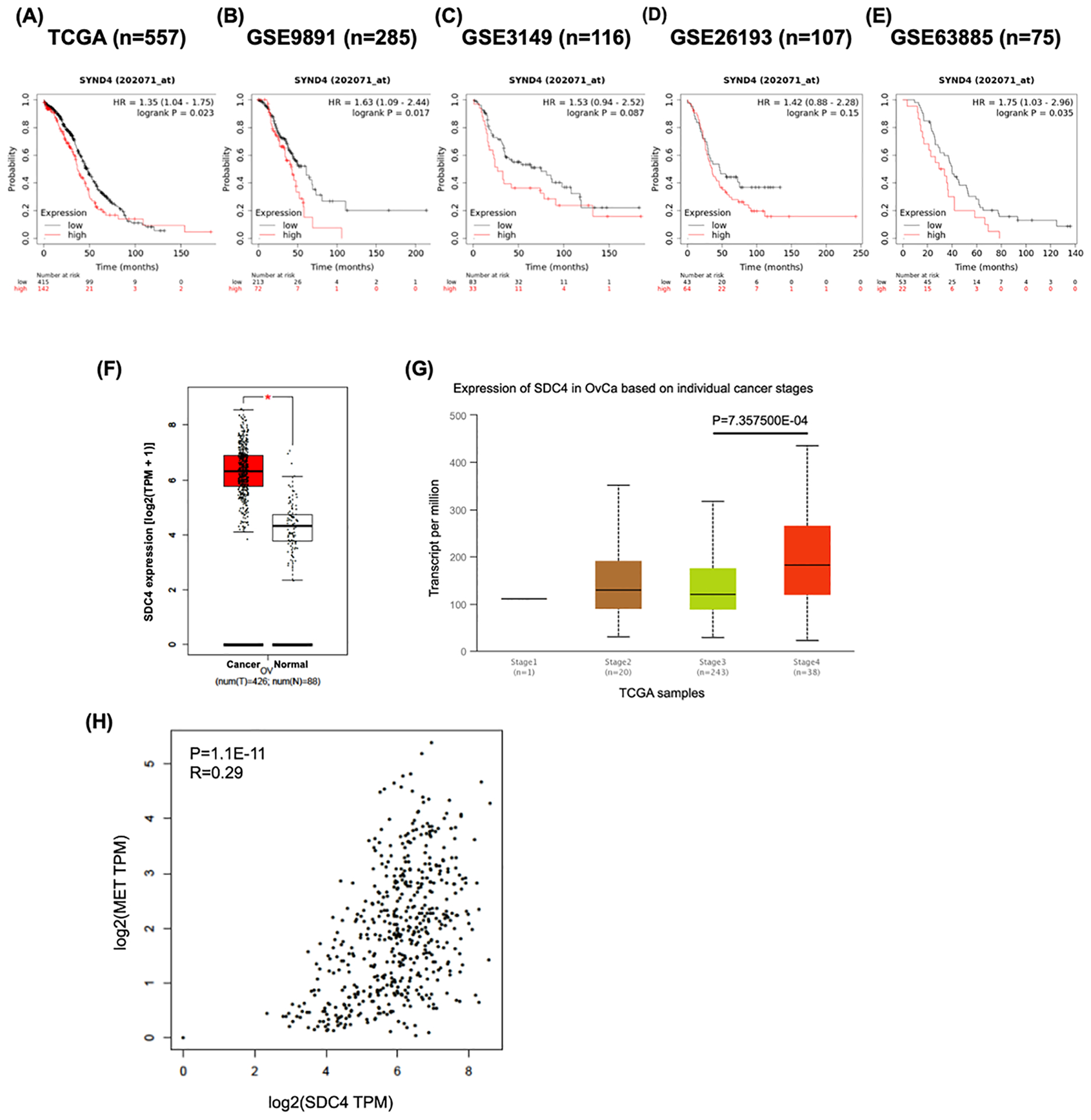
Fluid accumulation in the abdominal cavity is commonly found in advanced-stage ovarian cancer patients, which creates a specialized tumor microenvironment for cancer progression. Using single-cell RNA sequencing (scRNA-seq) of ascites cells from five patients with ovarian cancer, we identified seven cell types, including heterogeneous macrophages and ovarian cancer cells. We resolved a distinct polarization state of macrophages by MacSpectrum analysis and observed subtype-specific enrichment of pathways associated with their functions. The communication between immune and cancer cells was predicted through a putative ligand-receptor pair analysis using NicheNet. We found that CCL5, a chemotactic ligand, is enriched in immune cells (T cells and NK cells) and mediates ovarian cancer cell survival in the ascites, possibly through SDC4. Moreover, SDC4 expression correlated with poor overall survival in ovarian cancer patients. Our study highlights the potential role of T cells and NK cells in long-term survival patients with ovarian cancer, indicating SDC4 as a potential prognostic marker in ovarian cancer patients.
腹腔积液在晚期卵巢癌患者中很常见,这为癌症的进展创造了一个特殊的肿瘤微环境。我们通过对五名卵巢癌患者的腹水细胞进行单细胞 RNA 测序(scRNA-seq),鉴定出了七种细胞类型,包括异质性巨噬细胞和卵巢癌细胞。我们通过 MacSpectrum 分析解析了巨噬细胞的一个独特极化状态,并观察到与它们功能相关的途径在亚型特异性上的富集。通过使用 NicheNet 进行配体-受体对分析,预测了免疫细胞和癌细胞之间的通讯。我们发现趋化配体 CCL5 在免疫细胞(T 细胞和 NK 细胞)中富集,并在腹水中介导卵巢癌细胞的存活,可能通过 SDC4。此外,SDC4 的表达与卵巢癌患者的总体生存不良相关。我们的研究强调了 T 细胞和 NK 细胞在长期生存的卵巢癌患者中的潜在作用,表明 SDC4 可能是卵巢癌患者的一个潜在预后标志物。