Department of Biomedical Engineering, Rutgers University, Piscataway, NJ 08854, USA.
Department of Surgery (Plastic), Yale School of Medicine, New Haven, CT 06510, USA.
J Control Release. 2021 May 10;333:176-187. doi: 10.1016/j.jconrel.2021.03.032. Epub 2021 Mar 27.
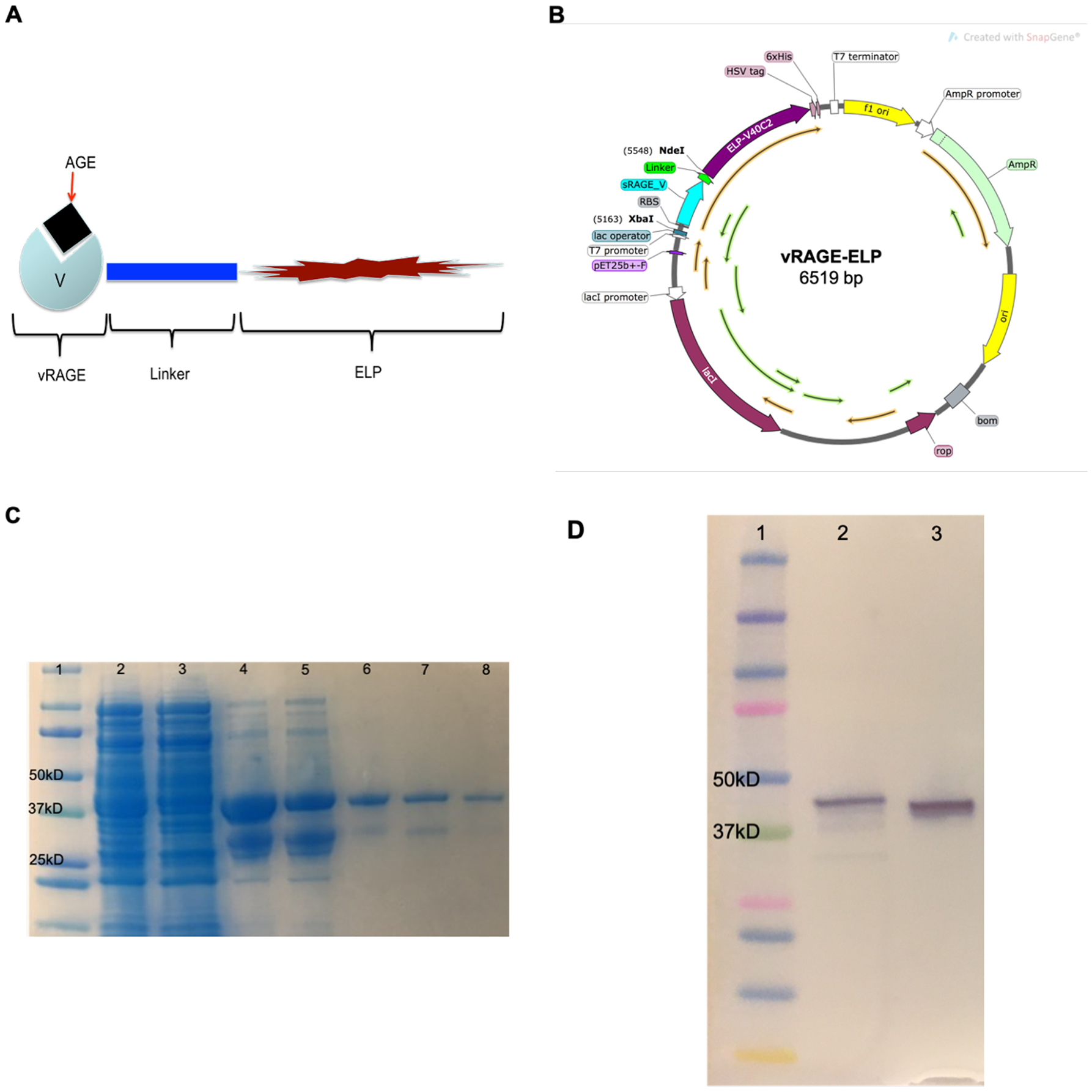
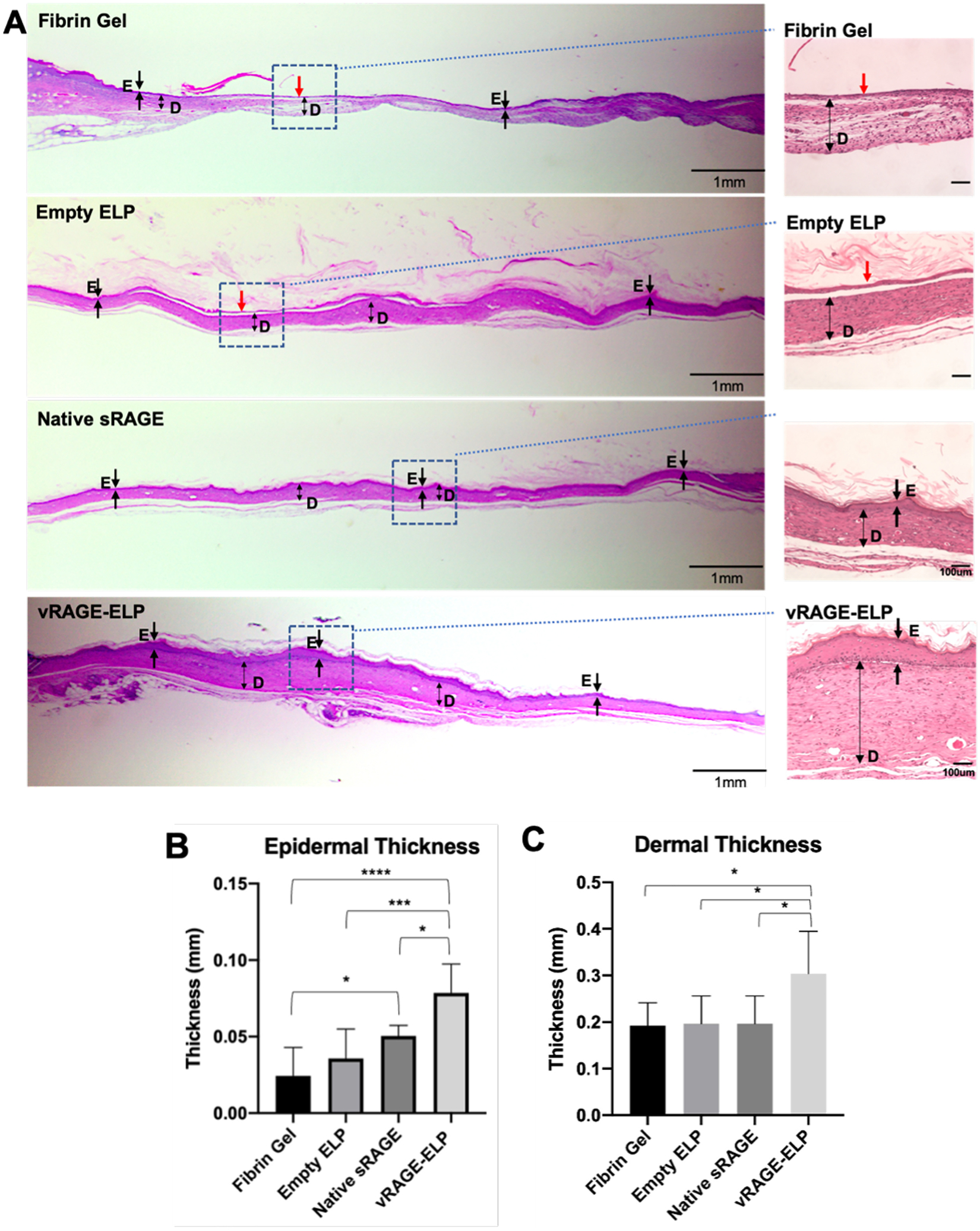
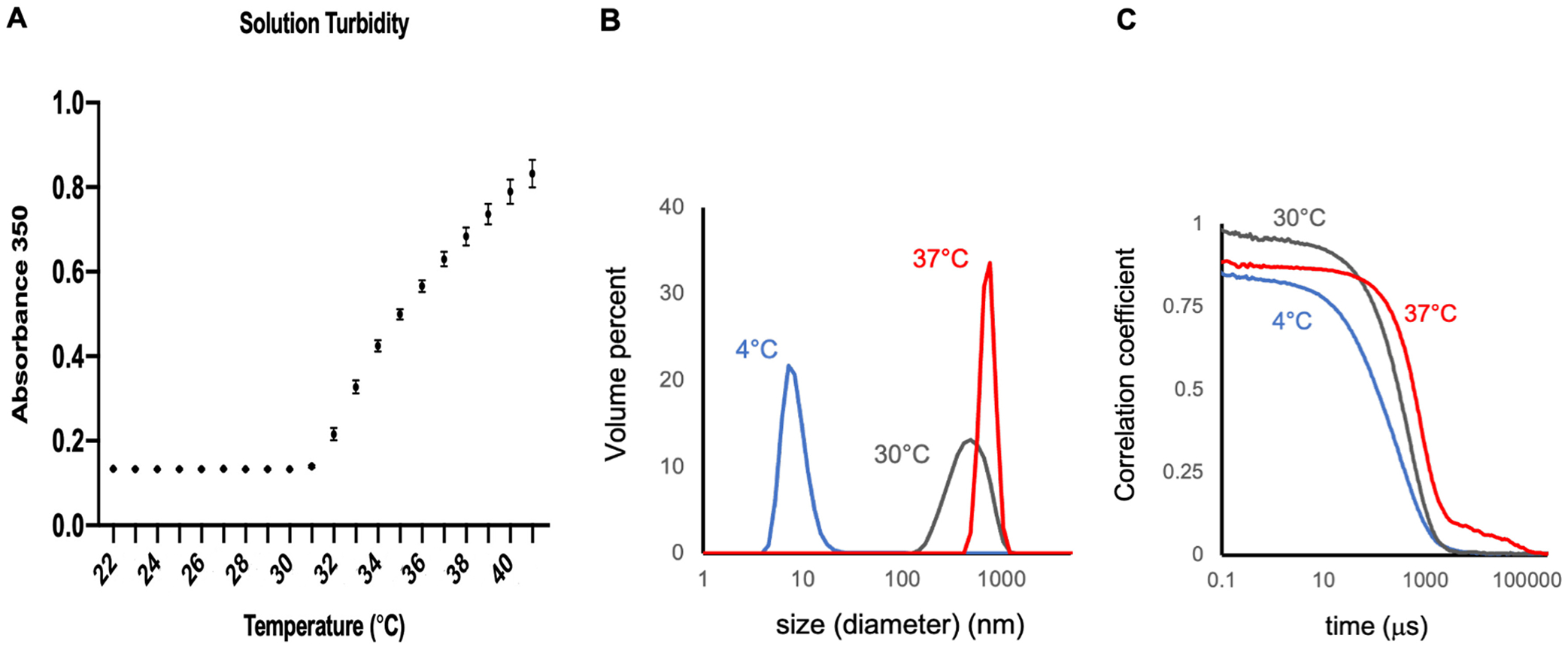
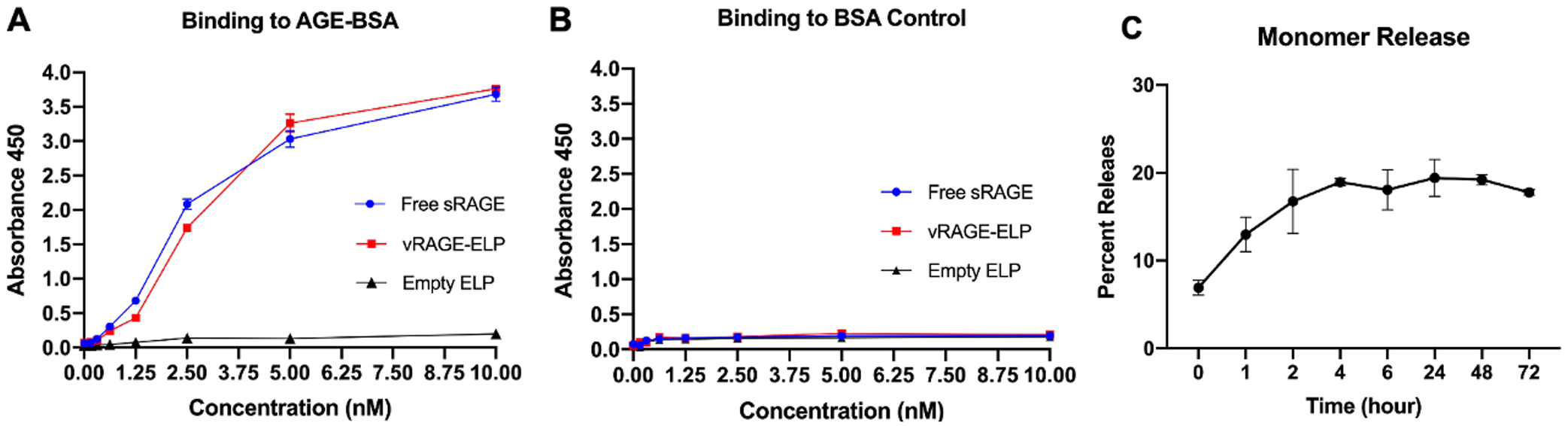
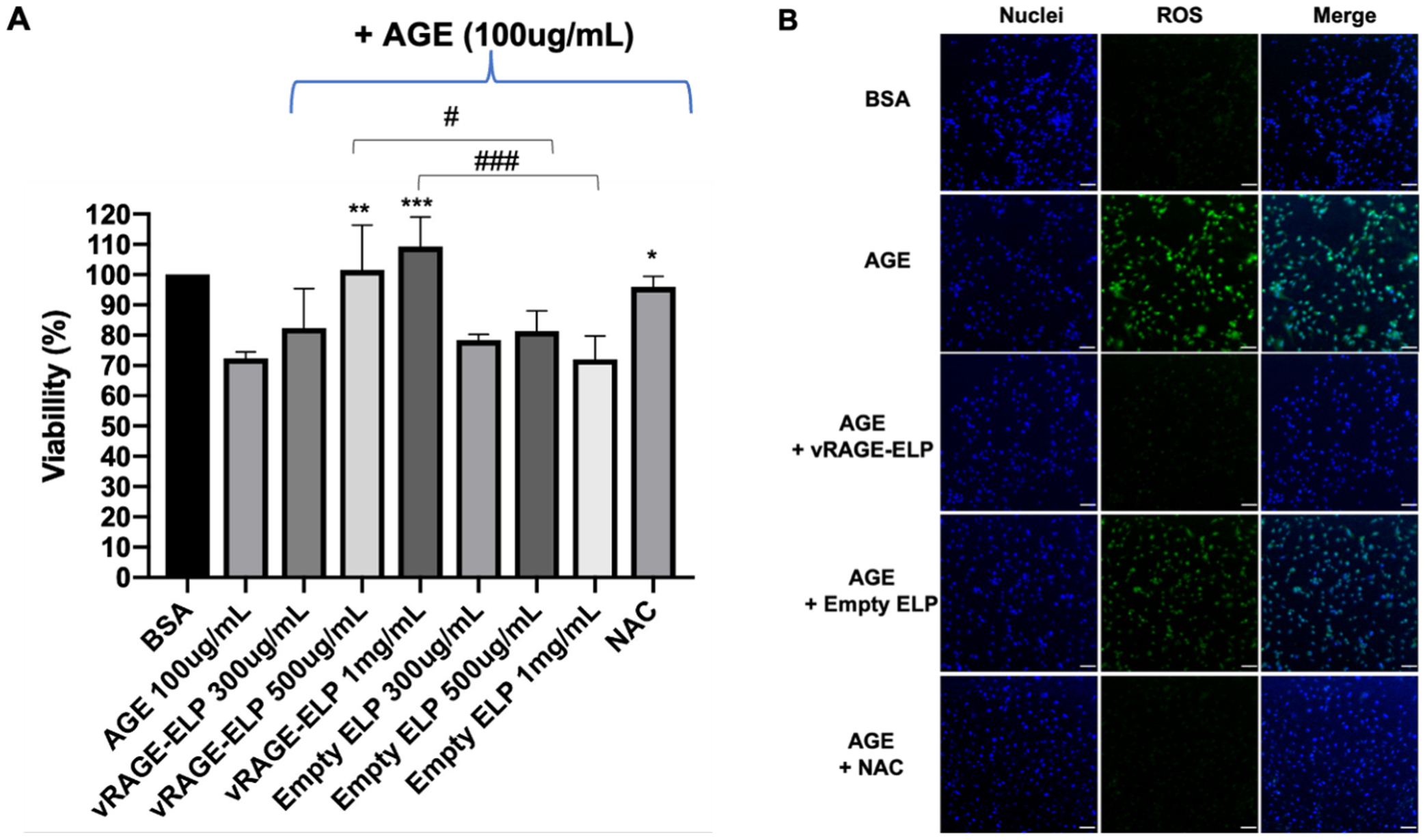
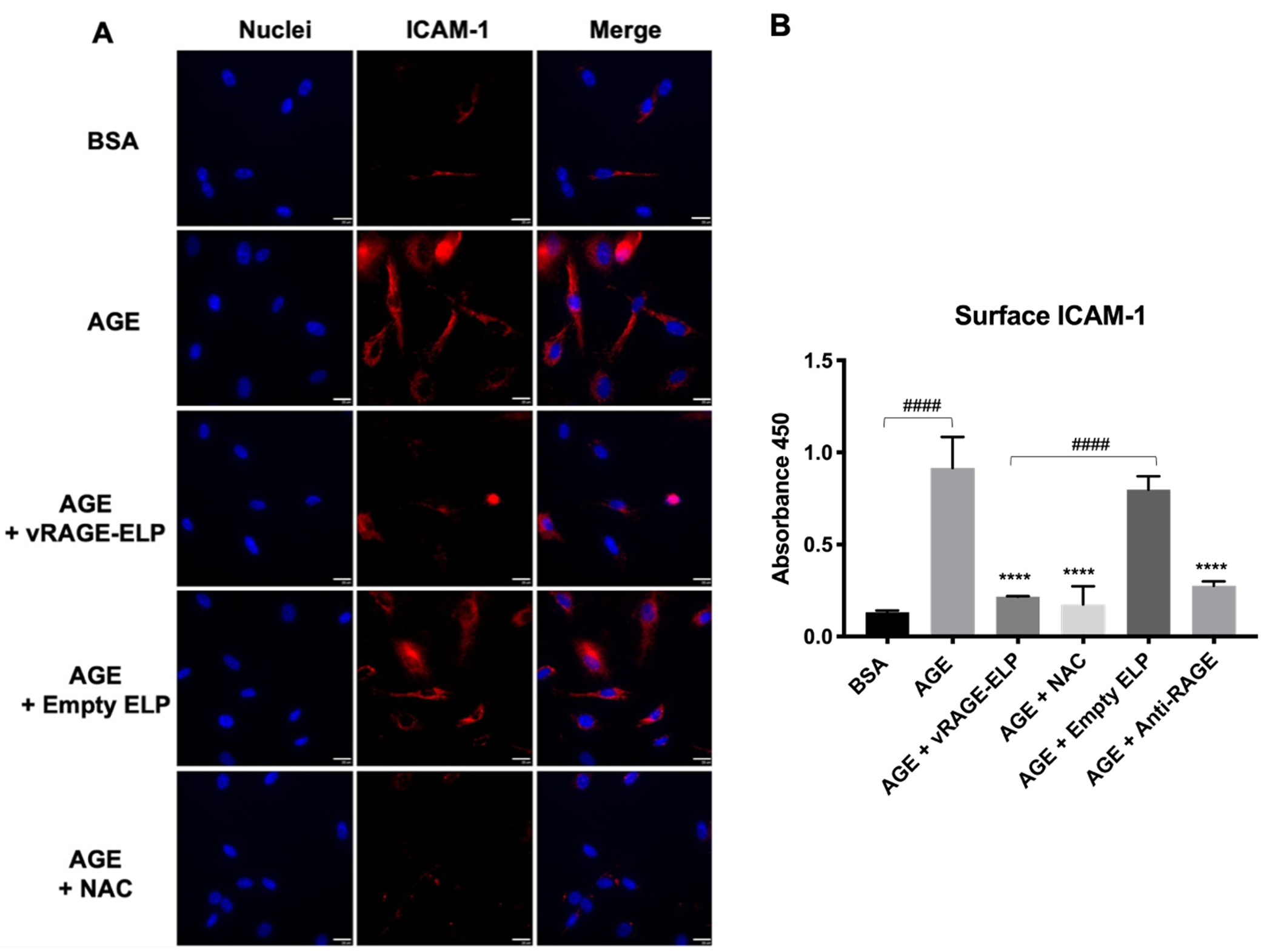
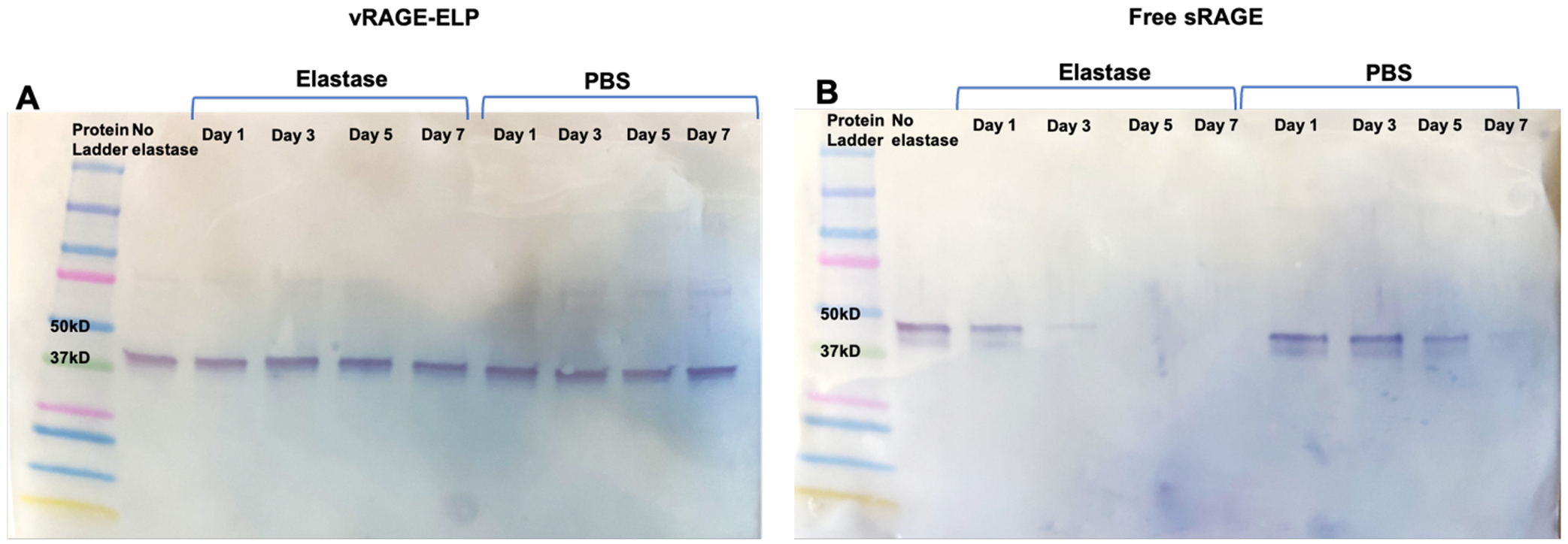
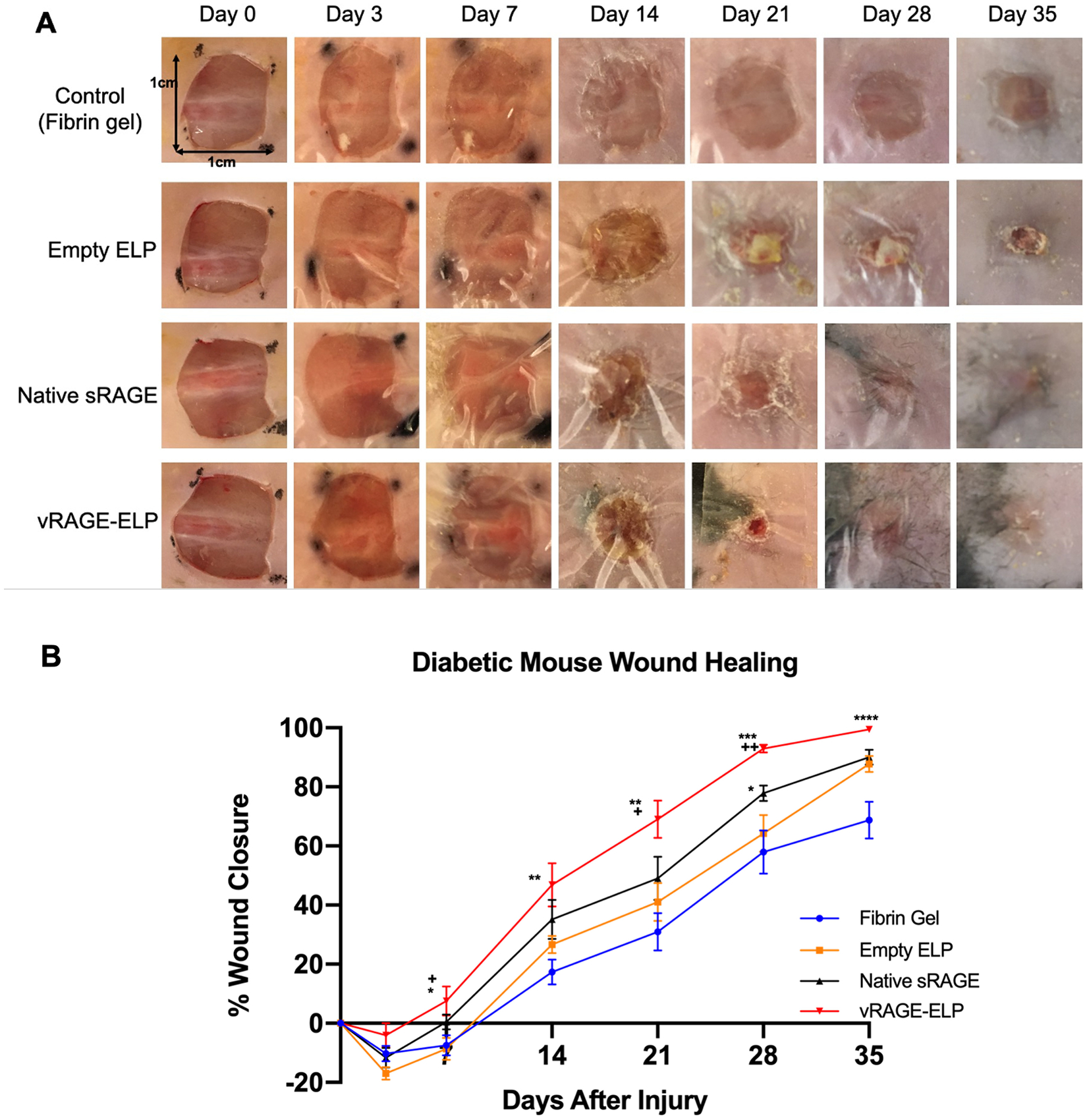
Chronic and non-healing skin wounds are some of the most significant complications in patients with advanced diabetes. A contributing mechanism to this pathology is the non-enzymatic glycation of proteins due to hyperglycemia, leading to the formation of advanced glycation end products (AGEs). AGEs bind to the receptor for AGEs (RAGE), which triggers pro-inflammatory signals that may inhibit the proliferative phase of wound healing. Soluble forms of RAGE (sRAGE) may be used as a competitive inhibitor of AGE-mediated signaling; however, sRAGE is short-lived in the highly proteolytic wound environment. We developed a recombinant fusion protein containing the binding domain of RAGE (vRAGE) linked to elastin-like polypeptides (ELPs) that self-assembles into coacervates at around 30-31 °C. The coacervate size was concentration and temperature-dependent, ranging between 500 and 1600 nm. vRAGE-ELP reversed several AGE-mediated changes in cultured human umbilical vein endothelial cells, including a decrease in viable cell number, an increase in levels of reactive oxygen species (ROS), and an increased expression of the pro-inflammatory marker, intercellular adhesion molecule-1 (ICAM-1). vRAGE-ELP was stable in elastase in vitro for 7 days. When used in a single topical application on full-thickness excisional skin wounds in diabetic mice, wound closure was accelerated, with 90% and 100% wound closure on post-wounding days 28 and 35, respectively, compared to 62% and 85% on the same days in animals treated with vehicle control, consisting of ELP alone. This coacervate system topically delivering a competitive inhibitor of AGEs has potential for the treatment of diabetic wounds.
慢性和难以愈合的皮肤伤口是晚期糖尿病患者最常见的并发症之一。导致这种病理的一个机制是由于高血糖导致的蛋白质非酶糖基化,从而形成晚期糖基化终产物(AGEs)。AGEs 与 AGEs 受体(RAGE)结合,触发促炎信号,可能抑制伤口愈合的增殖期。可溶性 RAGE(sRAGE)可作为 AGE 介导信号的竞争性抑制剂;然而,sRAGE 在高度蛋白水解的伤口环境中寿命很短。我们开发了一种包含 RAGE 结合域的重组融合蛋白(vRAGE)与弹性蛋白样多肽(ELP)相连,该融合蛋白在约 30-31°C 时自组装成凝聚物。凝聚物的大小与浓度和温度有关,范围在 500 到 1600nm 之间。vRAGE-ELP 逆转了培养的人脐静脉内皮细胞中的几种 AGE 介导的变化,包括活细胞数量减少、活性氧(ROS)水平增加以及促炎标志物细胞间黏附分子-1(ICAM-1)的表达增加。vRAGE-ELP 在体外弹性蛋白酶中稳定 7 天。在糖尿病小鼠的全层切除皮肤伤口上单次局部应用时,伤口闭合加速,与单独使用 ELP 的载体对照组相比,在创伤后第 28 天和第 35 天分别有 90%和 100%的伤口闭合,而在相同的日子里,动物分别有 62%和 85%的伤口闭合。这种局部递送 AGE 竞争性抑制剂的凝聚体系统具有治疗糖尿病伤口的潜力。