Center for BrainHealth®, School of Behavioral and Brain Sciences, The University of Texas at Dallas, Dallas, TX, United States.
Institute of Neuroscience, Global Brain Health Institute, Trinity College Dublin, Dublin, Ireland.
Front Public Health. 2021 Mar 16;9:641754. doi: 10.3389/fpubh.2021.641754. eCollection 2021.
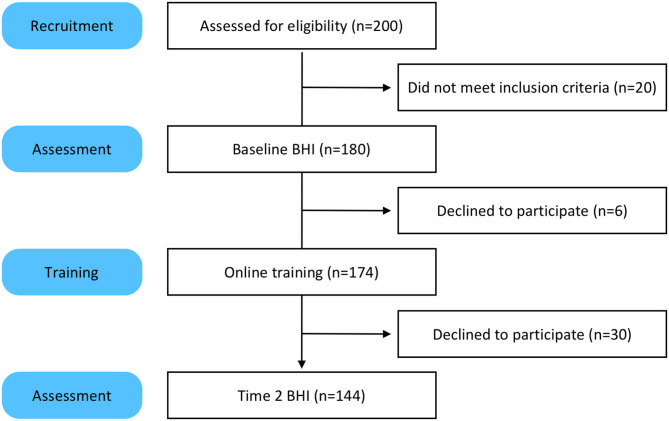
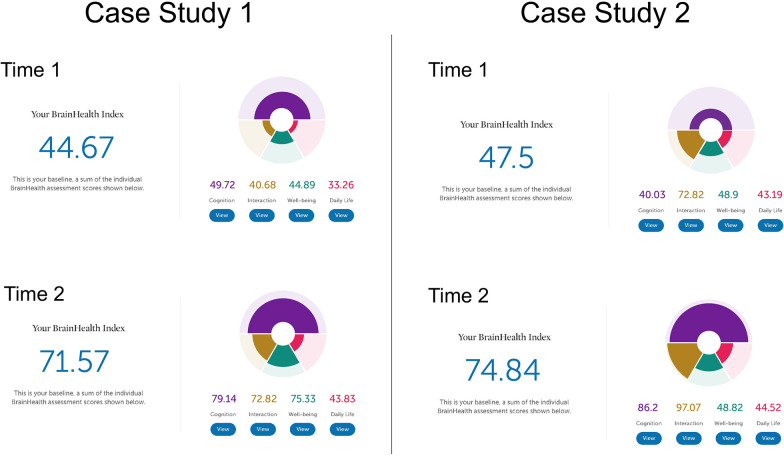
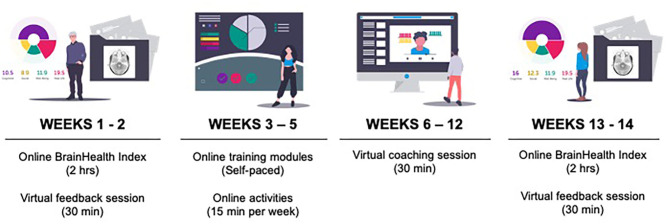
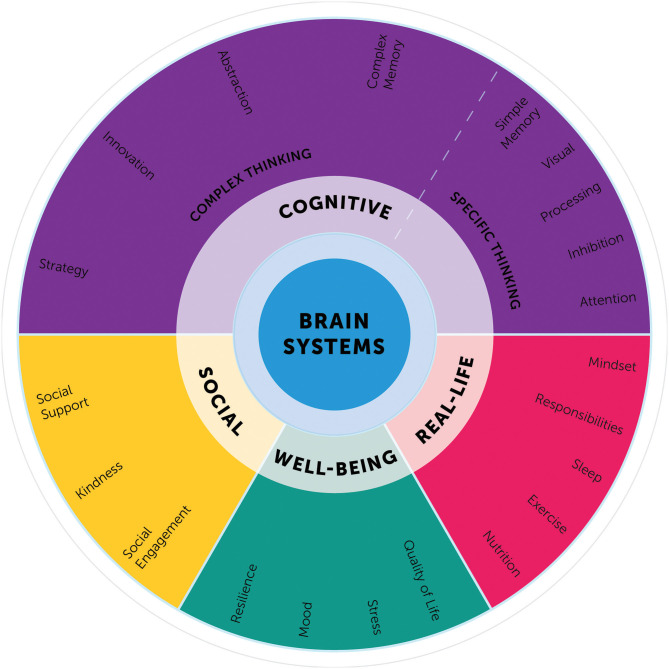
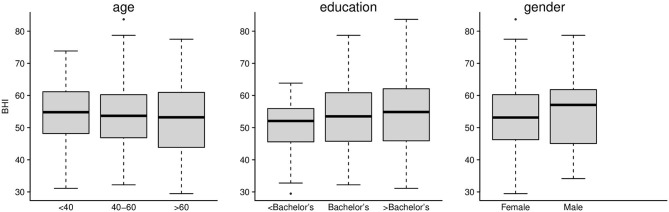
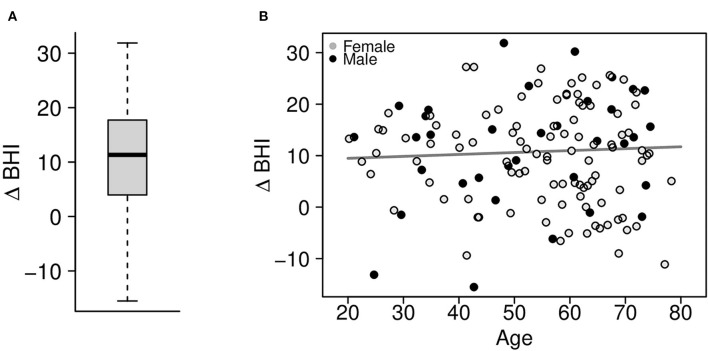
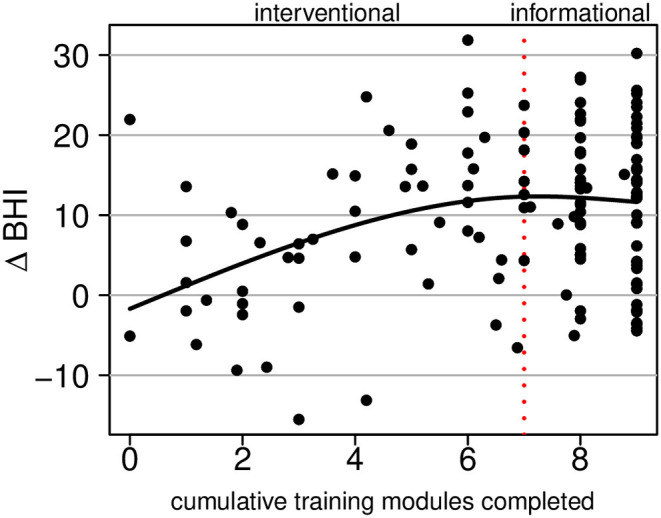
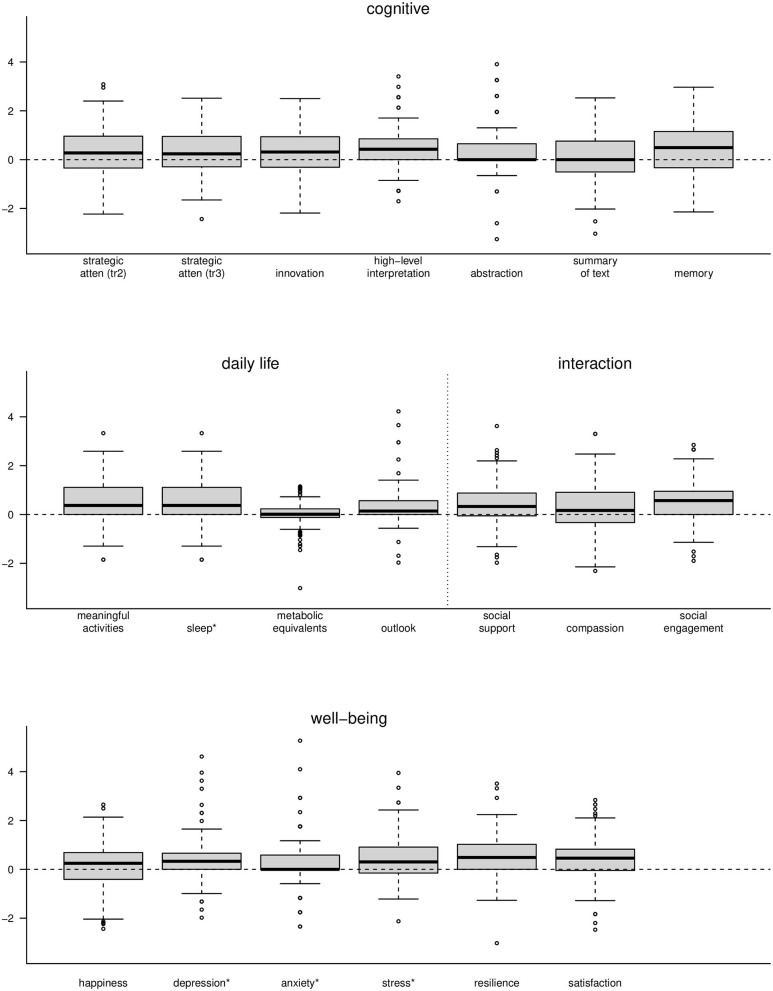
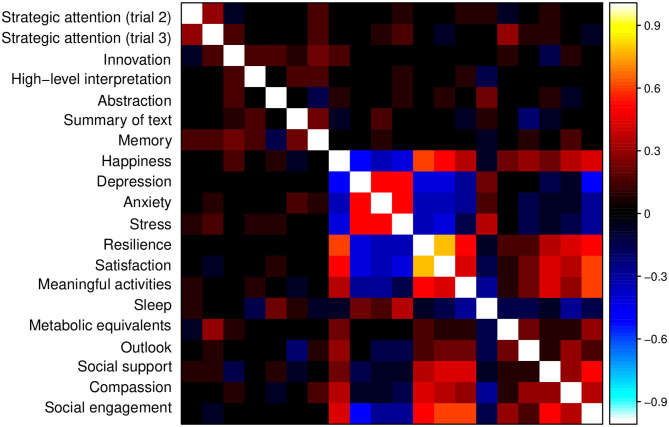
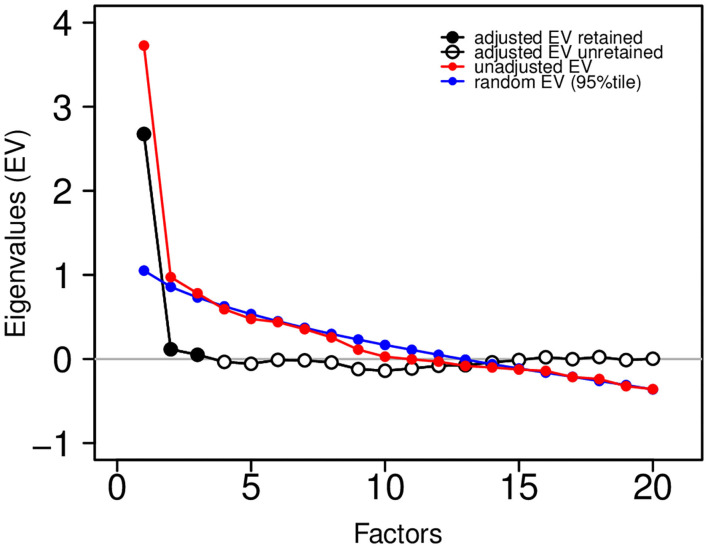
Brain health is neglected in public health, receiving attention after something goes wrong. Neuroplasticity research illustrates that preventive steps strengthen the brain's component systems; however, this information is not widely known. Actionable steps are needed to scale proven population-level interventions. This pilot tested two main objectives: (1) the feasibility/ease of use of an online platform to measure brain health, deliver training, and offer virtual coaching to healthy adults and (2) to develop a data driven index of brain health. Methods: 180 participants, ages 18-87, enrolled in this 12-week pilot. Participants took a BrainHealth Index™ (BHI), a composite of assessments encompassing cognition, well-being, daily-life and social, pre-post training. Participants engaged in online training with three coaching sessions. We assessed changes in BHI, effects of training utilization and demographics, contributions of sub-domain measures to the BHI and development of a factor analytic structure of latent BrainHealth constructs. The results indicated that 75% of participants showed at least a 5-point gain on their BHI which did not depend on age, education, or gender. The contribution to these gains were from all sub-domains, including stress, anxiety and resilience, even though training focused largely on cognition. Some individuals improved due to increased resilience and decreased anxiety, whereas others improved due to increased innovation and social engagement. Larger gains depended on module utilization, especially strategy training. An exploratory factor analytic solution to the correlation matrix of online assessments identified three latent constructs. This pilot study demonstrated the efficacy of an online platform to assess changes on a composite BrainHealth Index and efficacy in delivering training modules and coaching. We found that adults, college age to late life, were motivated to learn about their brain and engage in virtual-training with coaching to improve their brain health. This effort intends to scale up to thousands, thus the pilot data, tested by an impending imaging pilot, will be utilized in ongoing machine learning (ML) algorithms to develop a precision brain health model. This pilot is a first step in scaling evidence-based brain health protocols to reach individuals and positively affect public health globally.
大脑健康在公共卫生中被忽视,只有在出现问题后才会受到关注。神经可塑性研究表明,预防措施可以增强大脑的组成系统;然而,这方面的信息并没有得到广泛的了解。需要采取可行的措施来扩大经过验证的人群干预措施的规模。本研究旨在测试两个主要目标:(1)使用在线平台测量大脑健康、提供培训和为健康成年人提供虚拟指导的可行性/易用性;(2)开发大脑健康的综合指数。方法:本研究共招募了 180 名年龄在 18-87 岁之间的参与者,参与了为期 12 周的试点研究。参与者接受了 BrainHealth Index™(BHI)测试,该测试是对认知、幸福感、日常生活和社交等方面的综合评估。在培训过程中,参与者进行了三次在线辅导。我们评估了 BHI 的变化、培训利用和人口统计学因素的影响、子域测量对 BHI 的贡献以及潜在 BrainHealth 结构的因素分析结构。结果表明,75%的参与者的 BHI 至少提高了 5 分,这与年龄、教育程度或性别无关。这些改善来自所有子领域,包括压力、焦虑和弹性,尽管培训主要集中在认知方面。一些人因弹性增加和焦虑减轻而改善,而另一些人则因创新和社交参与增加而改善。更大的改善取决于模块的利用,尤其是策略培训。在线评估相关矩阵的探索性因素分析解决方案确定了三个潜在的结构。本研究初步证明了在线平台评估复合大脑健康指数变化的有效性,以及提供培训模块和辅导的有效性。我们发现,成年人,从大学年龄到老年,都有学习大脑知识并参与虚拟培训以改善大脑健康的动力。这一努力旨在扩大到数千人,因此,通过即将进行的影像学研究进行测试的试点数据将被用于正在进行的机器学习(ML)算法中,以开发一个精准的大脑健康模型。本研究是将基于证据的大脑健康方案推广到个人并在全球范围内积极影响公共卫生的第一步。