Saye Luke M G, Navaratna Tejas A, Chong James P J, O'Malley Michelle A, Theodorou Michael K, Reilly Matthew
Department of Biology, University of York, York YO10 5DD, UK.
Department of Agriculture and the Environment, Harper Adams University, Newport TF10 8NB, UK.
Microorganisms. 2021 Mar 27;9(4):694. doi: 10.3390/microorganisms9040694.
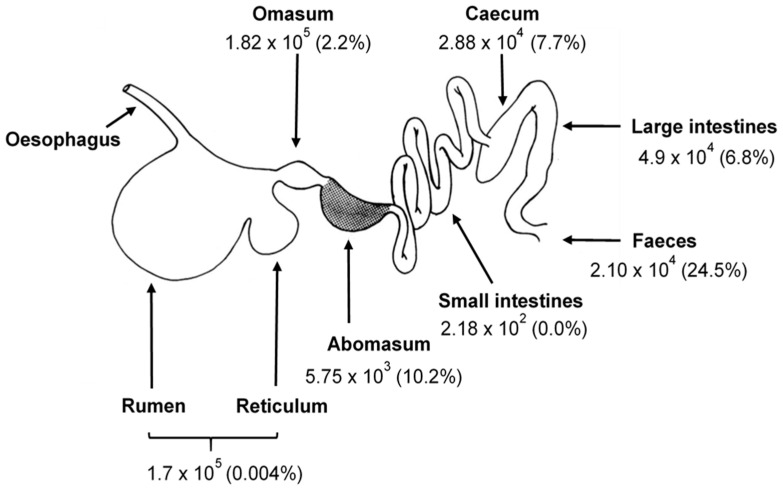
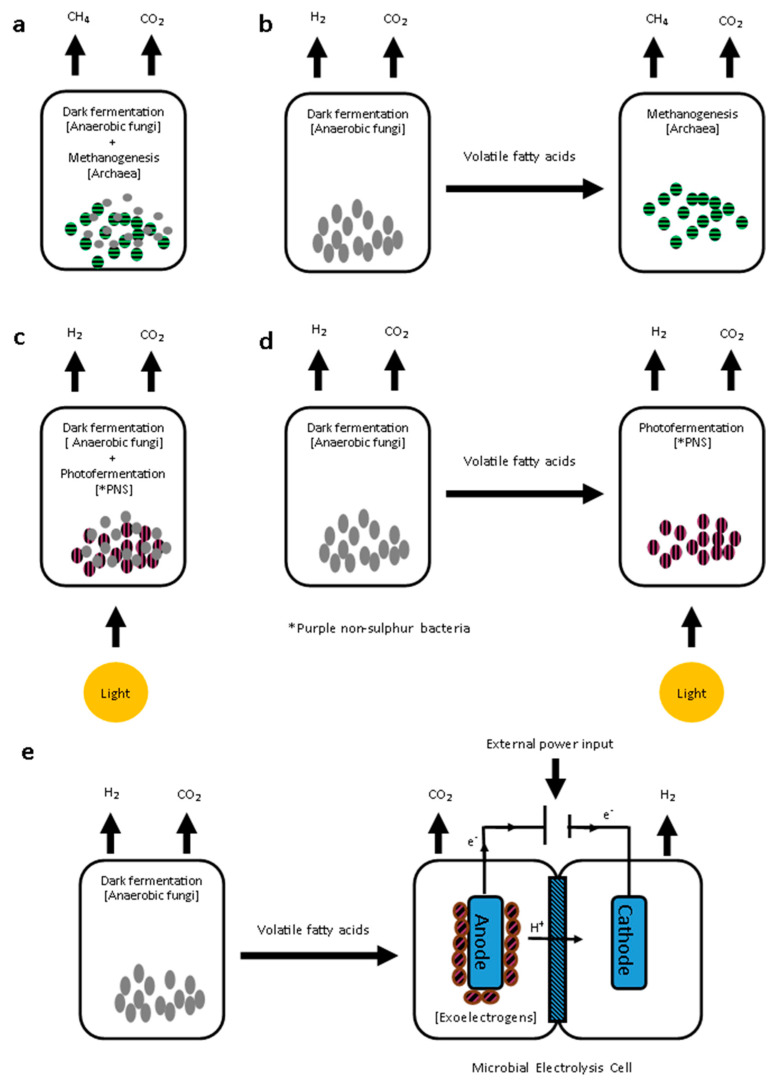
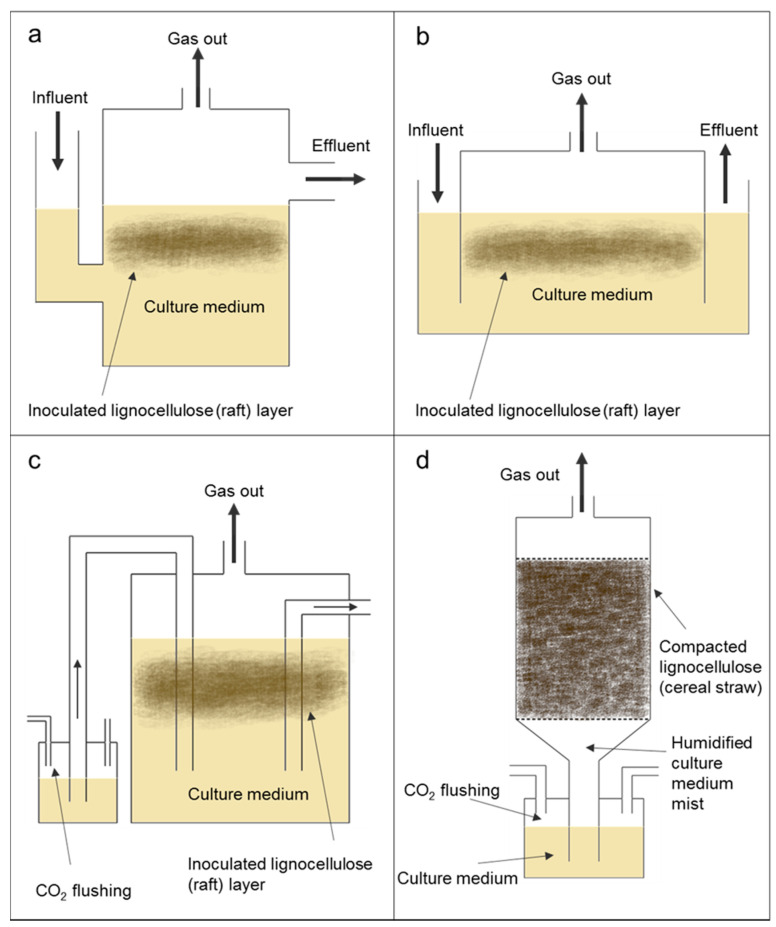
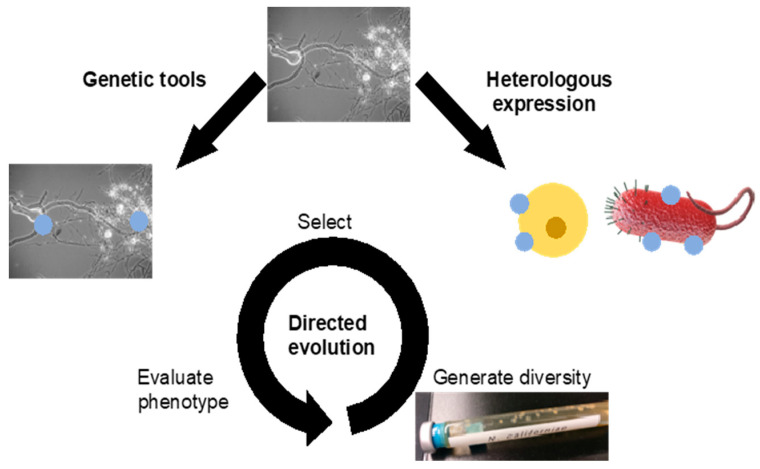
Lignocellulose is a promising feedstock for biofuel production as a renewable, carbohydrate-rich and globally abundant source of biomass. However, challenges faced include environmental and/or financial costs associated with typical lignocellulose pretreatments needed to overcome the natural recalcitrance of the material before conversion to biofuel. Anaerobic fungi are a group of underexplored microorganisms belonging to the early diverging phylum Neocallimastigomycota and are native to the intricately evolved digestive system of mammalian herbivores. Anaerobic fungi have promising potential for application in biofuel production processes due to the combination of their highly effective ability to hydrolyse lignocellulose and capability to convert this substrate to H and ethanol. Furthermore, they can produce volatile fatty acid precursors for subsequent biological conversion to H or CH by other microorganisms. The complex biological characteristics of their natural habitat are described, and these features are contextualised towards the development of suitable industrial systems for in vitro growth. Moreover, progress towards achieving that goal is reviewed in terms of process and genetic engineering. In addition, emerging opportunities are presented for the use of anaerobic fungi for lignocellulose pretreatment; dark fermentation; bioethanol production; and the potential for integration with methanogenesis, microbial electrolysis cells and photofermentation.
木质纤维素作为一种可再生、富含碳水化合物且全球储量丰富的生物质来源,是生物燃料生产中一种很有前景的原料。然而,面临的挑战包括与典型木质纤维素预处理相关的环境和/或财务成本,这些预处理是将材料转化为生物燃料之前克服其天然难降解性所必需的。厌氧真菌是一组未被充分研究的微生物,属于早期分化的新美鞭菌门,原产于哺乳动物食草动物复杂进化的消化系统。由于厌氧真菌具有高效水解木质纤维素的能力以及将该底物转化为氢气和乙醇的能力,它们在生物燃料生产过程中具有广阔的应用潜力。此外,它们可以产生挥发性脂肪酸前体,供其他微生物随后生物转化为氢气或甲烷。文中描述了它们自然栖息地的复杂生物学特性,并将这些特性与开发适合体外生长的工业系统相关联。此外,还从工艺和基因工程方面综述了实现该目标的进展。此外,还介绍了厌氧真菌在木质纤维素预处理、暗发酵、生物乙醇生产以及与产甲烷、微生物电解池和光发酵整合方面的新机遇。