Balogh Lehel, Tanaka Masaru, Török Nóra, Vécsei László, Taguchi Shigeru
Center for Applied Ethics and Philosophy, Hokkaido University, North 10, West 7, Kita-ku, Sapporo 060-0810, Japan.
MTA-SZTE, Neuroscience Research Group, Semmelweis u. 6, H-6725 Szeged, Hungary.
Biomedicines. 2021 Mar 27;9(4):340. doi: 10.3390/biomedicines9040340.
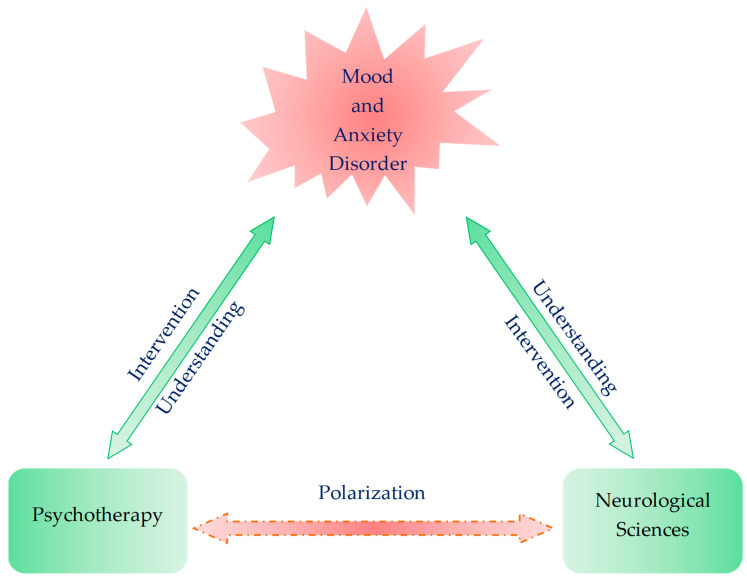
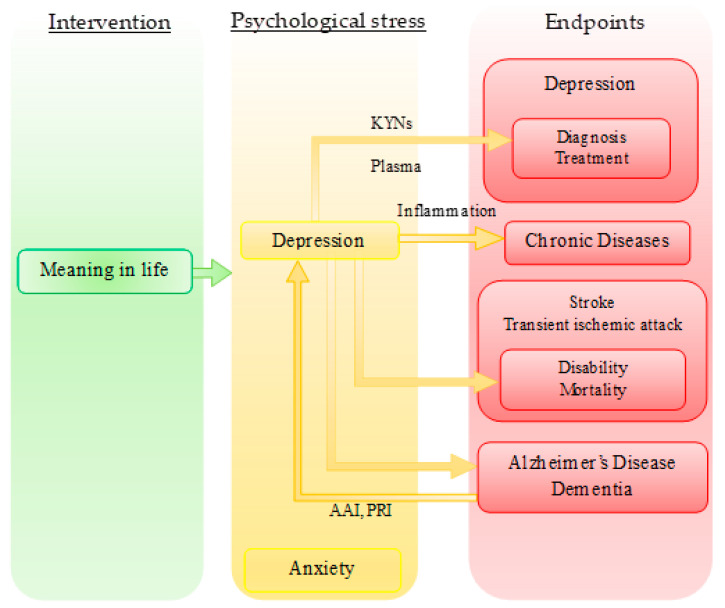
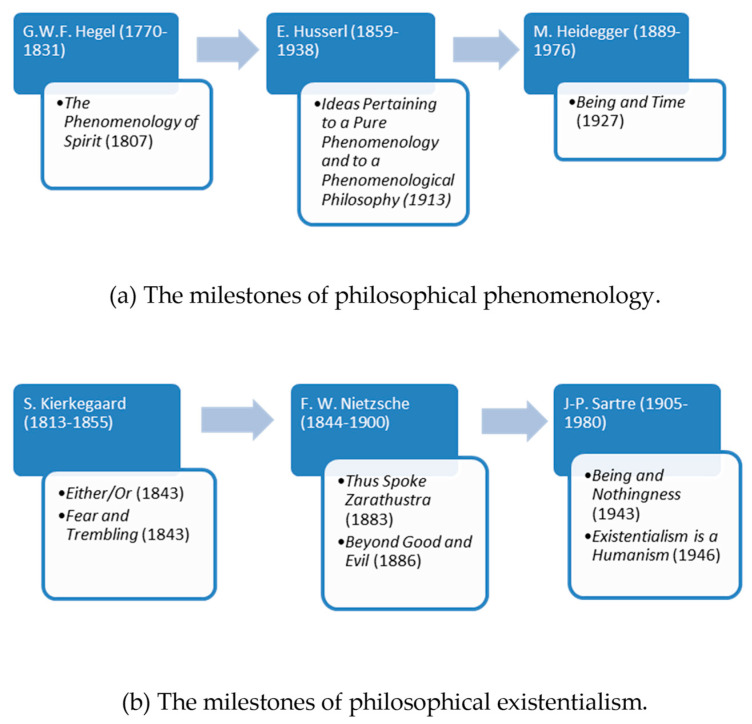
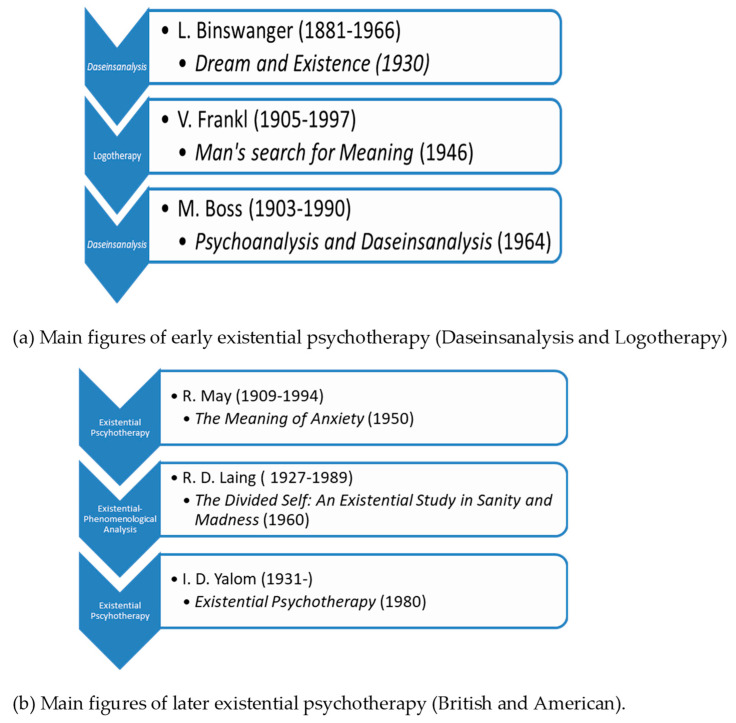
Psychotherapy is a comprehensive biological treatment modifying complex underlying cognitive, emotional, behavioral, and regulatory responses in the brain, leading patients with mental illness to a new interpretation of the sense of self and others. Psychotherapy is an art of science integrated with psychology and/or philosophy. Neurological sciences study the neurological basis of cognition, memory, and behavior as well as the impact of neurological damage and disease on these functions, and their treatment. Both psychotherapy and neurological sciences deal with the brain; nevertheless, they continue to stay polarized. Existential phenomenological psychotherapy (EPP) has been in the forefront of meaning-centered counseling for almost a century. The phenomenological approach in psychotherapy originated in the works of Martin Heidegger, Ludwig Binswanger, Medard Boss, and Viktor Frankl, and it has been committed to accounting for the existential possibilities and limitations of one's life. EPP provides philosophically rich interpretations and empowers counseling techniques to assist mentally suffering individuals by finding meaning and purpose to life. The approach has proven to be effective in treating mood and anxiety disorders. This narrative review article demonstrates the development of EPP, the therapeutic methodology, evidence-based accounts of its curative techniques, current understanding of mood and anxiety disorders in neurological sciences, and a possible converging path to translate and integrate meaning-centered psychotherapy and neuroscience, concluding that the EPP may potentially play a synergistic role with the currently prevailing medication-based approaches for the treatment of mood and anxiety disorders.
心理治疗是一种综合性的生物治疗方法,可改变大脑中复杂的潜在认知、情感、行为和调节反应,引导精神疾病患者对自我和他人的认知产生新的理解。心理治疗是一门与心理学和/或哲学相结合的科学艺术。神经科学研究认知、记忆和行为的神经基础,以及神经损伤和疾病对这些功能的影响及其治疗方法。心理治疗和神经科学都涉及大脑,但它们仍然处于两极分化状态。存在主义现象学心理治疗(EPP)在以意义为中心的咨询领域处于前沿地位近一个世纪。心理治疗中的现象学方法起源于马丁·海德格尔、路德维希·宾斯万格、梅达德·博斯和维克托·弗兰克尔的著作,它一直致力于阐释人生的存在可能性和局限性。EPP提供了富有哲学内涵的阐释,并赋予咨询技巧力量,通过寻找生活的意义和目的来帮助精神痛苦的个体。该方法已被证明在治疗情绪和焦虑障碍方面有效。这篇叙述性综述文章展示了EPP的发展、治疗方法、其治疗技术的循证依据、神经科学对情绪和焦虑障碍的当前理解,以及一条可能的融合路径,以翻译和整合以意义为中心的心理治疗和神经科学,得出结论认为EPP可能与目前流行的基于药物的方法在治疗情绪和焦虑障碍方面发挥协同作用。