State Key Laboratory of Veterinary Etological Biology, Key Laboratory of Veterinary Parasitology of Gansu Province, Lanzhou Veterinary Research Institute, Chinese Academy of Agricultural Sciences, Lanzhou 730046, China.
Jiangsu Co-Innovation Center for the Prevention and Control of Important Animal Infectious Disease and Zoonoses, Yangzhou University, Yangzhou 225009, China.
Toxins (Basel). 2021 Mar 13;13(3):212. doi: 10.3390/toxins13030212.
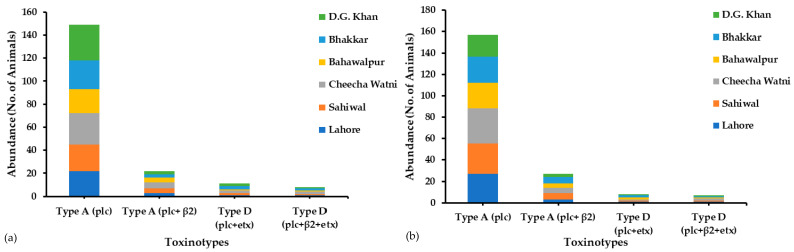
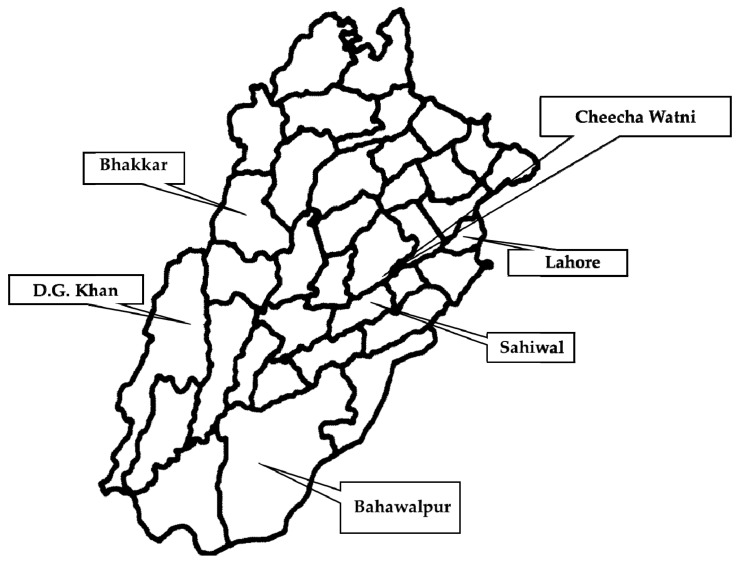
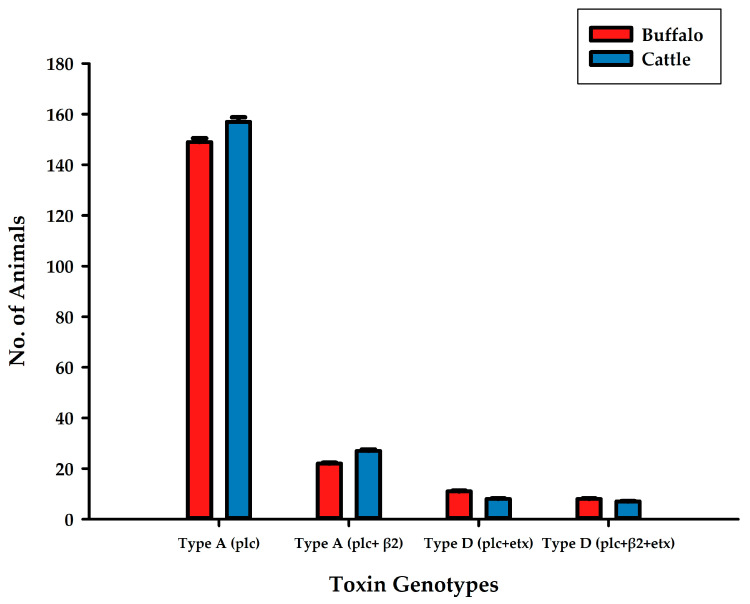
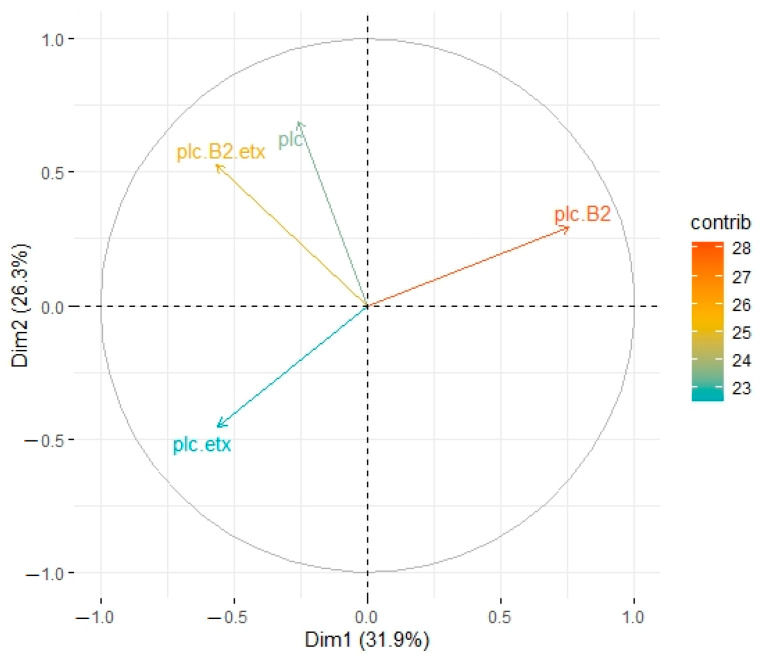
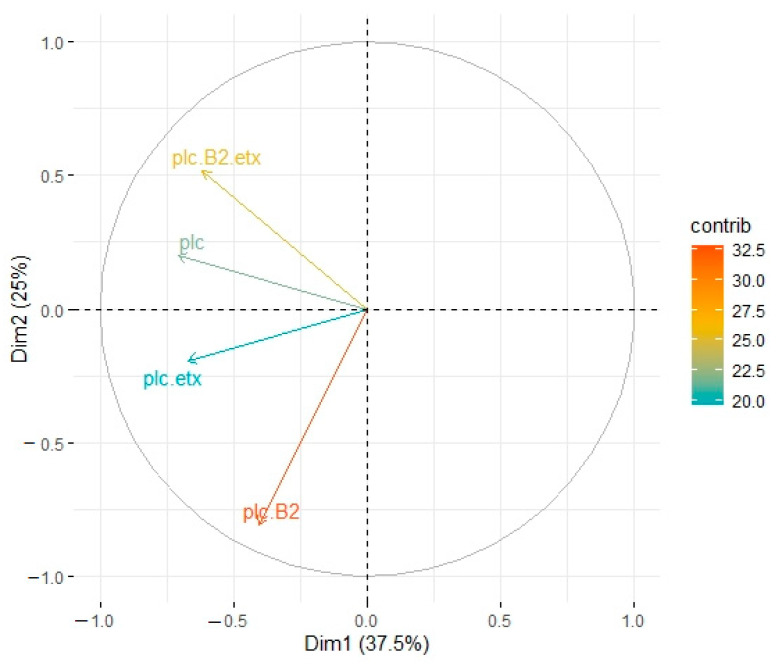
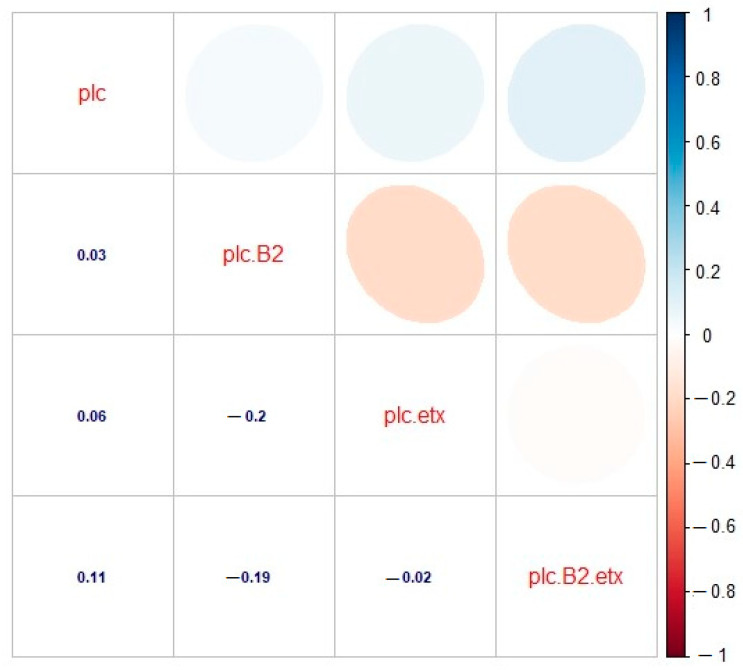
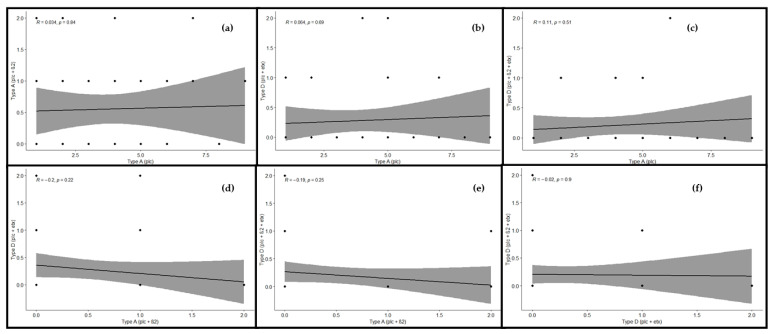
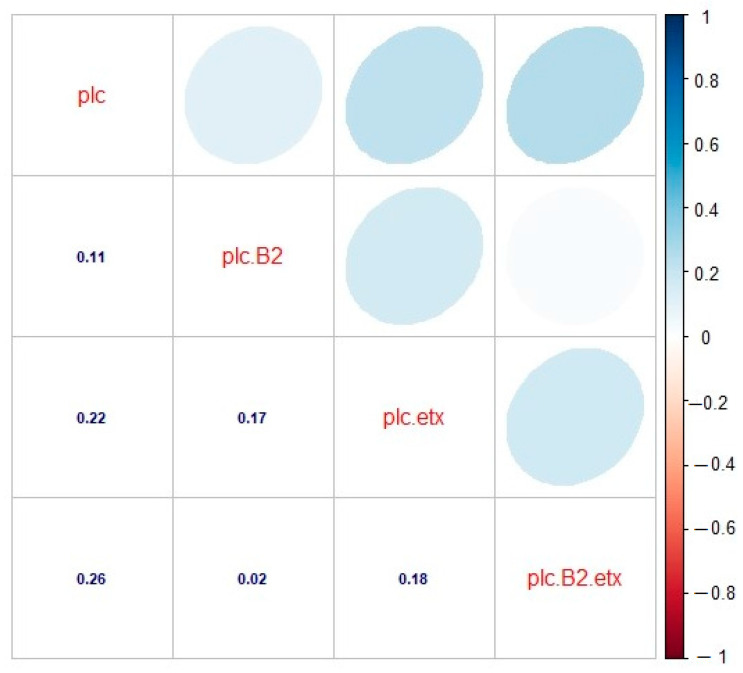
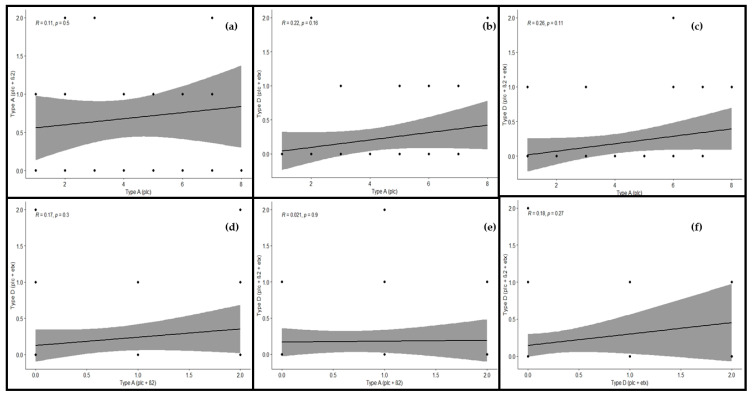
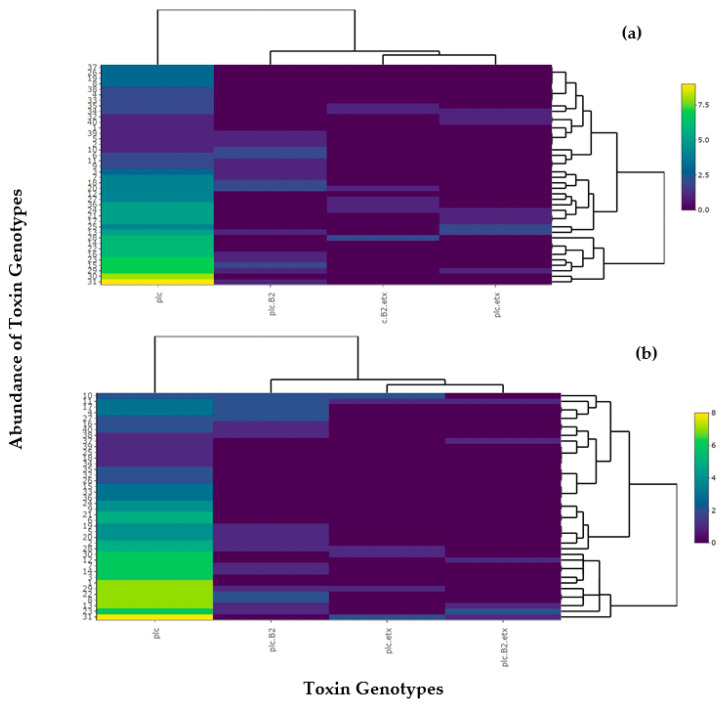
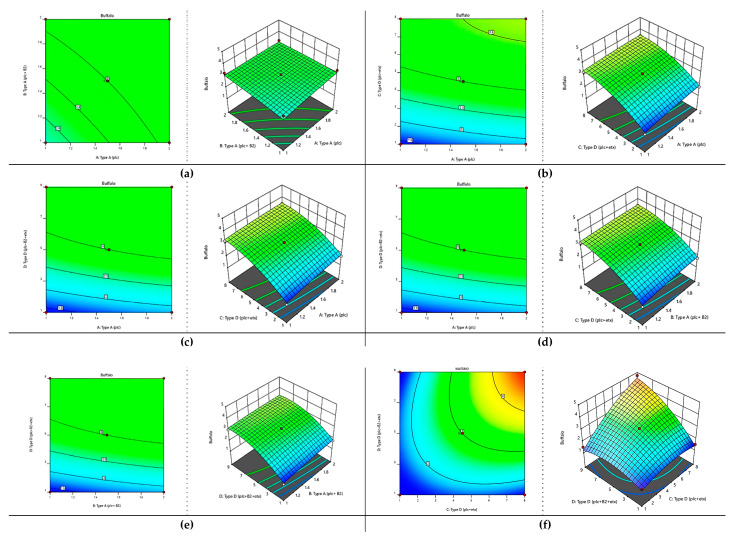
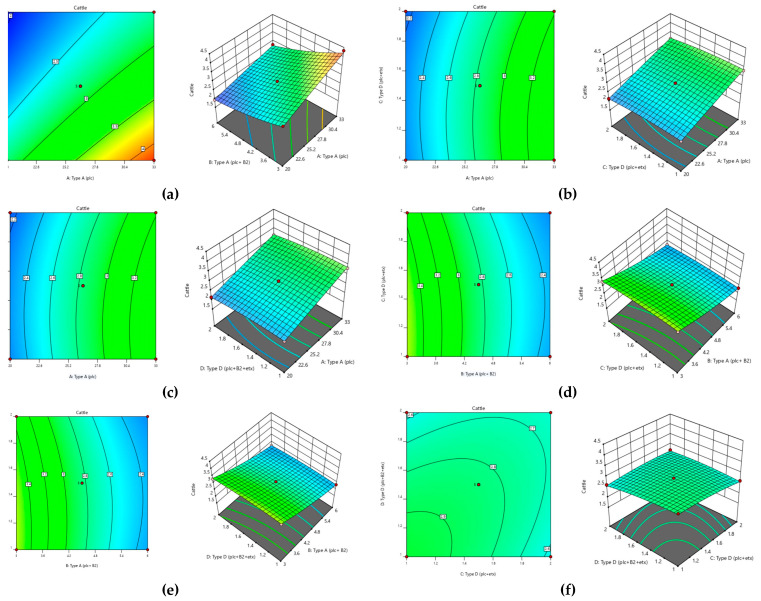
is a Gram-positive bacterium that possess seven toxinotypes (A, B, C, D, E, F, and G) that are responsible for the production of six major toxins, i.e., α, β, ε, ι, , and . The aim of this study is to find out the occurrence of toxinotypes in buffalo and cattle of Punjab province in Pakistan and their corresponding toxin-encoding genes from the isolated toxinotypes. To accomplish this aim, six districts in Punjab province were selected (i.e., Lahore, Sahiwal, Cheecha Watni, Bhakkar, Dera Ghazi Khan, and Bahawalpur) and a total of 240 buffalo and 240 cattle were selected for the collection of samples. From isolation and molecular analysis (16S rRNA), it was observed that out of seven toxinotypes (A-G), two toxinotypes (A and D) were found at most, whereas other toxinotypes, i.e., B, C, E, F, and G, were not found. The most frequently occurring toxinotype was type A (buffalo: 149/240; cattle: 157/240) whereas type D (buffalo: 8/240 cattle: 7/240) was found to occur the least. Genes encoding toxinotypes A and D were and , respectively, whereas genes encoding other toxinotypes were not observed. The occurrence of isolated toxinotypes was studied using response surface methodology, which suggested a considerable occurrence of the isolated toxinotypes (A and D) in both buffalo and cattle. Association between type A and type D was found to be significant among the isolated toxinotypes in both buffalo and cattle ( ≤ 0.05). Correlation was also found to be positive and significant between type A and type D. exhibits a range of toxinotypes that can be diagnosed via genotyping, which is more reliable than classical toxinotyping.
是一种革兰氏阳性菌,拥有七种毒素型(A、B、C、D、E、F 和 G),负责产生六种主要毒素,即α、β、ε、ι、γ 和 δ。本研究旨在了解巴基斯坦旁遮普省水牛和牛中毒素型的发生情况,以及从分离的毒素型中发现的相应毒素编码基因。为了实现这一目标,选择了旁遮普省的六个地区(即拉合尔、萨希瓦尔、奇查沃特尼、巴哈瓦尔布尔、德拉加济汗和白沙瓦),总共选择了 240 头水牛和 240 头牛采集样本。通过分离和分子分析(16S rRNA),观察到七种毒素型(A-G)中有两种毒素型(A 和 D)最常见,而其他毒素型,即 B、C、E、F 和 G,不存在。最常见的毒素型是 A 型(水牛:149/240;牛:157/240),而 D 型(水牛:8/240;牛:7/240)则最少。编码毒素型 A 和 D 的基因分别为和,而其他毒素型的基因则没有观察到。使用响应面法研究了分离毒素型的发生情况,结果表明,分离的毒素型(A 和 D)在水牛和牛中都有相当大的发生。在水牛和牛中,发现 A 型和 D 型之间存在显著的关联(≤0.05)。还发现 A 型和 D 型之间存在正相关且显著。在各种毒素型中都有表现,通过基因分型可以诊断,比经典的毒素分型更可靠。