Amaral Mariana, Charmier Adília J, Afonso Ricardo A, Catarino José, Faísca Pedro, Carvalho Lina, Ascensão Lia, Coelho João M P, Gaspar M Manuela, Reis Catarina Pinto
Research Institute for Medicines (iMed.ULisboa), Faculty of Pharmacy, Universidade de Lisboa, 1649-003 Lisbon, Portugal.
DREAMS, Universidade Lusófona de Humanidades e Tecnologias, Campo Grande 376, 1749-024 Lisbon, Portugal.
Cancers (Basel). 2021 Mar 12;13(6):1242. doi: 10.3390/cancers13061242.
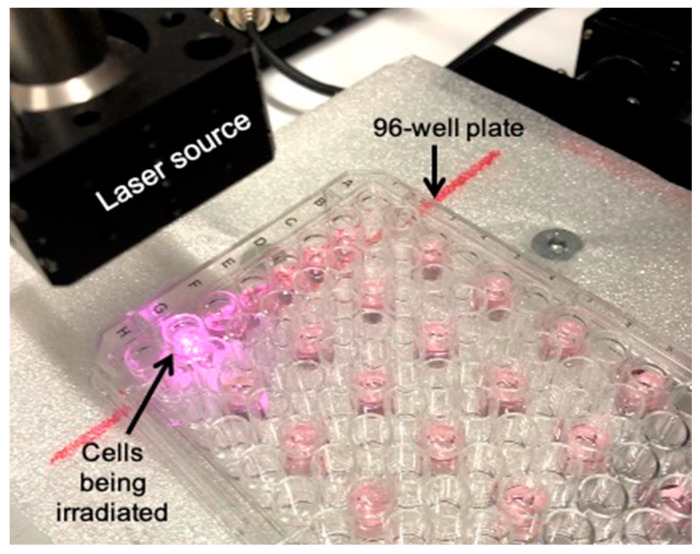
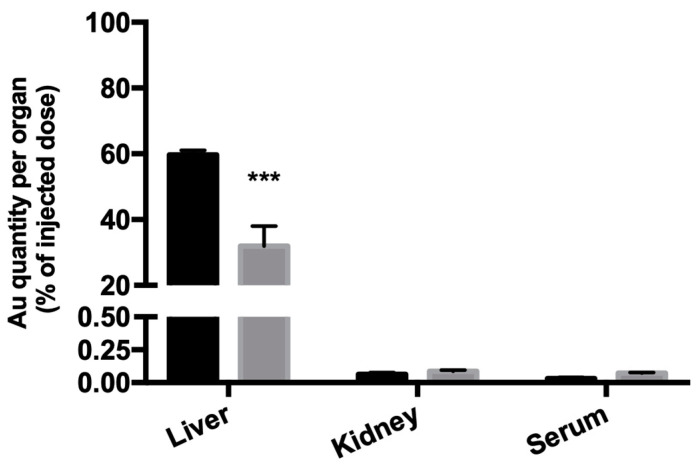
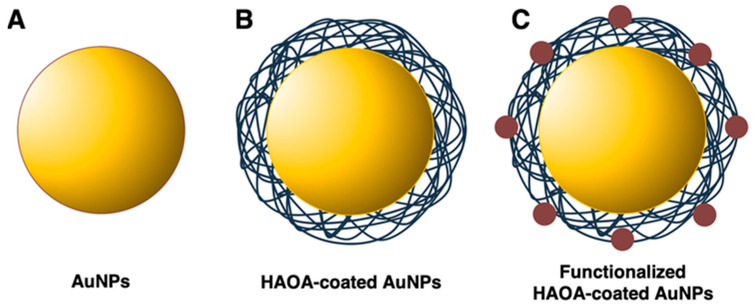
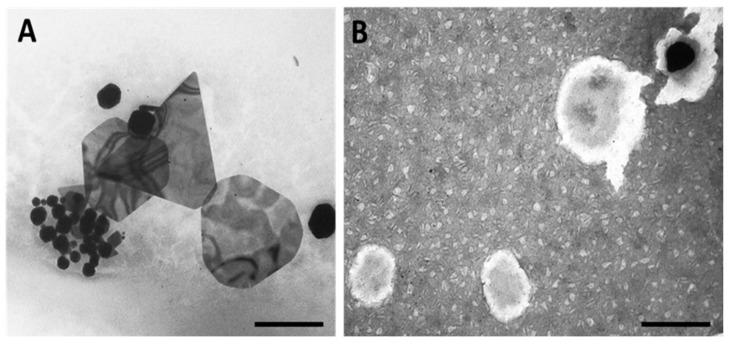
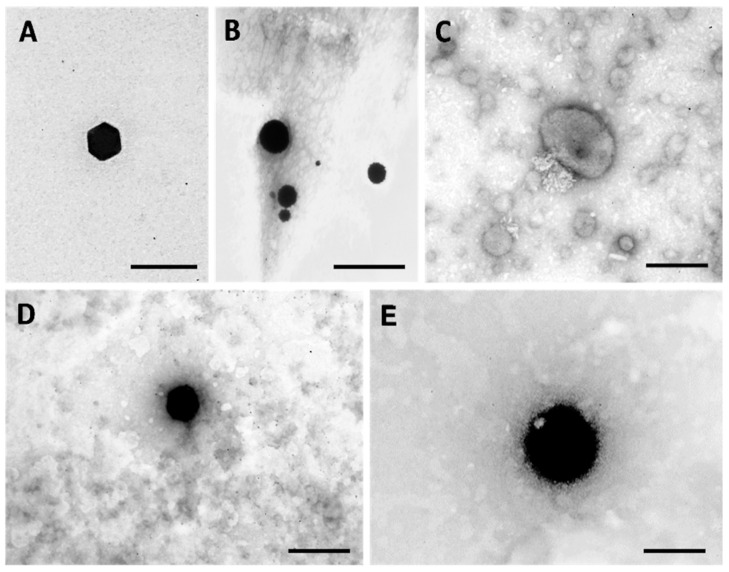
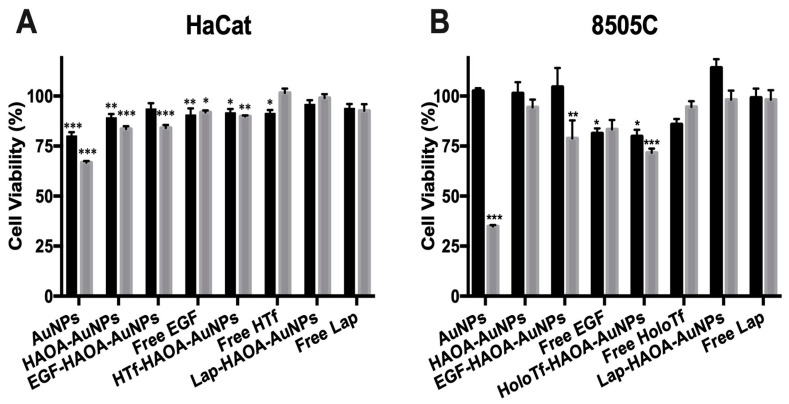
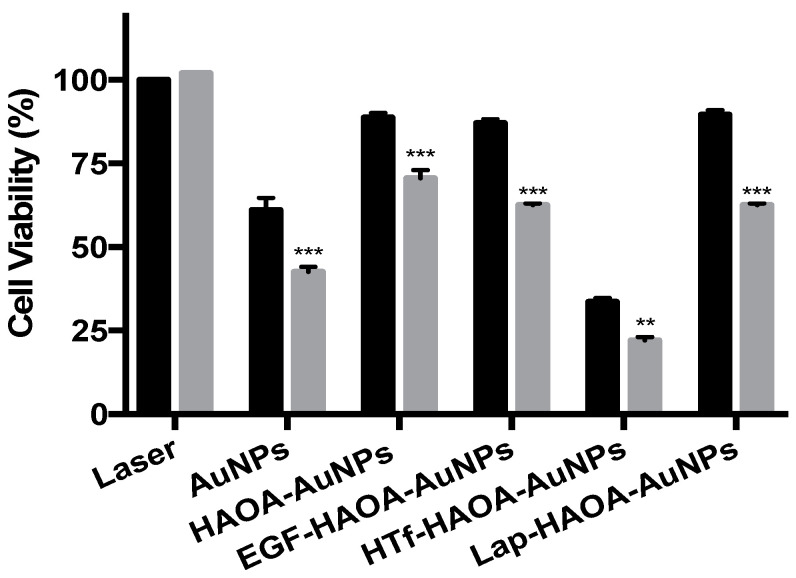
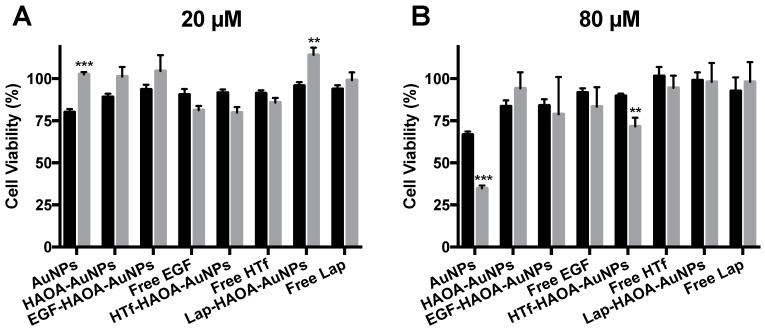
Anaplastic thyroid carcinoma (ATC) is a very rare subtype of thyroid carcinoma and one of the most lethal malignancies. Poor prognosis is mainly associated with its undifferentiated nature, inoperability, and failing to respond to the typically used therapies for thyroid cancer. Photothermal Therapy (PTT) entails using light to increase tissues' temperature, leading to hyperthermia-mediated cell death. Tumours are more susceptible to heat as they are unable to dissipate it. By using functionalized gold nanoparticles (AuNPs) that transform light energy into heat, it is possible to target the heat to the tumour. This study aims to formulate ATC-targeted AuNPs able to convert near-infrared light into heat, for PTT of ATC. Different AuNPs were synthetized and coated. Size, morphology, and surface plasmon resonances band were determined. The optimized coated-AuNPs were then functionalized with ligands to assess ATC's specificity. Safety, efficacy, and selectivity were assessed in vitro. The formulations were deemed safe when not irradiated (>70% cell viability) and selective for ATC. However, when irradiated, holo-transferrin-AuNPs were the most cytotoxic (22% of cell viability). The biodistribution and safety of this formulation was assessed in vivo. Overall, this novel formulation appears to be a highly promising approach to evaluate in a very near future.
间变性甲状腺癌(ATC)是甲状腺癌中一种非常罕见的亚型,也是最致命的恶性肿瘤之一。其预后较差主要与其未分化的性质、无法手术切除以及对甲状腺癌常用治疗方法无反应有关。光热疗法(PTT)是利用光来提高组织温度,导致热介导的细胞死亡。肿瘤由于无法散热,对热更敏感。通过使用能将光能转化为热的功能化金纳米颗粒(AuNPs),可以将热量靶向肿瘤。本研究旨在制备能够将近红外光转化为热的、靶向ATC的AuNPs,用于ATC的PTT。合成并包覆了不同的AuNPs。测定了其尺寸、形态和表面等离子体共振带。然后用配体对优化后的包覆AuNPs进行功能化,以评估对ATC的特异性。在体外评估了安全性、有效性和选择性。当未照射时,这些制剂被认为是安全的(细胞活力>70%),且对ATC具有选择性。然而,当照射时,全转铁蛋白-AuNPs具有最强的细胞毒性(细胞活力为22%)。在体内评估了该制剂的生物分布和安全性。总体而言,这种新型制剂似乎是在不久的将来值得评估的一种非常有前景的方法。