Health Education and Health Promotion Department, School of Public Health, Tabriz University of Medical Sciences, Tabriz, Iran.
Research Center for Evidence-Based Medicine, Health Management and Safety Promotion Research Institute, Tabriz University of Medical Sciences, Tabriz, Iran.
J Health Popul Nutr. 2021 Apr 8;40(1):16. doi: 10.1186/s41043-021-00240-3.
Web-based therapeutic approaches are new and attractive tools for primary health care systems due to their time and cost-saving nature and their accessibility for different populations. The aim of the current systematic review and meta-analysis is to summarize the results of studies evaluating the effect of web-based interventional programs on weight loss among overweight and obese individuals.
A literature review from 2000 to 2016 was conducted. Studies were included in the study if they had adult participants with body mass index (BMI) ≥ 25 kg/m, a web-user intervention arm, and a non-web user control arm, with the primary aim of weight loss. Weight change in the interventional group versus control group was pooled with the random-effect model. Data were extracted on sample characteristics, drop-outs, weight loss, intervention duration, and the amount of weight loss. The mean weighted difference and 95% confidence intervals (CI) were calculated.
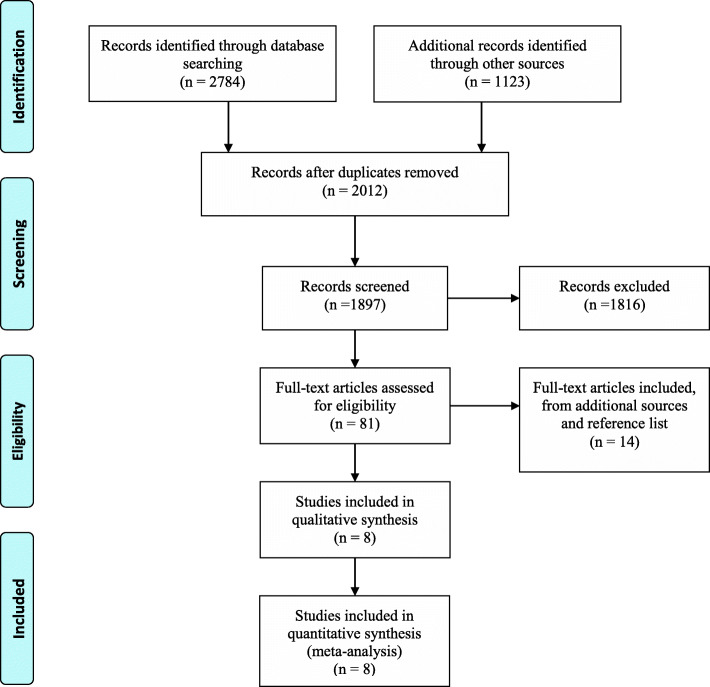
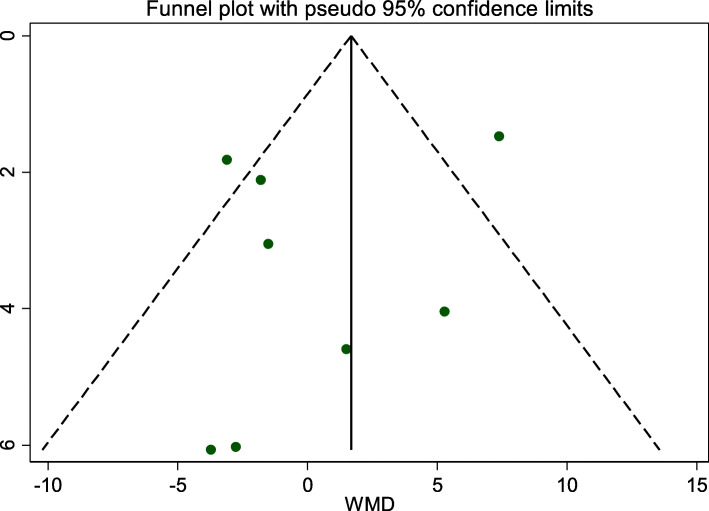
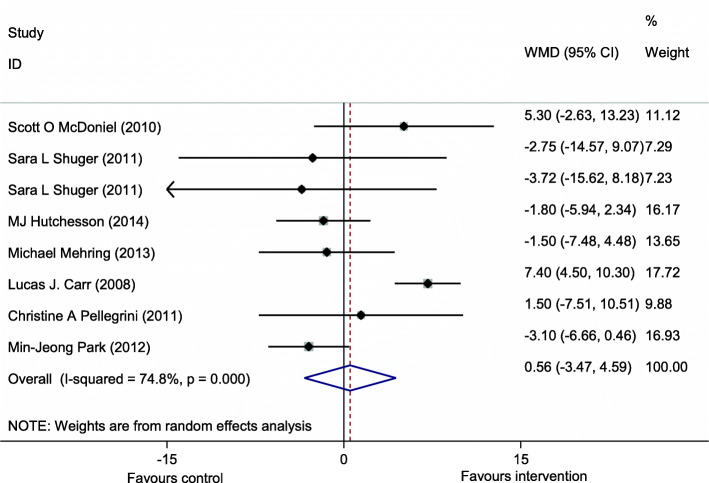
Eight studies met the inclusion criteria and included in the final model. Overall, using the web-based interventions had a weak non-significant effect on weight loss in overweight and obese individuals (WMD 0.56 kg, CI - 3.474, 4.592; P = 0.786). The most important reason was the unadjusted baseline weight of experimental and control groups in included studies, although the stratified analysis showed that, low study quality score and not using feedback and goal-setting in the study were the main factors diminishing the effectiveness of web-based intervention treatment group.
The results of the current meta-analysis indicated no effectiveness of web-based interventional programs in the weight loss of overweight and obese individuals. Although the great between-study heterogeneity and a small number of included studies further highlight the need for additional researches in this field.
基于网络的治疗方法因其节省时间和成本的特点以及对不同人群的可及性,是初级卫生保健系统的新的有吸引力的工具。本系统评价和荟萃分析的目的是总结评估基于网络的干预计划对超重和肥胖人群体重减轻效果的研究结果。
对 2000 年至 2016 年的文献进行了回顾。如果研究有身体质量指数(BMI)≥25kg/m 的成年参与者、基于网络的干预组和非基于网络的对照组,且主要目的是减肥,则将其纳入研究。干预组与对照组的体重变化采用随机效应模型进行汇总。提取样本特征、脱落率、体重减轻、干预持续时间和体重减轻量的数据。计算加权平均值差异和 95%置信区间(CI)。
符合纳入标准的 8 项研究被纳入最终模型。总体而言,使用基于网络的干预措施对超重和肥胖人群的体重减轻效果微弱且无统计学意义(WMD 0.56kg,CI-3.474,4.592;P=0.786)。最重要的原因是纳入研究中实验组和对照组的未调整基线体重,尽管分层分析表明,研究质量评分低和研究中未使用反馈和目标设定是降低基于网络的干预治疗组效果的主要因素。
本次荟萃分析的结果表明,基于网络的干预计划对超重和肥胖人群的体重减轻没有效果。尽管存在较大的研究间异质性和纳入研究数量较少,这进一步强调了在该领域开展更多研究的必要性。