International Vaccine Institute, Seoul, Republic of Korea.
International Vaccine Access Center, Johns Hopkins Bloomberg School of Public Health, Baltimore, MD, USA.
Curr Opin Immunol. 2021 Aug;71:13-20. doi: 10.1016/j.coi.2021.03.009. Epub 2021 Apr 10.
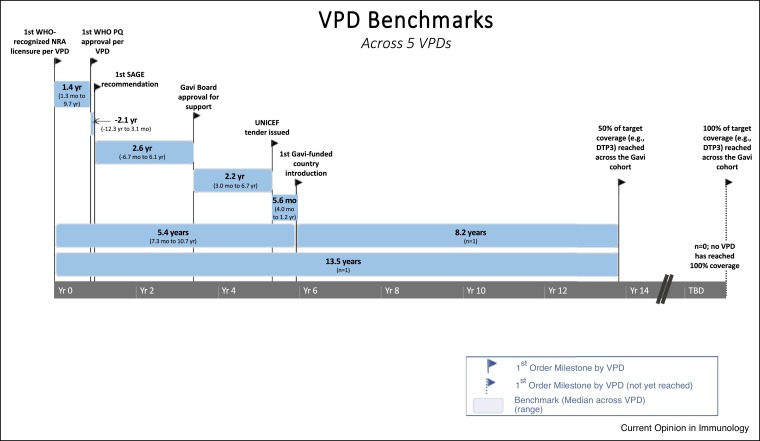
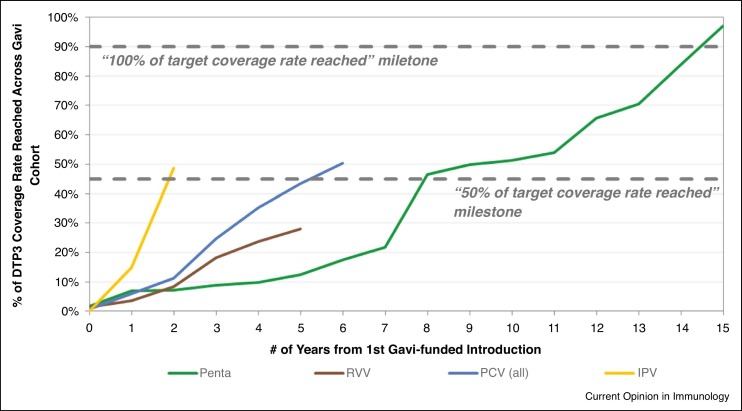
Vaccines developed in high-income countries have been enormously successful in reducing the global burden of infectious diseases, saving perhaps 2.5 million lives per year, but even for successful cases, like the rotavirus vaccine, global implementation may take a decade or more. For unincentivized vaccines, the delays are even more profound, as both the supply of a vaccine from developing country manufacturers and vaccine demand from countries with the high disease burdens have to be generated in order for impact to be manifest. A number of poverty-associated infectious diseases, whose burden is greatest in low-income and middle-income countries, would benefit from appropriate levels of support for vaccine development such as Group A Streptococcus, invasive non-typhoid salmonella, schistosomiasis, shigella, to name a few. With COVID-19 vaccines we will hopefully be able to provide novel vaccine technology to all countries through a unique collaborative effort, the COVAX facility, led by the World Health Organization (WHO), Gavi, and the Coalition for Epidemic Preparedness Innovations (CEPI). Whether this effort can deliver vaccine to all its participating countries remains to be seen, but this ambitious effort to develop, manufacture, distribute, and vaccinate 60-80% of the world's population will hopefully be a lasting legacy of COVID-19.
在高收入国家开发的疫苗在降低传染病的全球负担方面取得了巨大成功,每年可能挽救 250 万人的生命,但即使是在轮状病毒疫苗等成功案例中,全球实施也可能需要十年或更长时间。对于没有激励措施的疫苗,延迟更为严重,因为发展中国家制造商提供疫苗以及高疾病负担国家的疫苗需求都必须产生,才能显示出效果。一些与贫困相关的传染病,其负担在低收入和中等收入国家最大,如 A 组链球菌、侵袭性非伤寒沙门氏菌、血吸虫病、志贺氏菌等,将受益于适当水平的疫苗开发支持。随着 COVID-19 疫苗的出现,我们有望通过世界卫生组织(WHO)、全球疫苗免疫联盟(Gavi)和流行病防范创新联盟(CEPI)领导的独特合作努力——COVAX 设施,向所有国家提供新型疫苗技术。这项雄心勃勃的努力,即开发、制造、分发和为全球 60-80%的人口接种疫苗,能否将疫苗送到所有参与国,还有待观察,但希望这一努力能为 COVID-19 留下持久的遗产。