Alshammari Thamir M, Alenzi Khalidah A, Alnofal Fatemah A, Fradees Ghada, Altebainawi Ali F
College of Pharmacy, Riyadh Elm University, Riyadh, Saudi Arabia.
Medication Safety Research Chair, King Saud University, Riyadh, Saudi Arabia.
Saudi Pharm J. 2021 May;29(5):391-409. doi: 10.1016/j.jsps.2021.03.011. Epub 2021 Apr 20.
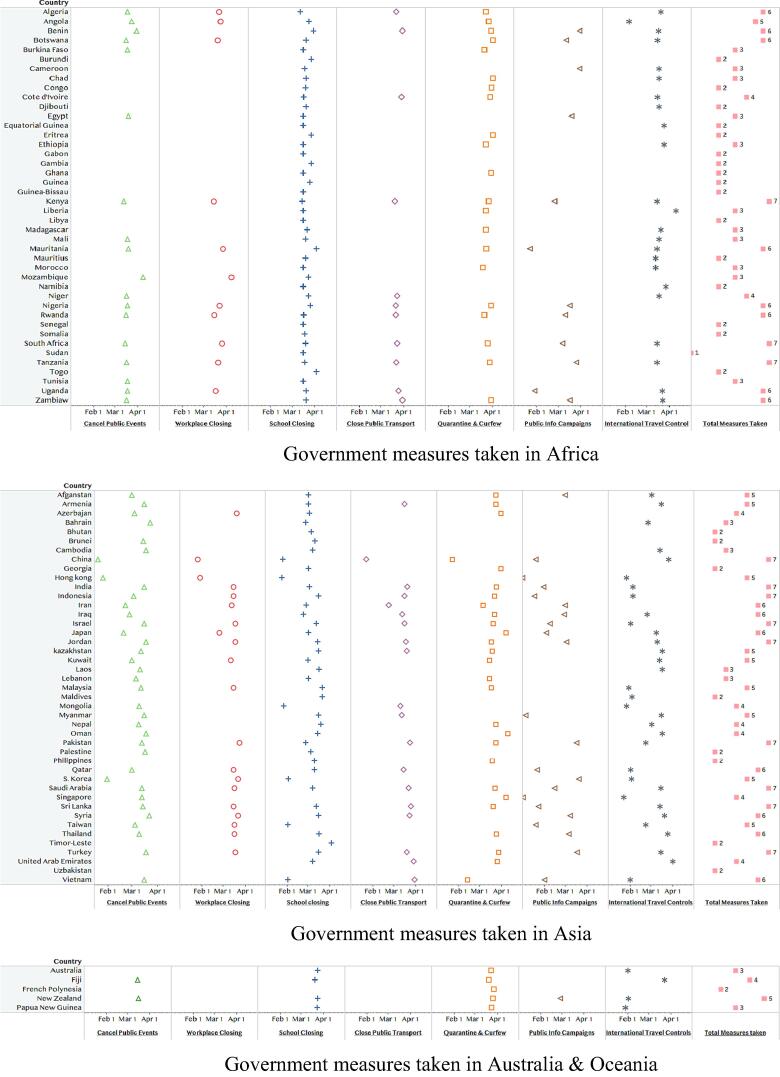
The coronavirus disease 2019 (COVID-19) pandemic has affected many countries negatively, particularly in terms of their health care and financial systems. Numerous countries have attempted to employ precautions to address this pandemic. This study was aimed at exploring and assessing the early precautionary actions taken by 175 countries on six continents to prevent the spread of severe acute respiratory syndrome coronavirus 2 (SARS-CoV-2).
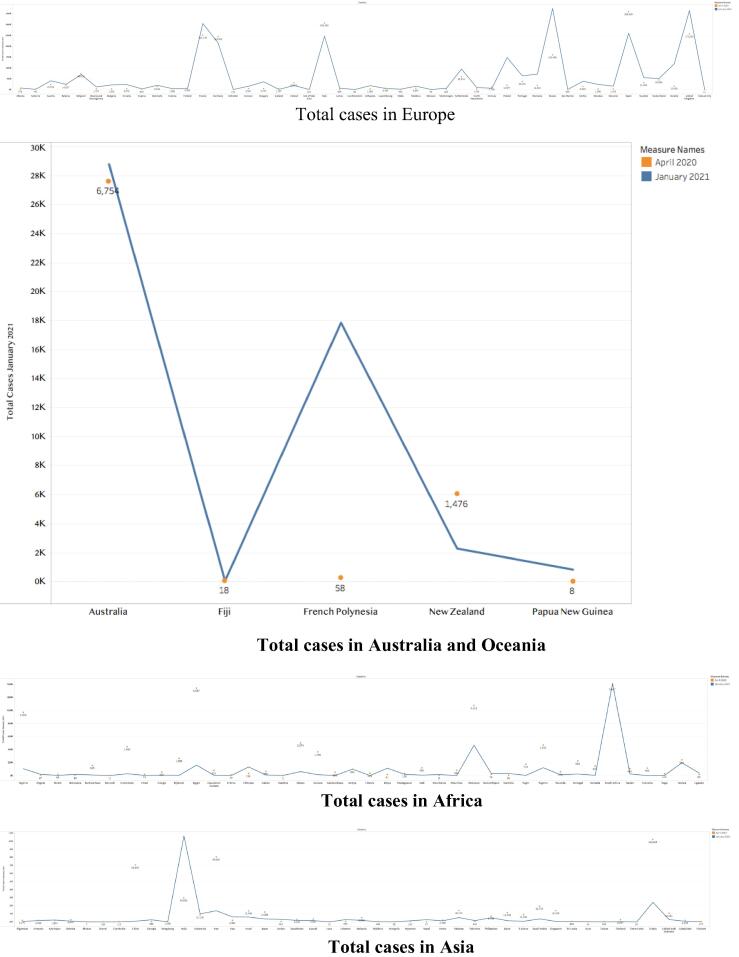
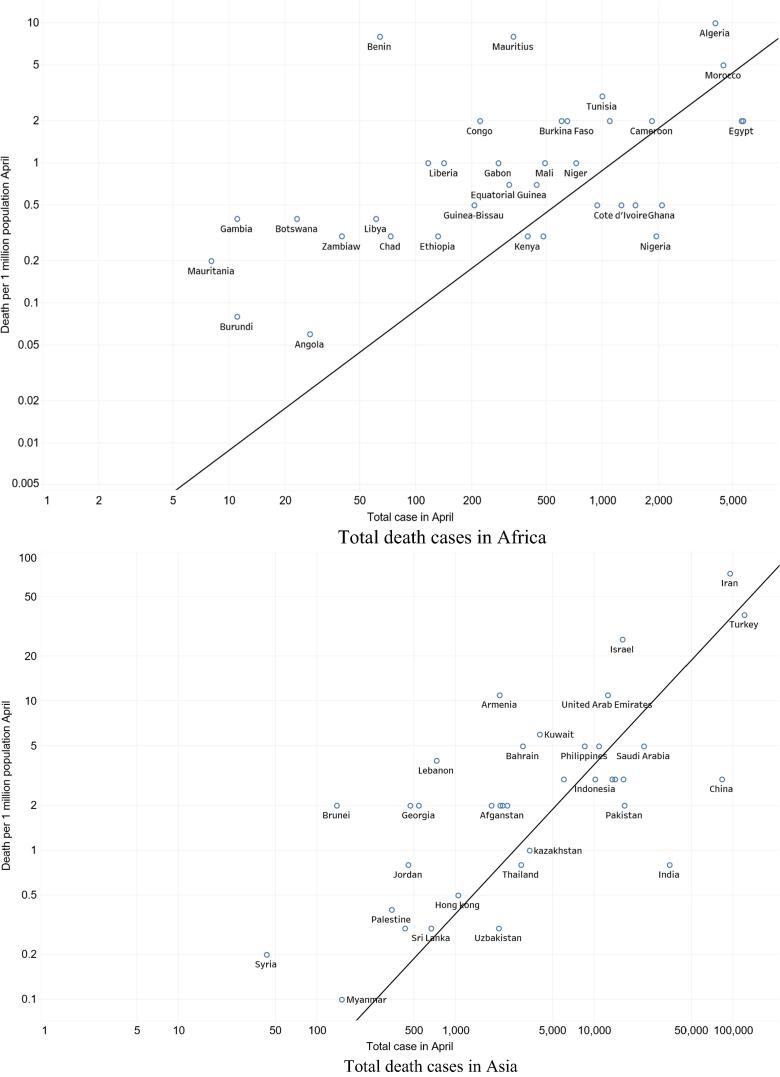
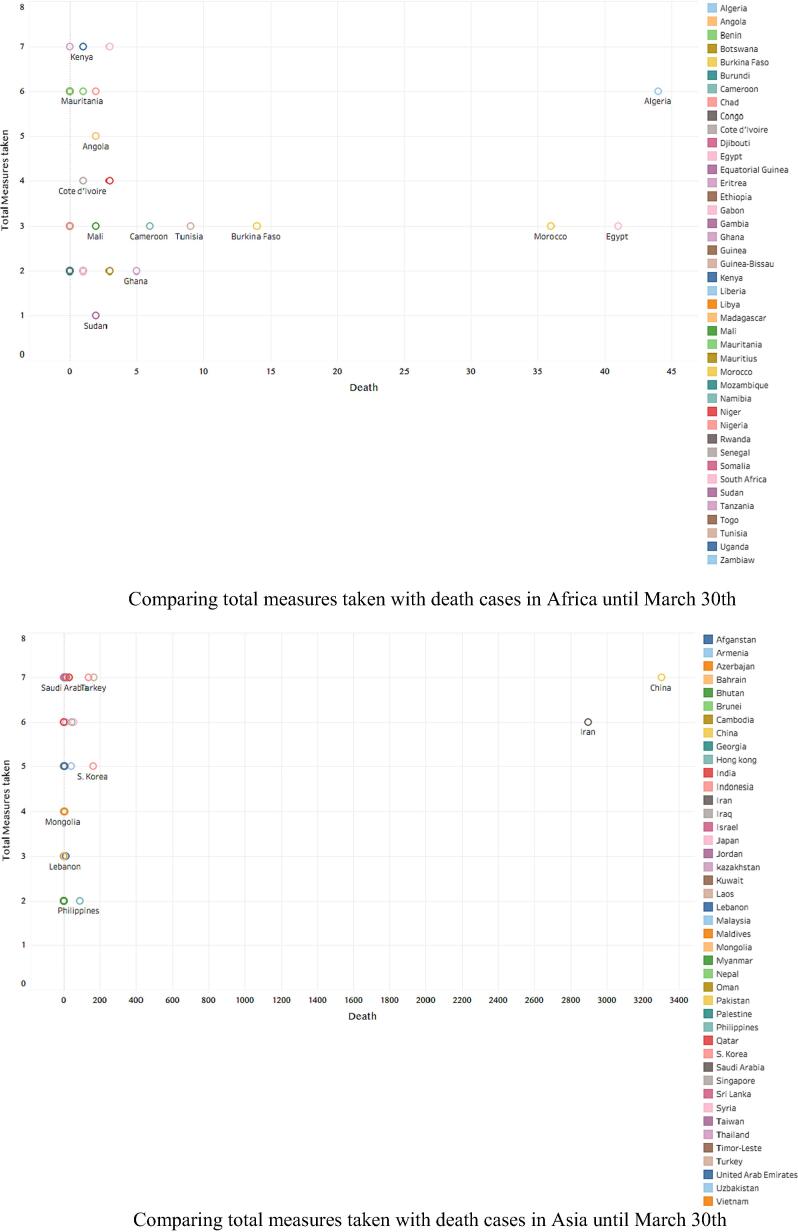
An observational study utilizing available public data was conducted on the basis of data collected from December 31, 2019 until the end of April 2020 and then compared with data in January 2021. Several data were extracted, including information related to the date of the first reported case of SARS-CoV-2, total confirmed cases, total active cases and more. In addition, seven validated indicators were used to assess the countries' preparedness and precautionary actions.
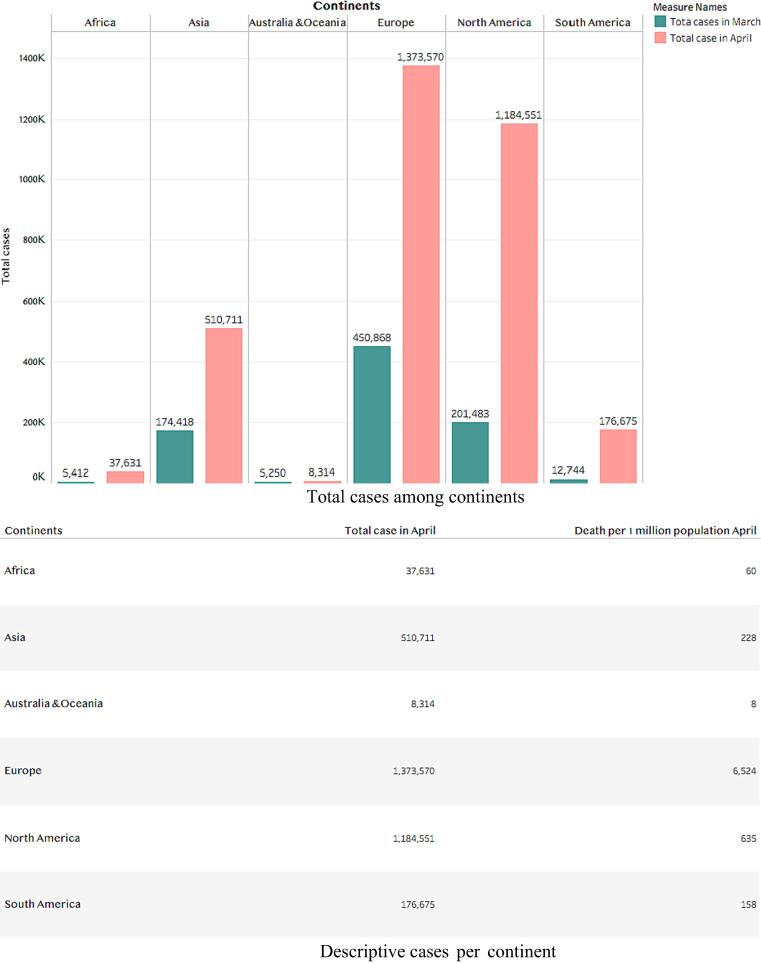
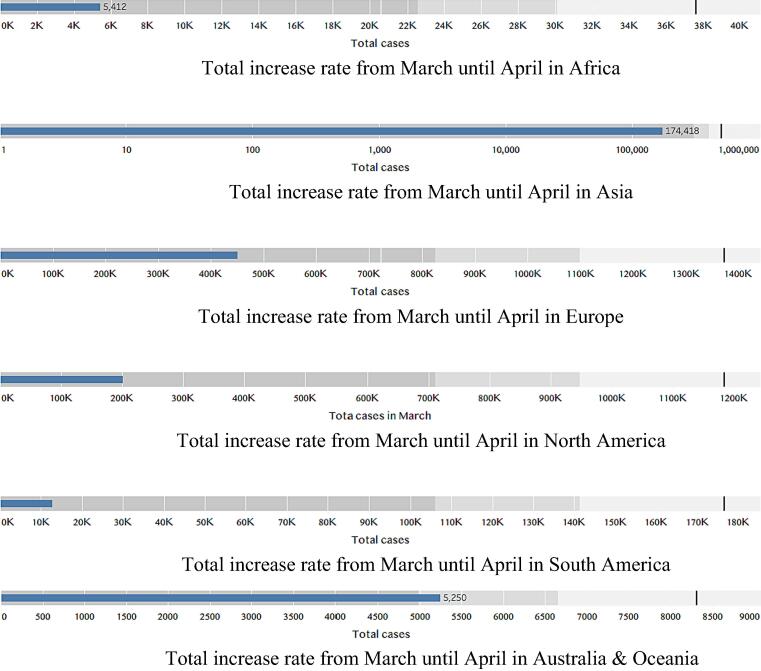
A total of 175 countries were included in the study. The total COVID-19 infection rate increased exponentially and rapidly in North America and Europe from March to April. The application of precautions (indicators) varied between countries. School closures, quarantines and curfews were the most-applied indicators among all countries. As for the relationship between the indicators and their effects on the infection rate, Italy and Spain were the top countries in Europe and adopted all the indicators. Nevertheless, they faced high infection rates: 239,639 and 205,463 COVID-19 cases in Spain and Italy, respectively.
The precautionary actions might have played a role in limiting the spread of COVID-19 in several countries. However, many countries might not benefit from applying these indicators.
2019年冠状病毒病(COVID-19)大流行对许多国家产生了负面影响,尤其是在医疗保健和金融系统方面。许多国家试图采取预防措施来应对这一流行病。本研究旨在探索和评估六大洲175个国家为预防严重急性呼吸综合征冠状病毒2(SARS-CoV-2)传播而采取的早期预防行动。
基于2019年12月31日至2020年4月底收集的数据进行了一项利用现有公共数据的观察性研究,然后与2021年1月的数据进行比较。提取了若干数据,包括与SARS-CoV-2首例报告病例日期、确诊病例总数、活跃病例总数等相关的信息。此外,使用了七个经过验证的指标来评估各国的准备情况和预防行动。
该研究共纳入175个国家。从3月到4月,北美和欧洲的COVID-19总感染率呈指数级快速上升。各国预防措施(指标)的应用情况各不相同。学校关闭、隔离和宵禁是所有国家中应用最多的指标。至于指标与其对感染率的影响之间的关系,意大利和西班牙是欧洲采取所有指标的领先国家。然而,它们面临着高感染率:西班牙和意大利分别有239,639例和205,463例COVID-19病例。
预防行动可能在一些国家限制COVID-19传播方面发挥了作用。然而,许多国家可能并未从应用这些指标中受益。