Department of Paediatric Infectious Diseases and Virology, Imperial College London, London, UK.
Centre for Paediatrics and Child Health, Faculty of Medicine, Imperial College London, London, UK.
J Exp Med. 2021 Jun 7;218(6). doi: 10.1084/jem.20210446.
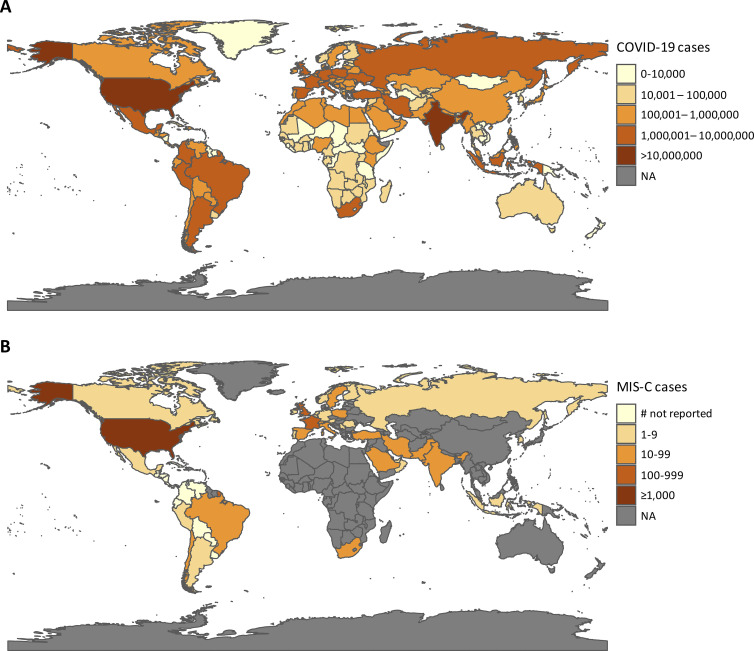
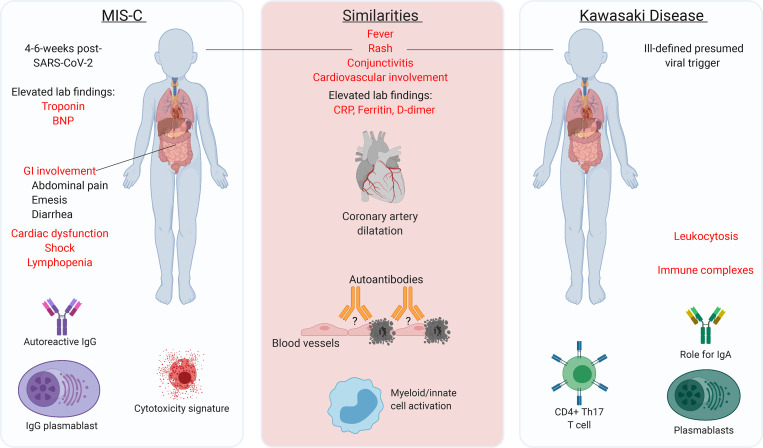
Multisystem inflammatory syndrome in children (MIS-C) emerged in April 2020 in communities with high COVID-19 rates. This new condition is heterogenous but resembles Kawasaki disease (KD), a well-known but poorly understood and clinically heterogenous pediatric inflammatory condition for which weak associations have been found with a myriad of viral illnesses. Epidemiological data clearly indicate that SARS-CoV-2 is the trigger for MIS-C, which typically occurs about 1 mo after infection. These findings support the hypothesis of viral triggers for the various forms of classic KD. We further suggest that rare inborn errors of immunity (IEIs) altering the immune response to SARS-CoV-2 may underlie the pathogenesis of MIS-C in some children. The discovery of monogenic IEIs underlying MIS-C would shed light on its pathogenesis, paving the way for a new genetic approach to classic KD, revisited as a heterogeneous collection of IEIs to viruses.
儿童多系统炎症综合征(MIS-C)于 2020 年 4 月在 COVID-19 发病率较高的社区中出现。这种新病症具有异质性,但类似于川崎病(KD),KD 是一种众所周知但了解甚少且临床表现异质性很强的儿科炎症性疾病,与多种病毒病有微弱关联。流行病学数据清楚表明,SARS-CoV-2 是 MIS-C 的触发因素,通常在感染后约 1 个月发生。这些发现支持了病毒触发各种形式经典 KD 的假说。我们进一步提出,改变对 SARS-CoV-2 免疫反应的罕见先天性免疫缺陷(IEI)可能是某些儿童 MIS-C 发病机制的基础。导致 MIS-C 的单基因 IEI 的发现将阐明其发病机制,为经典 KD 的新遗传方法铺平道路,重新将其视为一组异质性 IEI 对病毒的反应。