Xu Dan, Xue Mengyao, Shen Zhen, Jia Xiaowei, Hou Xuwen, Lai Daowan, Zhou Ligang
Department of Plant Pathology, College of Plant Protection, China Agricultural University, Beijing 100193, China.
Toxins (Basel). 2021 Apr 6;13(4):261. doi: 10.3390/toxins13040261.
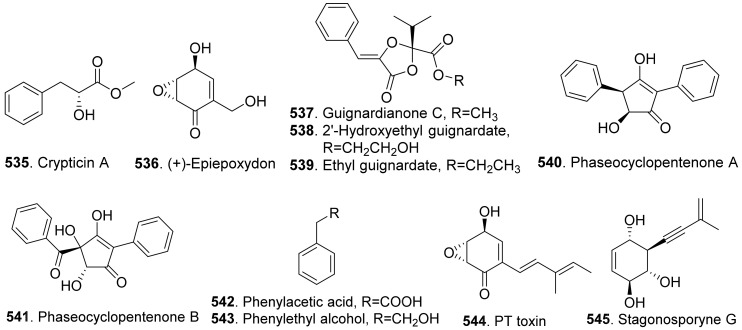
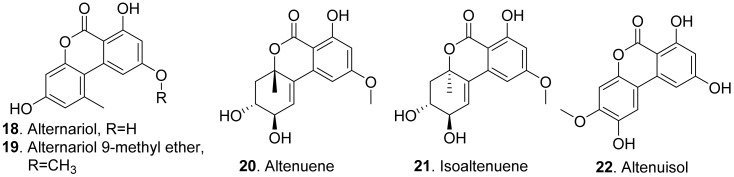
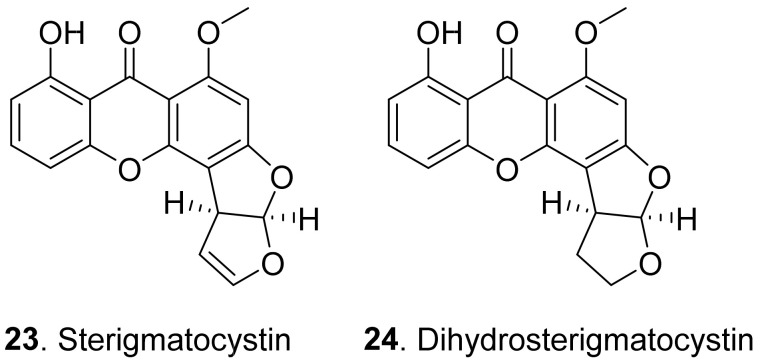
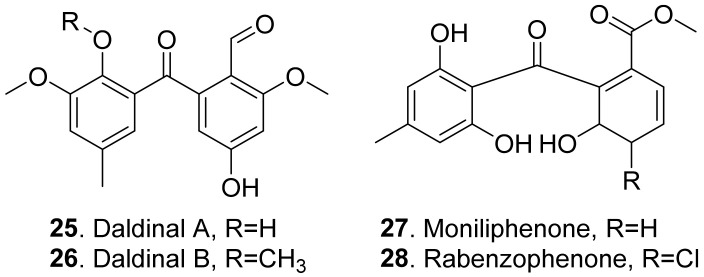
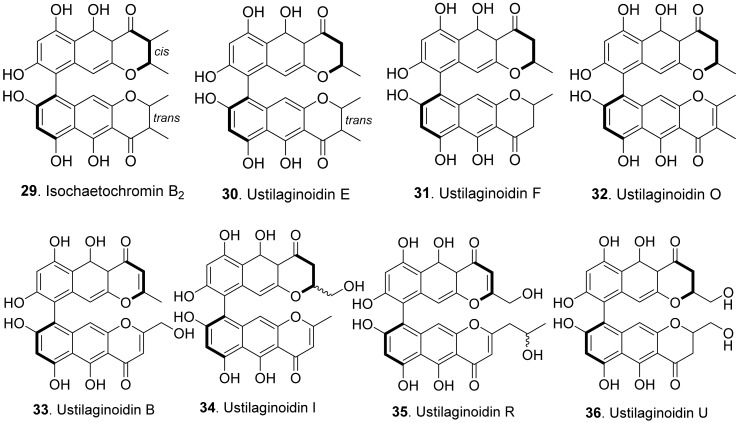
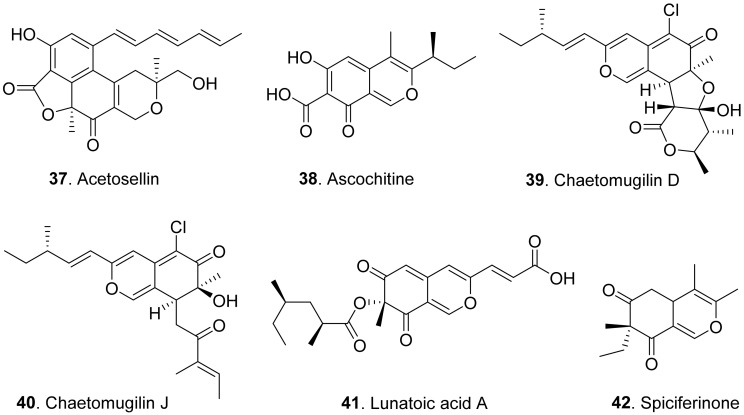
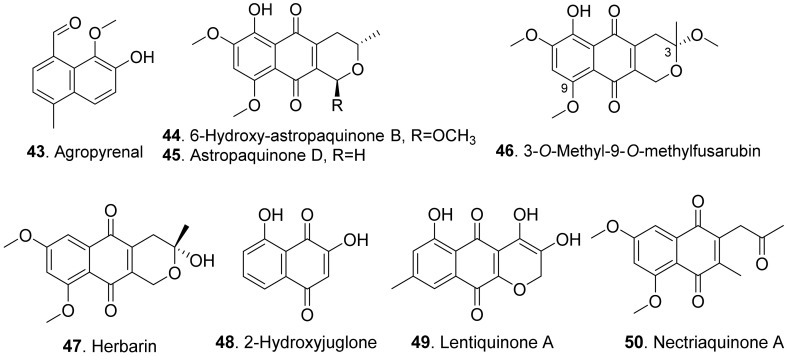
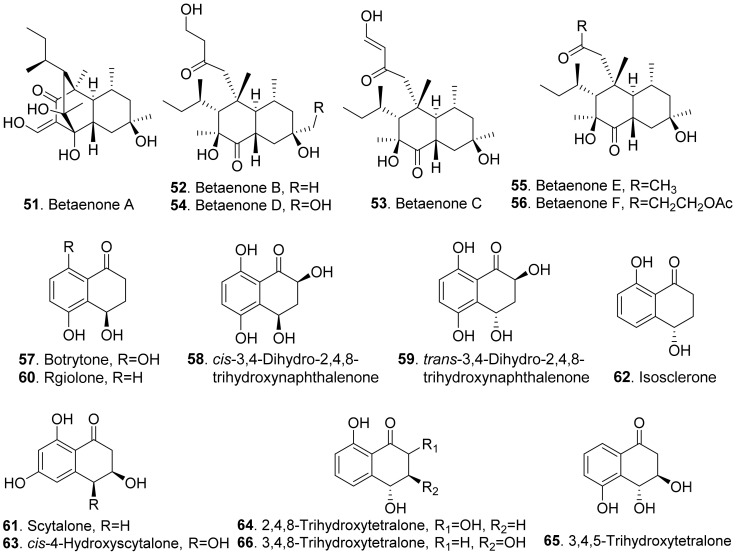
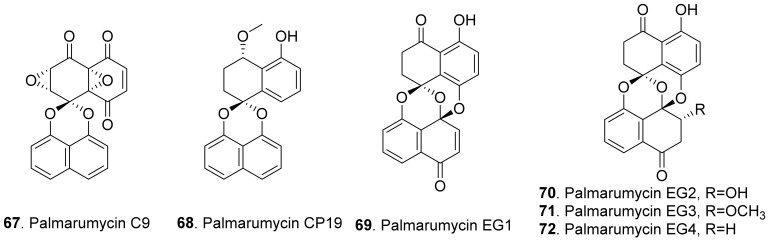
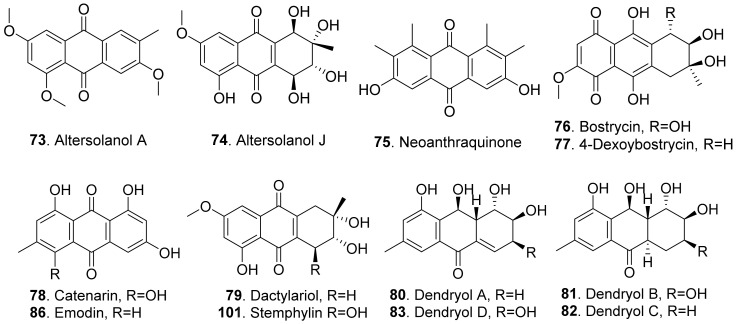
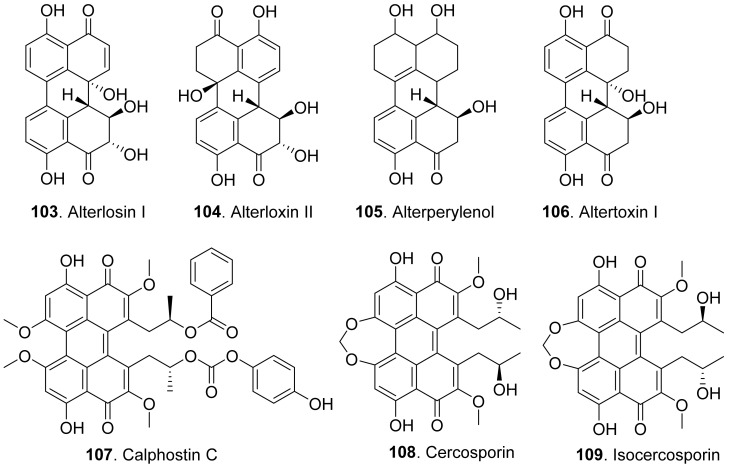
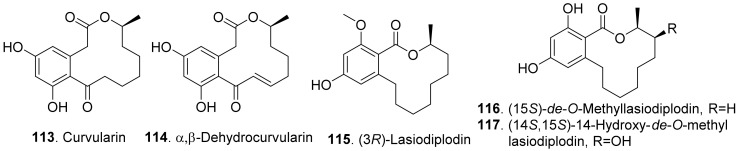
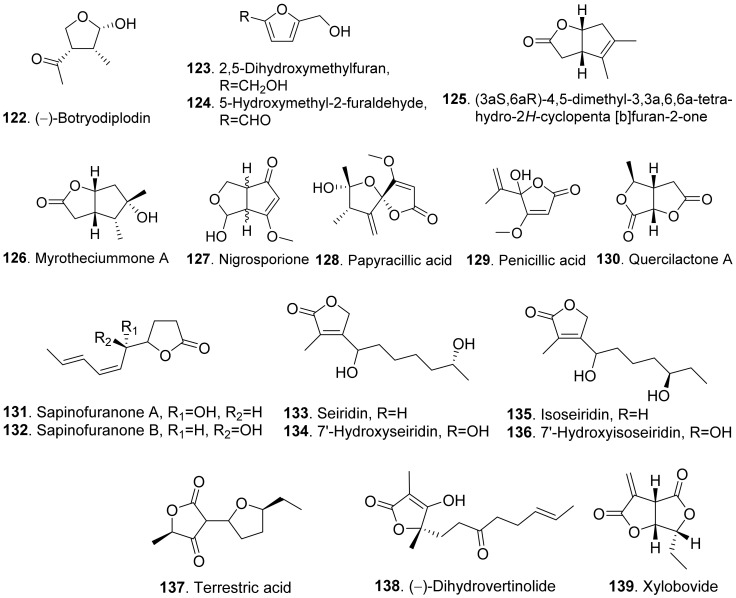
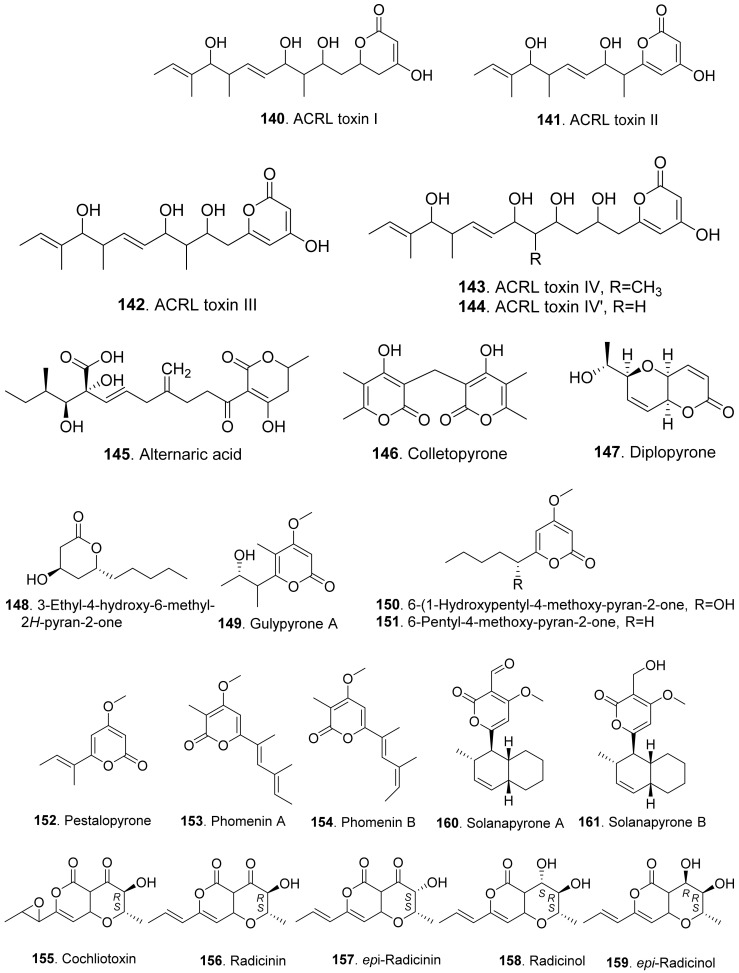
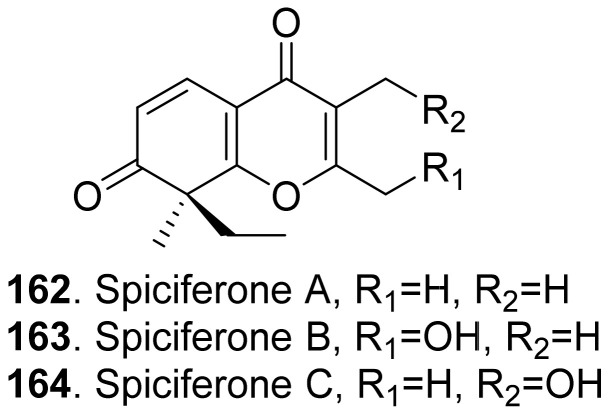
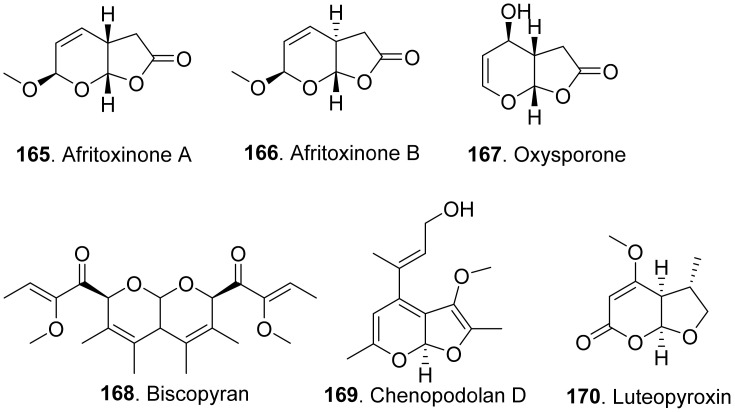
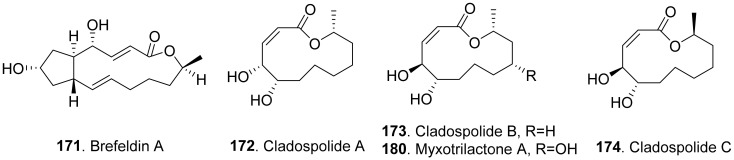
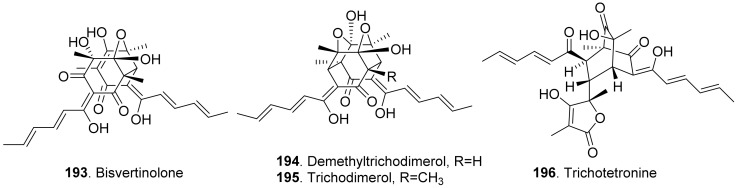
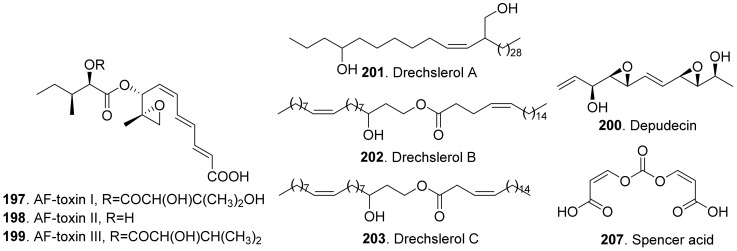
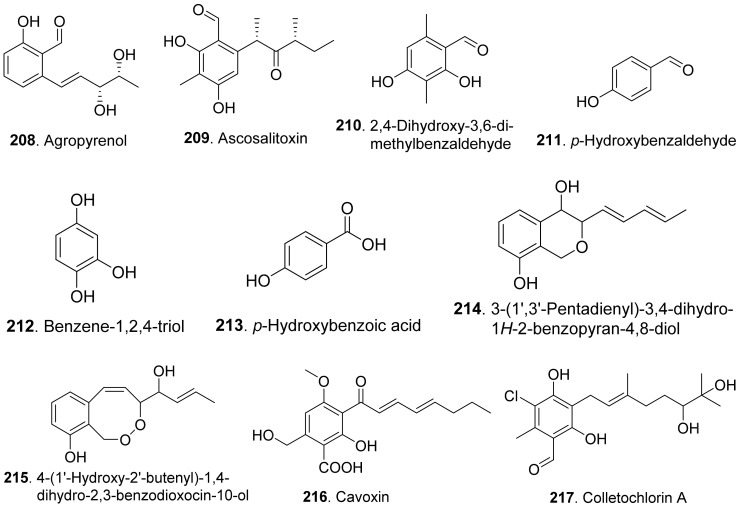
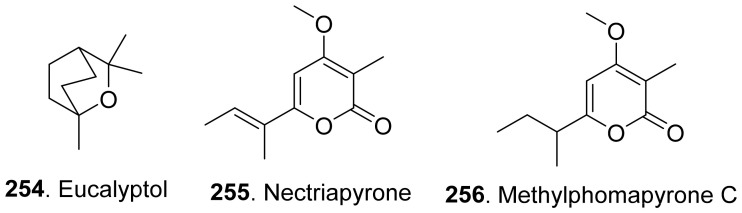
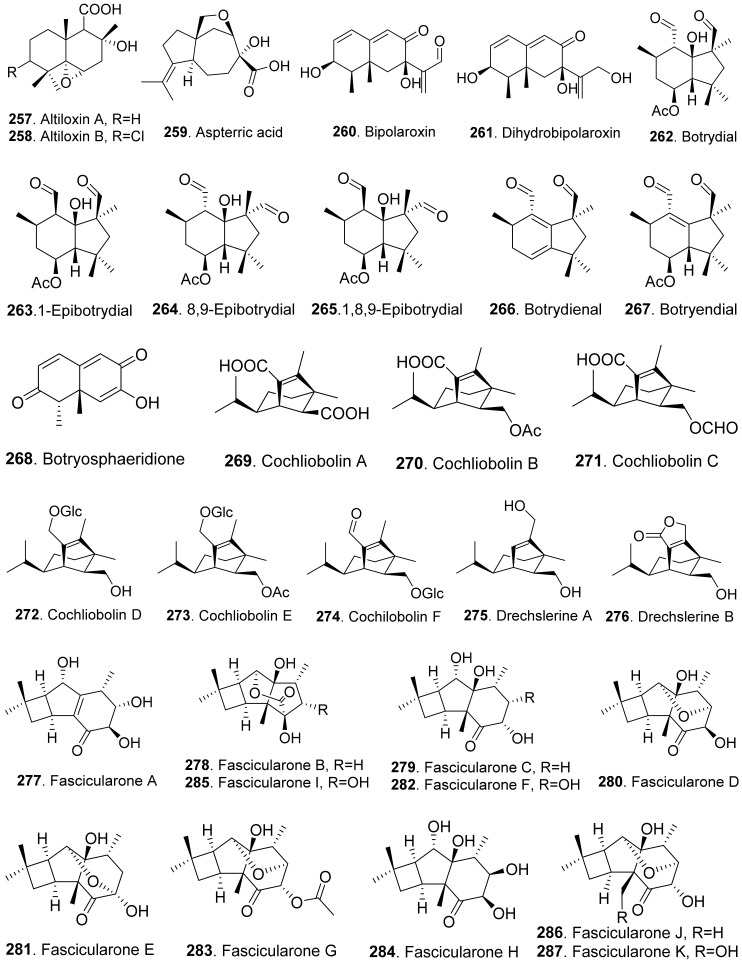
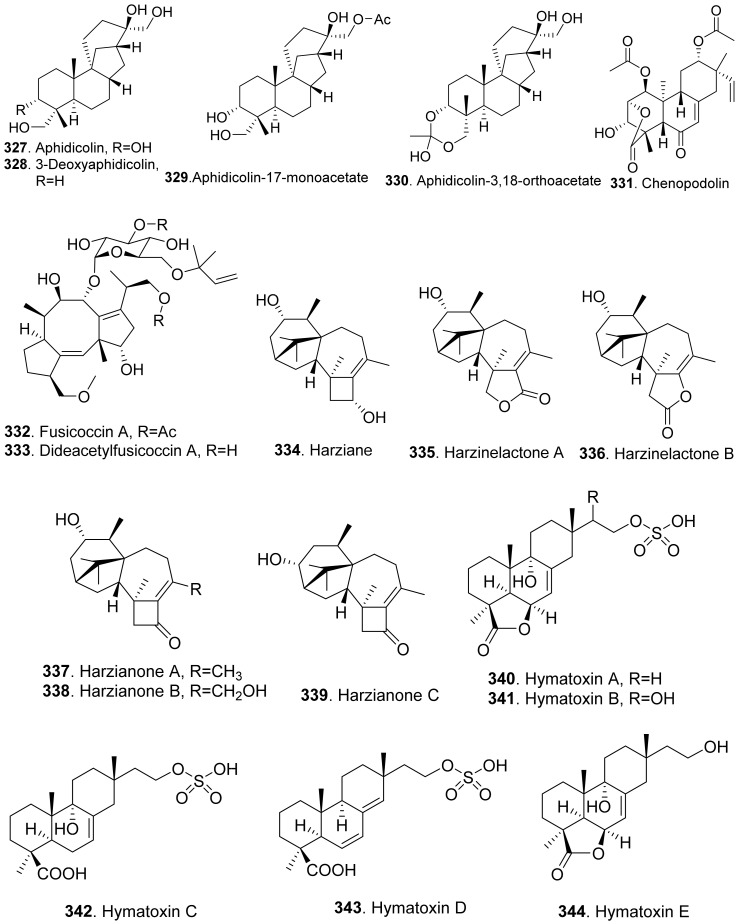
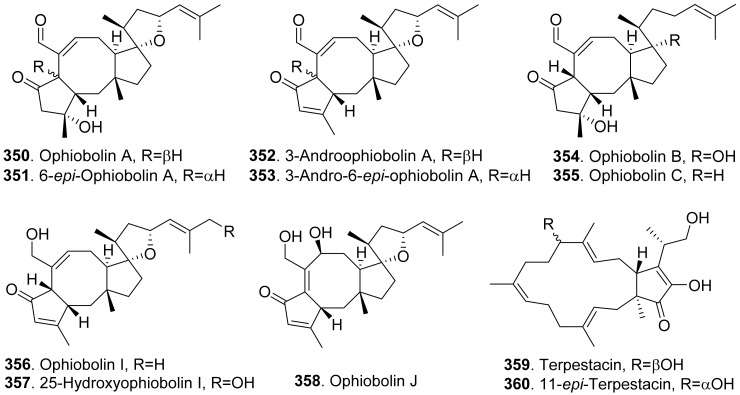
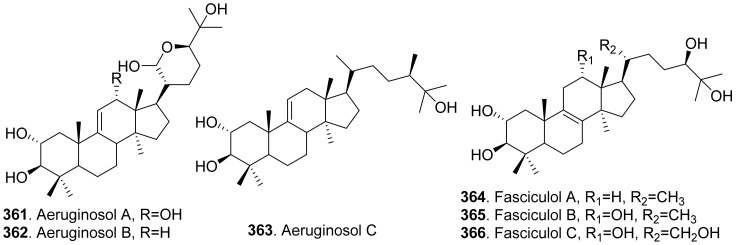
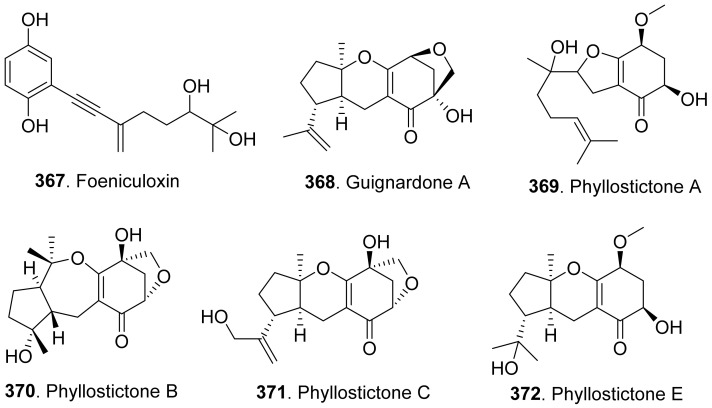
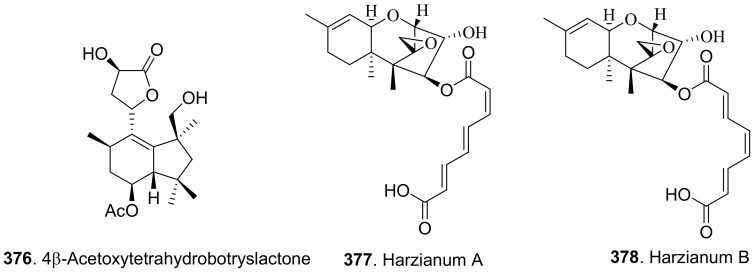
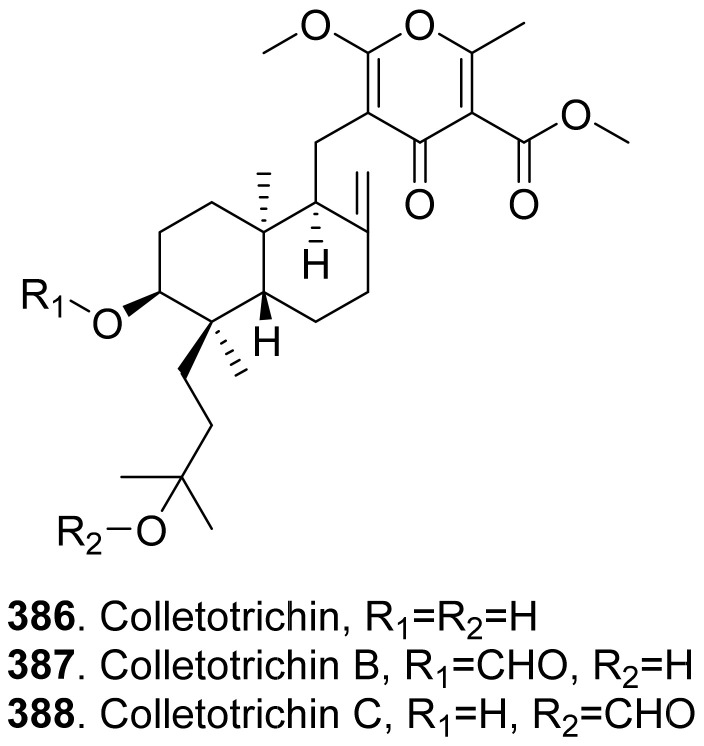
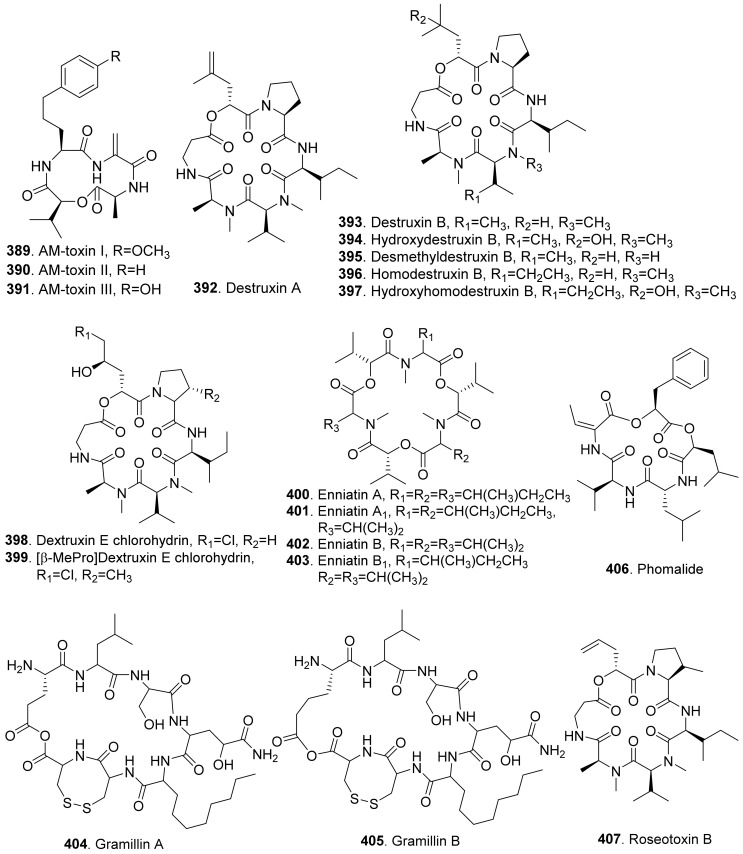
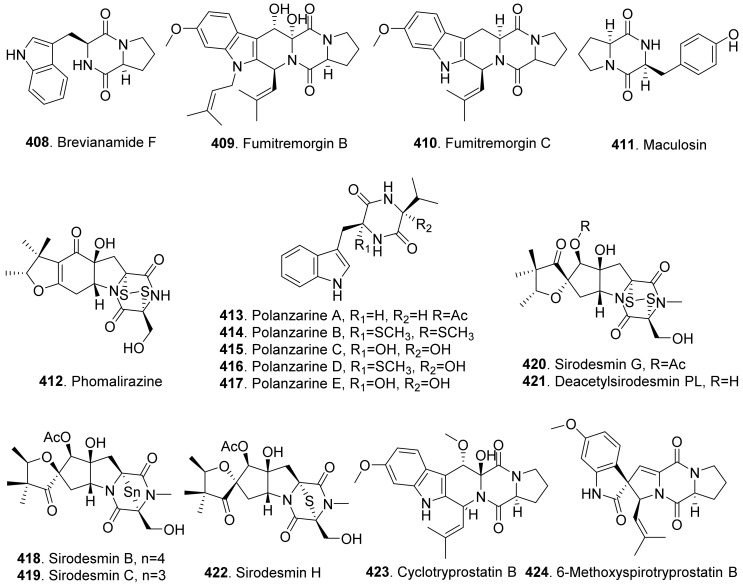
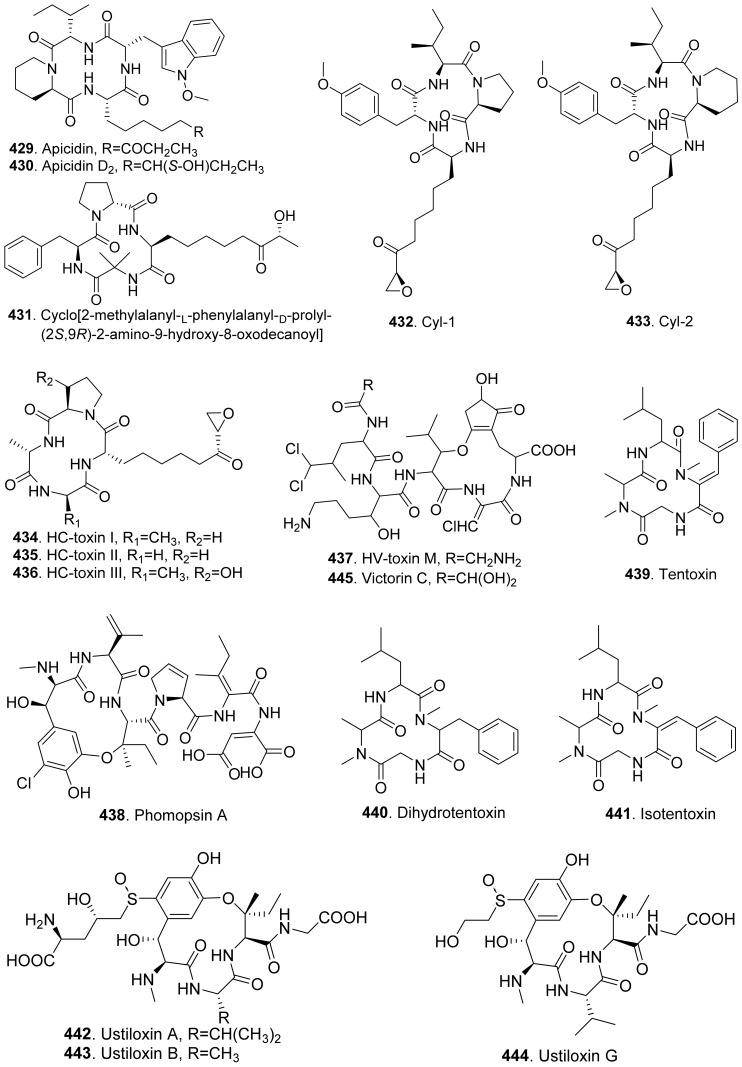
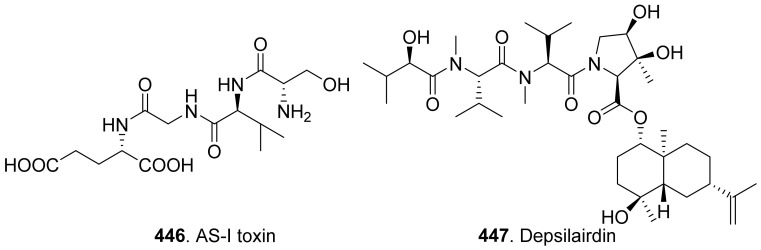
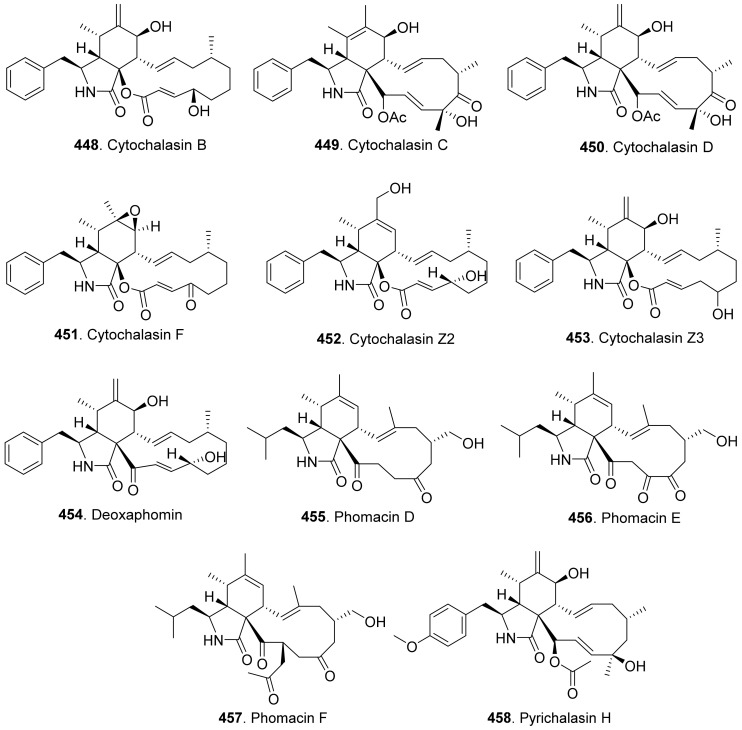
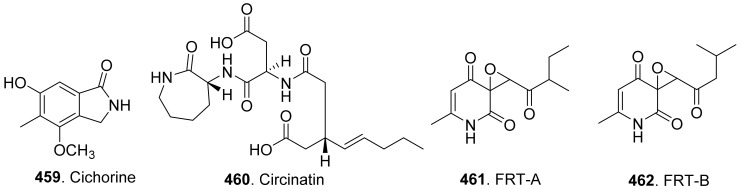
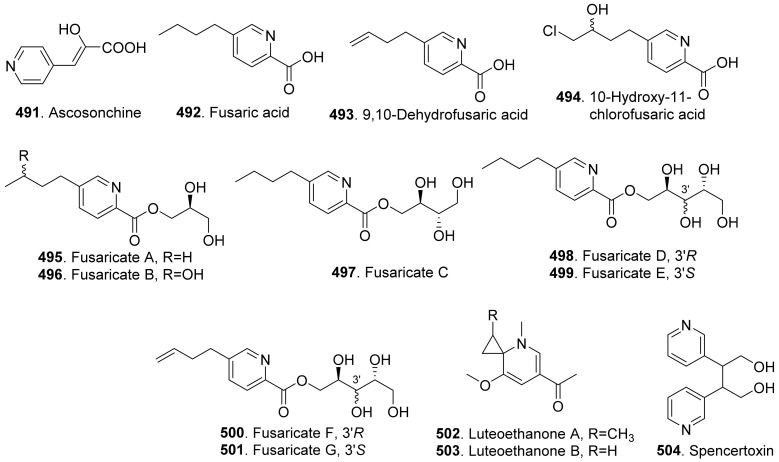
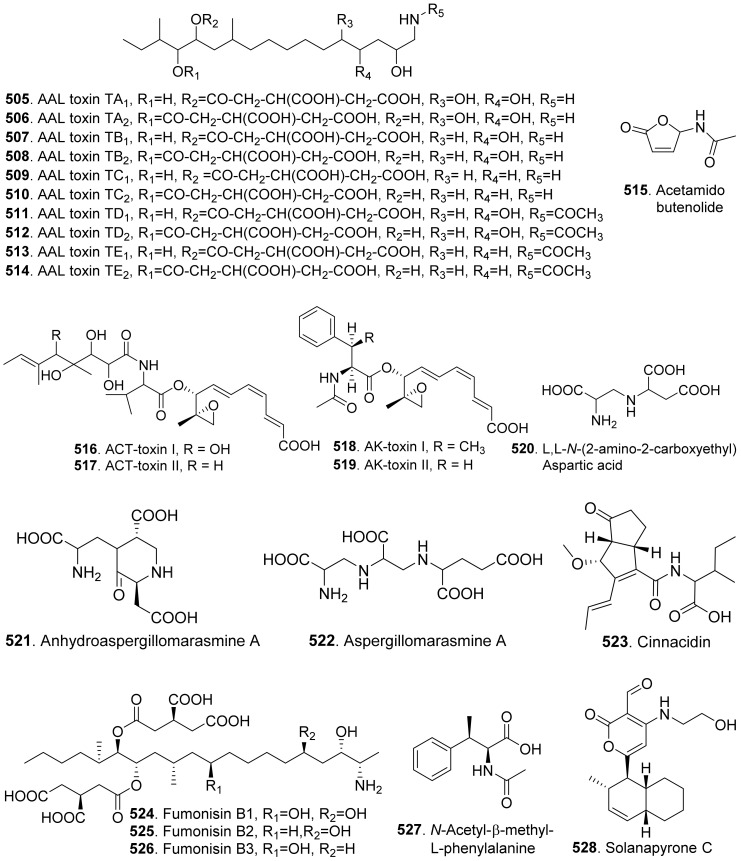
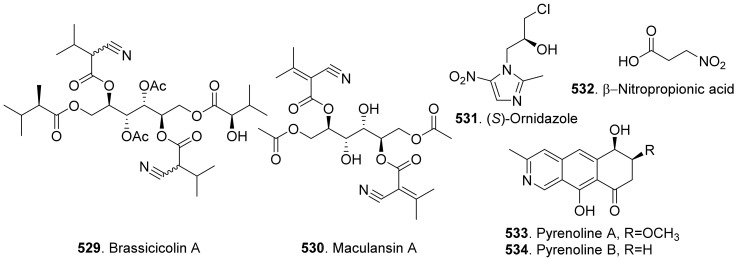
Fungal phytotoxic secondary metabolites are poisonous substances to plants produced by fungi through naturally occurring biochemical reactions. These metabolites exhibit a high level of diversity in their properties, such as structures, phytotoxic activities, and modes of toxicity. They are mainly isolated from phytopathogenic fungal species in the genera of , , , , , and . Phytotoxins are either host specific or non-host specific phytotoxins. Up to now, at least 545 fungal phytotoxic secondary metabolites, including 207 polyketides, 46 phenols and phenolic acids, 135 terpenoids, 146 nitrogen-containing metabolites, and 11 others, have been reported. Among them, aromatic polyketides and sesquiterpenoids are the main phytotoxic compounds. This review summarizes their chemical structures, sources, and phytotoxic activities. We also discuss their phytotoxic mechanisms and structure-activity relationships to lay the foundation for the future development and application of these promising metabolites as herbicides.
真菌植物毒性次生代谢产物是真菌通过自然发生的生化反应产生的对植物有毒的物质。这些代谢产物在其性质上表现出高度的多样性,如结构、植物毒性活性和毒性模式。它们主要从 、 、 、 、 、 等属的植物病原真菌物种中分离得到。植物毒素分为寄主特异性植物毒素和非寄主特异性植物毒素。到目前为止,已报道了至少545种真菌植物毒性次生代谢产物,包括207种聚酮化合物、46种酚类和酚酸、135种萜类、146种含氮代谢产物以及11种其他物质。其中,芳香聚酮化合物和倍半萜是主要的植物毒性化合物。本综述总结了它们的化学结构、来源和植物毒性活性。我们还讨论了它们的植物毒性机制和构效关系,为这些有前景的代谢产物作为除草剂的未来开发和应用奠定基础。