Roy Satyaki, Ghosh Preetam
Department of Genetics, University of North Carolina, Chapel Hill, NC 27599, USA.
Department of Computer Science, Virginia Commonwealth University, Richmond, VA 23284, USA.
Healthcare (Basel). 2021 Apr 21;9(5):488. doi: 10.3390/healthcare9050488.
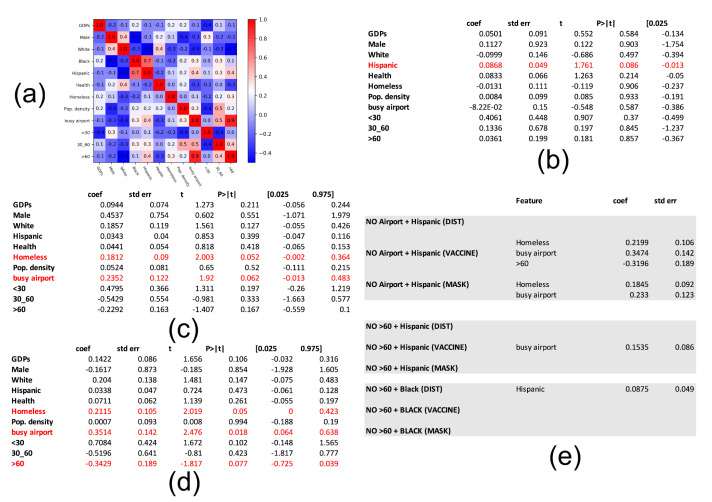
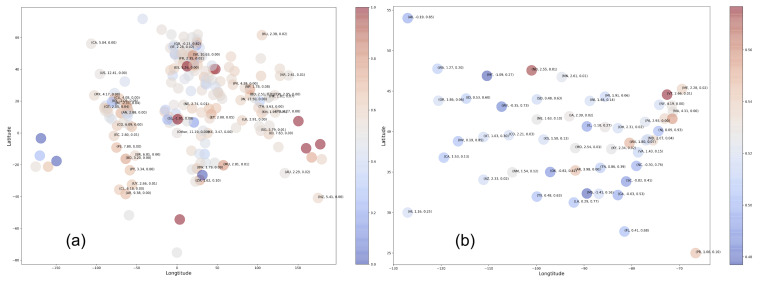
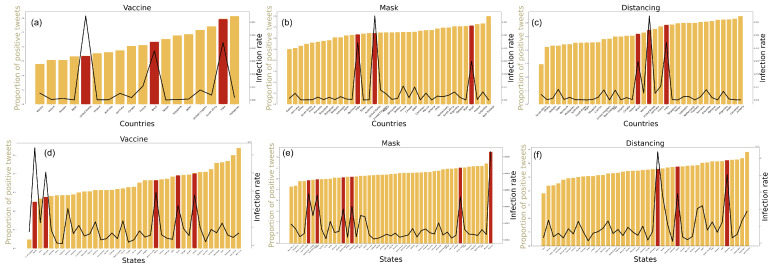
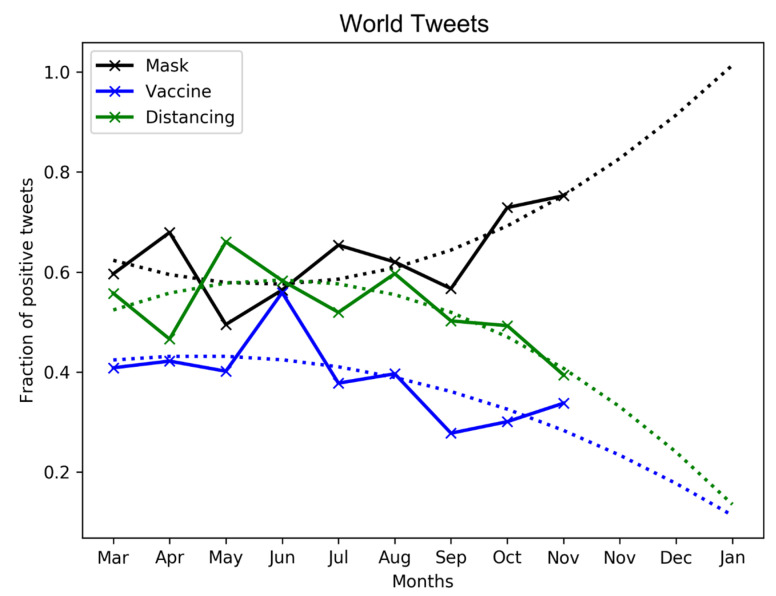
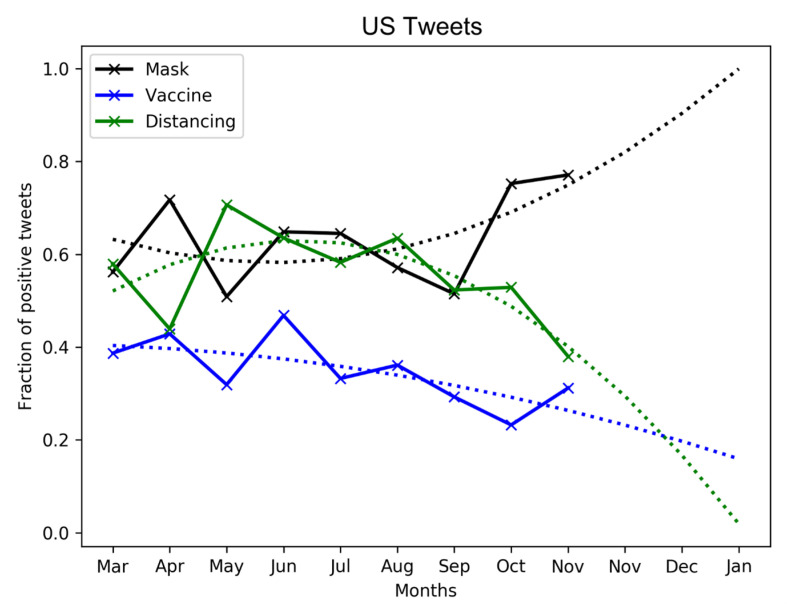
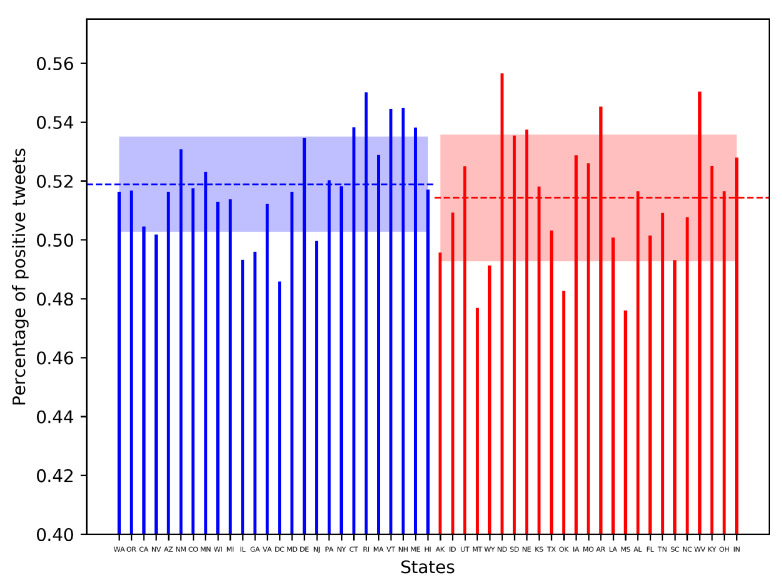
COVID-19 is a global health emergency that has fundamentally altered human life. Public perception about COVID-19 greatly informs public policymaking and charts the course of present and future mitigation strategies. Existing approaches to gain insights into the evolving nature of public opinion has led to the application of natural language processing on public interaction data acquired from online surveys and social media. In this work, we apply supervised and unsupervised machine learning approaches on global Twitter data to learn the opinions about adoption of mitigation strategies such as social distancing, masks, and vaccination, as well as the effect of socioeconomic, demographic, political, and epidemiological features on perceptions. Our study reveals the uniform polarity in public sentiment on the basis of spatial proximity or COVID-19 infection rates. We show the reservation about the adoption of social distancing and vaccination across the world and also quantify the influence of airport traffic, homelessness, followed by old age and race on sentiment of netizens within the US.
新冠疫情是一场全球卫生突发事件,已从根本上改变了人类生活。公众对新冠疫情的认知极大地影响了公共政策制定,并为当前和未来的缓解策略指明了方向。现有的了解公众舆论演变性质的方法导致了自然语言处理在从在线调查和社交媒体获取的公众互动数据上的应用。在这项工作中,我们对全球推特数据应用监督式和无监督式机器学习方法,以了解关于采取社交距离、戴口罩和接种疫苗等缓解策略的意见,以及社会经济、人口、政治和流行病学特征对认知的影响。我们的研究揭示了基于空间 proximity 或新冠感染率的公众情绪的统一极性。我们展示了全球范围内对采取社交距离和接种疫苗的保留态度,并量化了机场交通、无家可归现象,其次是老年和种族对美国网民情绪的影响。 (注:原文中“spatial proximity”表述有误,可能是“spatial proximity”,意为“空间接近度” )