"Lipotoxicity and Channelopathies (LitCh)-ConicMeds" Laboratory, University of Poitiers, 86000 Poitiers, France.
Cells. 2021 Apr 17;10(4):937. doi: 10.3390/cells10040937.
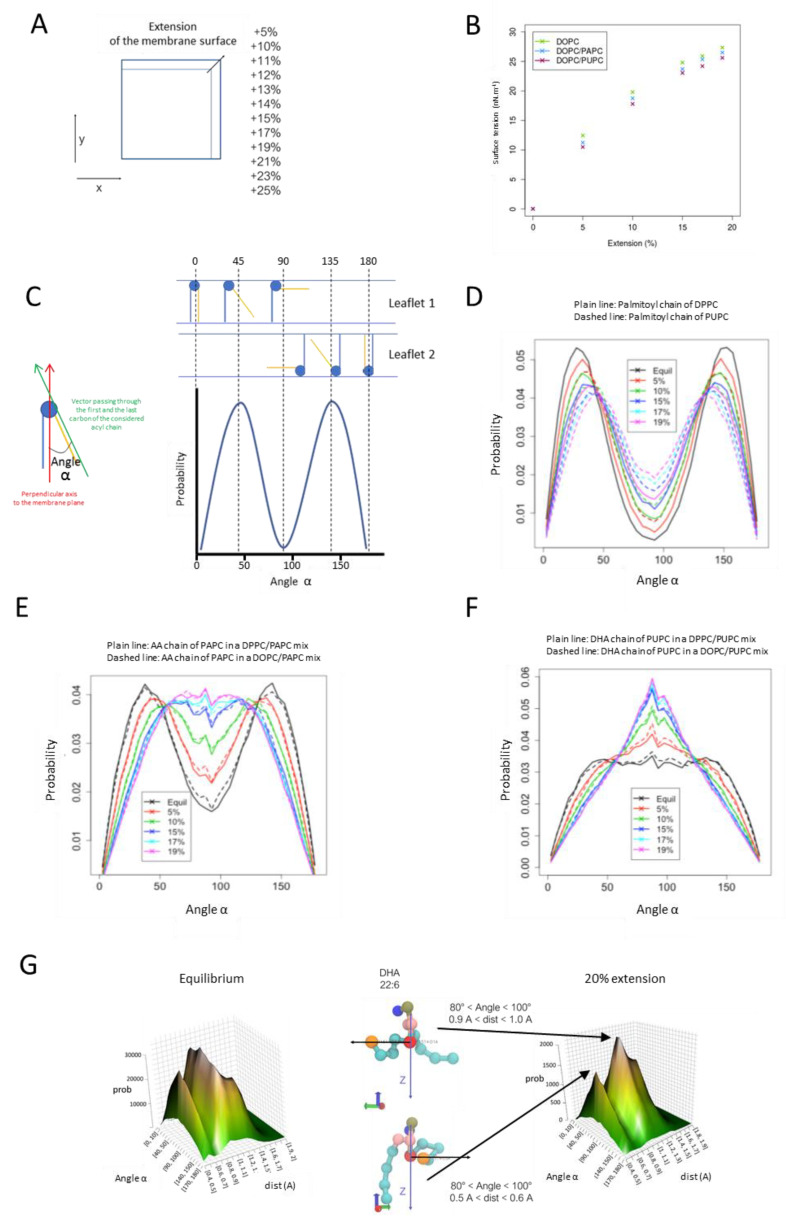
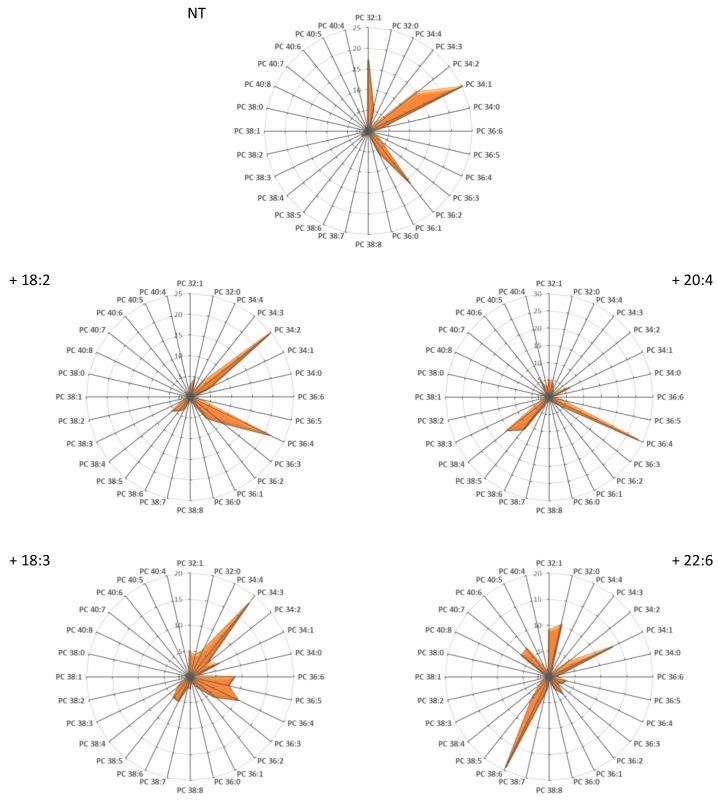
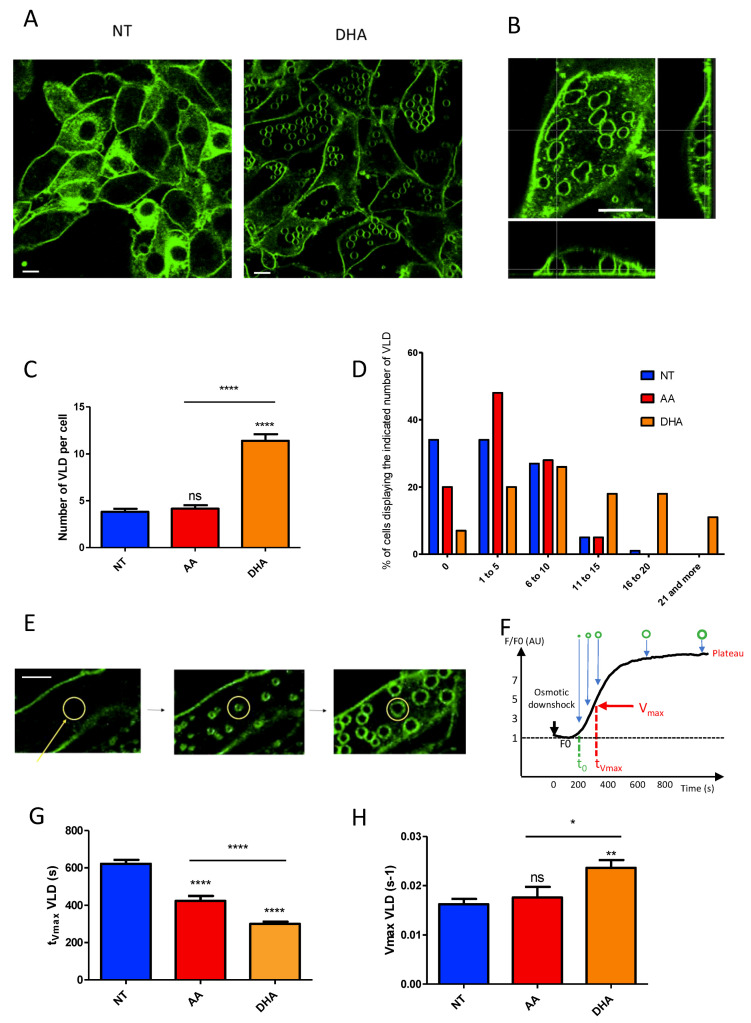
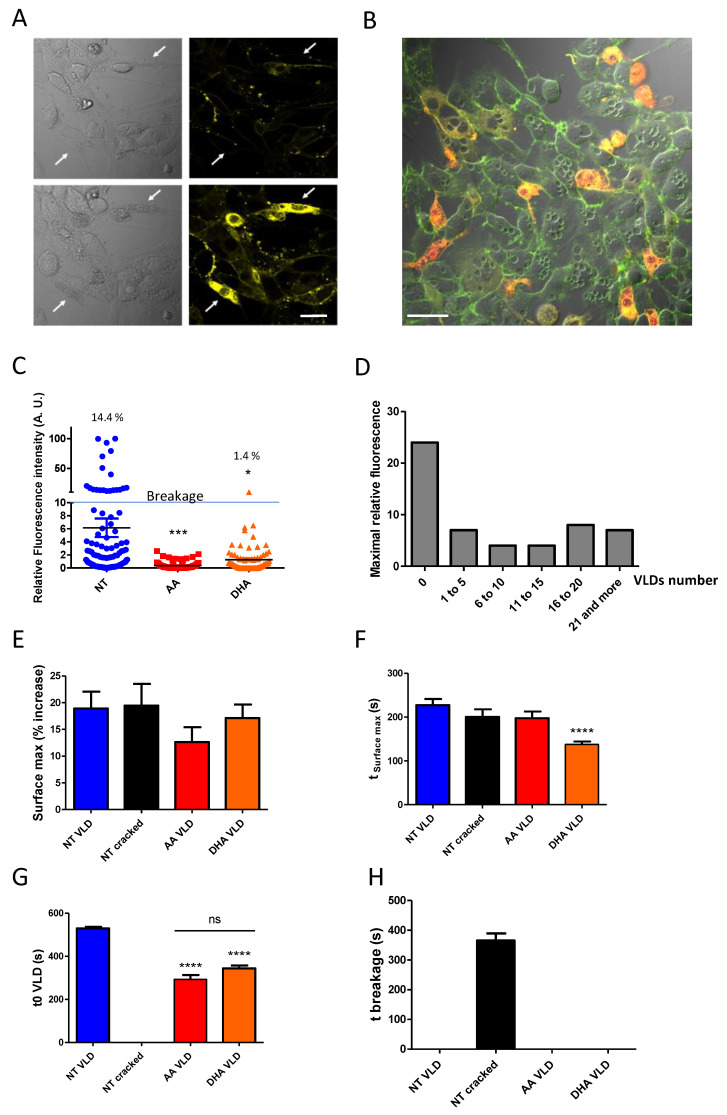
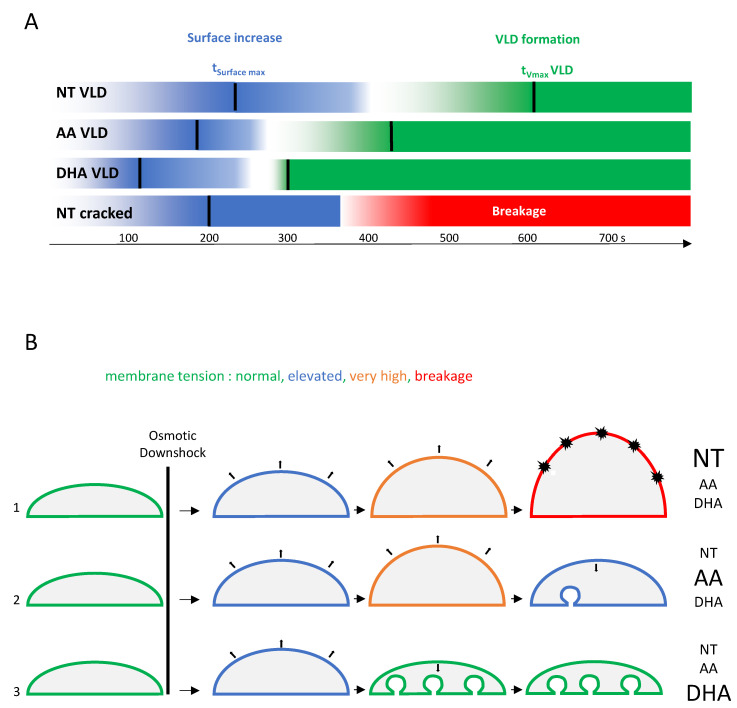
If polyunsaturated fatty acids (PUFAs) are generally accepted to be good for health, the mechanisms of their bona fide benefits still remain elusive. Membrane phospholipids (PLs) of the cardiovascular system and skeletal muscles are particularly enriched in PUFAs. The fatty acid composition of PLs is known to regulate crucial membrane properties, including elasticity and plasticity. Since muscle cells undergo repeated cycles of elongation and relaxation, we postulated in the present study that PUFA-containing PLs could be central players for muscle cell adaptation to mechanical constraints. By a combination of in cellulo and in silico approaches, we show that PUFAs, and particularly the ω-3 docosahexaenoic acid (DHA), regulate important properties of the plasma membrane that improve muscle cell resilience to mechanical constraints. Thanks to their unique property to contortionate within the bilayer plane, they facilitate the formation of vacuole-like dilation (VLD), which, in turn, avoid cell breakage under mechanical constraints.
如果说多不饱和脂肪酸(PUFAs)通常对健康有益,那么其真正的益处机制仍然难以捉摸。心血管系统和骨骼肌的细胞膜磷脂(PLs)特别富含 PUFAs。众所周知,PLs 的脂肪酸组成可以调节关键的膜特性,包括弹性和塑性。由于肌肉细胞经历反复的伸长和松弛循环,我们在本研究中假设含有 PUFA 的 PLs 可能是肌肉细胞适应机械约束的核心因素。通过体内和计算机模拟相结合的方法,我们表明 PUFAs,特别是 ω-3 二十二碳六烯酸(DHA),可以调节质膜的重要特性,从而提高肌肉细胞对机械约束的适应能力。由于它们在双层平面内扭曲的独特特性,它们有助于形成类似空泡的扩张(VLD),这反过来又可以避免细胞在机械约束下破裂。