Department of Chemical Engineering and Technology, Cracow University of Technology, Warszawska 24, 31-155 Cracow, Poland.
Malopolska Centre of Biotechnology, Jagiellonian University, 30-387 Kraków, Poland.
Molecules. 2021 Apr 23;26(9):2458. doi: 10.3390/molecules26092458.
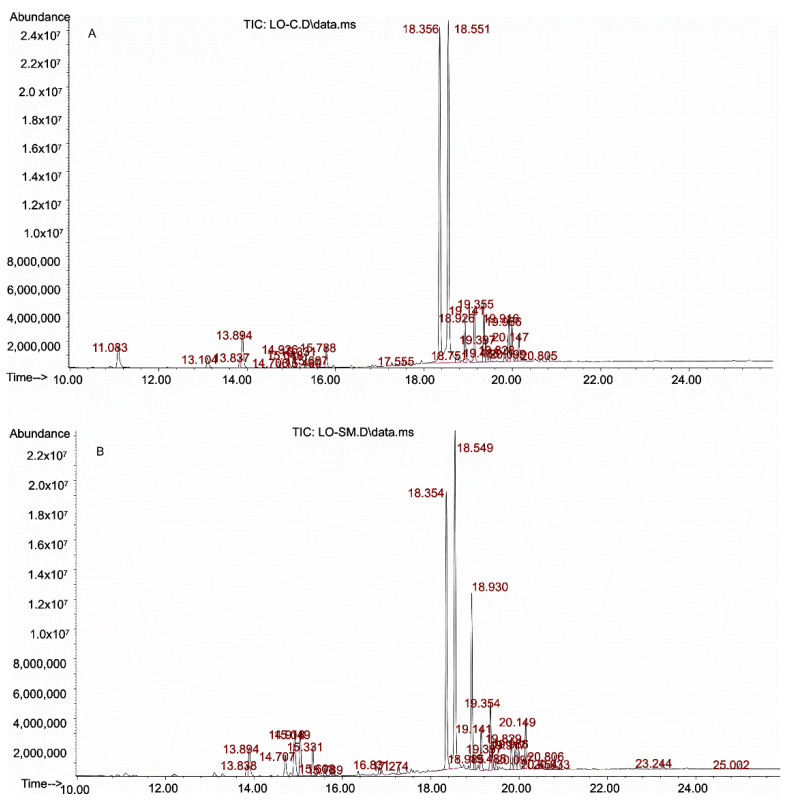
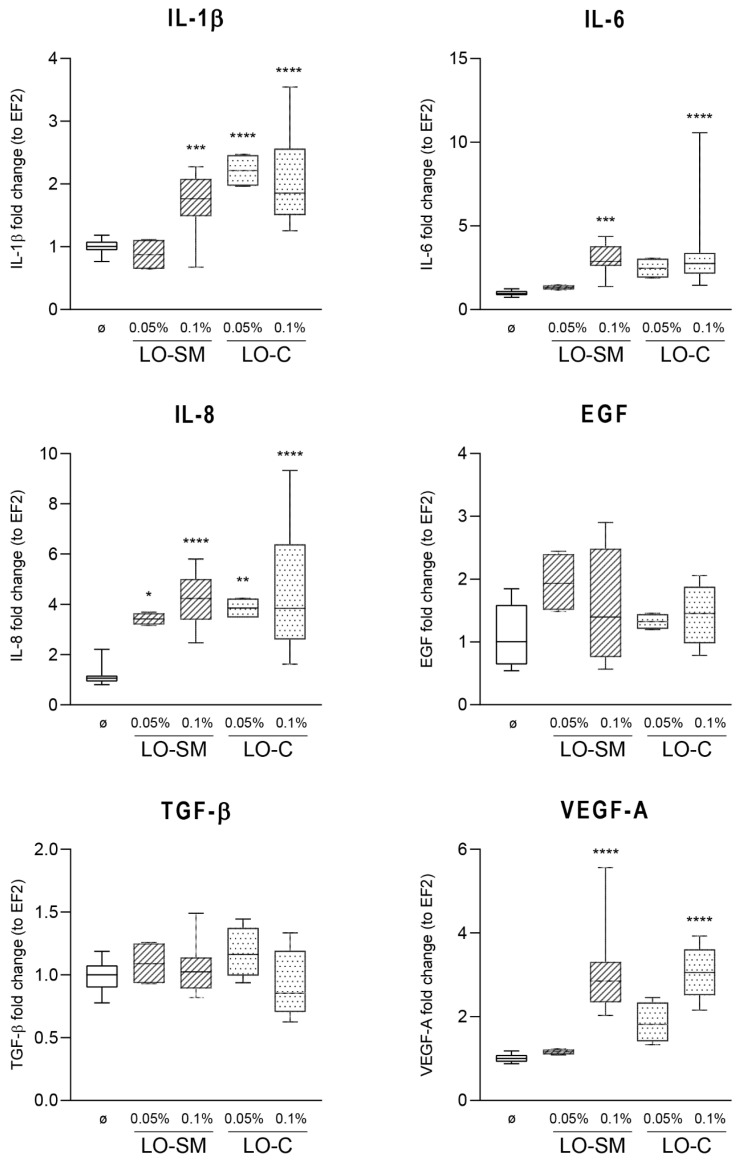
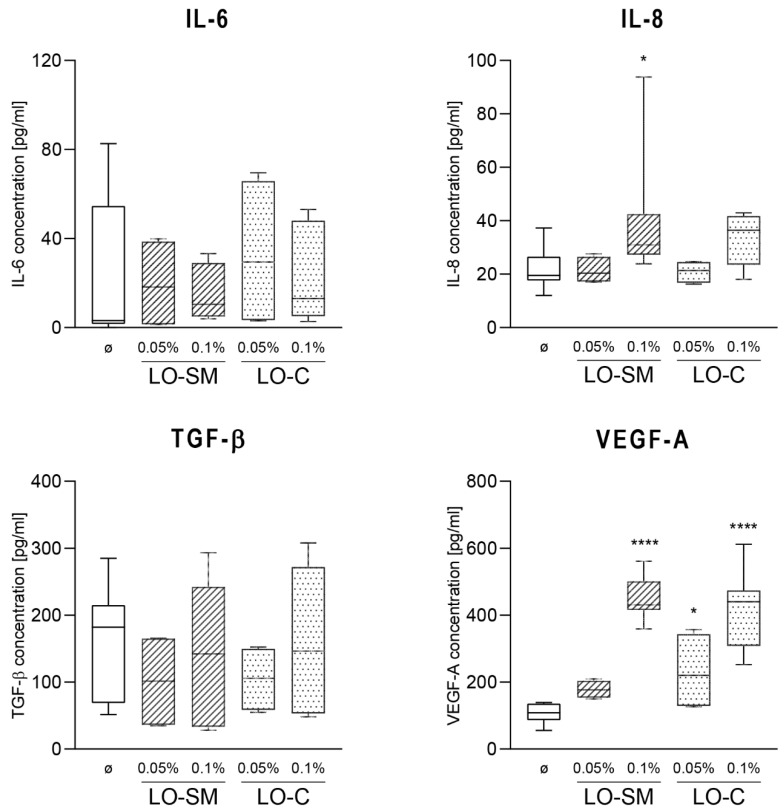
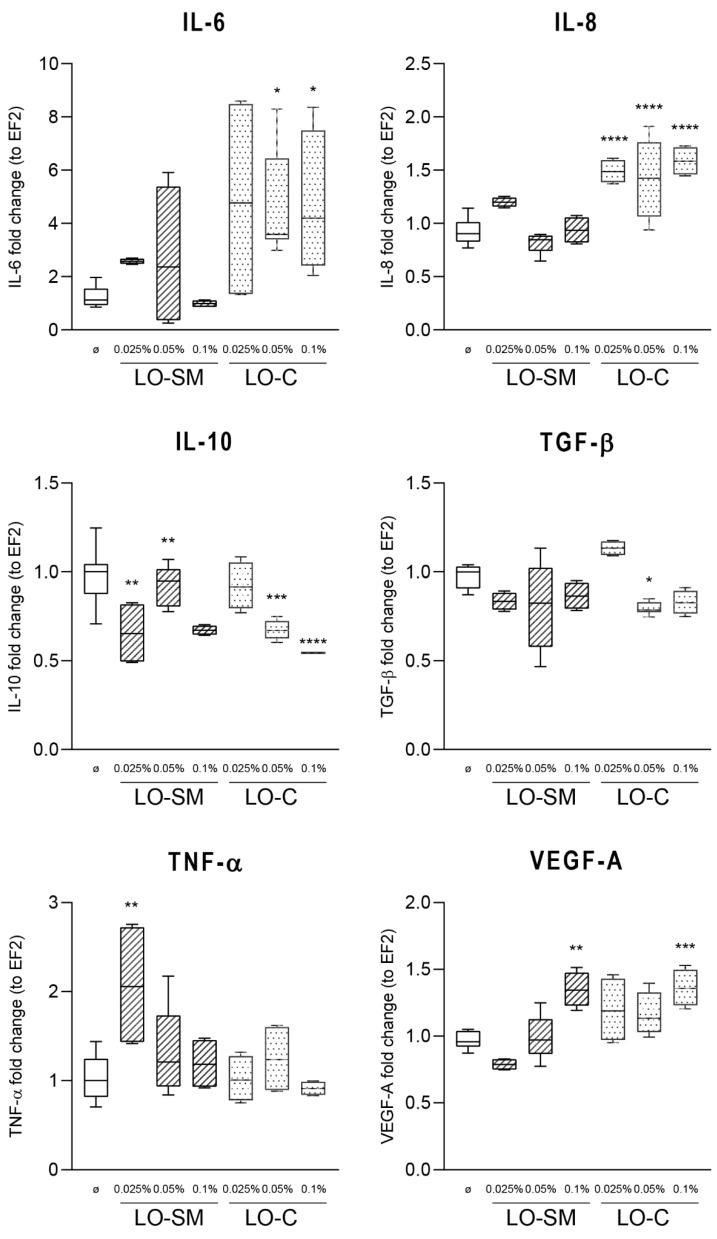
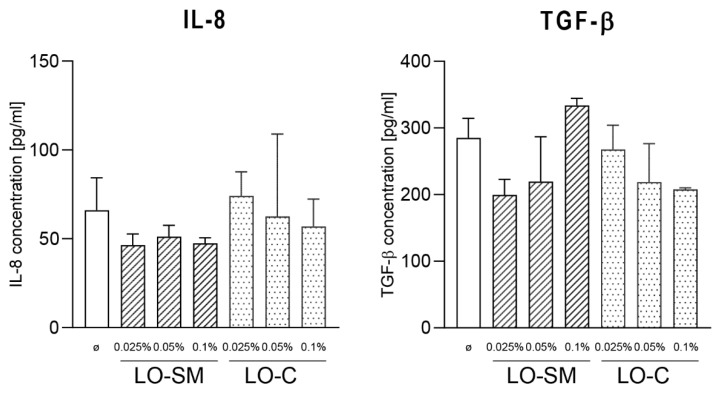
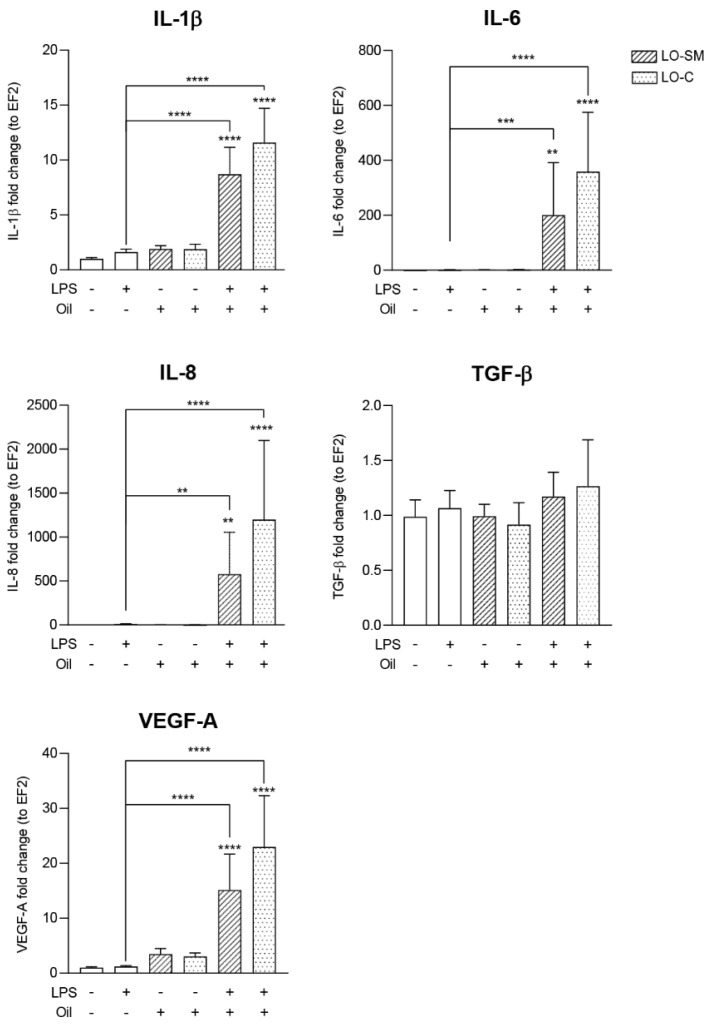
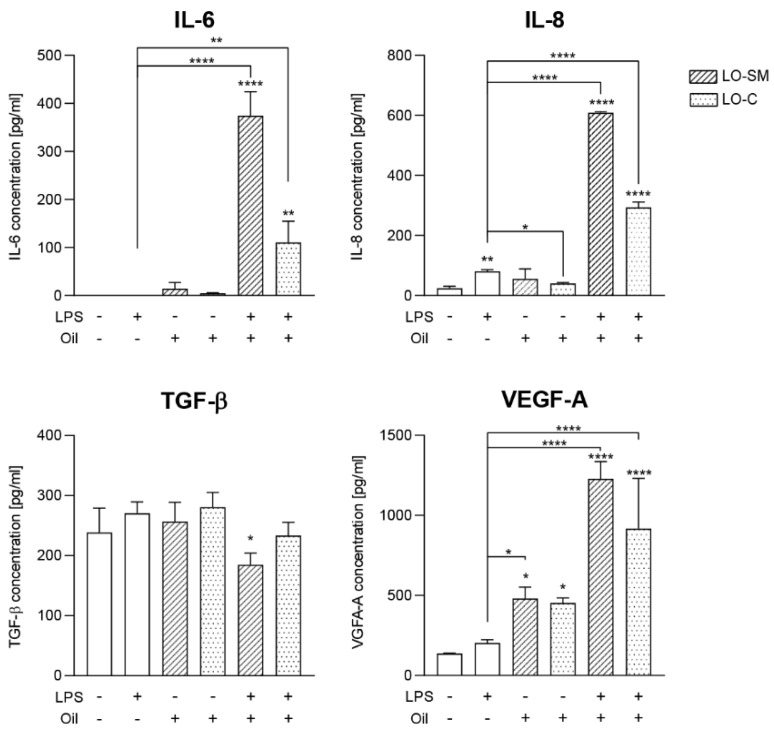
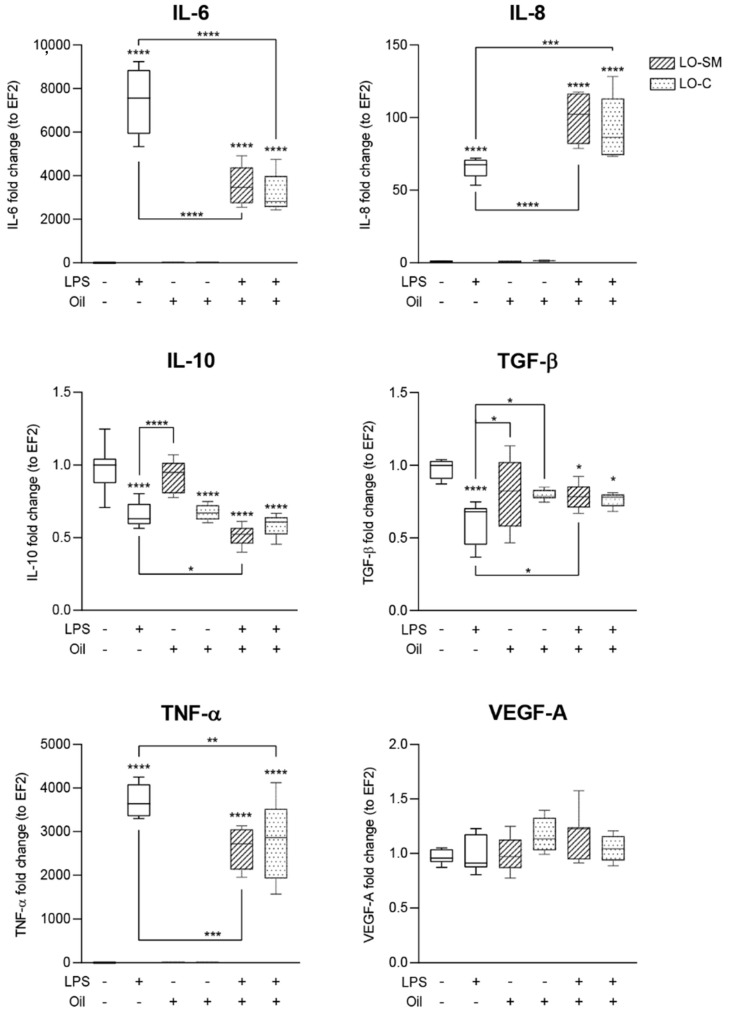
, one of the most popular medicinal plants, is the source of a bioactive essential oil characterized by a wide spectrum of biological activity, e.g., antiseptic, analgesic, and anticancer effects. In dermatology, the oil helps to relieve skin inflammation and exhibit wound healing potential. However, the mechanism of action of the lavender oil depends on its composition, which in turn is dependent on the origin and growing conditions. Our study aimed to compare the composition and proregenerative properties of the commercially-available narrow-leaved lavender oil produced in Provence, France, with the oil obtained from the narrow-leaved lavender cultivated locally in Poland. GC/MS analysis showed that self-manufactured essential oil had lower linalool content than commercial oil (23.2 vs. 40.2%), comparable linalyl acetate content (40.6 vs. 44%), while the proportion of lavandulyl acetate was significantly higher (23.2 vs. 5.5%). To determine the influence of lavender oil on the production of proinflammatory cytokines and proregenerative growth factors, gene expression of the selected signaling molecules by HaCaT cells was investigated using real-time PCR. Results showed a concentration-dependent effect of lavender oils on the production of IL-6, IL-8, and VEGF by the keratinocyte cell line. Finally, the potential of the lavender oil to increase the production of VEGF, the most important angiogenic factor, with the in-house preparation performing significantly better in the in vitro cell models was identified.
薰衣草,一种广受欢迎的药用植物,其提取的生物活性精油具有广泛的生物活性,例如,具有防腐、止痛和抗癌作用。在皮肤病学中,薰衣草油有助于缓解皮肤炎症,并表现出潜在的伤口愈合能力。然而,薰衣草油的作用机制取决于其成分,而成分又取决于其来源和生长条件。我们的研究旨在比较产自法国普罗旺斯的商业窄叶薰衣草油和波兰当地种植的窄叶薰衣草油的成分和再生特性。GC/MS 分析表明,自制精油的芳樟醇含量低于商业精油(23.2%比 40.2%),乙酸芳樟酯含量相当(40.6%比 44%),而乙酸薰衣草酯的比例明显更高(23.2%比 5.5%)。为了确定薰衣草油对促炎细胞因子和促再生生长因子产生的影响,我们使用实时 PCR 研究了 HaCaT 细胞中选定信号分子的基因表达。结果表明,薰衣草油对角质形成细胞系产生的 IL-6、IL-8 和 VEGF 具有浓度依赖性效应。最后,确定了薰衣草油增加血管内皮生长因子(VEGF)产生的潜力,即最重要的血管生成因子,并且在体外细胞模型中,自制制剂的效果明显更好。