Laboratory of Molecular Applied Biology, Center of Excellence in Translational Medicine, Universidad de La Frontera, Avenida Alemania 0458, Temuco 4810296, Chile.
Biotechnology Investigation Center, Department of Biology, Instituto Tecnológico de Costa Rica, Cartago 159-7050, Costa Rica.
Int J Mol Sci. 2021 Apr 16;22(8):4144. doi: 10.3390/ijms22084144.
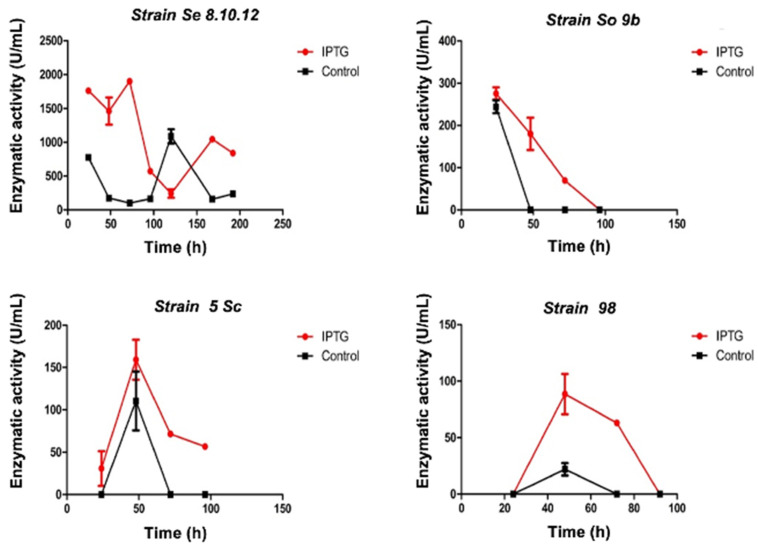
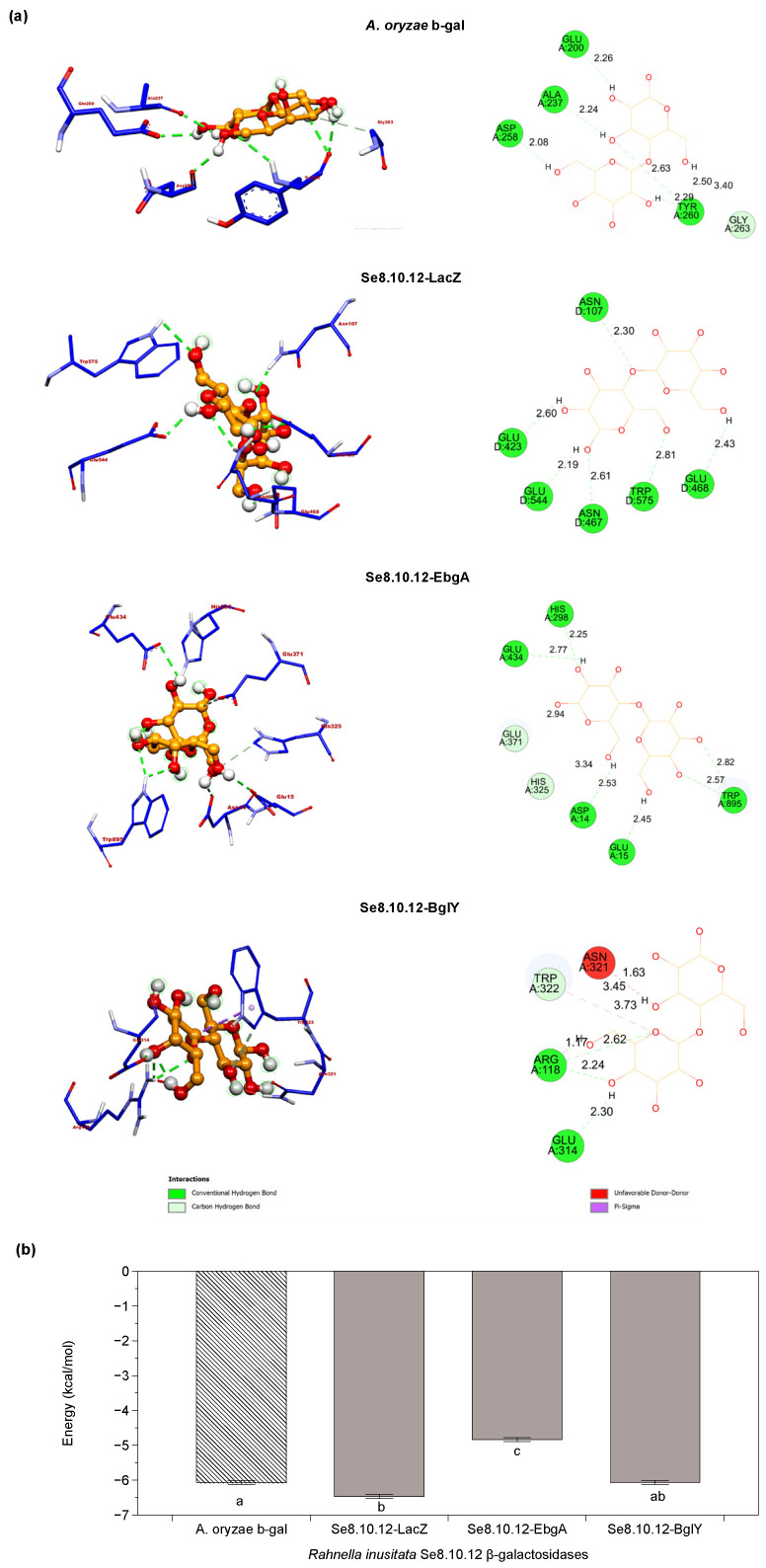
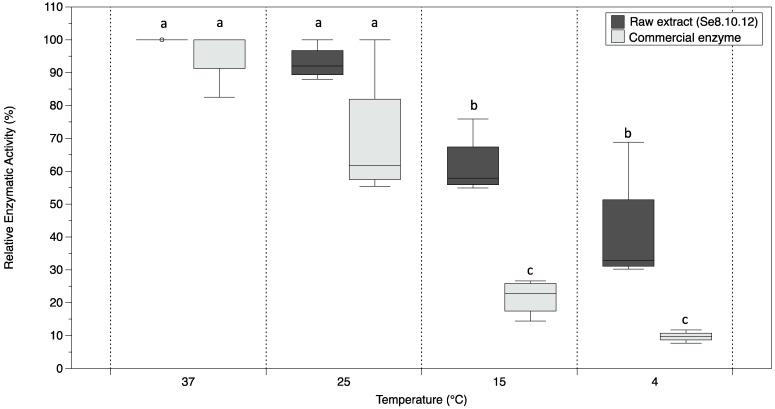
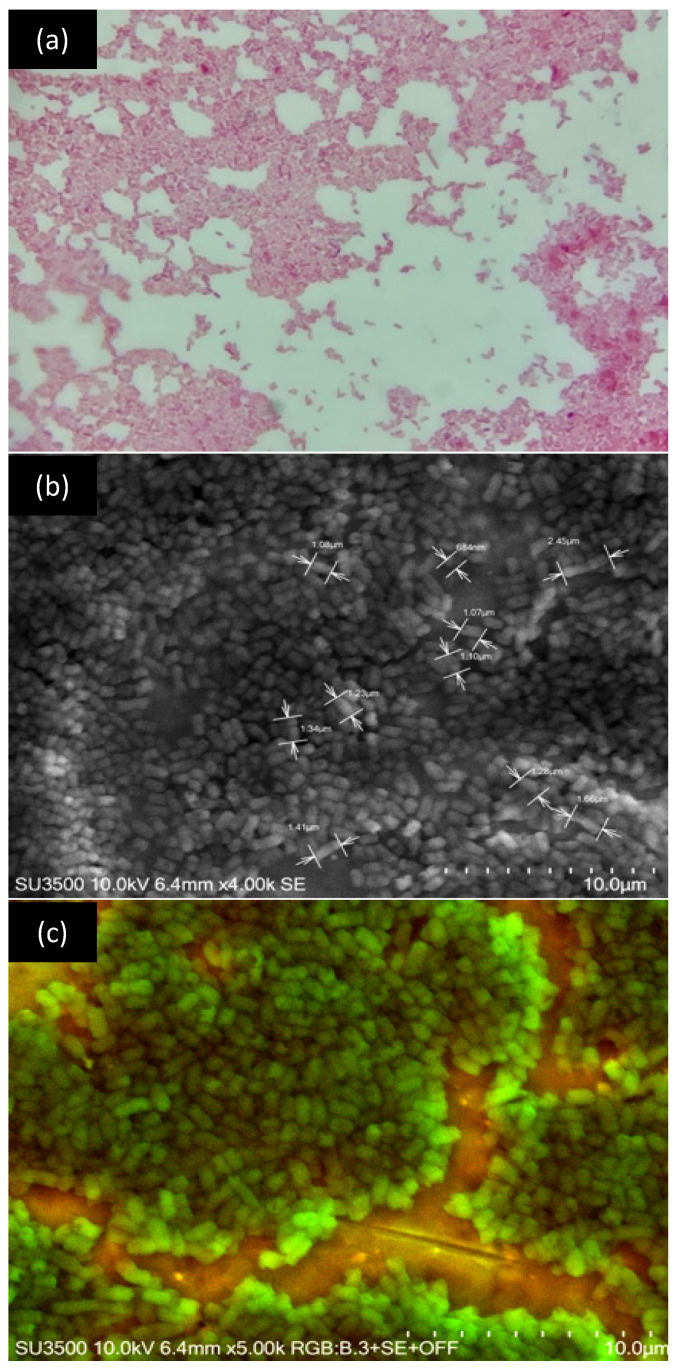
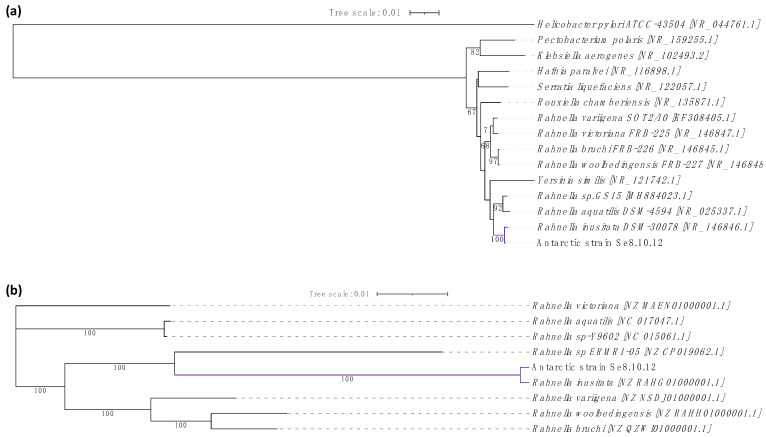
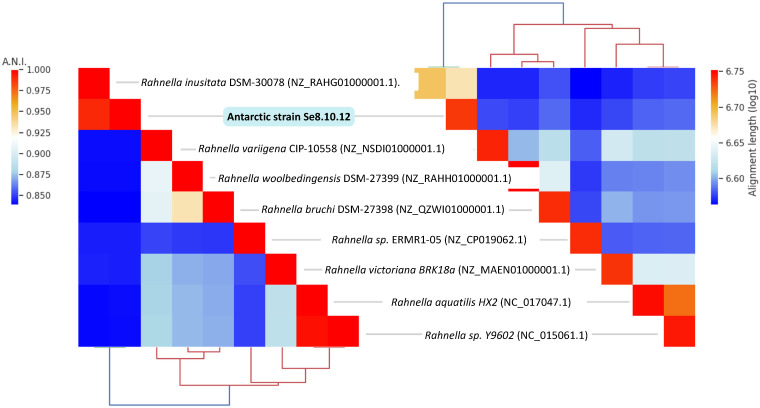
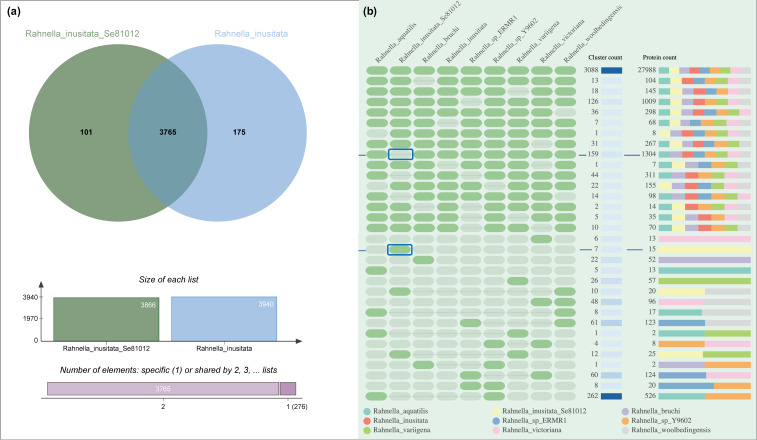
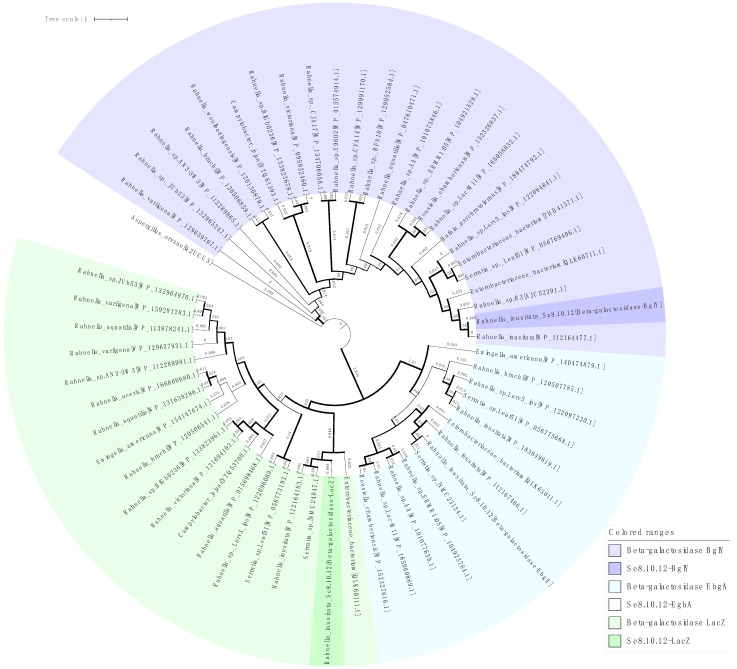
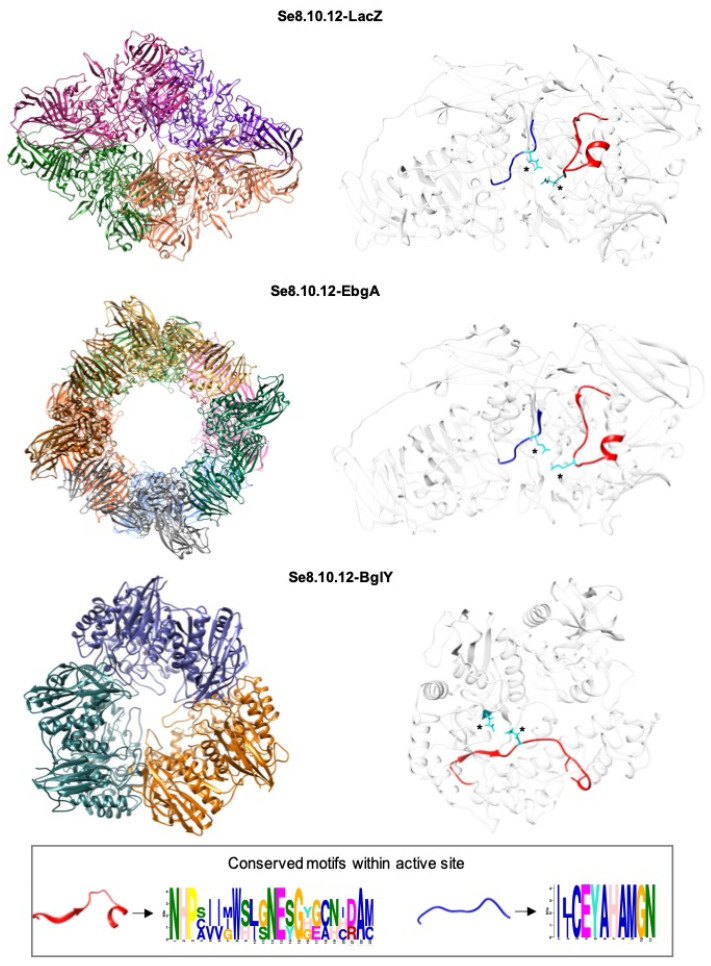
There has been a recent increase in the exploration of cold-active β-galactosidases, as it offers new alternatives for the dairy industry, mainly in response to the current needs of lactose-intolerant consumers. Since extremophilic microbial compounds might have unique physical and chemical properties, this research aimed to study the capacity of Antarctic bacterial strains to produce cold-active β-galactosidases. A screening revealed 81 out of 304 strains with β-galactosidase activity. The strain Se8.10.12 showed the highest enzymatic activity. Morphological, biochemical, and molecular characterization based on whole-genome sequencing confirmed it as the first isolate from the Antarctic, which retained 41-62% of its β-galactosidase activity in the cold (4 °C-15 °C). Three β-galactosidases genes were found in the genome, which belong to the glycoside hydrolase families GH2 (LacZ and EbgA) and GH42 (BglY). Based on molecular docking, some of these enzymes exhibited higher lactose predicted affinity than the commercial control enzyme from . Hence, this work reports a new strain from the Antarctic continent as a prominent cold-active β-galactosidase producer.
最近,人们对冷适应β-半乳糖苷酶的探索有所增加,因为它为乳品行业提供了新的选择,主要是为了满足乳糖不耐受消费者的当前需求。由于极端微生物化合物可能具有独特的物理和化学性质,因此本研究旨在研究南极细菌菌株生产冷适应β-半乳糖苷酶的能力。筛选发现 304 株菌株中有 81 株具有β-半乳糖苷酶活性。菌株 Se8.10.12 表现出最高的酶活性。基于全基因组测序的形态学、生物化学和分子特征鉴定证实,它是首次从南极分离得到的菌株,在低温(4°C-15°C)下保留了 41%-62%的β-半乳糖苷酶活性。在基因组中发现了三个β-半乳糖苷酶基因,它们属于糖苷水解酶家族 GH2(LacZ 和 EbgA)和 GH42(BglY)。基于分子对接,这些酶中的一些对乳糖的预测亲和力高于来自 的商业对照酶。因此,本工作报道了一种来自南极大陆的新菌株,它是一种出色的冷适应β-半乳糖苷酶生产菌株。