Younis Mohammed Chachan
University of Mosul, College of Computer Sciences and Mathematics, Computer Sciences Department, Mosul, Iraq.
Comput Med Imaging Graph. 2021 Jun;90:101921. doi: 10.1016/j.compmedimag.2021.101921. Epub 2021 Apr 23.
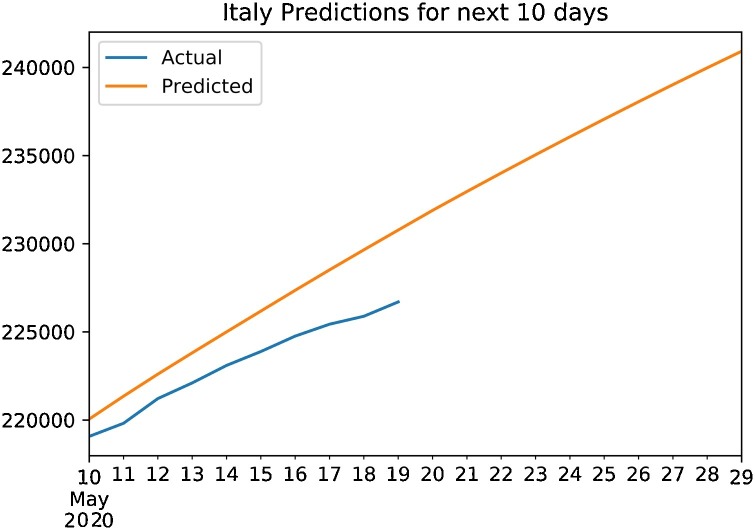
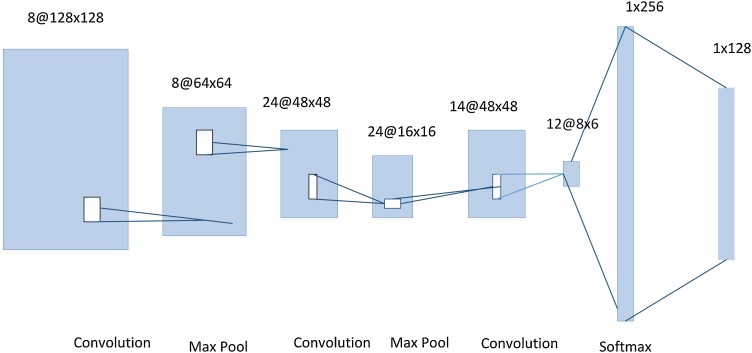
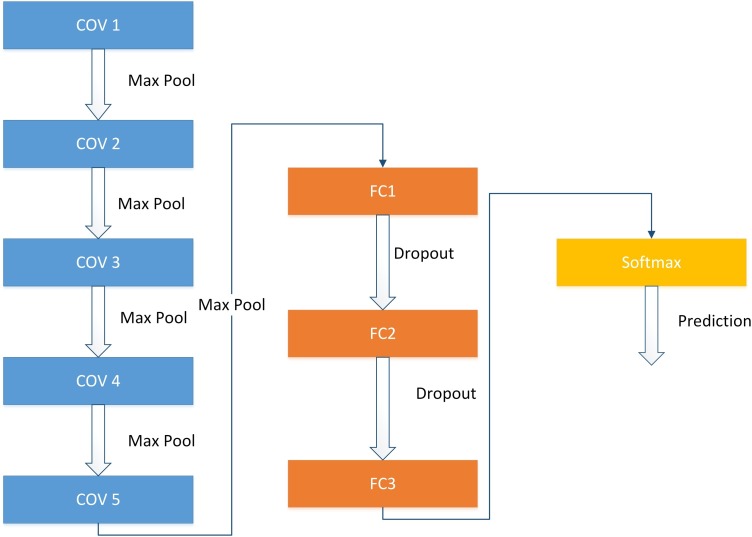
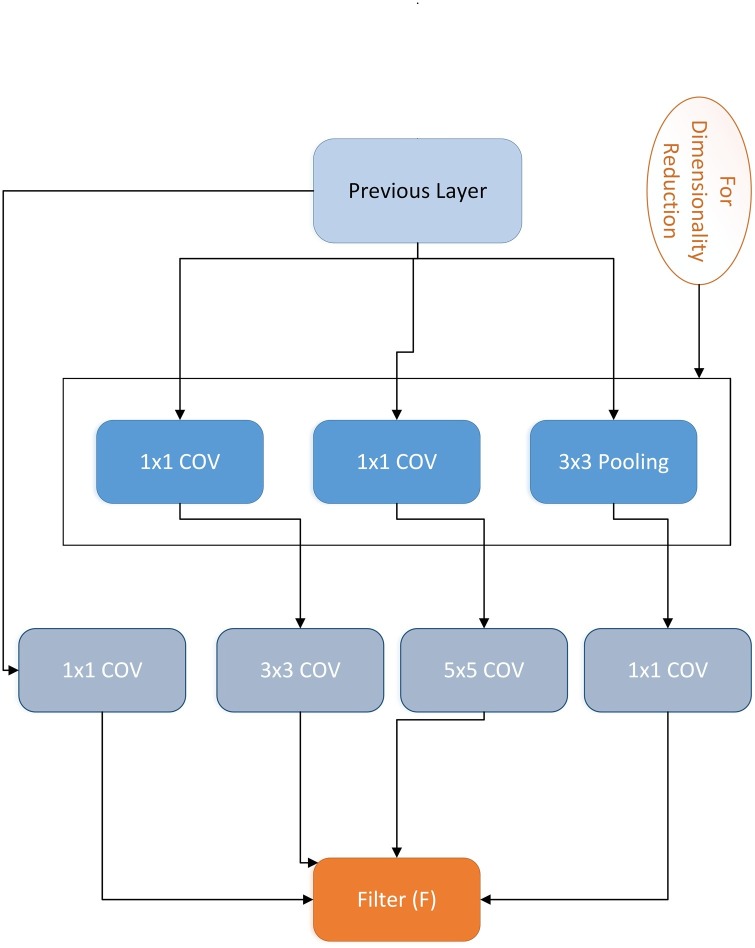
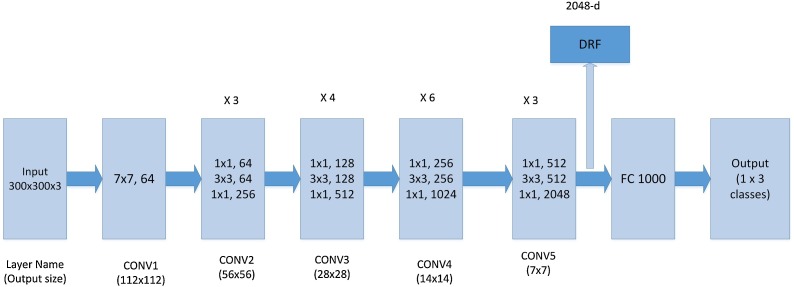
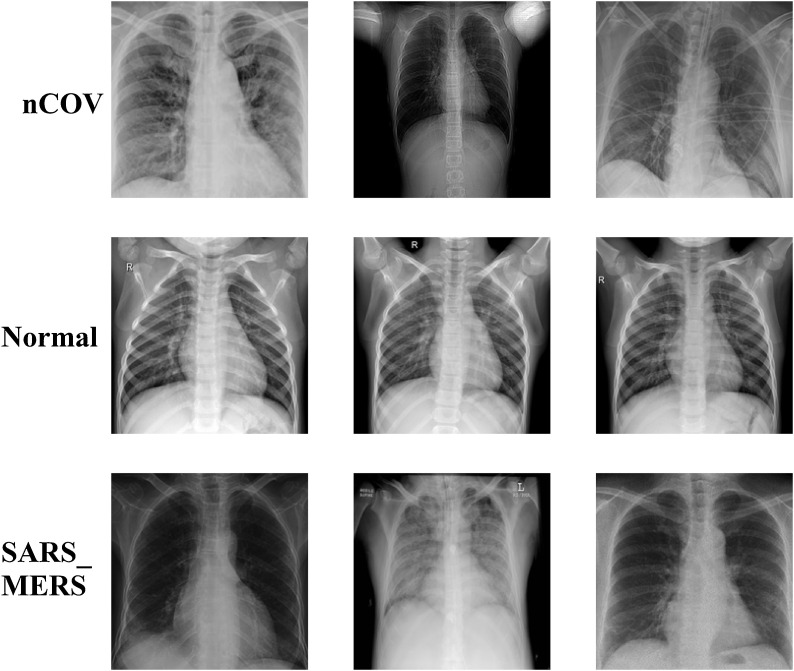
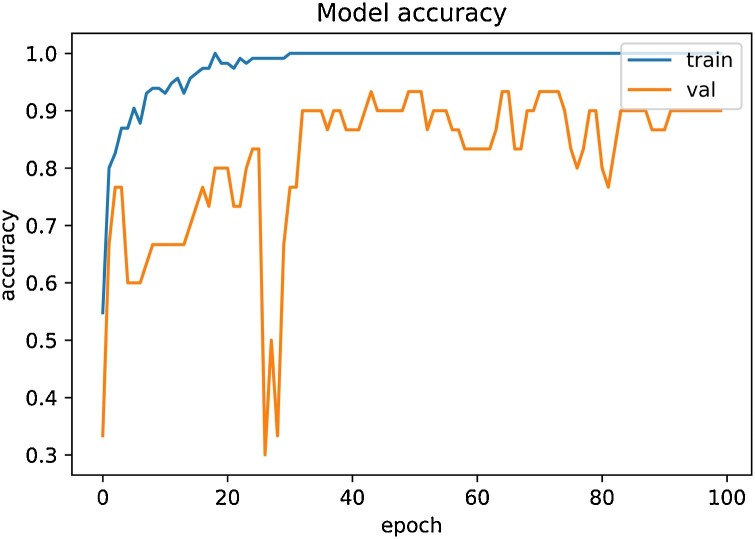
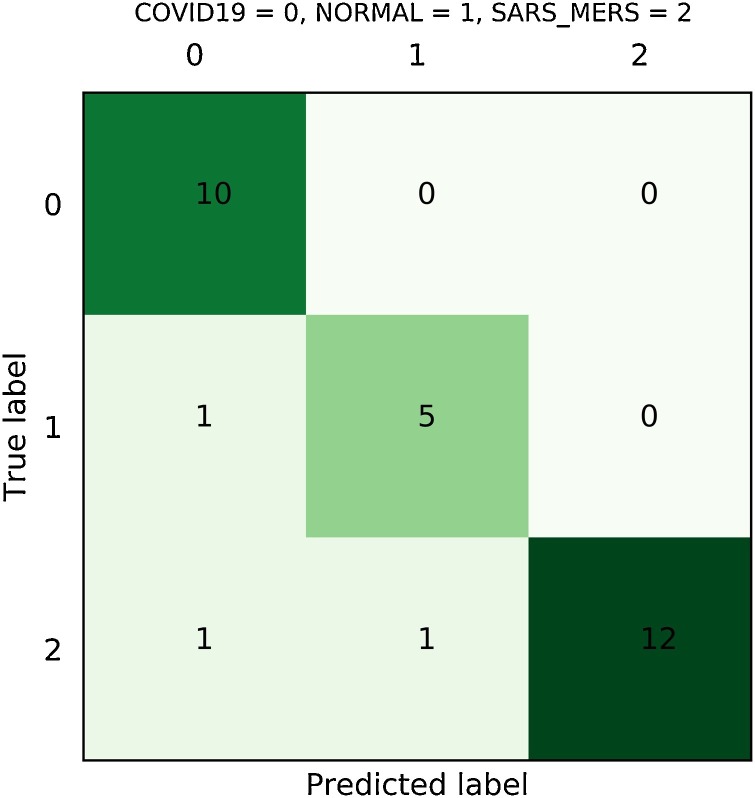
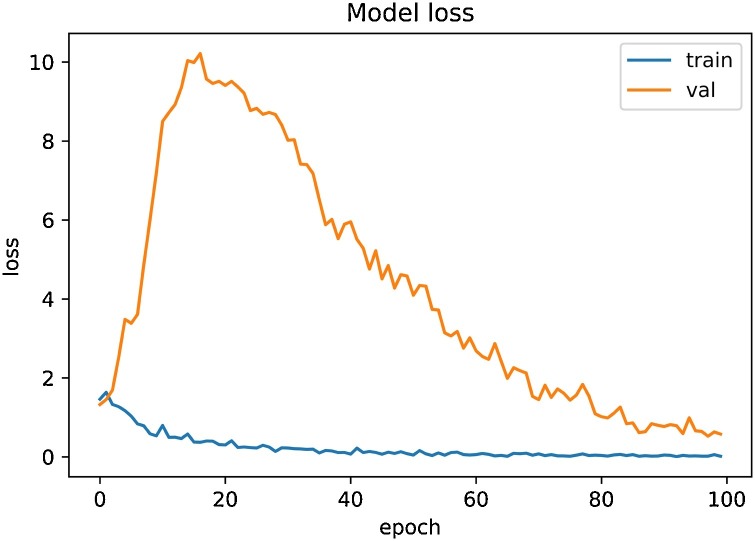
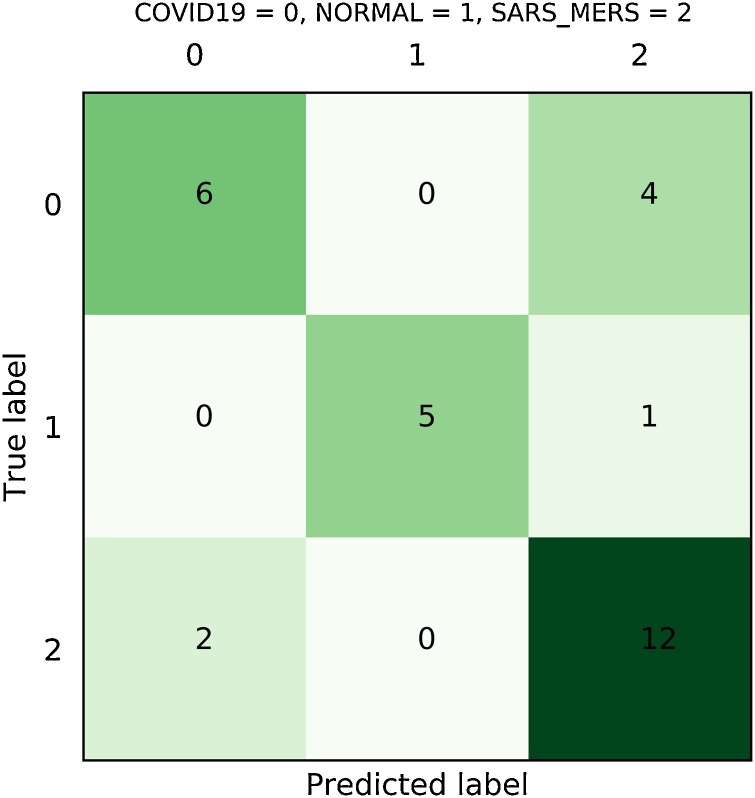
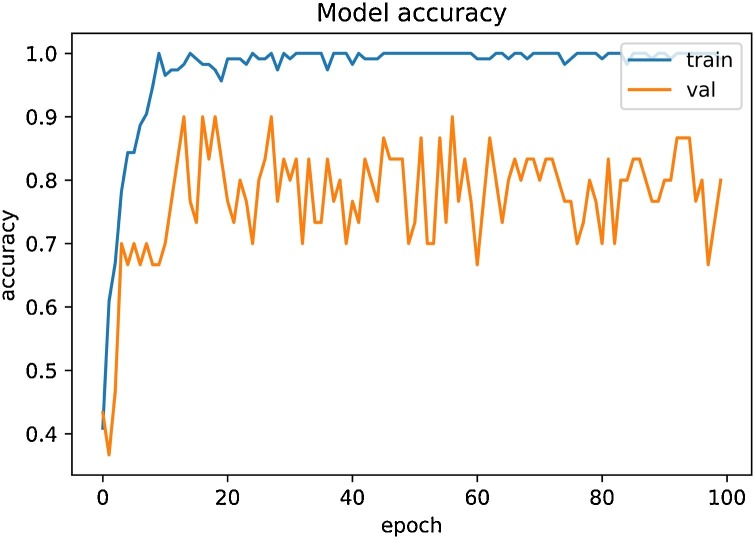
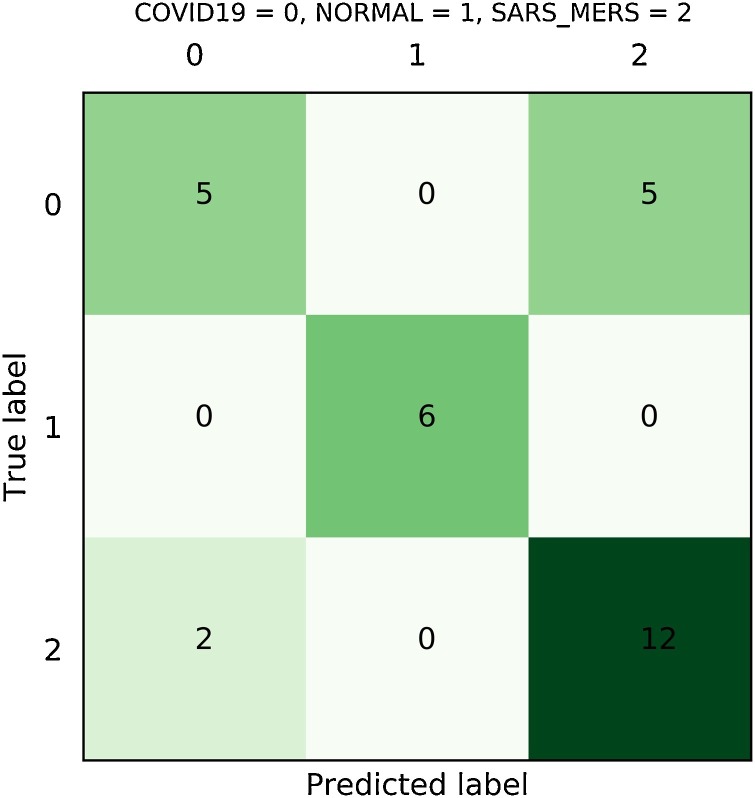
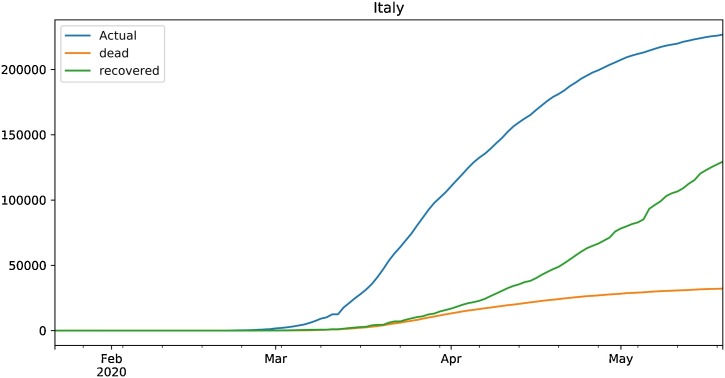
Novel corona-virus (nCOV) has been declared as a pandemic that started from the city Wuhan of China. This deadly virus is infecting people rapidly and has targeted 4.93 million people across the world, with 227 K people being infected only in Italy. Cases of nCOV are quickly increasing whereas the number of nCOV test kits available in hospitals are limited. Under these conditions, an automated system for the classification of patients into nCOV positive and negative cases, is a much needed tool against the pandemic, helping in a selective use of the limited number of test kits. In this research, Convolutional Neural Network-based models (one block VGG, two block VGG, three block VGG, four block VGG, LetNet-5, AlexNet, and Resnet-50) have been employed for the detection of Corona-virus and SARS_MERS infected patients, distinguishing them from the healthy subjects, using lung X-ray scans, which has proven to be a challenging task, due to overlapping characteristics of different corona virus types. Furthermore, LSTM model has been used for time series forecasting of nCOV cases, in the following 10 days, in Italy. The evaluation results obtained, proved that the VGG1 model distinguishes the three classes at an accuracy of almost 91%, as compared to other models, whereas the approach based on the LSTM predicts the number of nCOV cases with 99% accuracy.
新型冠状病毒(nCOV)已被宣布为一种大流行病,它起源于中国武汉市。这种致命病毒正在迅速感染人群,全球已有493万人受到感染,仅意大利就有22.7万人被感染。nCOV病例迅速增加,而医院可用的nCOV检测试剂盒数量有限。在这种情况下,一个将患者分类为nCOV阳性和阴性病例的自动化系统,是应对这一流行病急需的工具,有助于有选择地使用数量有限的检测试剂盒。在这项研究中,基于卷积神经网络的模型(一个模块的VGG、两个模块的VGG、三个模块的VGG、四个模块的VGG、LeNet-5、AlexNet和ResNet-50)已被用于检测感染冠状病毒和SARS_MERS的患者,通过肺部X光扫描将他们与健康受试者区分开来,由于不同冠状病毒类型的特征重叠,这已被证明是一项具有挑战性的任务。此外,长短期记忆模型(LSTM)已被用于预测意大利未来10天nCOV病例的时间序列。所获得的评估结果证明,与其他模型相比,VGG1模型以近91%的准确率区分这三类,而基于LSTM的方法预测nCOV病例数量的准确率为99%。