Instituto Cajal CSIC, Madrid, Spain.
Bioengineering Department, Volgenau School of Engineering, George Mason University, Virginia, United States of America.
PLoS Biol. 2021 May 6;19(5):e3001213. doi: 10.1371/journal.pbio.3001213. eCollection 2021 May.
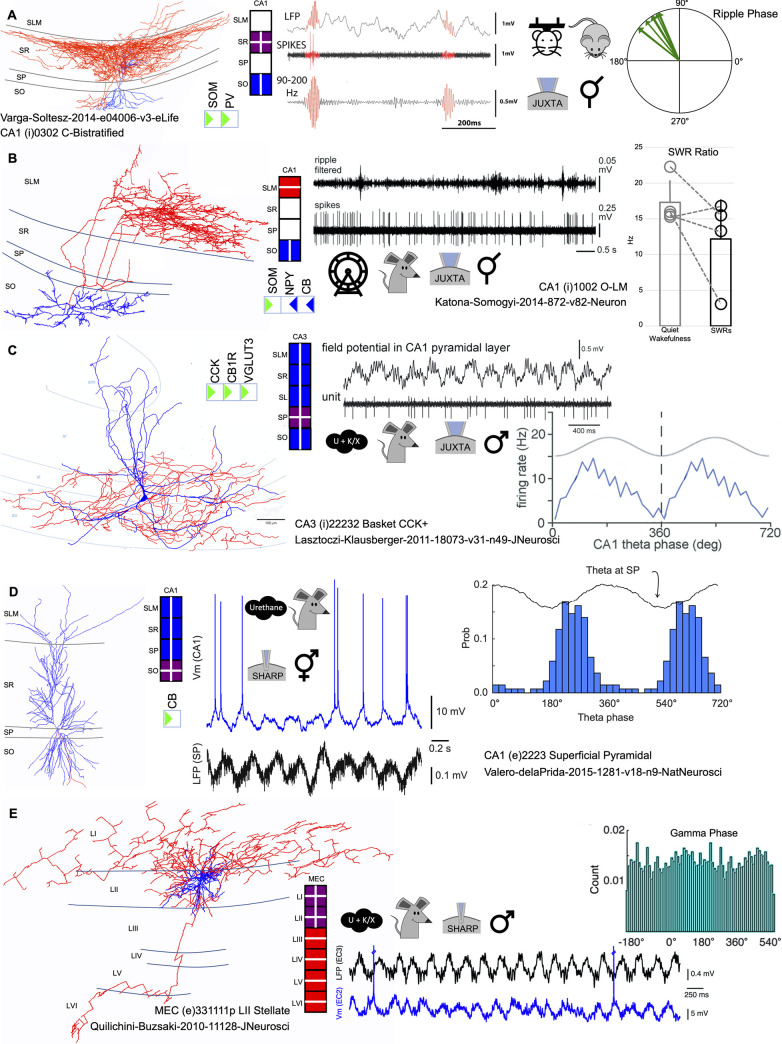
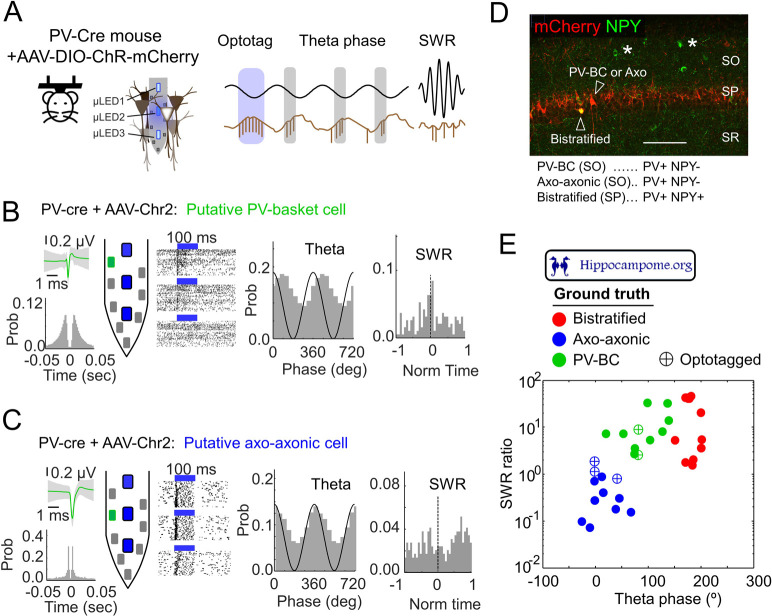
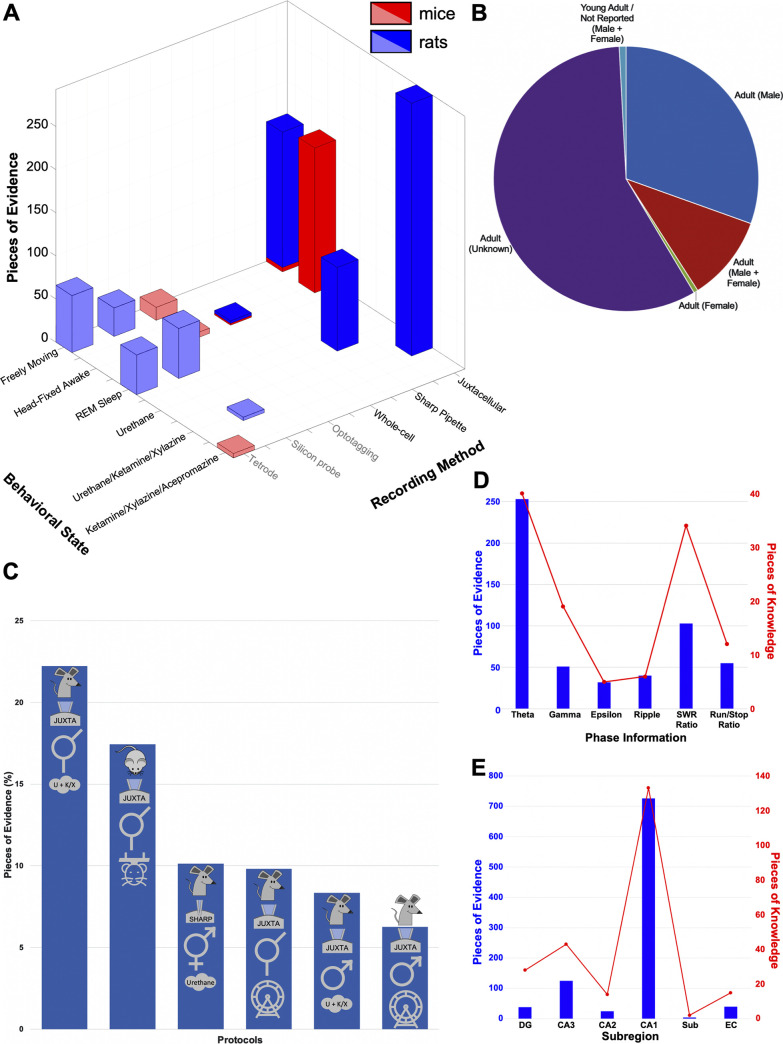
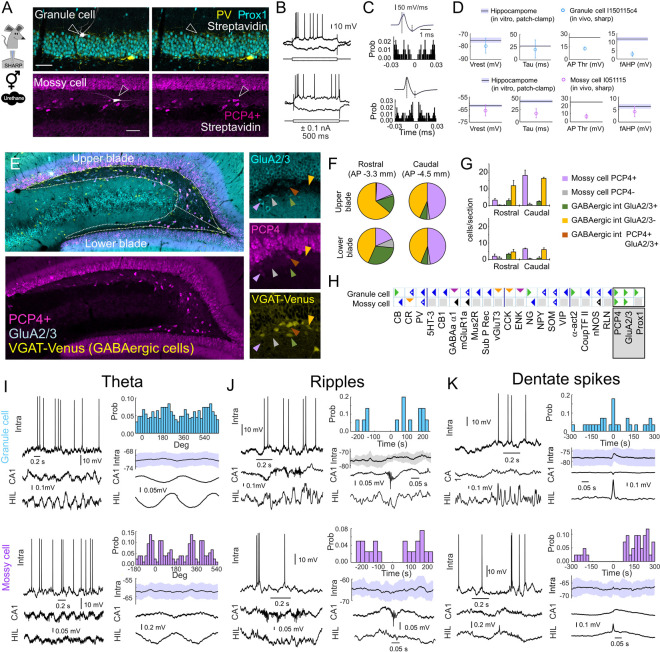
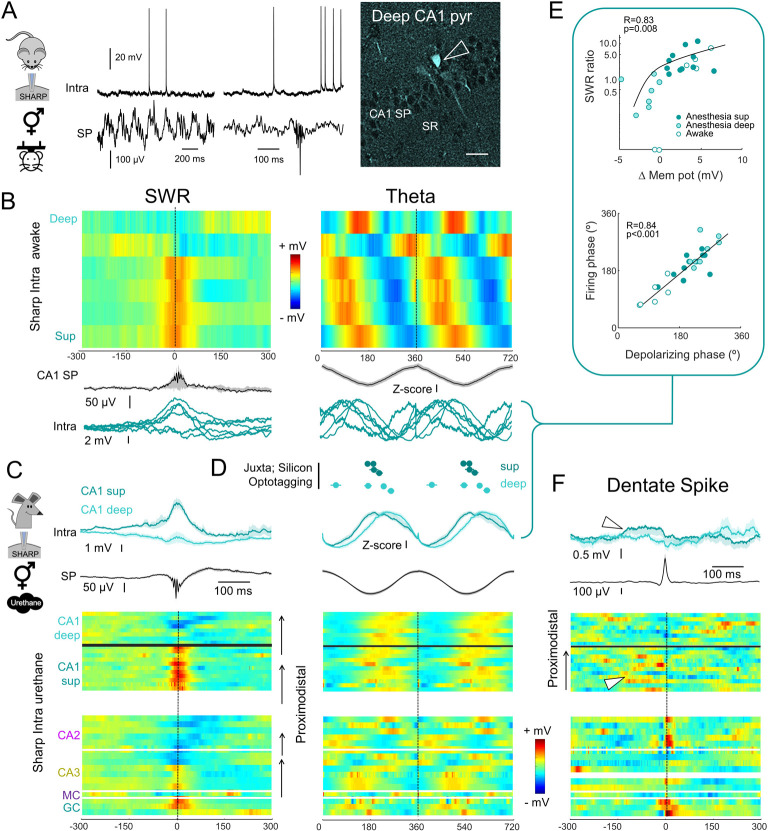
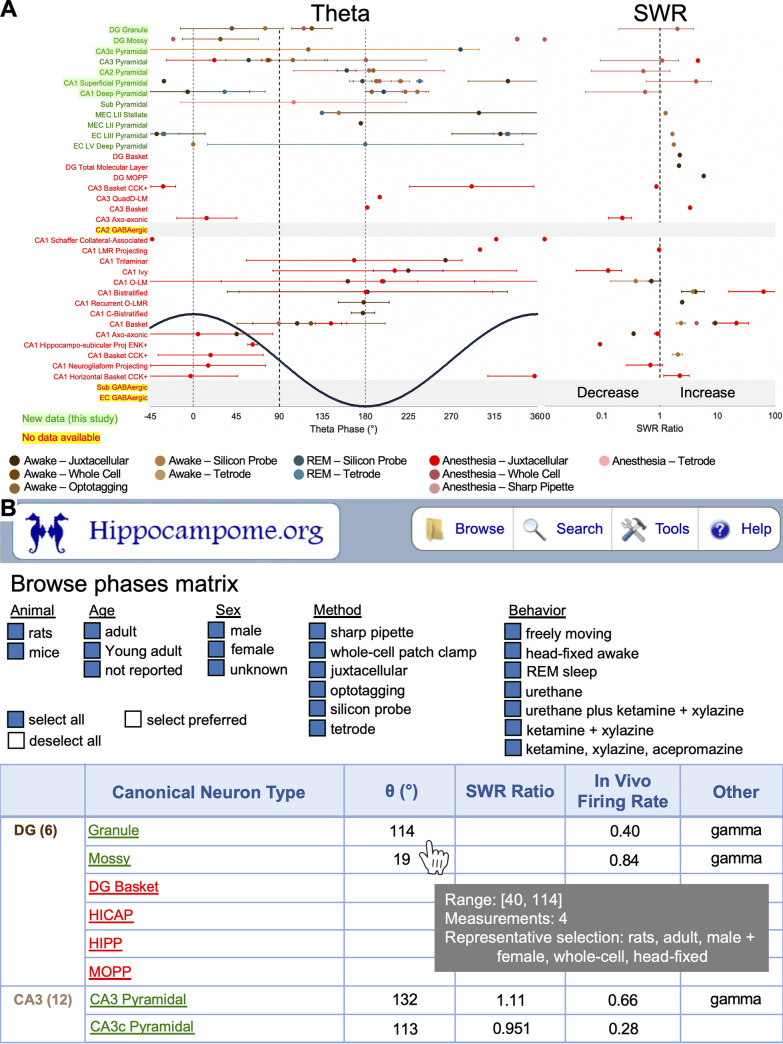
Understanding brain operation demands linking basic behavioral traits to cell-type specific dynamics of different brain-wide subcircuits. This requires a system to classify the basic operational modes of neurons and circuits. Single-cell phenotyping of firing behavior during ongoing oscillations in vivo has provided a large body of evidence on entorhinal-hippocampal function, but data are dispersed and diverse. Here, we mined literature to search for information regarding the phase-timing dynamics of over 100 hippocampal/entorhinal neuron types defined in Hippocampome.org. We identified missing and unresolved pieces of knowledge (e.g., the preferred theta phase for a specific neuron type) and complemented the dataset with our own new data. By confronting the effect of brain state and recording methods, we highlight the equivalences and differences across conditions and offer a number of novel observations. We show how a heuristic approach based on oscillatory features of morphologically identified neurons can aid in classifying extracellular recordings of single cells and discuss future opportunities and challenges towards integrating single-cell phenotypes with circuit function.
理解大脑的运作需要将基本的行为特征与不同全脑亚电路的细胞类型特异性动力学联系起来。这需要一个系统来对神经元和电路的基本操作模式进行分类。在体内进行的持续振荡过程中对放电行为进行单细胞表型分析,为内嗅皮层-海马功能提供了大量证据,但数据分散且多样。在这里,我们挖掘文献,以寻找关于 Hippocampome.org 中定义的 100 多种海马/内嗅皮层神经元类型的相位定时动力学的信息。我们确定了缺失和未解决的知识(例如,特定神经元类型的首选 theta 相位),并使用我们自己的新数据补充了数据集。通过对比大脑状态和记录方法的影响,我们突出了不同条件下的相同点和不同点,并提供了一些新的观察结果。我们展示了如何基于形态识别神经元的振荡特征的启发式方法来辅助对单细胞的细胞外记录进行分类,并讨论了将单细胞表型与电路功能整合的未来机会和挑战。