Department of Infection Prevention and Control, NYU Langone Health, New York, NY, USA
Department of Infection Prevention and Control, NYU Langone Health, New York, NY, USA.
BMJ Health Care Inform. 2021 May;28(1). doi: 10.1136/bmjhci-2020-100235.
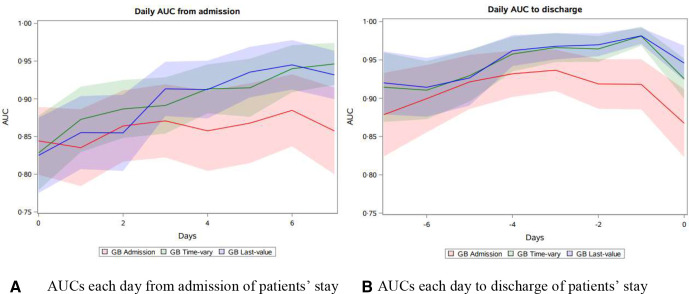
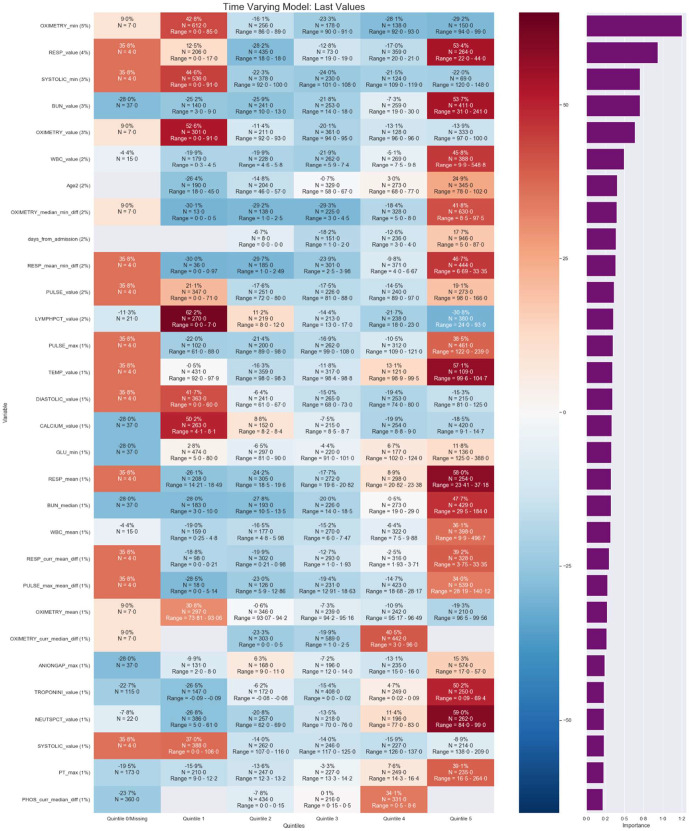
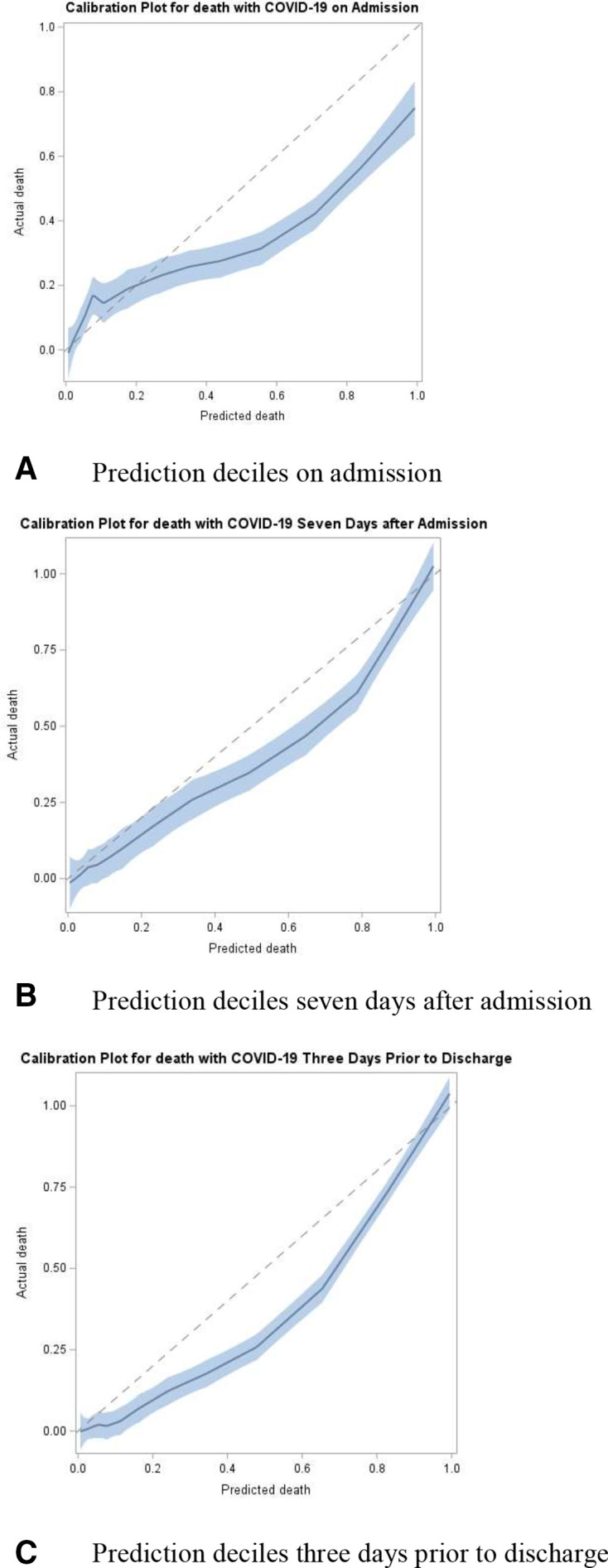
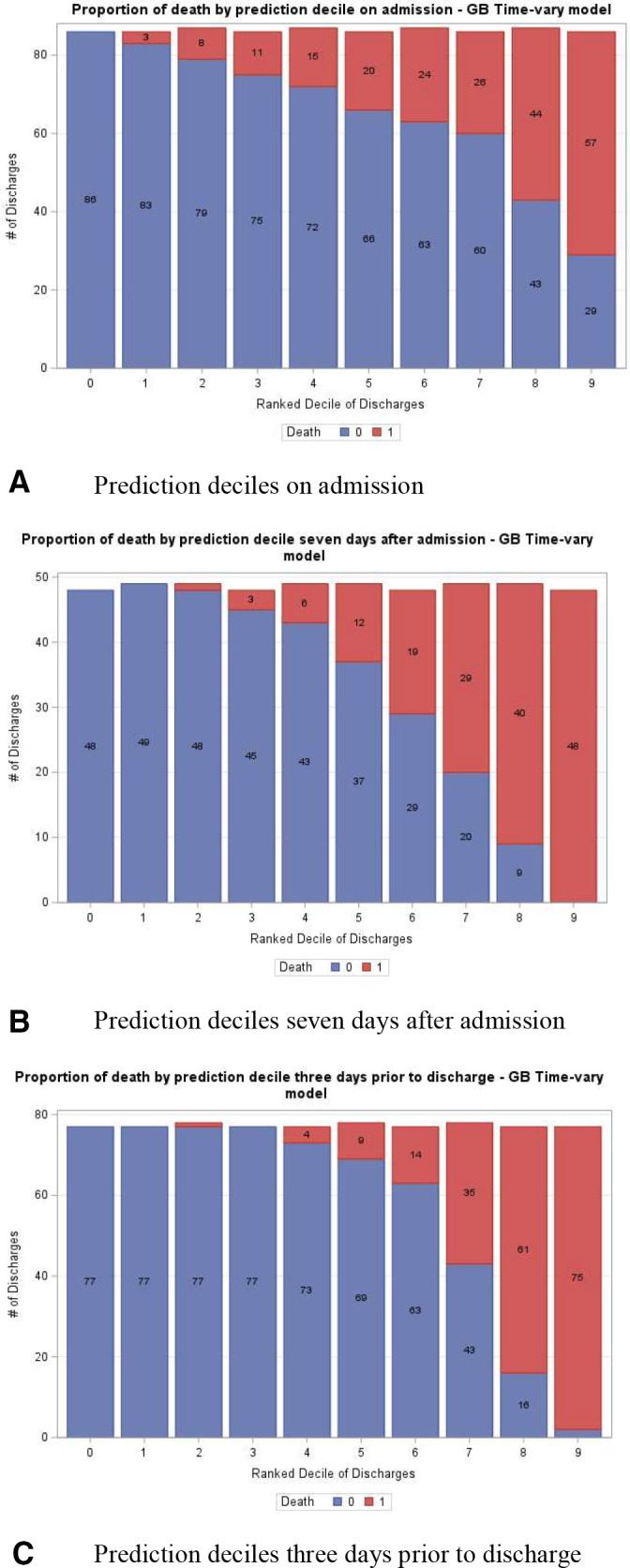
New York City quickly became an epicentre of the COVID-19 pandemic. An ability to triage patients was needed due to a sudden and massive increase in patients during the COVID-19 pandemic as healthcare providers incurred an exponential increase in workload,which created a strain on the staff and limited resources. Further, methods to better understand and characterise the predictors of morbidity and mortality was needed. METHODS: We developed a prediction model to predict patients at risk for mortality using only laboratory, vital and demographic information readily available in the electronic health record on more than 3395 hospital admissions with COVID-19. Multiple methods were applied, and final model was selected based on performance. A variable importance algorithm was used for interpretability, and understanding of performance and predictors was applied to the best model. We built a model with an area under the receiver operating characteristic curve of 83-97 to identify predictors and patients with high risk of mortality due to COVID-19. Oximetry, respirations, blood urea nitrogen, lymphocyte per cent, calcium, troponin and neutrophil percentage were important features, and key ranges were identified that contributed to a 50% increase in patients' mortality prediction score. With an increasing negative predictive value starting 0.90 after the second day of admission suggests we might be able to more confidently identify likely survivors DISCUSSION: This study serves as a use case of a machine learning methods with visualisations to aide clinicians with a better understanding of the model and predictors of mortality. CONCLUSION: As we continue to understand COVID-19, computer assisted algorithms might be able to improve the care of patients.
纽约市迅速成为 COVID-19 大流行的中心。由于 COVID-19 大流行期间患者突然大量增加,医疗保健提供者的工作量呈指数级增长,这给工作人员和有限的资源带来了压力,因此需要能够对患者进行分诊。此外,还需要更好地了解和描述发病率和死亡率的预测因素的方法。方法:我们开发了一种预测模型,仅使用电子病历中易于获得的实验室、生命体征和人口统计学信息,对超过 3395 例 COVID-19 住院患者的死亡率进行预测。应用了多种方法,并根据性能选择最终模型。使用变量重要性算法进行可解释性,以及对性能和预测因素的理解应用于最佳模型。我们构建了一个具有 83-97 之间接收者操作特征曲线面积的模型,以识别由于 COVID-19 而具有高死亡率风险的预测因素和患者。血氧饱和度、呼吸频率、血尿素氮、淋巴细胞百分比、钙、肌钙蛋白和中性粒细胞百分比是重要特征,确定了关键范围,这些范围使患者的死亡率预测评分增加了 50%。入院第二天后,阴性预测值开始增加到 0.90,这表明我们可能能够更有信心地识别可能的幸存者。讨论:本研究是机器学习方法与可视化技术的应用案例,有助于临床医生更好地理解模型和死亡率的预测因素。结论:随着我们对 COVID-19 的不断了解,计算机辅助算法可能能够改善患者的护理。