Department of Human Genetics, Radboudumc, Donders Institute for Brain, Cognition, and Behavior, Nijmegen, The Netherlands.
Department of Cognitive Neuroscience, Radboudumc, Donders Institute for Brain, Cognition and Behavior, Nijmegen, The Netherlands.
Mol Psychiatry. 2022 Jan;27(1):1-18. doi: 10.1038/s41380-021-01117-x. Epub 2021 May 10.
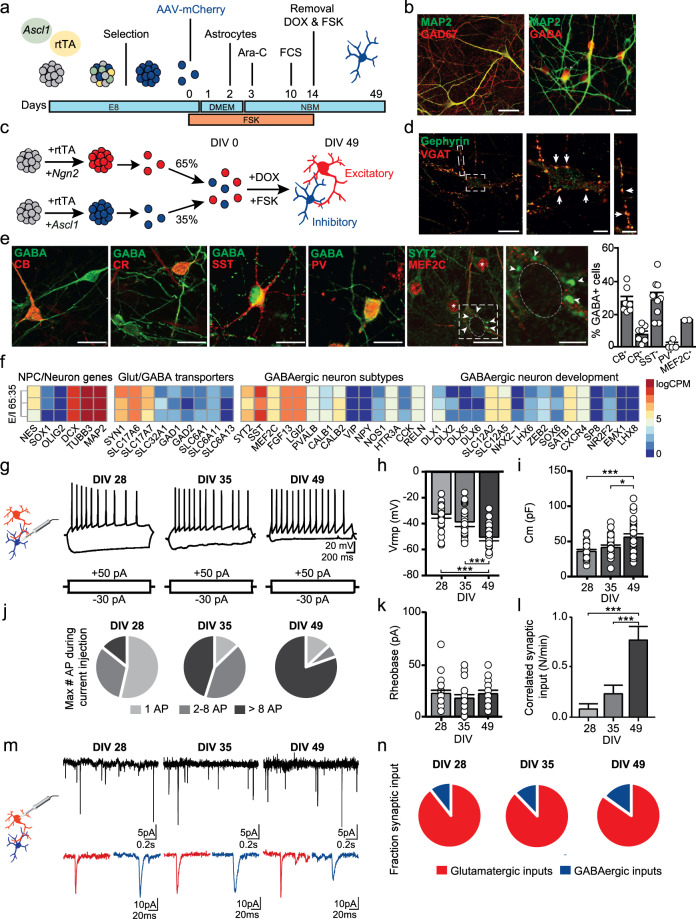
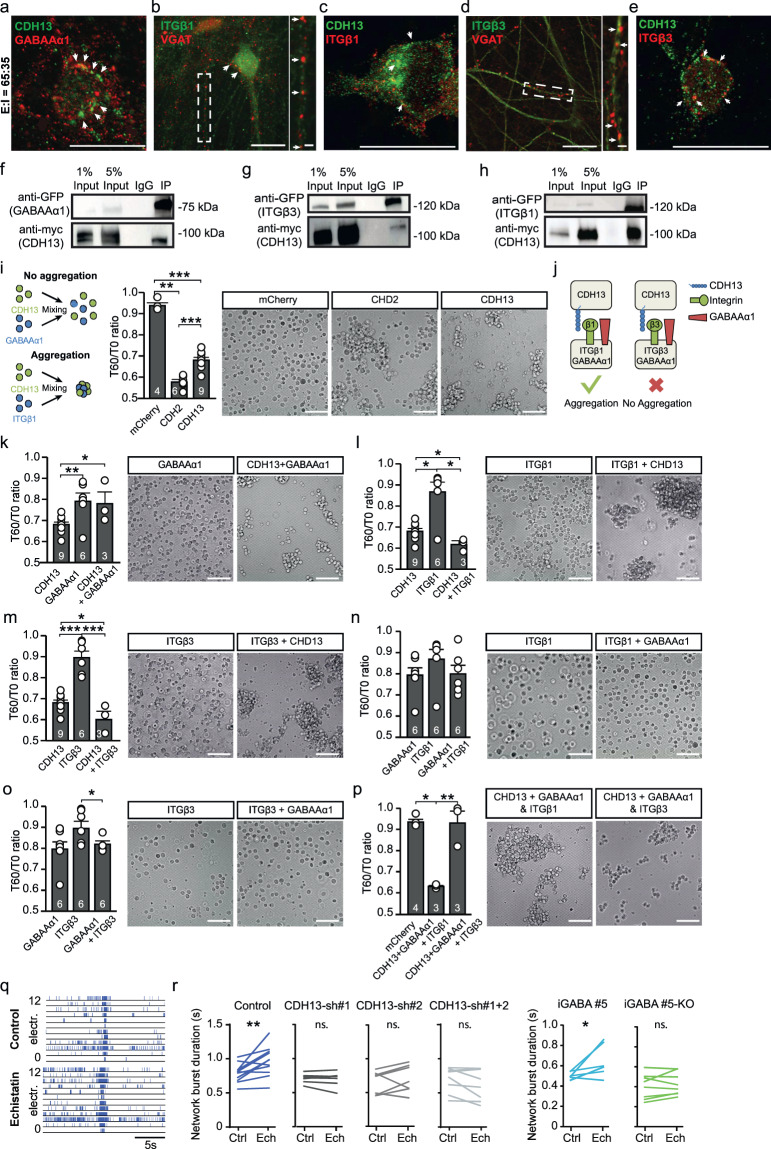
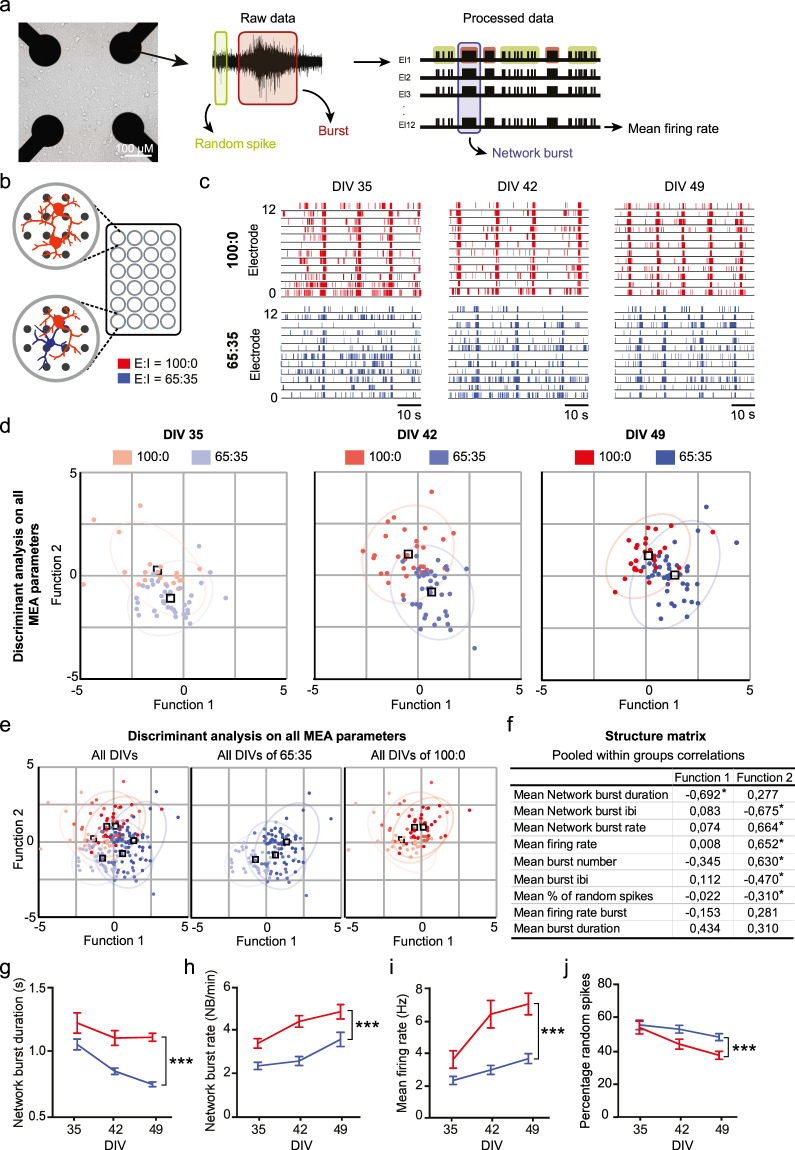
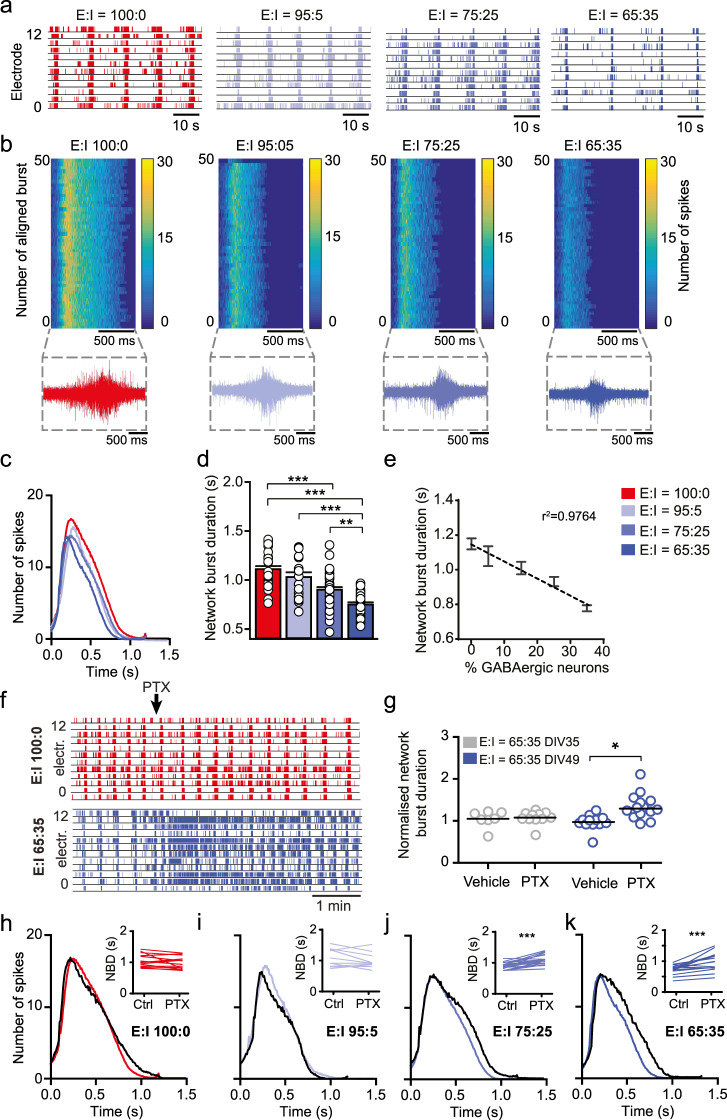
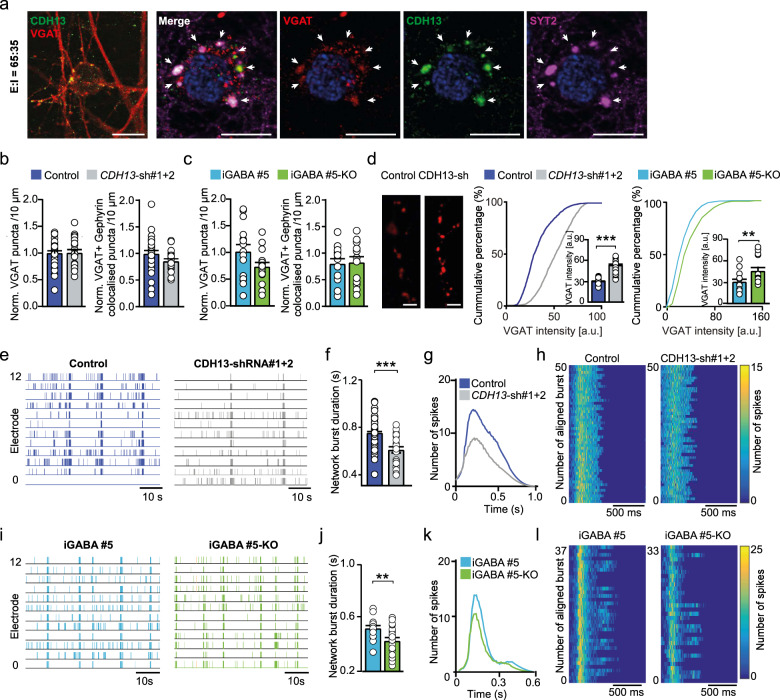
Activity in the healthy brain relies on a concerted interplay of excitation (E) and inhibition (I) via balanced synaptic communication between glutamatergic and GABAergic neurons. A growing number of studies imply that disruption of this E/I balance is a commonality in many brain disorders; however, obtaining mechanistic insight into these disruptions, with translational value for the patient, has typically been hampered by methodological limitations. Cadherin-13 (CDH13) has been associated with autism and attention-deficit/hyperactivity disorder. CDH13 localizes at inhibitory presynapses, specifically of parvalbumin (PV) and somatostatin (SST) expressing GABAergic neurons. However, the mechanism by which CDH13 regulates the function of inhibitory synapses in human neurons remains unknown. Starting from human-induced pluripotent stem cells, we established a robust method to generate a homogenous population of SST and MEF2C (PV-precursor marker protein) expressing GABAergic neurons (iGABA) in vitro, and co-cultured these with glutamatergic neurons at defined E/I ratios on micro-electrode arrays. We identified functional network parameters that are most reliably affected by GABAergic modulation as such, and through alterations of E/I balance by reduced expression of CDH13 in iGABAs. We found that CDH13 deficiency in iGABAs decreased E/I balance by means of increased inhibition. Moreover, CDH13 interacts with Integrin-β1 and Integrin-β3, which play opposite roles in the regulation of inhibitory synaptic strength via this interaction. Taken together, this model allows for standardized investigation of the E/I balance in a human neuronal background and can be deployed to dissect the cell-type-specific contribution of disease genes to the E/I balance.
健康大脑中的活动依赖于谷氨酸能和 GABA 能神经元之间通过平衡的突触通讯进行的兴奋(E)和抑制(I)的协同相互作用。越来越多的研究表明,这种 E/I 平衡的破坏是许多大脑疾病的共同特征;然而,获得具有转化价值的对这些破坏的机制见解,一直受到方法学限制的阻碍。钙黏蛋白 13(CDH13)与自闭症和注意缺陷多动障碍有关。CDH13 定位于抑制性突触前,特别是表达囊泡蛋白(PV)和生长抑素(SST)的 GABA 能神经元。然而,CDH13 调节人神经元抑制性突触功能的机制尚不清楚。从人诱导多能干细胞开始,我们建立了一种可靠的方法,在体外生成同质的表达 SST 和 MEF2C(PV 前体标记蛋白)的 GABA 能神经元(iGABA)群体,并在微电极阵列上将这些神经元与谷氨酸能神经元按定义的 E/I 比例共培养。我们确定了功能网络参数,这些参数最容易受到 GABA 能调节的影响,并且通过降低 iGABAs 中 CDH13 的表达来改变 E/I 平衡。我们发现,iGABAs 中 CDH13 的缺乏通过增加抑制作用来降低 E/I 平衡。此外,CDH13 与整合素-β1 和整合素-β3 相互作用,通过这种相互作用,它们在调节抑制性突触强度方面发挥相反的作用。总的来说,该模型允许在人类神经元背景下标准化研究 E/I 平衡,并可用于剖析疾病基因对 E/I 平衡的特定细胞类型的贡献。