Samartharam Hemmanoor, Vasudeva Nagashree, Ila Sai Samyuktha
Obstetrics and Gynaecology, Sandhya Ram Hospital, Palakkad, IND.
Medicine, Sandhya Ram Hospital, Palakkad, IND.
Cureus. 2021 Apr 10;13(4):e14411. doi: 10.7759/cureus.14411.
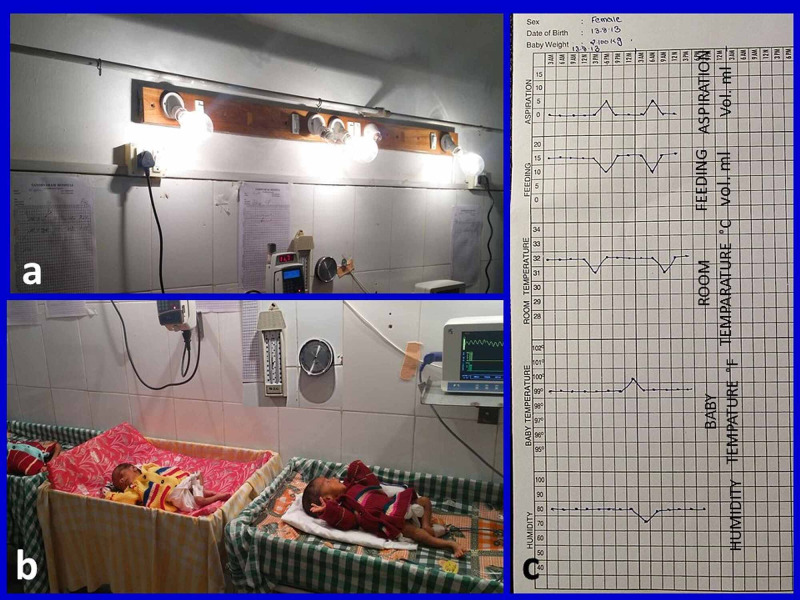
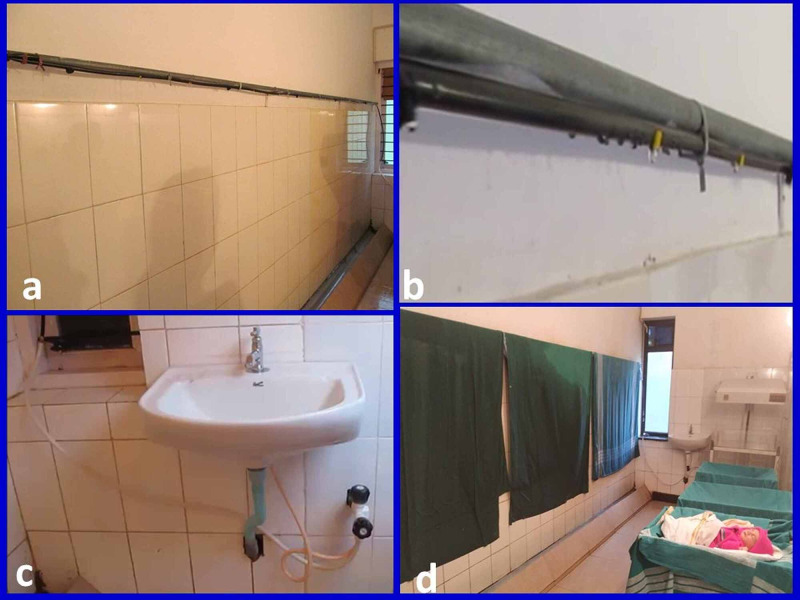
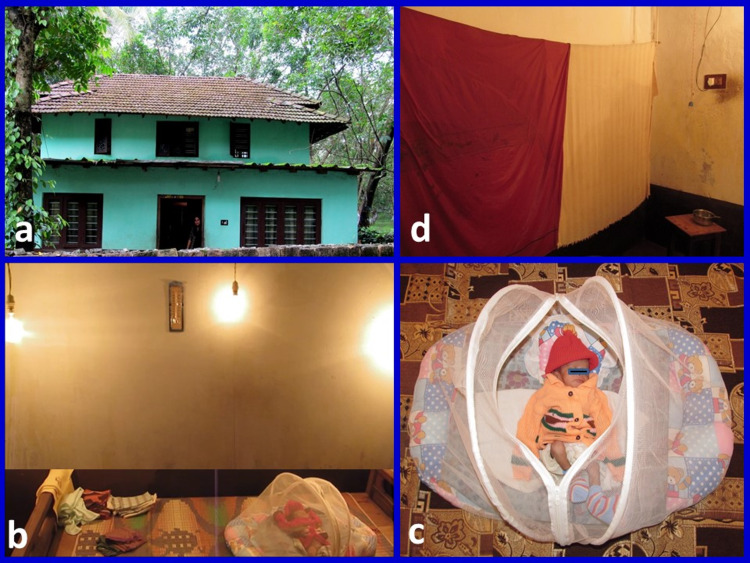
Background While growing inside the uterus, the human fetus floats in amniotic fluid, and the mother maintains a stable temperature of 37 °C and a humidity of 100%. In most neonatal incubators, a stable temperature is maintained but not the humidity. We hypothesised that maintaining a humidity of 70% and a temperature of 32 °C in incubator rooms might improve the outcomes related to low birth weight (LBW) neonates. Methods In this interventional study, 30 preterm LBW neonates delivered at different gestational ages were studied. Instead of an incubator box, we converted one entire room (14'/9'/10') into an incubator. Three 200-watt bulbs were fixed to the wall at a height of 1 meter from babies. The room thermometer was mounted on the wall close to babies. The room temperature was maintained at 32 °C by turning the lights on or off as required. Wet cotton sheets (4' × 6') were spread on the opposite wall with the support of a stand. A hygrometer was fixed to the wall near to babies, and the humidity of the room was maintained at 70-80%. The hydration and nutrition needs of the babies were met with IV fluids/nasogastric (NG) tube feeding. Antenatal steroids were given to all mothers before the completion of 38 weeks. Babies were discharged when they were stable, and further care was given at home with similar arrangements of maintaining temperature and humidity. Birth weights, the number of babies that developed neonatal respiratory distress syndrome (NRDS), hypothermia, septicaemia, neonatal intensive care unit (NICU) admission days, home incubator days, and neonatal deaths were recorded and compared with the findings in the existing literature. Results Among the 30 neonates studied, birth weights ranged from 1.00 to 1.95 kg. Twenty-three babies developed NRDS, and four babies developed septicaemia; NICU days ranged from five to 28 days, and at-home incubator days ranged from 15 to 60 days. One baby succumbed to the illness. Conclusion Open nursing care of functionally premature neonates at room temperature of 32 °C and humidity of 70% is a cost-effective method that can lead to excellent outcomes.
人类胎儿在子宫内生长时,漂浮于羊水中,母亲能维持稳定的体温37°C和湿度100%。在大多数新生儿培养箱中,能维持稳定的温度,但湿度无法维持。我们假设在培养箱房间内维持70%的湿度和32°C的温度可能会改善低出生体重(LBW)新生儿的预后。方法:在这项干预性研究中,对30名不同孕周出生的早产低体重新生儿进行了研究。我们将一整个房间(14英尺/9英尺/10英尺)改造成了一个培养箱,而不是使用培养箱盒子。三个200瓦的灯泡固定在离婴儿1米高的墙上。房间温度计安装在靠近婴儿的墙上。根据需要开关灯将室温维持在32°C。湿的床单(4英尺×6英尺)在支架的支撑下铺在对面墙上。一个湿度计固定在靠近婴儿的墙上,房间湿度维持在70 - 80%。通过静脉输液/鼻胃管喂养满足婴儿的水合和营养需求。所有母亲在38周前均给予产前类固醇。婴儿情况稳定后出院,在家中给予类似的温度和湿度维持安排进行进一步护理。记录出生体重、发生新生儿呼吸窘迫综合征(NRDS)、体温过低、败血症的婴儿数量、新生儿重症监护病房(NICU)住院天数、家庭培养箱天数以及新生儿死亡情况,并与现有文献中的研究结果进行比较。结果:在所研究的30名新生儿中,出生体重在1.00至1.95千克之间。23名婴儿发生了NRDS,4名婴儿发生了败血症;NICU住院天数在5至28天之间,家庭培养箱天数在15至60天之间。一名婴儿因病死亡。结论:在32°C室温及70%湿度下对功能早产新生儿进行开放式护理是一种经济有效的方法,可带来良好的预后。