Walsh Lauren, Johnson Crystal N, Hill Colin, Ross R Paul
School of Microbiology, University College Cork, Cork, Ireland.
APC Microbiome Ireland, University College Cork, Cork, Ireland.
Front Mol Biosci. 2021 Apr 29;8:654038. doi: 10.3389/fmolb.2021.654038. eCollection 2021.
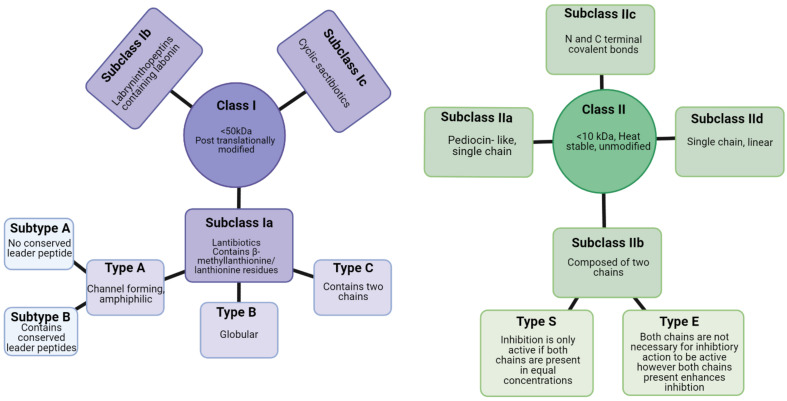
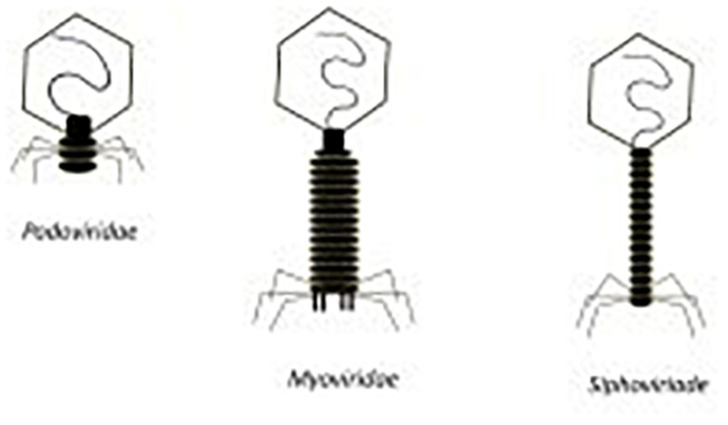
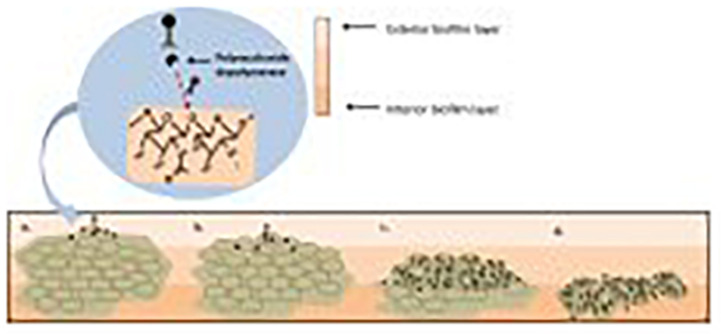
is a pathogen commonly found in nosocomial environments where infections can easily spread - especially given the reduced immune response of patients and large overlap between personnel in charge of their care. Although antibiotics are available to treat nosocomial infections, the increased occurrence of antibiotic resistance has rendered many treatments ineffective. Such is the case for methicillin resistant (MRSA), which has continued to be a threat to public health since its emergence. For this reason, alternative treatment technologies utilizing antimicrobials such as bacteriocins, bacteriophages (phages) and phage endolysins are being developed. These antimicrobials provide an advantage over antibiotics in that many have narrow inhibition spectra, enabling treatments to be selected based on the target (pathogenic) bacterium while allowing for survival of commensal bacteria and thus avoiding collateral damage to the microbiome. Bacterial resistance to these treatments occurs less frequently than with antibiotics, particularly in circumstances where combinatory antimicrobial therapies are used. Phage therapy has been well established in Eastern Europe as an effective treatment against bacterial infections. While there are no Randomized Clinical Trials (RCTs) to our knowledge examining phage treatment of infections that have completed all trial phases, numerous clinical trials are underway, and several commercial phage preparations are currently available to treat infections. Bacteriocins have primarily been used in the food industry for bio-preservation applications. However, the idea of repurposing bacteriocins for human health is an attractive one considering their efficacy against many bacterial pathogens. There are concerns about the ability of bacteriocins to survive the gastrointestinal tract given their proteinaceous nature, however, this obstacle may be overcome by altering the administration route of the therapy through encapsulation, or by bioengineering protease-resistant variants. Obstacles such as enzymatic digestion are less of an issue for topical/local administration, for example, application to the surface of the skin. Bacteriocins have also shown impressive synergistic effects when used in conjunction with other antimicrobials, including antibiotics, which may allow antibiotic-based therapies to be used more sparingly with less resistance development. This review provides an updated account of known bacteriocins, phages and phage endolysins which have demonstrated an impressive ability to kill strains. In particular, examples of antimicrobials with the ability to target MRSA strains and their subsequent use in a clinical setting are outlined.
是一种常见于医院环境中的病原体,在这种环境中感染很容易传播——特别是考虑到患者免疫反应降低以及负责其护理的人员之间有大量重叠。虽然有抗生素可用于治疗医院感染,但抗生素耐药性的增加使许多治疗方法无效。耐甲氧西林金黄色葡萄球菌(MRSA)就是这种情况,自其出现以来,它一直对公共卫生构成威胁。因此,正在开发利用抗菌物质如细菌素、噬菌体(噬菌体)和噬菌体溶菌酶的替代治疗技术。这些抗菌物质相对于抗生素具有优势,因为许多具有狭窄的抑制谱,能够根据目标(致病)细菌选择治疗方法,同时允许共生细菌存活,从而避免对微生物群的附带损害。细菌对这些治疗的耐药性比抗生素出现得更少,特别是在使用联合抗菌疗法的情况下。噬菌体疗法在东欧已被确立为治疗细菌感染的有效方法。据我们所知,虽然没有完成所有试验阶段的关于噬菌体治疗感染的随机临床试验(RCT),但有许多临床试验正在进行,并且目前有几种商业噬菌体制剂可用于治疗感染。细菌素主要用于食品工业中的生物保鲜应用。然而,考虑到它们对许多细菌病原体的功效,将细菌素重新用于人类健康是一个有吸引力的想法。鉴于它们的蛋白质性质,人们担心细菌素在胃肠道中的存活能力,然而,这个障碍可以通过通过封装改变治疗的给药途径,或通过生物工程改造抗蛋白酶变体来克服。对于局部/局部给药,例如应用于皮肤表面,诸如酶消化之类的障碍就不那么重要了。当与包括抗生素在内的其他抗菌物质联合使用时,细菌素也显示出令人印象深刻的协同作用,这可能允许更谨慎地使用基于抗生素的疗法,减少耐药性的产生。本综述提供了已知细菌素、噬菌体和噬菌体溶菌酶的最新情况,它们已显示出令人印象深刻的杀死菌株的能力。特别是,概述了能够靶向MRSA菌株的抗菌物质的实例及其在临床环境中的后续应用。