Department of Bacteriology, University of Wisconsin-Madison, 1550 Linden Dr., Madison, WI, 53706, USA.
PECEM (MD/PhD), Facultad de Medicina, Universidad Nacional Autónoma de México, Coyoacán, Ciudad de México, México.
Microbiome. 2021 May 20;9(1):117. doi: 10.1186/s40168-021-01061-6.
There is general consensus that consumption of dietary fermentable fiber improves cardiometabolic health, in part by promoting mutualistic microbes and by increasing production of beneficial metabolites in the distal gut. However, human studies have reported variations in the observed benefits among individuals consuming the same fiber. Several factors likely contribute to this variation, including host genetic and gut microbial differences. We hypothesized that gut microbial metabolism of dietary fiber represents an important and differential factor that modulates how dietary fiber impacts the host.
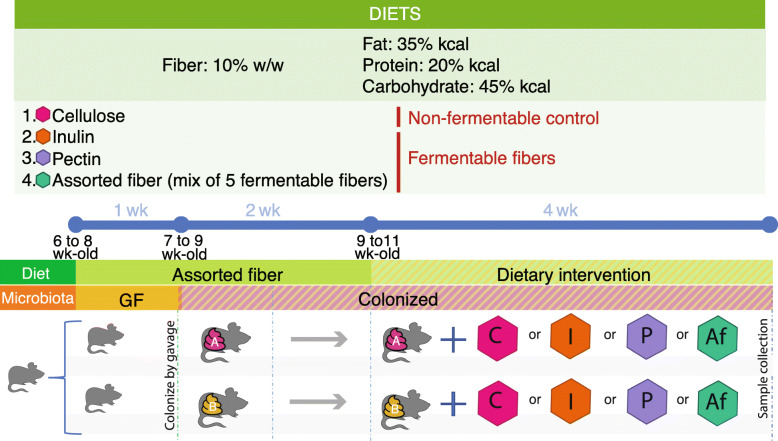
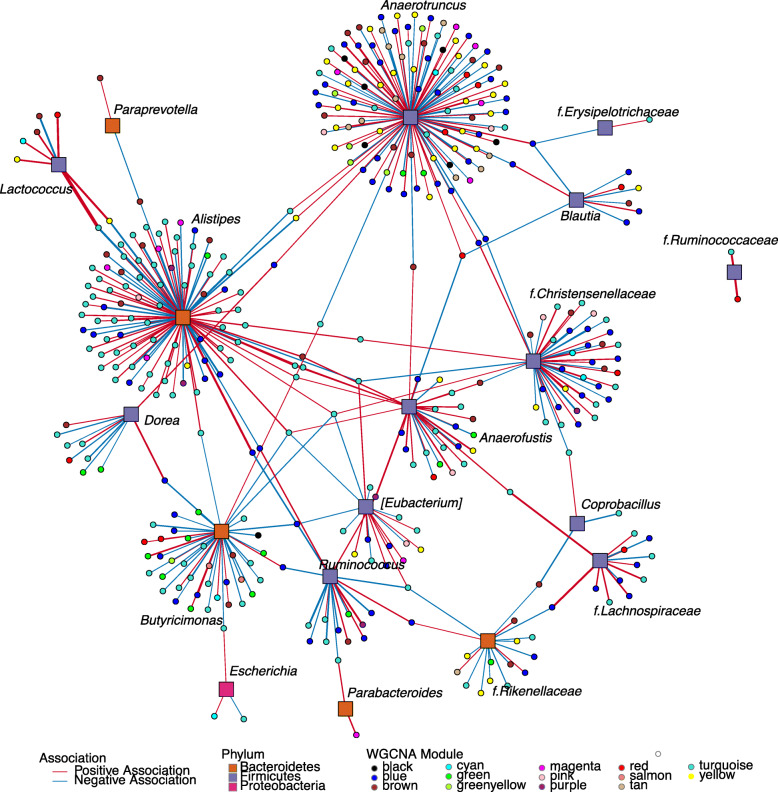
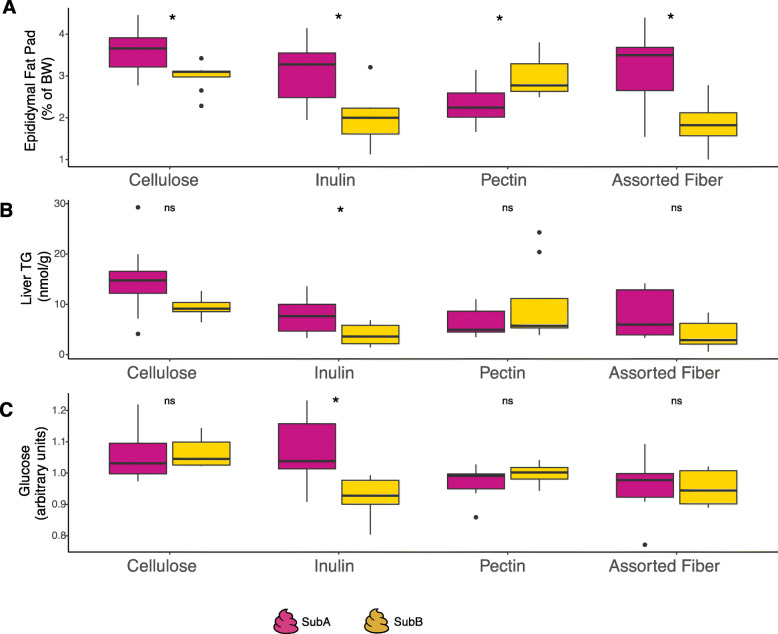
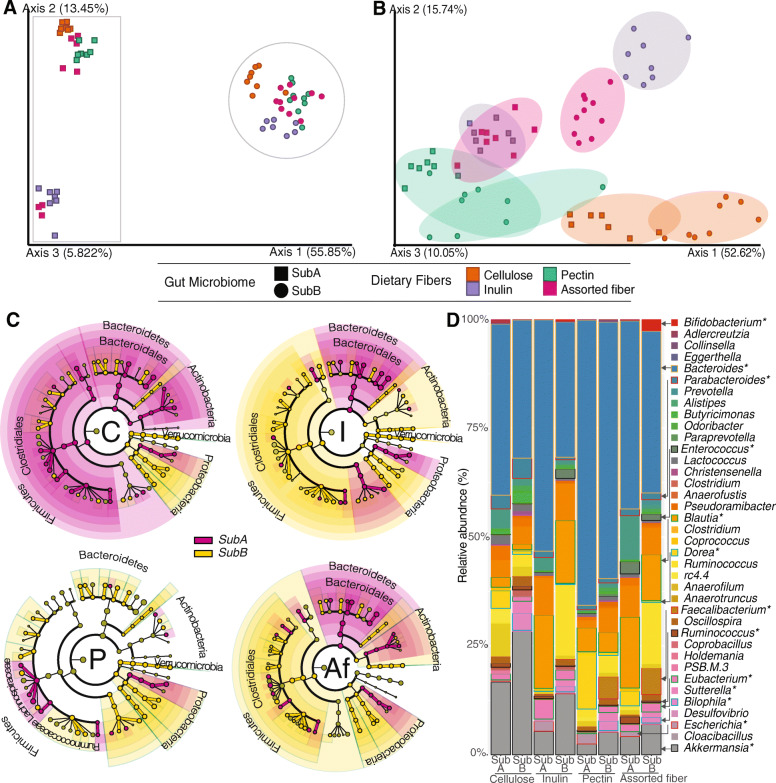
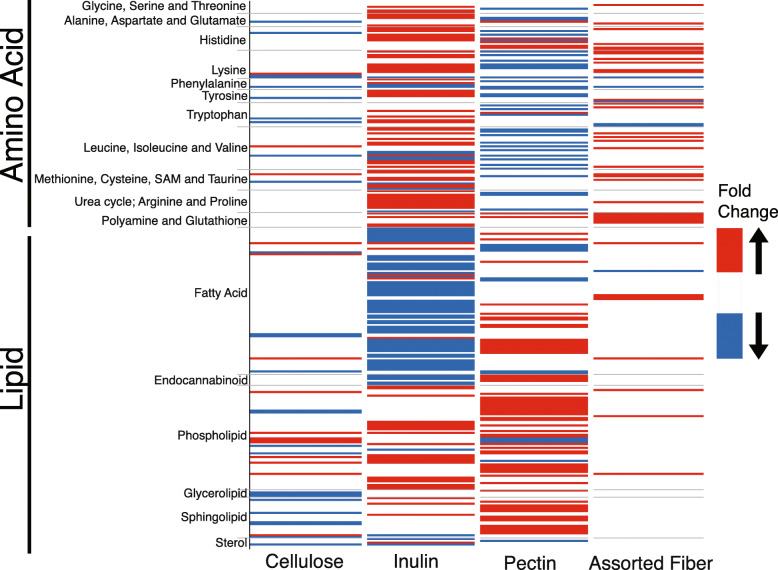
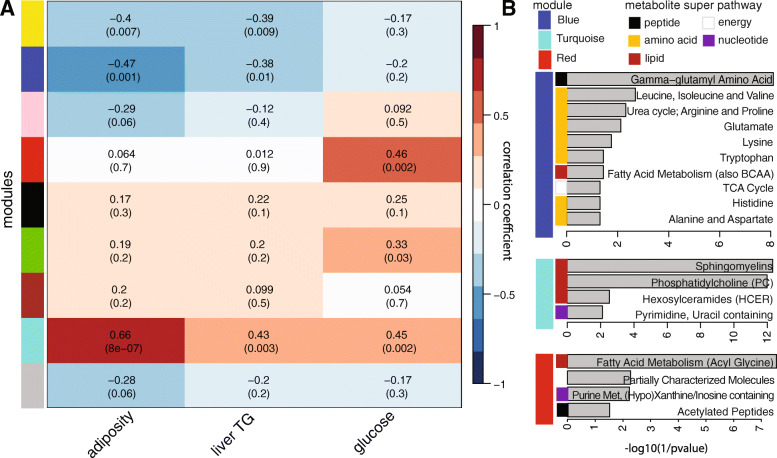
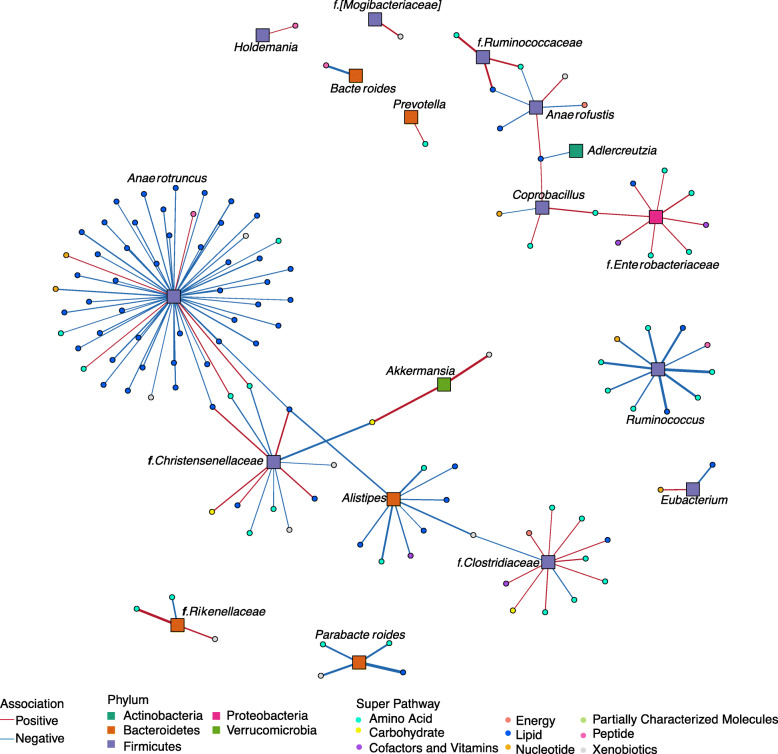
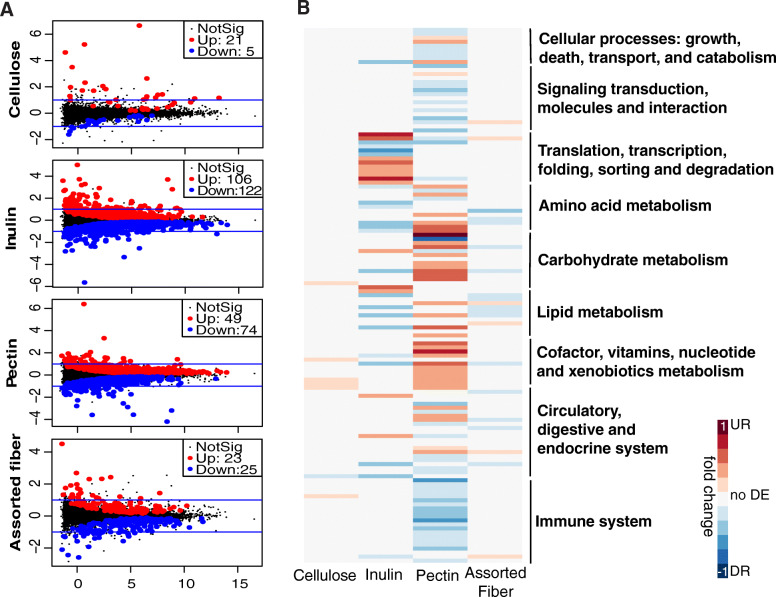
We examined genetically identical gnotobiotic mice harboring two distinct complex gut microbial communities and exposed to four isocaloric diets, each containing different fibers: (i) cellulose, (ii) inulin, (iii) pectin, (iv) a mix of 5 fermentable fibers (assorted fiber). Gut microbiome analysis showed that each transplanted community preserved a core of common taxa across diets that differentiated it from the other community, but there were variations in richness and bacterial taxa abundance within each community among the different diet treatments. Host epigenetic, transcriptional, and metabolomic analyses revealed diet-directed differences between animals colonized with the two communities, including variation in amino acids and lipid pathways that were associated with divergent health outcomes.
This study demonstrates that interindividual variation in the gut microbiome is causally linked to differential effects of dietary fiber on host metabolic phenotypes and suggests that a one-fits-all fiber supplementation approach to promote health is unlikely to elicit consistent effects across individuals. Overall, the presented results underscore the importance of microbe-diet interactions on host metabolism and suggest that gut microbes modulate dietary fiber efficacy. Video abstract.
人们普遍认为,食用可发酵膳食纤维能改善心血管代谢健康,这在一定程度上是通过促进共生微生物和增加远端肠道有益代谢物的产生来实现的。然而,人类研究报告称,摄入相同纤维的个体之间观察到的益处存在差异。有几个因素可能导致这种差异,包括宿主遗传和肠道微生物的差异。我们假设膳食纤维的肠道微生物代谢代表了一个重要的、差异化的因素,调节膳食纤维对宿主的影响。
我们检查了携带两种不同复杂肠道微生物群落的遗传相同的无菌小鼠,并将它们暴露于四种等热量的饮食中,每种饮食都含有不同的纤维:(i)纤维素,(ii)菊粉,(iii)果胶,(iv)混合 5 种可发酵纤维(混合纤维)。肠道微生物组分析表明,每个移植的群落都在不同的饮食中保留了一组核心的共同分类群,使其与其他群落区分开来,但在每个群落中,不同饮食处理之间的丰富度和细菌分类群丰度存在差异。宿主表观遗传、转录和代谢组学分析揭示了用两个群落定植的动物之间存在饮食指导的差异,包括与不同健康结果相关的氨基酸和脂质途径的差异。
本研究表明,肠道微生物组的个体间差异与膳食纤维对宿主代谢表型的差异影响有关,并表明一种适合所有人的纤维补充方法不太可能在个体之间产生一致的效果。总的来说,所呈现的结果强调了微生物-饮食相互作用对宿主代谢的重要性,并表明肠道微生物调节膳食纤维的功效。视频摘要。