Malik Chetanya, Khanna Shilpa, Jain Yogesh, Jain Rachna
Jan Swasthya Sahyog, Village Ganiyari, Bilaspur, Chhattisgarh, India.
J Family Med Prim Care. 2021 Jan;10(1):72-76. doi: 10.4103/jfmpc.jfmpc_1794_20. Epub 2021 Jan 19.
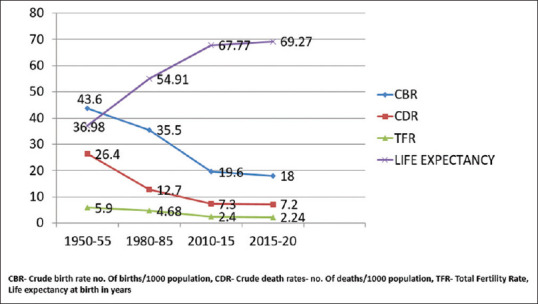
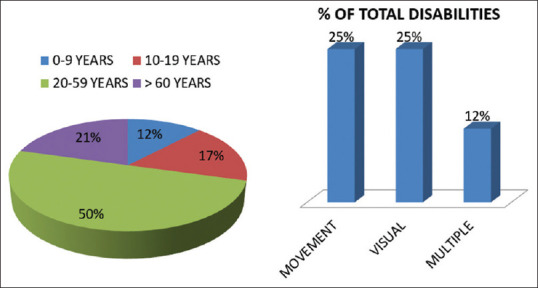
Global pandemic due to corona virus disease (COVID-19) has exposed vulnerabilities of the geriatric population all over the world. India has been adding progressively increasing number of elderly to its population. This is happening with increasing life expectancy and decreasing mortality. In comparison to children, the population as well as deaths in elderly are rising with changing demography. The elderly population has its own vulnerabilities based on education, socioeconomic condition, gender, place of residence etc. They are affected by various non-communicable diseases which form predominant cause of morbidity and mortality like cardiovascular diseases, stroke, cancer, respiratory illnesses etc. The elderly also contribute to various kinds of disabilities like movement, vision, hearing and in many cases multiple disabilities. They are also more vulnerable to mental health problems and cognitive impairment. The article also suggests a way forward in dealing with rising geriatric age group and its associated problems. The programs supporting this population are largely scattered which needs to be consolidated to include social security, pension and food security along with health benefits. The approach to health care of the elderly needs a comprehensive strategy instead of the present fragmented approach where different disease based programs for non-communicable diseases, cancer and mental health cater to specific health issues of the elderly. Greater awareness, training and skill building in geriatric health for primary care physicians need focus and energy. Prioritizing training and research in this field including the need for more geriatricians has been highlighted.
由冠状病毒病(COVID-19)引发的全球大流行暴露了世界各地老年人群体的脆弱性。印度老年人口数量在持续增加。这是随着预期寿命的延长和死亡率的降低而发生的。与儿童相比,随着人口结构的变化,老年人口数量以及死亡人数都在上升。老年人群体因其教育程度、社会经济状况、性别、居住地点等因素而存在自身的脆弱性。他们受各种非传染性疾病的影响,这些疾病是发病和死亡的主要原因,如心血管疾病、中风、癌症、呼吸系统疾病等。老年人还会出现各种残疾,如行动、视力、听力方面的残疾,而且在很多情况下是多种残疾并存。他们也更容易出现心理健康问题和认知障碍。本文还提出了应对老年人口不断增加及其相关问题的前进方向。支持这一人群的项目大多分散,需要整合起来,将社会保障、养老金、食品安全以及健康福利都纳入其中。老年人的医疗保健方法需要一种全面的策略,而不是目前这种零散的方法,即针对非传染性疾病、癌症和心理健康的不同疾病项目分别解决老年人的特定健康问题。初级保健医生在老年健康方面需要提高认识、接受培训并提升技能,这需要重点关注和投入精力。本文强调了在这一领域对培训和研究进行优先排序,包括需要更多老年医学专家。