Maenosono Ryoichi, Nian Yeqi, Iske Jasper, Liu Yang, Minami Koichiro, Rommel Tabea, Martin Friederike, Abdi Reza, Azuma Haruhito, Rosner Bernhard A, Zhou Hao, Milford Edgar, Elkhal Abdallah, Tullius Stefan G
Division of Transplant Surgery, Department of Surgery and Transplant Surgery Research Laboratory, Brigham and Women's Hospital, Harvard Medical School, Boston, Massachusetts, USA.
Department of Urology, Osaka Medical College, Osaka, Japan.
Am J Transplant. 2021 Oct;21(10):3239-3255. doi: 10.1111/ajt.16611. Epub 2021 Jun 24.
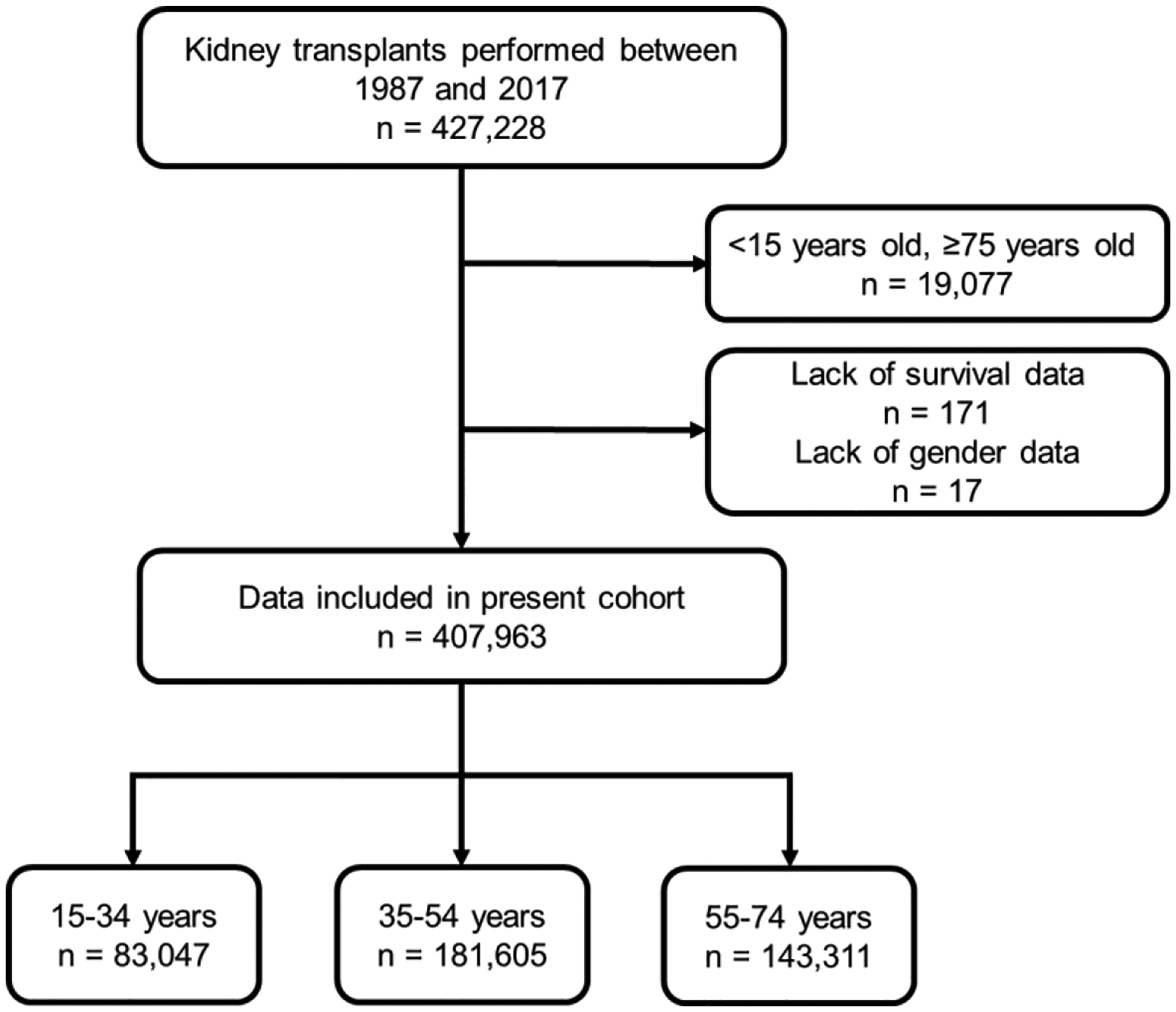
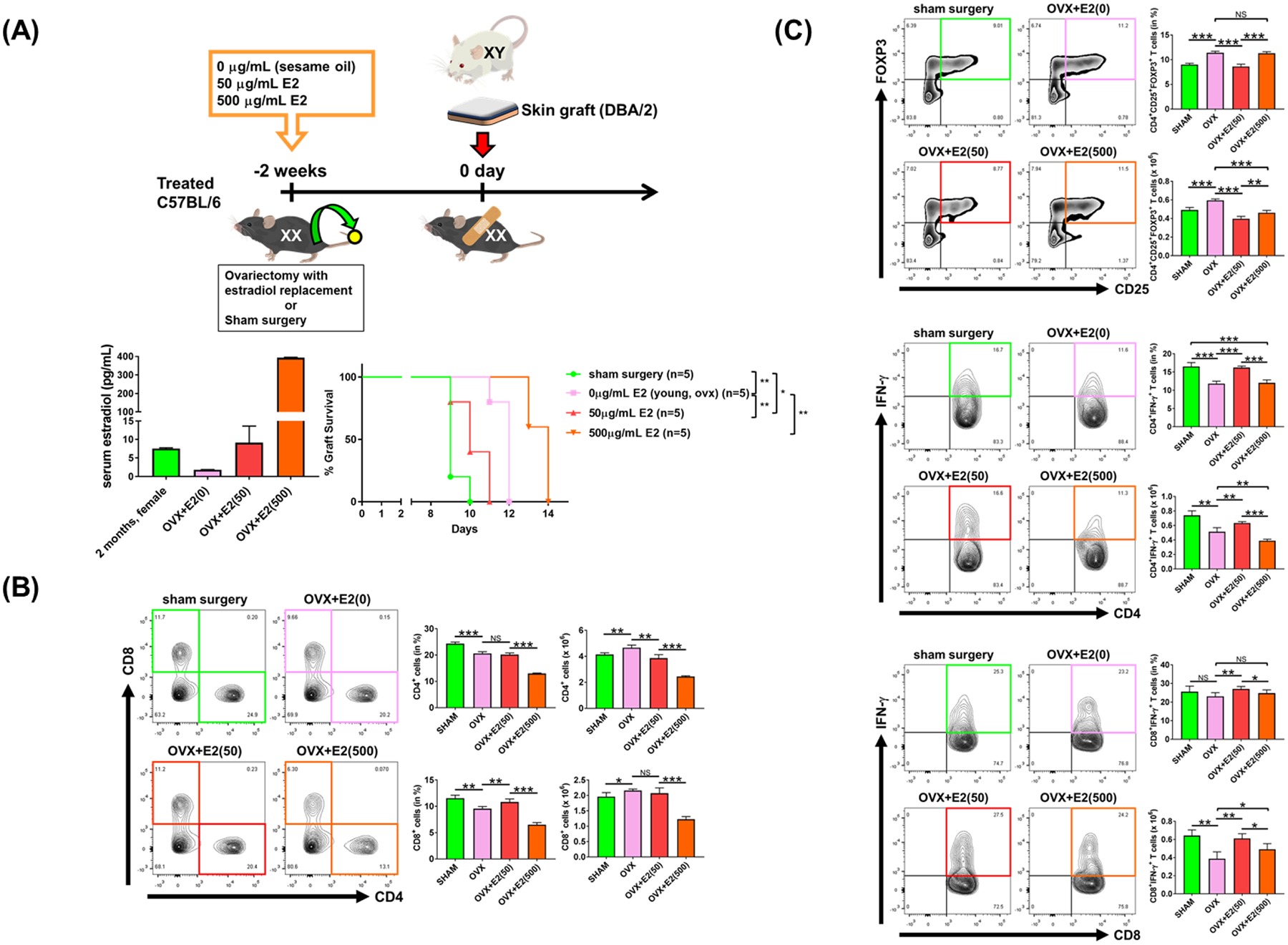
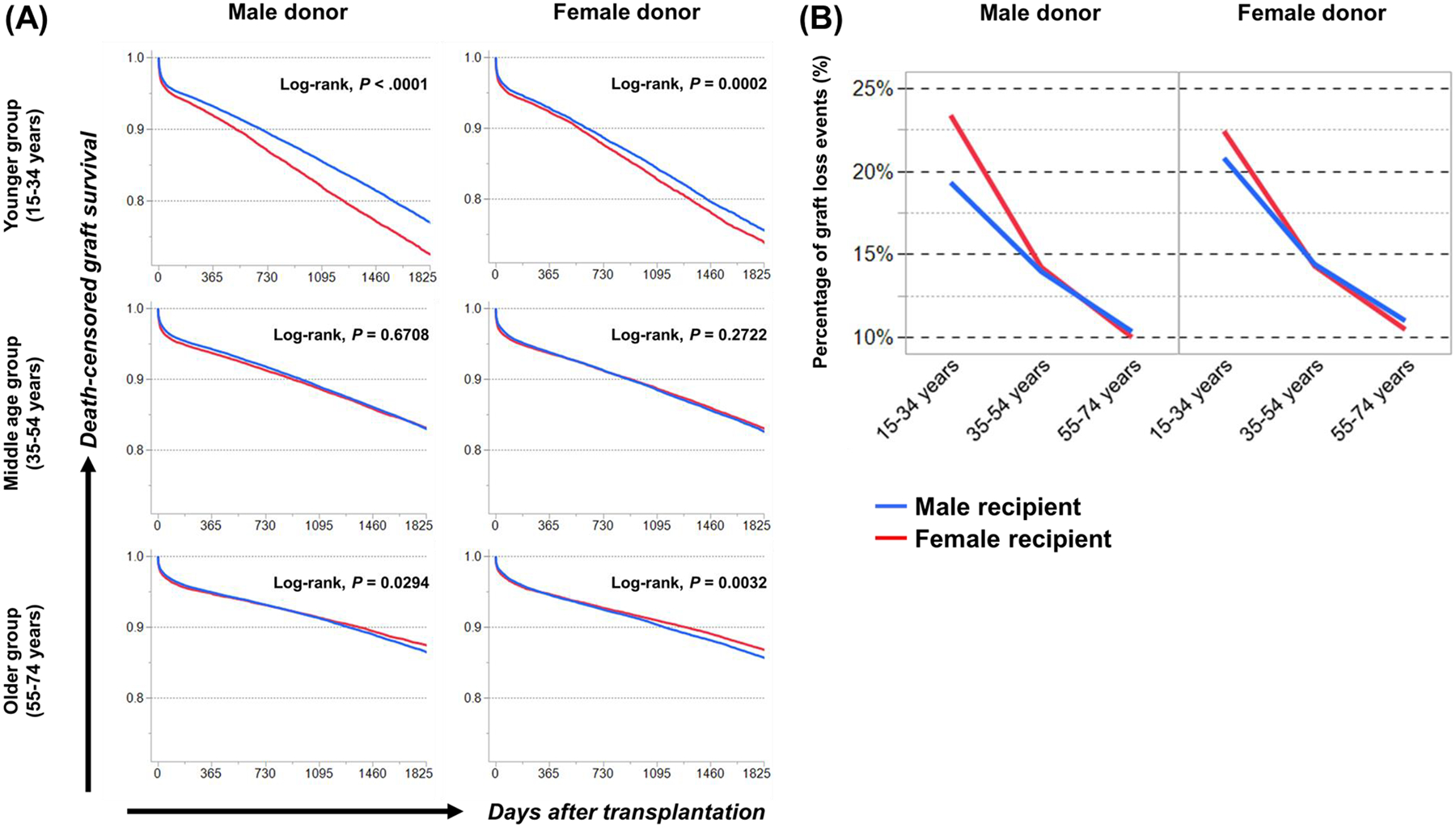
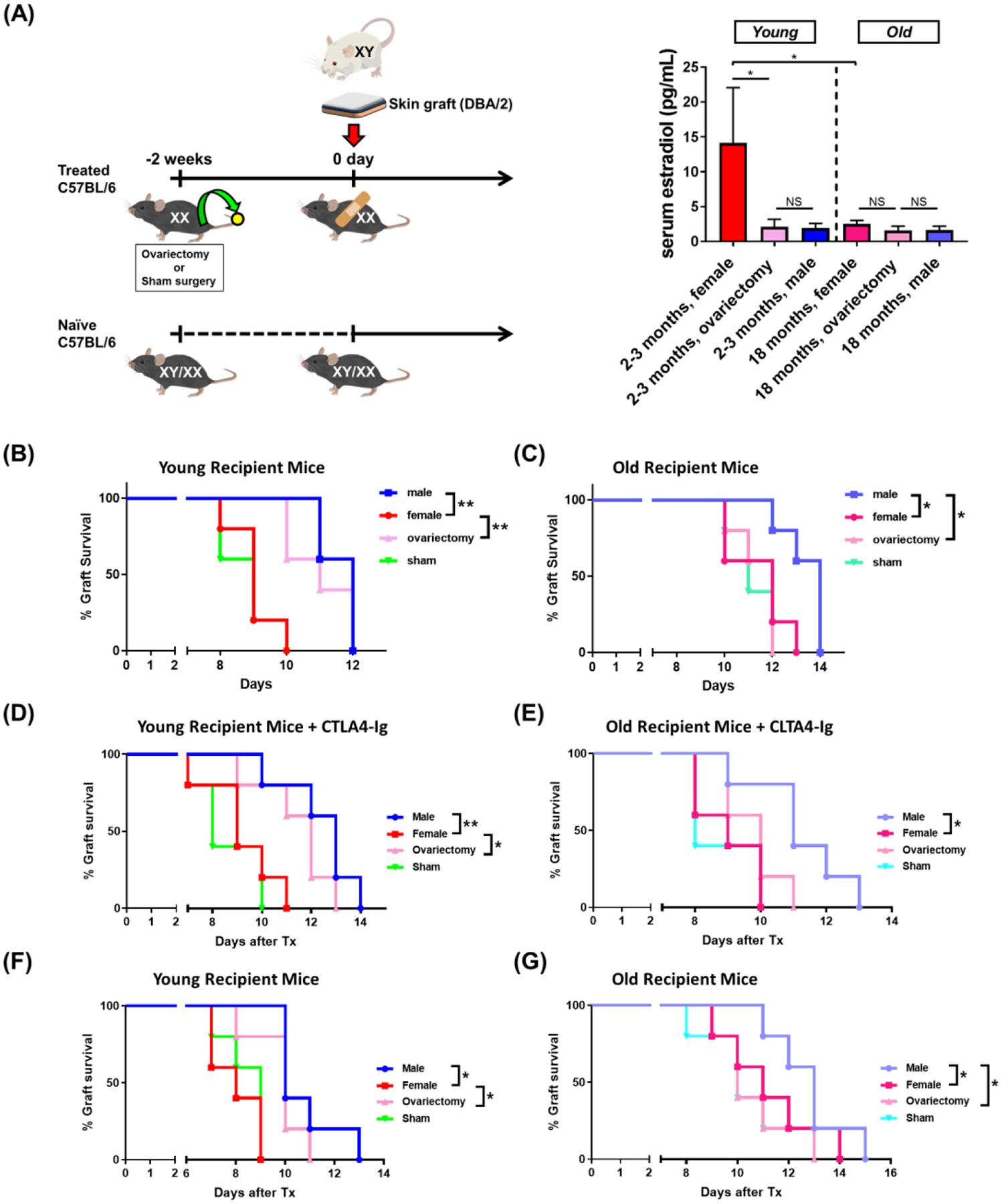
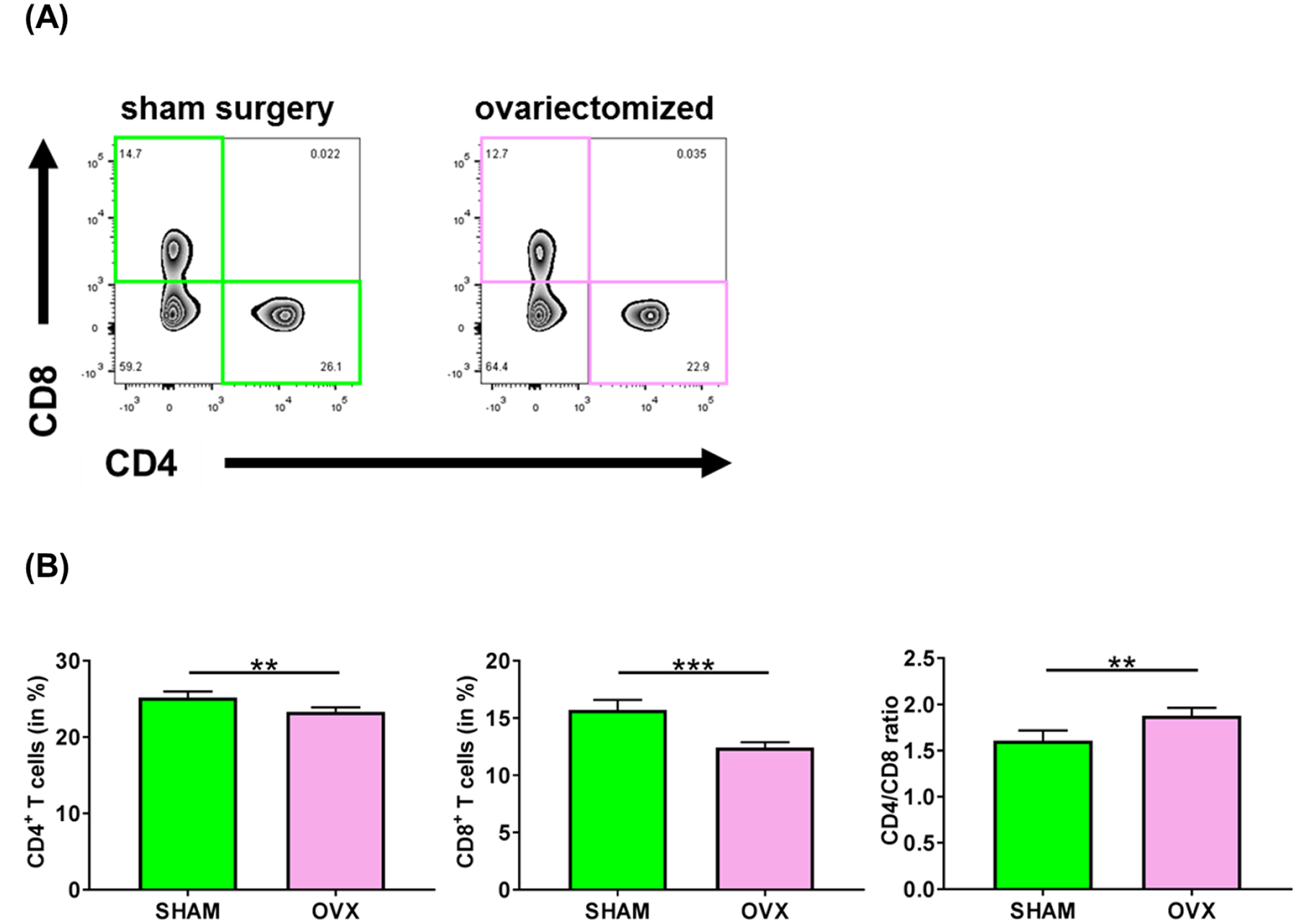
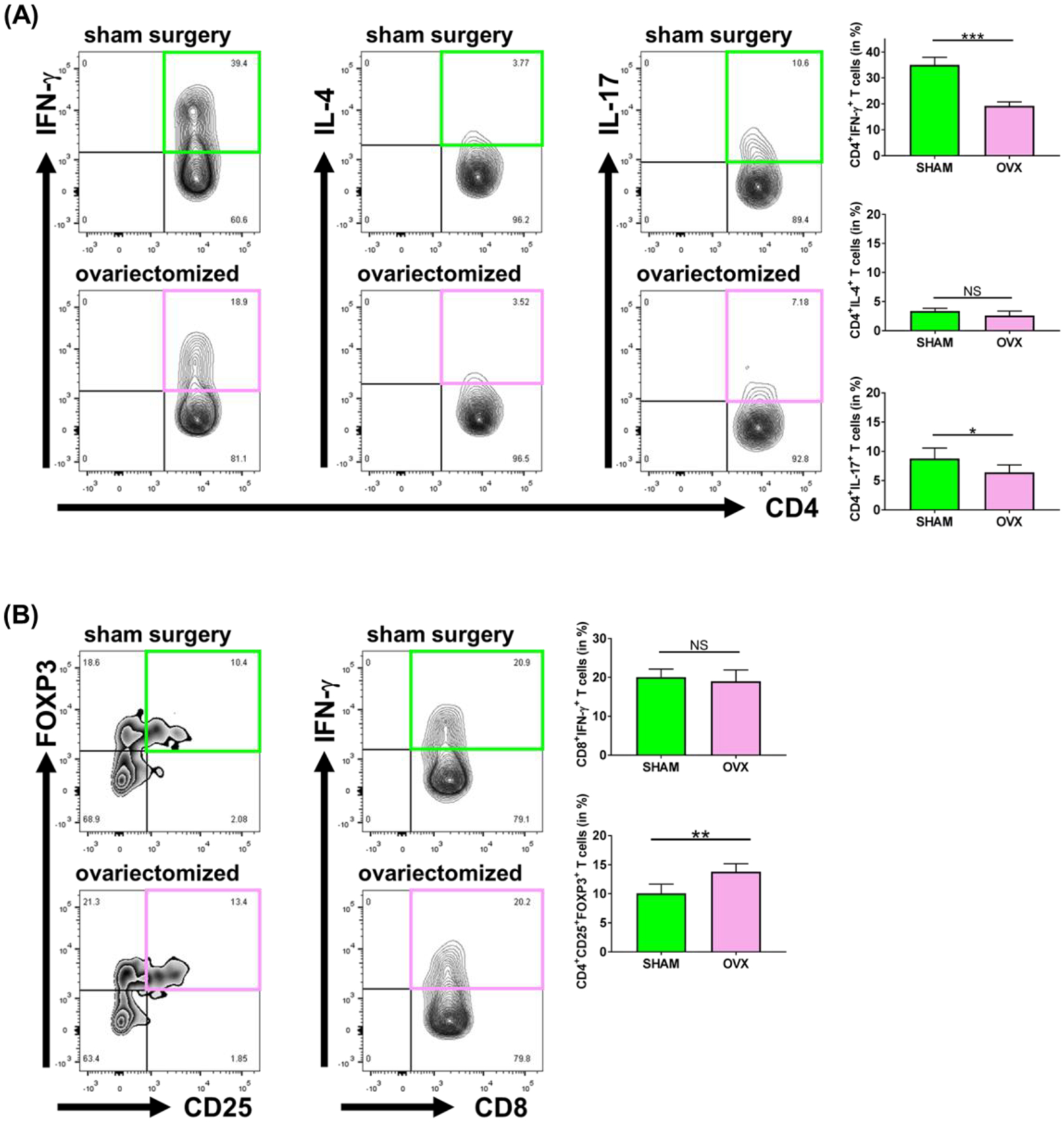
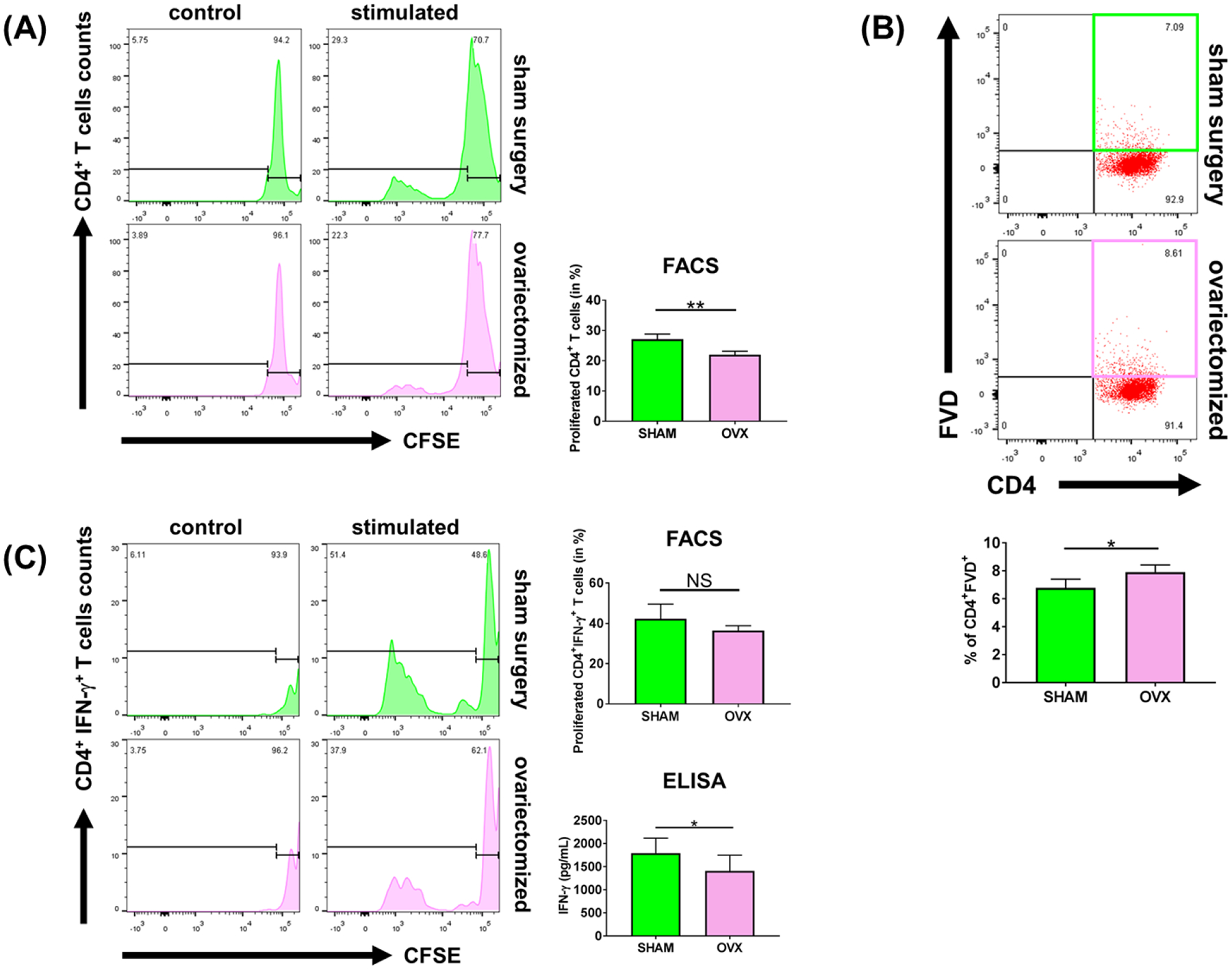
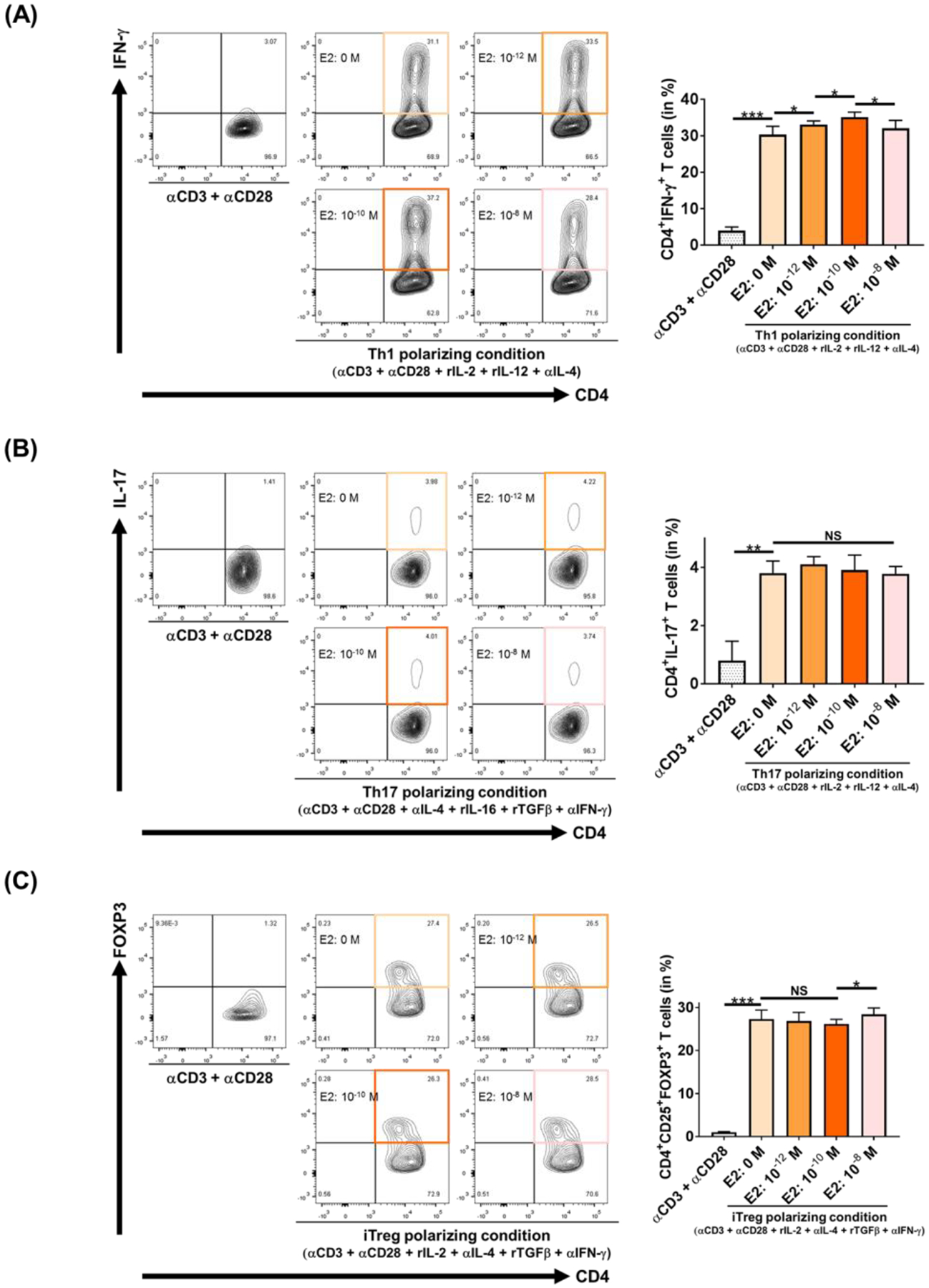
Sex-specific influences have been shown for a variety of diseases. Whether donor or recipient sex and sex hormone levels impact alloimmune responses remains unclear. In unifactorial and multifactorial analyses of more than 400 000 SRTR listed kidney transplant patients, we found that younger female recipients had an inferior death-censored graft survival that was independent of donor sex. In contrast, graft survival was superior in older female recipients, suggesting the impact of recipient sex hormones over chromosomal sex mismatches. Those clinical changes were delineated in experimental skin and heart transplant models showing a prolongation of graft survival in ovariectomized young female recipients. In contrast, graft survival was comparable in ovariectomized and naïve old female recipients. Young ovariectomized mice showed reduced amounts and a compromised T cell proliferation. Deprivation of female hormones dampened the production of interferon (IFN)-γ and interleukin (IL)-17 by CD4 T cells while augmenting systemic counts of Tregs. Increasing estradiol concentrations in vitro promoted the switch of naïve CD4 T cells into Th1 cells; high physiological estradiol concentrations dampening Th1 responses, promoted Tregs, and prolonged graft survival. Thus, clinical observations demonstrate age-specific graft survival patterns in female recipients. Estrogen levels, in turn, impact the fate of T cell subsets, providing relevant and novel information on age- and sex-specific alloimmunity.
多种疾病已显示出性别特异性影响。供体或受体性别以及性激素水平是否会影响同种免疫反应仍不清楚。在对超过40万例SRTR列出的肾移植患者进行的单因素和多因素分析中,我们发现年轻女性受体的死亡删失移植物存活率较低,且与供体性别无关。相比之下,老年女性受体的移植物存活率更高,这表明受体性激素对染色体性别不匹配有影响。这些临床变化在实验性皮肤和心脏移植模型中得到了描述,该模型显示卵巢切除的年轻女性受体的移植物存活时间延长。相比之下,卵巢切除的老年女性受体和未处理的老年女性受体的移植物存活率相当。年轻的卵巢切除小鼠的T细胞增殖数量减少且能力受损。去除女性激素会抑制CD4 T细胞产生干扰素(IFN)-γ和白细胞介素(IL)-17,同时增加调节性T细胞(Tregs)的全身数量。体外增加雌二醇浓度可促进初始CD4 T细胞向Th1细胞的转变;高生理浓度的雌二醇会抑制Th1反应,促进Tregs,并延长移植物存活时间。因此,临床观察表明女性受体存在年龄特异性的移植物存活模式。雌激素水平反过来会影响T细胞亚群的命运,为年龄和性别特异性同种免疫提供相关的新信息。