Ibrahim Mohamed Ramzy, Youssef Sherin M, Fathalla Karma M
Computer Engineering Department, Arab Academy for Science, Technology and Maritime Transport (AASTMT), Alexandria, 1029 Egypt.
J Ambient Intell Humaniz Comput. 2023;14(5):5665-5688. doi: 10.1007/s12652-021-03282-x. Epub 2021 May 25.
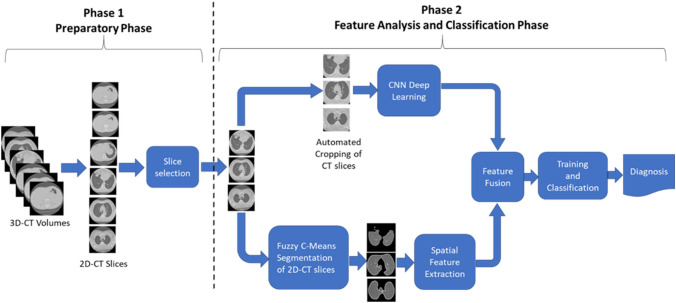
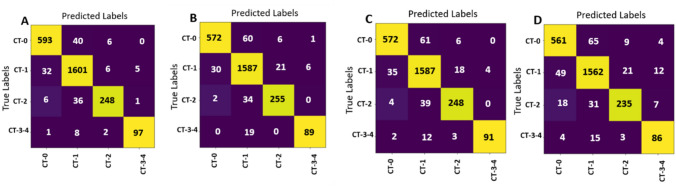
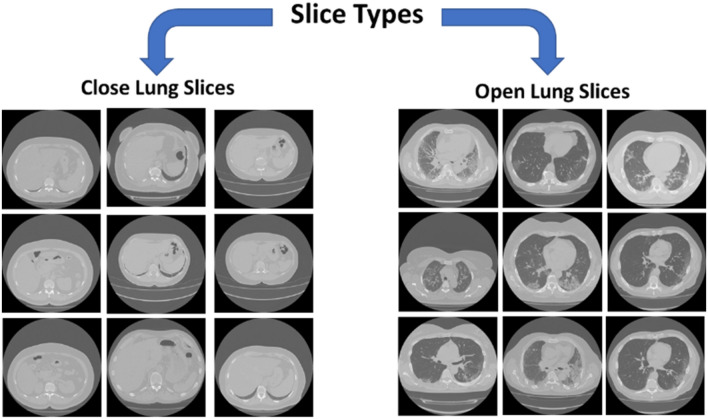
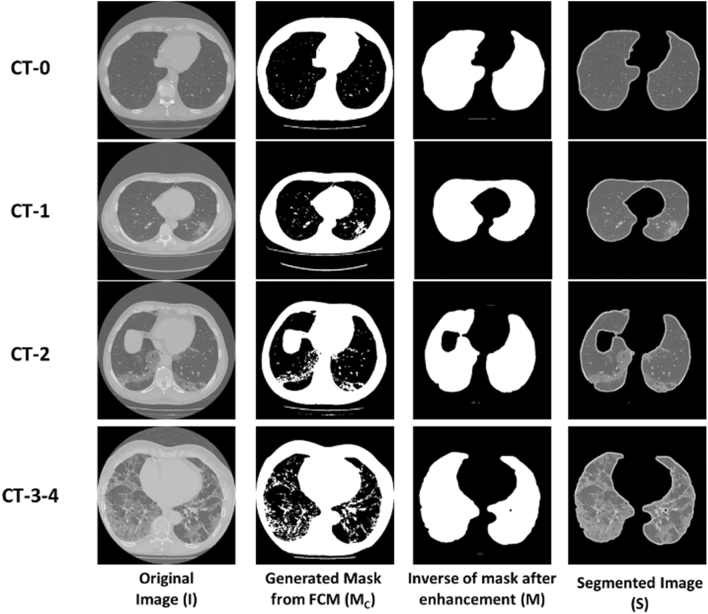
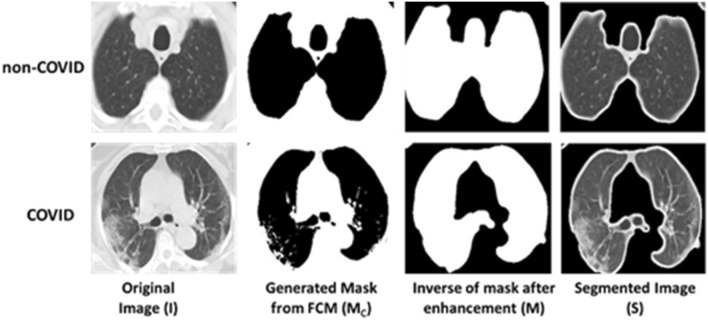
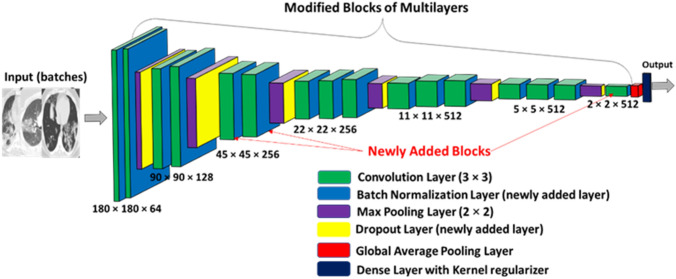
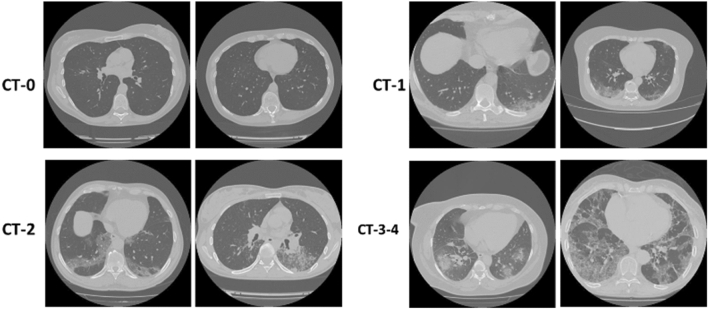
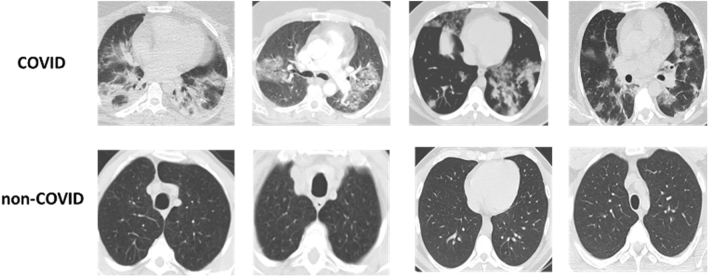
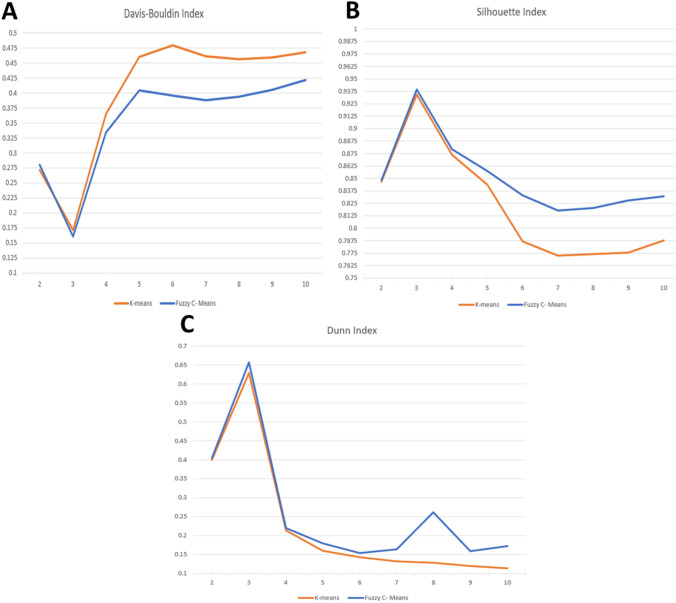
Different respiratory infections cause abnormal symptoms in lung parenchyma that show in chest computed tomography. Since December 2019, the SARS-COV-2 virus, which is the causative agent of COVID-19, has invaded the world causing high numbers of infections and deaths. The infection with SARS-COV-2 virus shows an abnormality in lung parenchyma that can be effectively detected using Computed Tomography (CT) imaging. In this paper, a novel computer aided framework (COV-CAF) is proposed for classifying the severity degree of the infection from 3D Chest Volumes. COV-CAF fuses traditional and deep learning approaches. The proposed COV-CAF consists of two phases: the preparatory phase and the feature analysis and classification phase. The preparatory phase handles 3D-CT volumes and presents an effective cut choice strategy for choosing informative CT slices. The feature analysis and classification phase incorporate fuzzy clustering for automatic Region of Interest (RoI) segmentation and feature fusion. In feature fusion, automatic features are extracted from a newly introduced Convolution Neural Network (Norm-VGG16) and are fused with spatial hand-crafted features extracted from segmented RoI. Experiments are conducted on MosMedData: Chest CT Scans with COVID-19 Related Findings with COVID-19 severity classes and SARS-COV-2 CT-Scan benchmark datasets. The proposed COV-CAF achieved remarkable results on both datasets. On MosMedData dataset, it achieved an overall accuracy of 97.76% and average sensitivity of 96.73%, while on SARS-COV-2 CT-Scan dataset it achieves an overall accuracy and sensitivity 97.59% and 98.41% respectively.
不同的呼吸道感染会导致肺实质出现异常症状,这些症状会在胸部计算机断层扫描中显示出来。自2019年12月以来,导致COVID-19的病原体SARS-CoV-2病毒侵袭全球,造成大量感染和死亡。感染SARS-CoV-2病毒会导致肺实质出现异常,使用计算机断层扫描(CT)成像可以有效检测到这种异常。本文提出了一种新颖的计算机辅助框架(COV-CAF),用于从3D胸部容积中对感染的严重程度进行分类。COV-CAF融合了传统方法和深度学习方法。所提出的COV-CAF包括两个阶段:准备阶段和特征分析与分类阶段。准备阶段处理3D-CT容积,并提出一种有效的切片选择策略,用于选择信息丰富的CT切片。特征分析与分类阶段结合模糊聚类进行自动感兴趣区域(RoI)分割和特征融合。在特征融合中,从新引入的卷积神经网络(Norm-VGG16)中提取自动特征,并与从分割后的RoI中提取的空间手工特征进行融合。在MosMedData数据集上进行了实验:该数据集包含与COVID-19相关发现的胸部CT扫描以及COVID-19严重程度分类和SARS-CoV-2 CT扫描基准数据集。所提出的COV-CAF在两个数据集上均取得了显著成果。在MosMedData数据集上,其总体准确率达到97.76%,平均灵敏度为96.73%,而在SARS-CoV-2 CT扫描数据集上,其总体准确率和灵敏度分别达到97.59%和98.41%。