Kundu Rohit, Singh Pawan Kumar, Mirjalili Seyedali, Sarkar Ram
Department of Electrical Engineering, Jadavpur University, 188, Raja S. C. Mallick Road, Kolkata-700032, West Bengal, India.
Department of Information Technology, Jadavpur University, Jadavpur University Second Campus, Plot No. 8, Salt Lake Bypass, LB Block, Sector III, Salt Lake City, Kolkata-700106, West Bengal, India.
Comput Biol Med. 2021 Nov;138:104895. doi: 10.1016/j.compbiomed.2021.104895. Epub 2021 Oct 1.
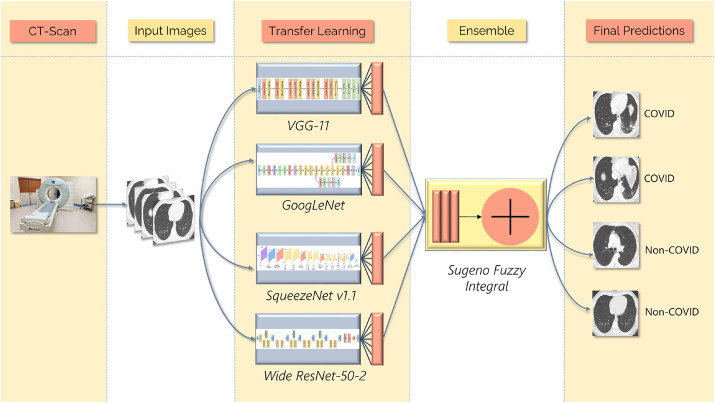
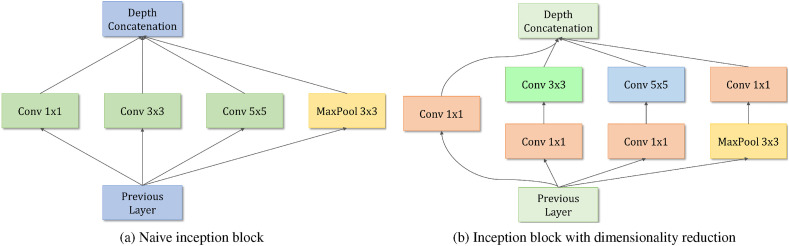
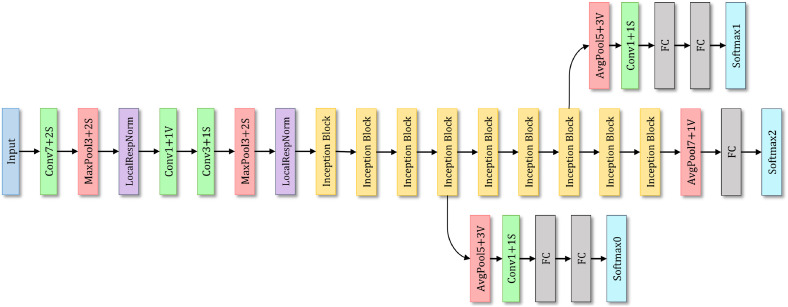
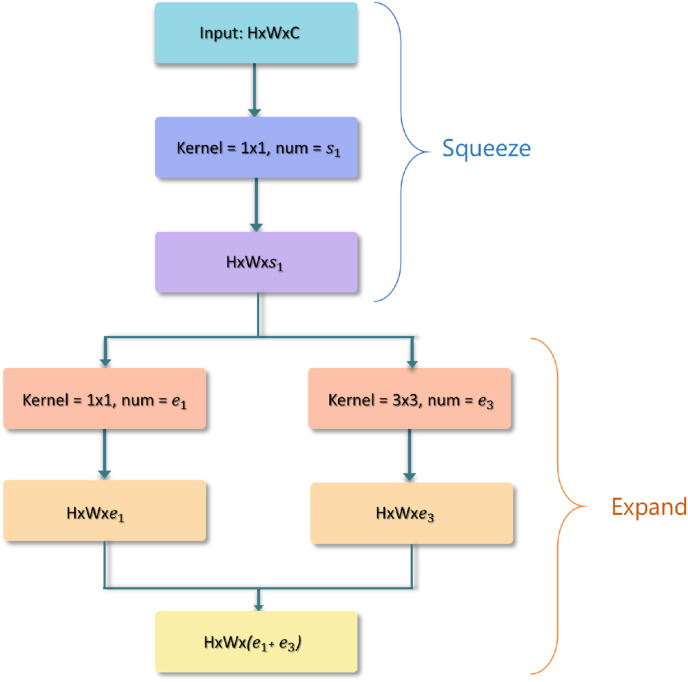
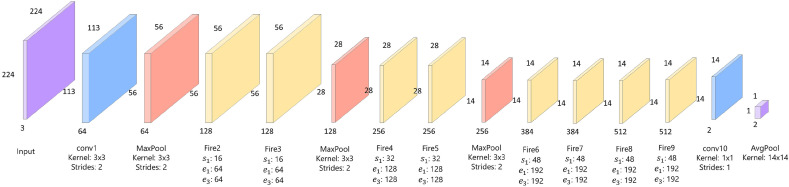
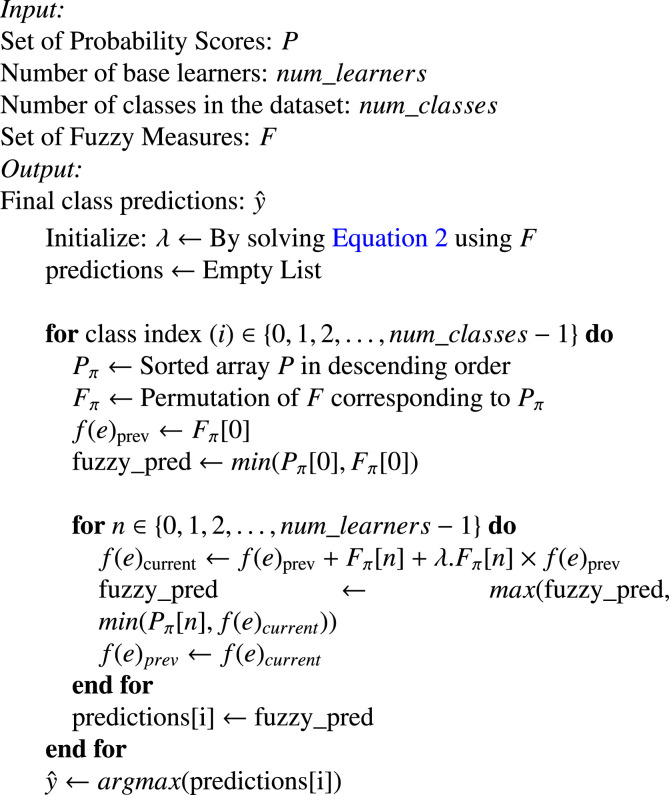
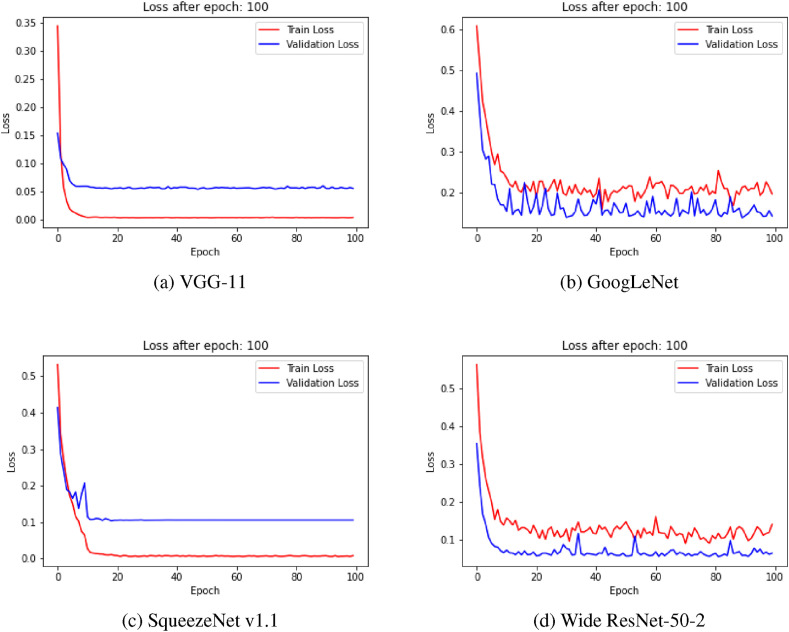
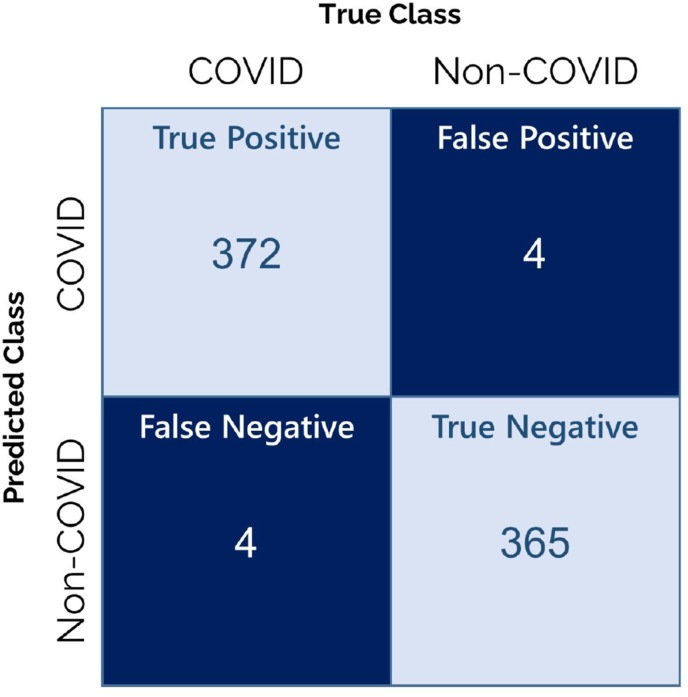
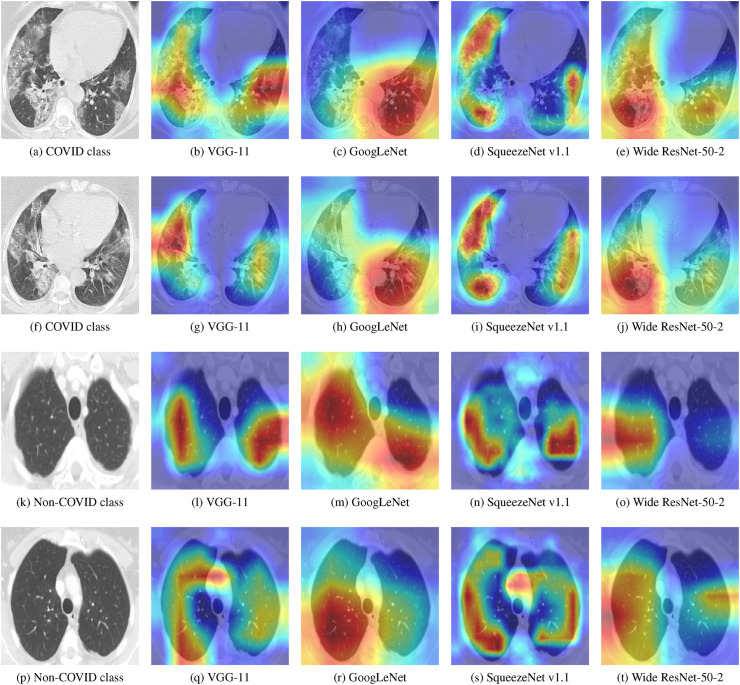
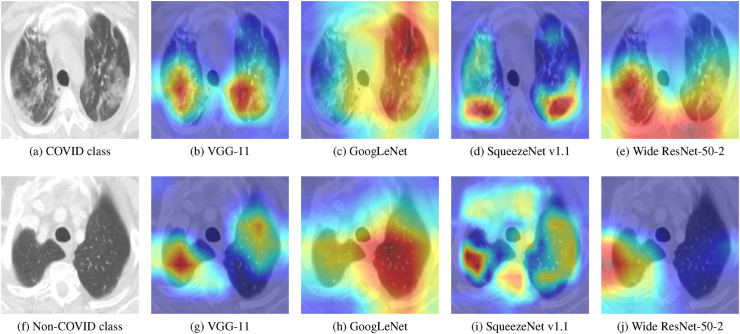
The COVID-19 pandemic has collapsed the public healthcare systems, along with severely damaging the economy of the world. The SARS-CoV-2 virus also known as the coronavirus, led to community spread, causing the death of more than a million people worldwide. The primary reason for the uncontrolled spread of the virus is the lack of provision for population-wise screening. The apparatus for RT-PCR based COVID-19 detection is scarce and the testing process takes 6-9 h. The test is also not satisfactorily sensitive (71% sensitive only). Hence, Computer-Aided Detection techniques based on deep learning methods can be used in such a scenario using other modalities like chest CT-scan images for more accurate and sensitive screening. In this paper, we propose a method that uses a Sugeno fuzzy integral ensemble of four pre-trained deep learning models, namely, VGG-11, GoogLeNet, SqueezeNet v1.1 and Wide ResNet-50-2, for classification of chest CT-scan images into COVID and Non-COVID categories. The proposed framework has been tested on a publicly available dataset for evaluation and it achieves 98.93% accuracy and 98.93% sensitivity on the same. The model outperforms state-of-the-art methods on the same dataset and proves to be a reliable COVID-19 detector. The relevant source codes for the proposed approach can be found at: https://github.com/Rohit-Kundu/Fuzzy-Integral-Covid-Detection.
新冠疫情使公共医疗系统不堪重负,同时对全球经济造成了严重破坏。严重急性呼吸综合征冠状病毒2(SARS-CoV-2),即冠状病毒,导致了社区传播,造成全球超过100万人死亡。病毒不受控制传播的主要原因是缺乏针对全体人群的筛查措施。基于逆转录聚合酶链反应(RT-PCR)的新冠病毒检测设备稀缺,检测过程需要6至9小时。该检测的敏感性也不尽人意(仅71%敏感)。因此,基于深度学习方法的计算机辅助检测技术可以在这种情况下使用胸部CT扫描图像等其他模态,以进行更准确、更敏感的筛查。在本文中,我们提出了一种方法,该方法使用四个预训练深度学习模型(即VGG-11、GoogLeNet、SqueezeNet v1.1和Wide ResNet-50-2)的Sugeno模糊积分集成,将胸部CT扫描图像分类为新冠和非新冠类别。所提出的框架已在一个公开可用的数据集上进行测试以进行评估,在该数据集上它实现了98.93%的准确率和98.93%的敏感性。该模型在同一数据集上优于现有方法,证明是一种可靠的新冠病毒检测器。所提出方法的相关源代码可在以下网址找到:https://github.com/Rohit-Kundu/Fuzzy-Integral-Covid-Detection 。