Elsayed Mahmoud M A, Okda Tarek M, Atwa Gamal M K, Omran Gamal A, Abd Elbaky Atef E, Ramadan Abd El Hakim
Department of Pharmaceutics and Clinical Pharmacy, Faculty of Pharmacy, Sohag University, P.O. Box 82524, Sohag 82524, Egypt.
Department of Biochemistry, Faculty of Pharmacy, Damanhur University, Damanhur 22516, Egypt.
Pharmaceutics. 2021 May 2;13(5):648. doi: 10.3390/pharmaceutics13050648.
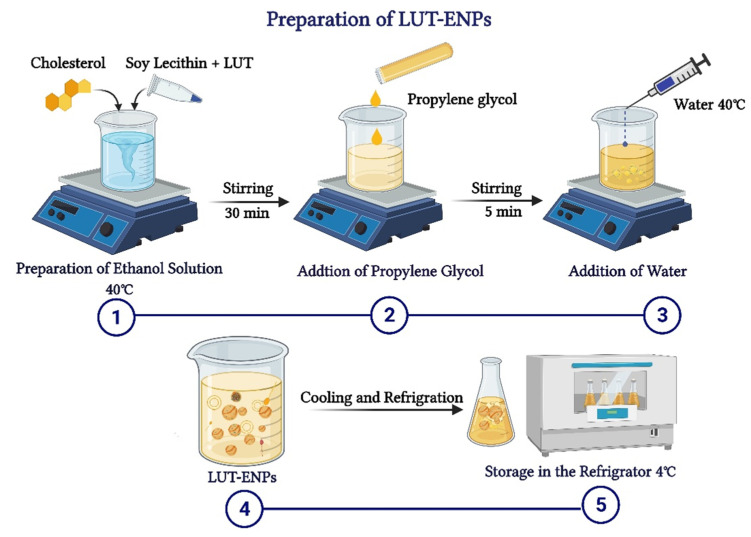
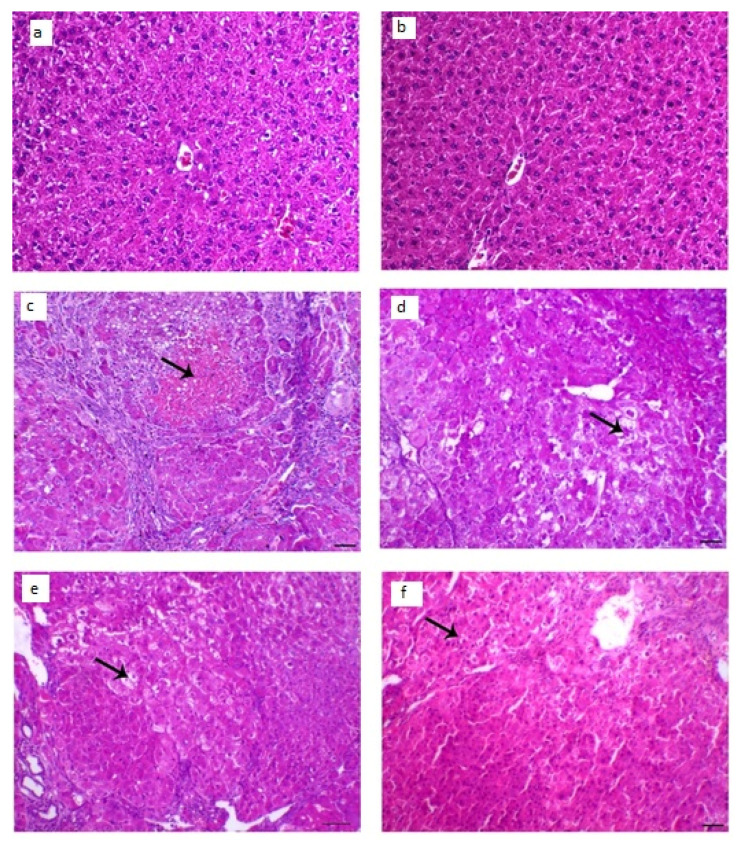
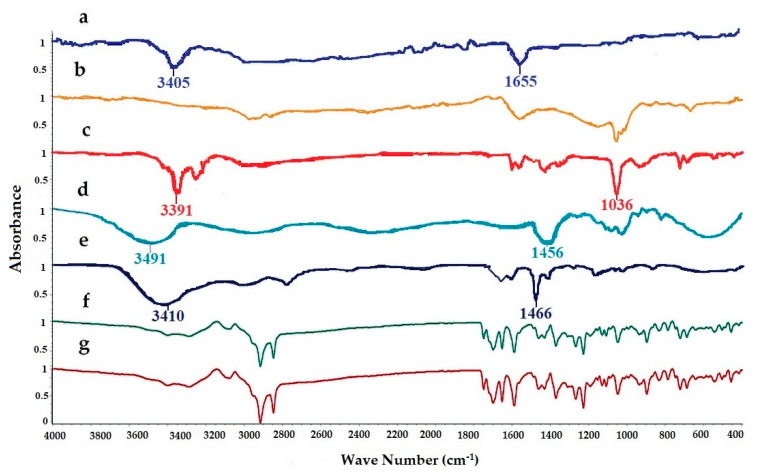
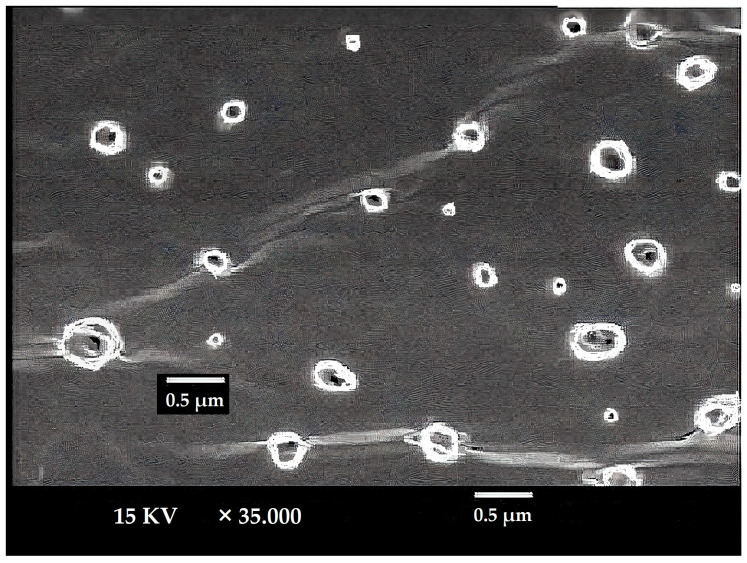
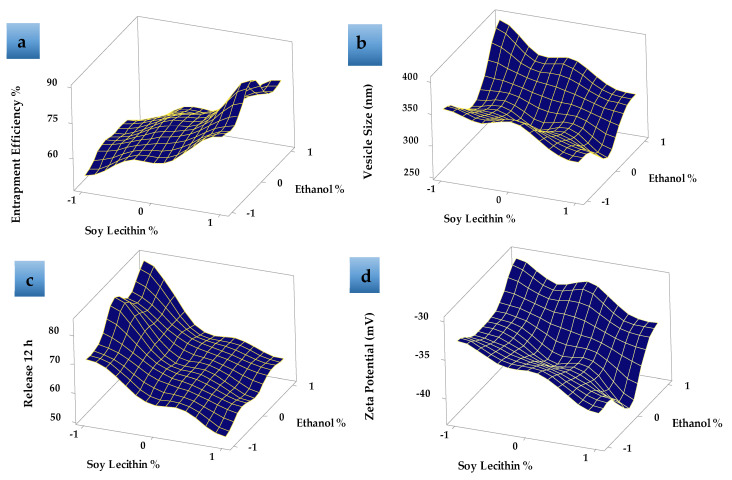
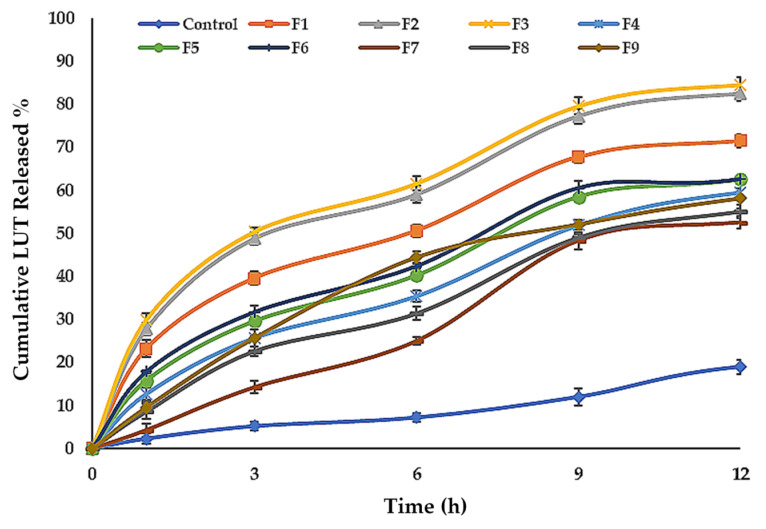
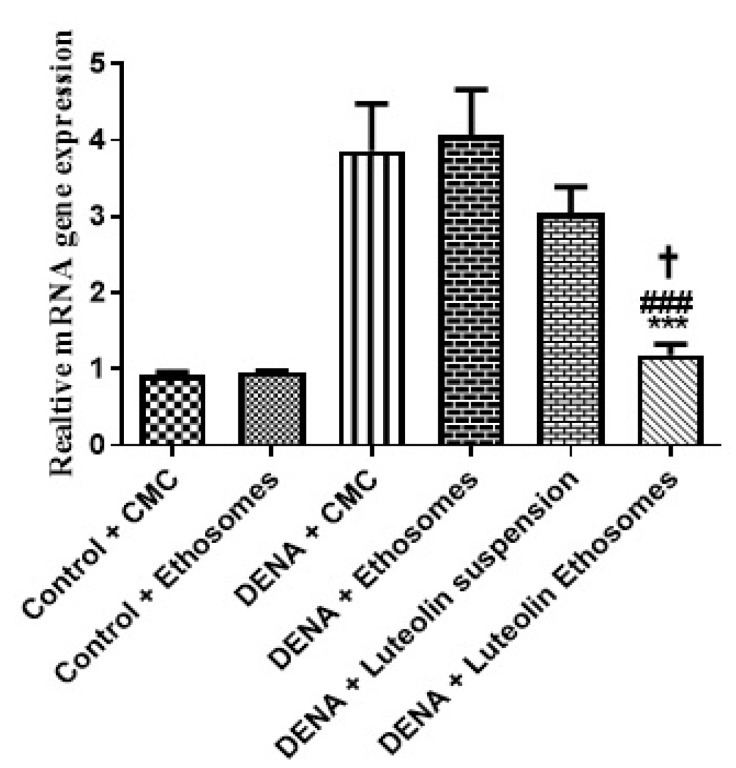
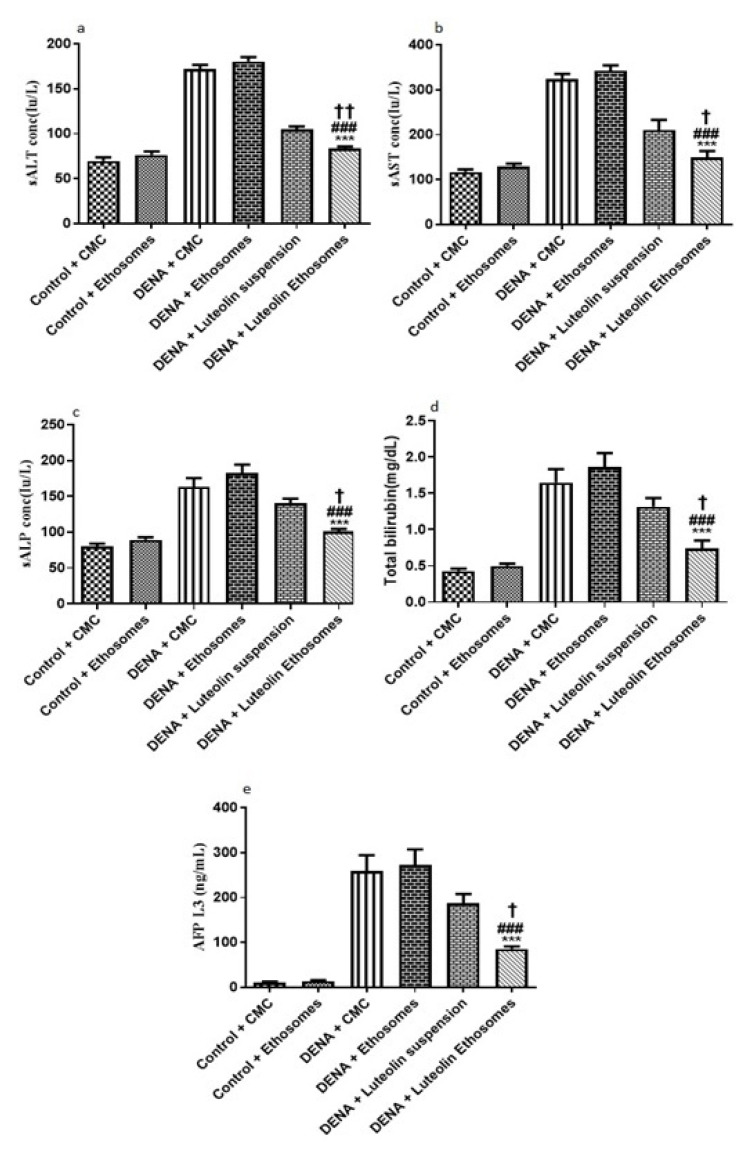
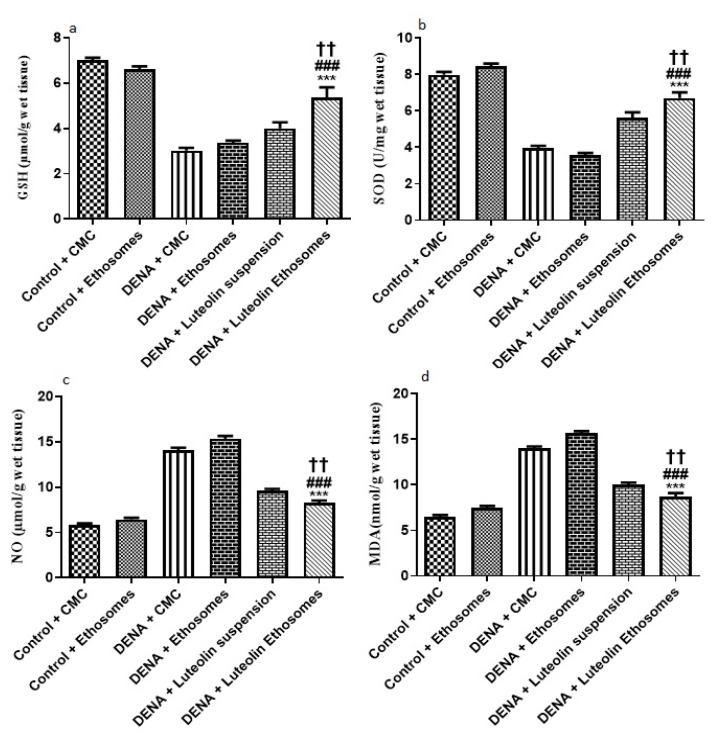
Luteolin (LUT) is a natural flavonoid with low oral bioavailability with restricted clinical applications due to its low solubility. LUT shows significant anti-tumor activity in many cancer cells, including hepatocellular carcinoma (HCC). The most recent trend in pharmaceutical innovations is the application of phospholipid vesicles to improve the solubility of such hydrophobic drugs. Ethosomes are one of the most powerful phospholipid vesicles used to achieve that that target. In this study, LUT-loaded ethosomal nanoparticles (LUT-ENPs) were prepared by the cold method. Full factorial design and response surface methodology were used to analyze and optimize the selected formulation variables. Drug entrapment efficiency, vesicle size, zeta potential, Fourier transform infra-red spectroscopy, scanning electron microscopy, and cumulative percent drug released was estimated. The selected LUT-ENPs were subjected to further investigations as estimation of hepatic gene expression levels of GPC3, liver biomarkers, and oxidative stress biomarkers. The prepared LUT-ENPs were semi-spherical in shape with high entrapment efficiency. The prepared LUT-ENPs have a small particle size with high zeta potential values. The in vitro liver biomarkers assay revealed a significant decrease in the hepatic tissue nitric oxide (NO), malondialdehyde (MDA) content, and the expression of the GPC3 gene. Results showed a high increase in the hepatic tissue levels of glutathione (GSH) and superoxide dismutase (SOD). Histopathological examination showed a small number of hepatic adenomas and a significant decrease of neoplastic hepatic lesions after treatment with LUT-ENPs. Our results firmly suggest the distinctive anti-proliferative activity of LUT-ENPs as an oral drug delivery system for the treatment of HCC.
木犀草素(LUT)是一种天然黄酮类化合物,口服生物利用度低,由于其溶解度低,临床应用受限。LUT在许多癌细胞中显示出显著的抗肿瘤活性,包括肝细胞癌(HCC)。药物创新的最新趋势是应用磷脂囊泡来提高此类疏水性药物的溶解度。醇质体是用于实现该目标的最有效的磷脂囊泡之一。在本研究中,采用冷法制备了负载LUT的醇质体纳米粒(LUT-ENPs)。采用全因子设计和响应面法分析和优化所选的制剂变量。评估了药物包封率、囊泡大小、zeta电位、傅里叶变换红外光谱、扫描电子显微镜和药物累积释放百分比。对所选的LUT-ENPs进行进一步研究,以评估GPC3的肝基因表达水平、肝脏生物标志物和氧化应激生物标志物。所制备的LUT-ENPs呈半球形,包封率高。所制备的LUT-ENPs粒径小,zeta电位值高。体外肝脏生物标志物测定显示肝组织一氧化氮(NO)、丙二醛(MDA)含量以及GPC3基因的表达显著降低。结果显示肝组织谷胱甘肽(GSH)和超氧化物歧化酶(SOD)水平显著升高。组织病理学检查显示,用LUT-ENPs治疗后,肝腺瘤数量少,肿瘤性肝损伤显著减少。我们的结果有力地表明,LUT-ENPs作为一种口服给药系统治疗HCC具有独特的抗增殖活性。