Saravi Babak, Vollmer Andreas, Hartmann Maja, Lang Gernot, Kohal Ralf-Joachim, Boeker Martin, Patzelt Sebastian B M
Medical Center-University of Freiburg, Department of Orthopedics and Trauma Surgery, Faculty of Medicine, University of Freiburg, Hugstetter Street 55, 79106 Freiburg, Germany.
Department of Oral and Maxillofacial Surgery, University Hospital Heidelberg, Im Neuenheimer Feld 400, 69120 Heidelberg, Germany.
Materials (Basel). 2021 May 20;14(10):2672. doi: 10.3390/ma14102672.
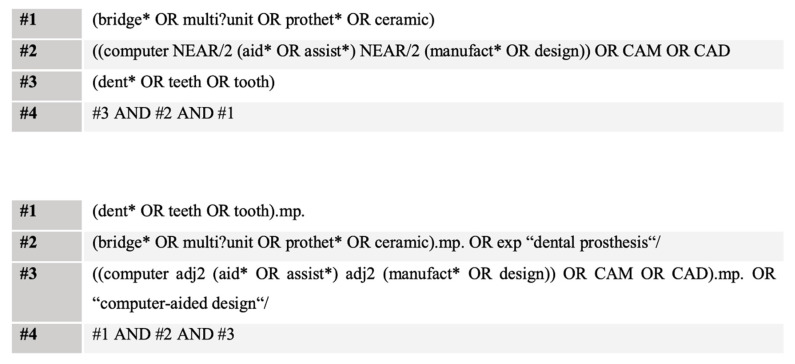
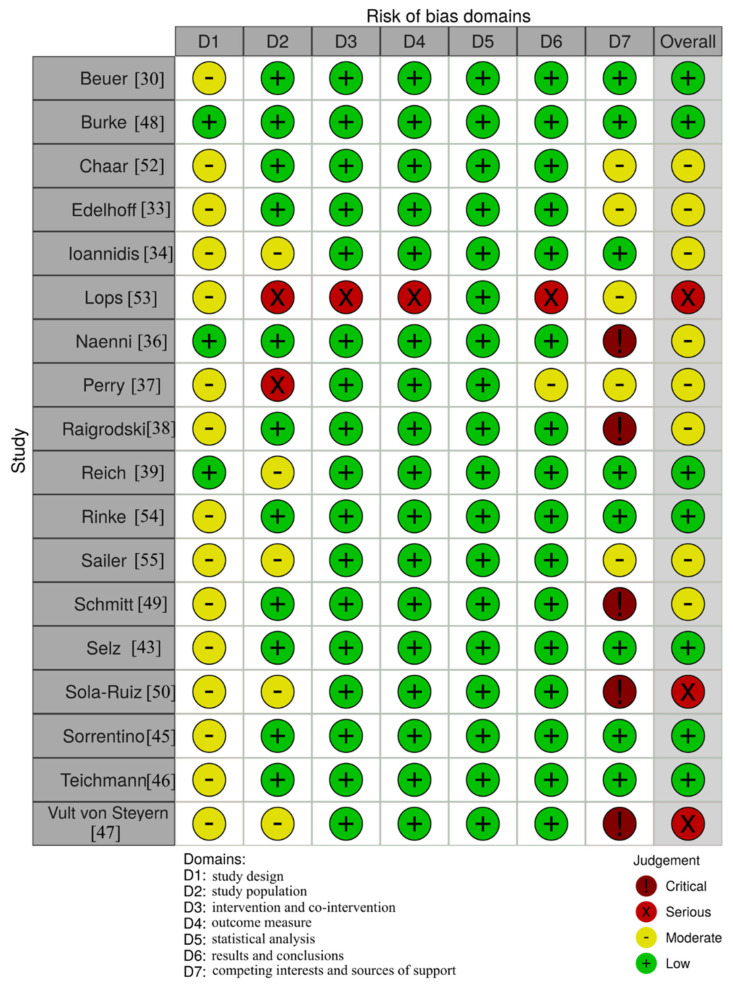
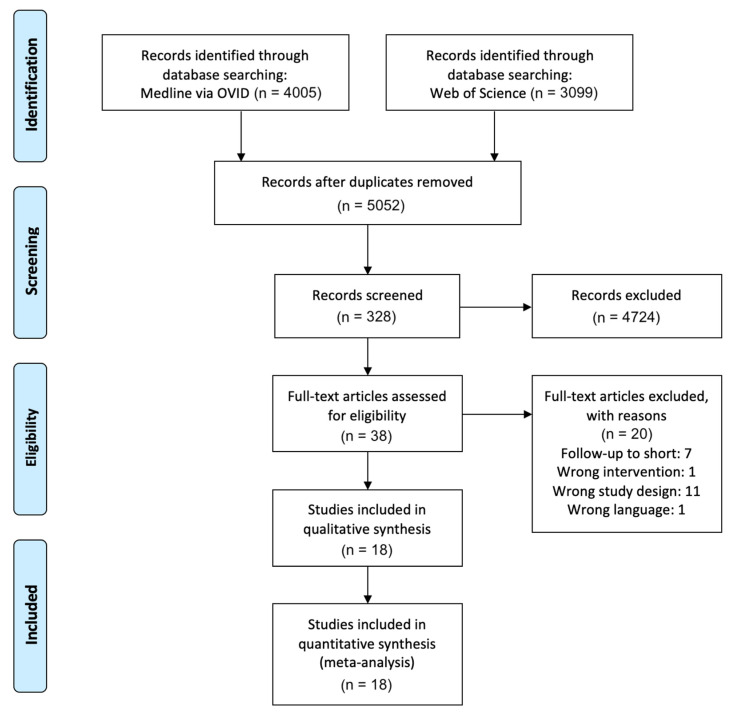
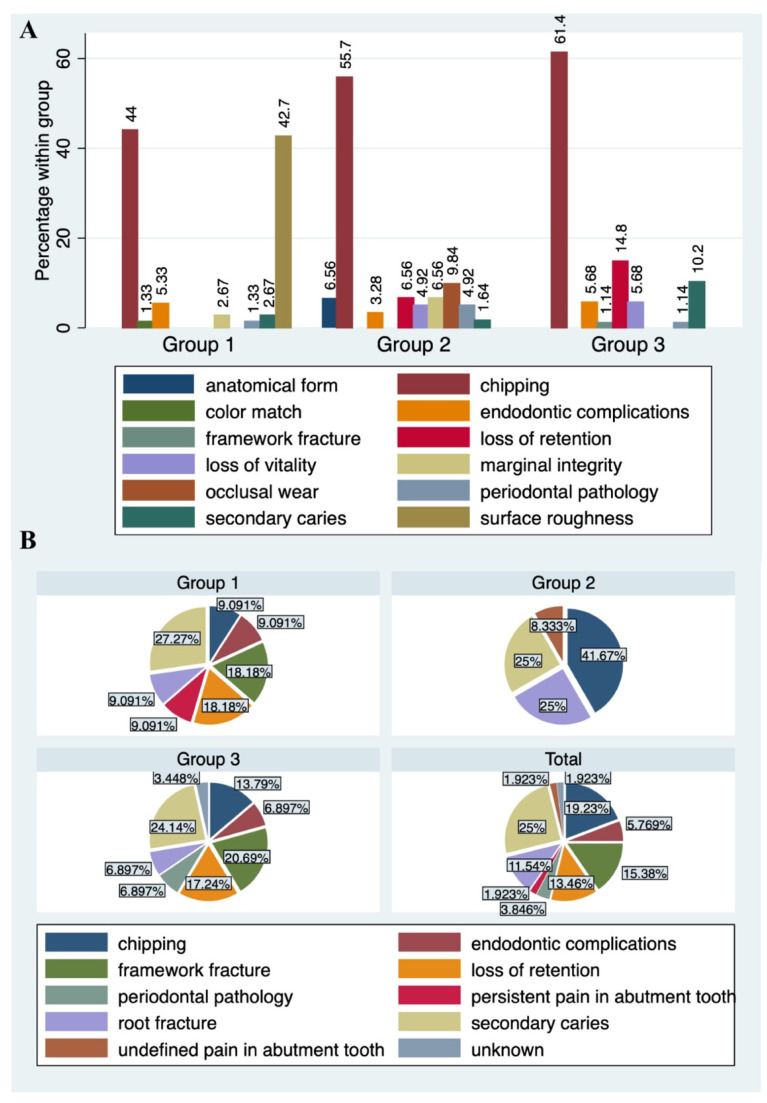
Although CAD/CAM ceramics present a promising alternative to metal-ceramic fixed dental prostheses, little is known about their mid- and long-term clinical performance. This systematic review aims to estimate the survival and success rates and describes the underlying complication characteristics for CAD/CAM tooth-supported zirconia- and lithium disilicate-based fixed dental prostheses (FDPs). We systematically searched MEDLINE and Web of Science to find relevant prospective studies with a follow-up of at least one year. We estimated pooled 1-, 5-, and 10-year survival and success rates by combining the collected data in a Poisson regression model. Descriptive statistics were conducted to evaluate the distribution of failures and complications in the included studies. Risk of bias for the included studies was assessed with an adapted checklist for single-arm trials. Pooled estimated 1-, 5-, and 10-year survival rates ranged from 93.80% to 94.66%, 89.67% to 91.1%, and 79.33% to 82.20%, respectively. The corresponding success rates excluding failures, but including any other types of intervention were 94.53% to 96.77%, 90.89% to 94.62%, and 81.78% to 89.25%. Secondary caries was the most frequent cause of failure, followed by chipping of the veneering. The most common cause of complication excluding failures but requiring intervention was chipping of the veneering. Risk of bias was generally acceptable for the included studies, with seven studies associated with low risk of bias, eight studies with a moderate risk of bias, and three studies with serious risk of bias. The current meta-analysis on CAD/CAM-supported FDPs revealed satisfying survival and success rates for up to 10 years of exposure. More prospective studies focusing on long-term performance are needed to strengthen the evidence currently available in the literature.
尽管计算机辅助设计/计算机辅助制造(CAD/CAM)陶瓷材料为金属烤瓷固定义齿提供了一种很有前景的替代方案,但人们对其中长期临床性能知之甚少。本系统评价旨在评估基于CAD/CAM牙支持的氧化锆和二硅酸锂固定义齿(FDPs)的生存率和成功率,并描述其潜在的并发症特征。我们系统检索了MEDLINE和科学网,以查找随访至少一年的相关前瞻性研究。通过将收集的数据纳入泊松回归模型,我们估计了1年、5年和10年的合并生存率和成功率。进行描述性统计以评估纳入研究中失败和并发症的分布情况。采用单臂试验的适应性检查表评估纳入研究的偏倚风险。合并估计的1年、5年和10年生存率分别为93.80%至94.66%、89.67%至91.1%和79.33%至82.20%。相应的排除失败但包括任何其他类型干预的成功率为94.53%至96.77%、90.89%至94.62%和81.78%至89.25%。继发龋是最常见的失败原因,其次是饰面崩瓷。排除失败但需要干预的最常见并发症原因是饰面崩瓷。纳入研究的偏倚风险总体上可以接受,7项研究偏倚风险低,8项研究偏倚风险中等,3项研究偏倚风险高。目前关于CAD/CAM支持的FDPs的荟萃分析显示,长达10年的暴露期内生存率和成功率令人满意。需要更多关注长期性能的前瞻性研究来加强目前文献中的证据。