Mugimba Kizito K, Byarugaba Denis K, Mutoloki Stephen, Evensen Øystein, Munang'andu Hetron M
Department of Biotechnical and Diagnostic Sciences, College of Veterinary Medicine Animal Resources and Biosecurity, Makerere University, P.O. Box 7062, Kampala, Uganda.
Department of Paraclinical Sciences, Faculty of Veterinary Medicine, Norwegian University of Life Sciences, P.O. Box 369, 0102 Oslo, Norway.
Pathogens. 2021 May 30;10(6):673. doi: 10.3390/pathogens10060673.
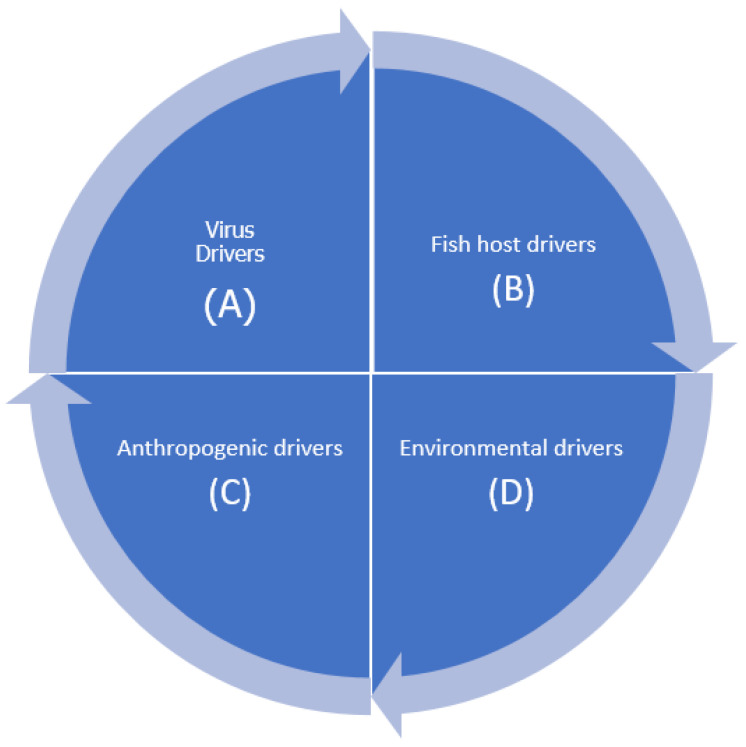
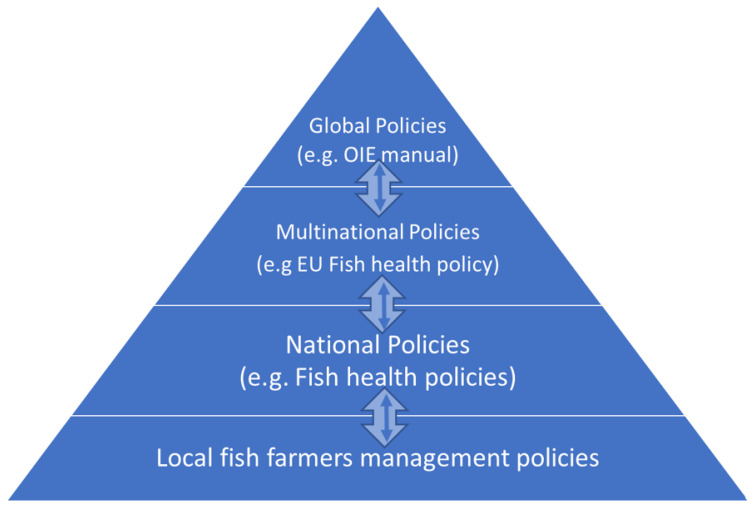
Aquaculture is the fastest food-producing sector in the world, accounting for one-third of global food production. As is the case with all intensive farming systems, increase in infectious diseases has adversely impacted the growth of marine fish farming worldwide. Viral diseases cause high economic losses in marine aquaculture. We provide an overview of the major challenges limiting the control and prevention of viral diseases in marine fish farming, as well as highlight potential solutions. The major challenges include increase in the number of emerging viral diseases, wild reservoirs, migratory species, anthropogenic activities, limitations in diagnostic tools and expertise, transportation of virus contaminated ballast water, and international trade. The proposed solutions to these problems include developing biosecurity policies at global and national levels, implementation of biosecurity measures, vaccine development, use of antiviral drugs and probiotics to combat viral infections, selective breeding of disease-resistant fish, use of improved diagnostic tools, disease surveillance, as well as promoting the use of good husbandry and management practices. A multifaceted approach combining several control strategies would provide more effective long-lasting solutions to reduction in viral infections in marine aquaculture than using a single disease control approach like vaccination alone.
水产养殖是世界上发展最快的食品生产部门,占全球食品产量的三分之一。与所有集约化养殖系统一样,传染病的增加对全球海水鱼类养殖的发展产生了不利影响。病毒性疾病给海水养殖带来了巨大的经济损失。我们概述了限制海水鱼类养殖中病毒性疾病控制和预防的主要挑战,并强调了潜在的解决方案。主要挑战包括新出现的病毒性疾病数量增加、野生宿主、洄游物种、人为活动、诊断工具和专业知识的局限性、受病毒污染的压舱水的运输以及国际贸易。针对这些问题提出的解决方案包括在全球和国家层面制定生物安全政策、实施生物安全措施、疫苗开发、使用抗病毒药物和益生菌对抗病毒感染、选育抗病鱼类、使用改进的诊断工具、疾病监测,以及推广良好的养殖和管理实践。与仅使用单一疾病控制方法(如单独接种疫苗)相比,结合多种控制策略的多方面方法将为减少海水养殖中的病毒感染提供更有效、更持久的解决方案。